Rashid Hashrul N, Layland Jamie
Monash Cardiovascular Research Centre, Monash University, Melbourne, Australia.
Department of Cardiovascular Research, Peninsula Health, Melbourne, Australia.
Int J Cardiol Heart Vasc. 2020 Dec 13;32:100688. doi: 10.1016/j.ijcha.2020.100688. eCollection 2021 Feb.
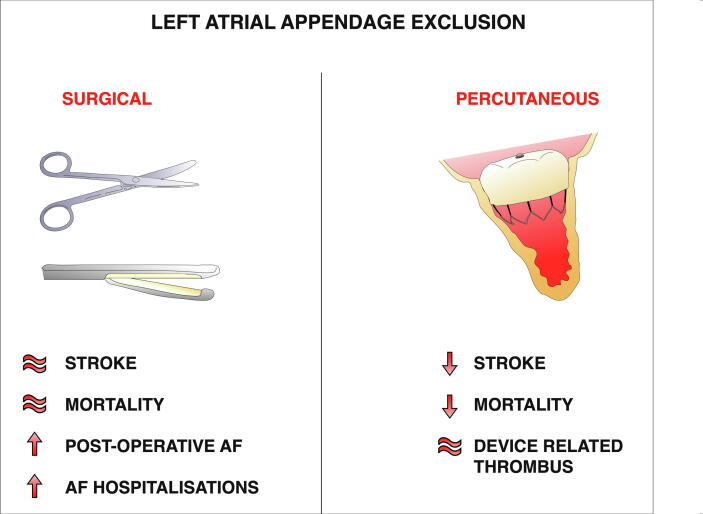
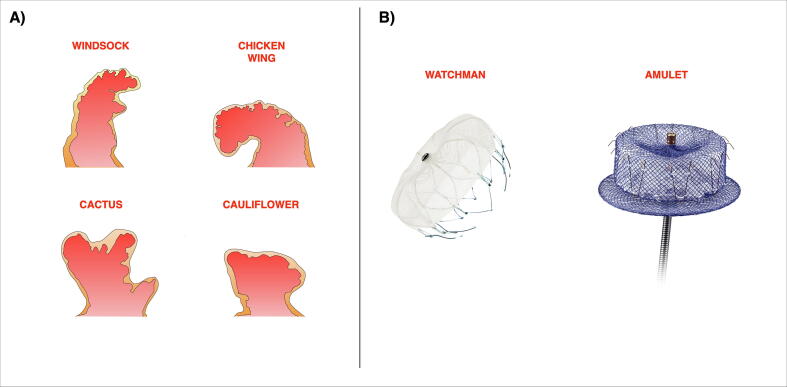
Atrial fibrillation is one of the most common cardiovascular disorders encountered by clinicians in clinical practice. Patients with atrial fibrillation are at risk of cerebrovascular and systemic embolic events, which may be attenuated by commencement of anticoagulation therapy. Even so, due to extremely high bleeding risk certain patients may not be suitable for long-term anticoagulation therapy. The left atrial appendage is a common site for thrombus formation in patients with atrial fibrillation. Left atrial appendage exclusion, either surgical or percutaneous, has been performed to ostensibly reduce the risk of cerebrovascular events and potentially minimise or omit anticoagulation therapy in select patients. This review summarises the role of the left atrial appendage in cerebrovascular events, current evidence with modification of the left atrial appendage and future trials that may change practice with these procedures.
心房颤动是临床医生在临床实践中遇到的最常见的心血管疾病之一。心房颤动患者有发生脑血管和全身性栓塞事件的风险,开始抗凝治疗可能会降低这种风险。即便如此,由于出血风险极高,某些患者可能不适合长期抗凝治疗。左心耳是心房颤动患者血栓形成的常见部位。已经开展了外科或经皮左心耳封堵术,表面上是为了降低脑血管事件的风险,并有可能在部分患者中尽量减少或省略抗凝治疗。本综述总结了左心耳在脑血管事件中的作用、目前左心耳干预的证据以及可能改变这些治疗方法实践的未来试验。