Department of Cardiology, Barzilai University Medical Center, 2 Hahistadrut Street, 78278, Ashkelon, Israel.
Faculty of Health Sciences, Ben-Gurion University of the Negev, Beersheba, Israel.
Cardiovasc Diabetol. 2021 Jul 23;20(1):149. doi: 10.1186/s12933-021-01347-x.
Diabetic patients have an increased predisposition to thromboembolic events, in most cases originating from thrombi in the left atrial appendage (LAA). Remodeling of the LAA, which predisposes to thrombi formation, has been previously described in diabetic patients with atrial fibrillation, but whether remodeling of the LAA occurs in diabetics also in the absence of atrial fibrillation is unknown. To investigate the contribution of diabetes, as opposed to atrial fibrillation, to remodeling of the LAA, we went from humans to the animal model.
We studied by echocardiography the structure and function of the heart over multiple time points during the evolution of diabetes in the Cohen diabetic sensitive rat (CDs/y) provided diabetogenic diet over a period of 4 months; CDs/y provided regular diet and the Cohen diabetic resistant (CDr/y), which do not develop diabetes, served as controls. All animals were in sinus rhythm throughout the study period.
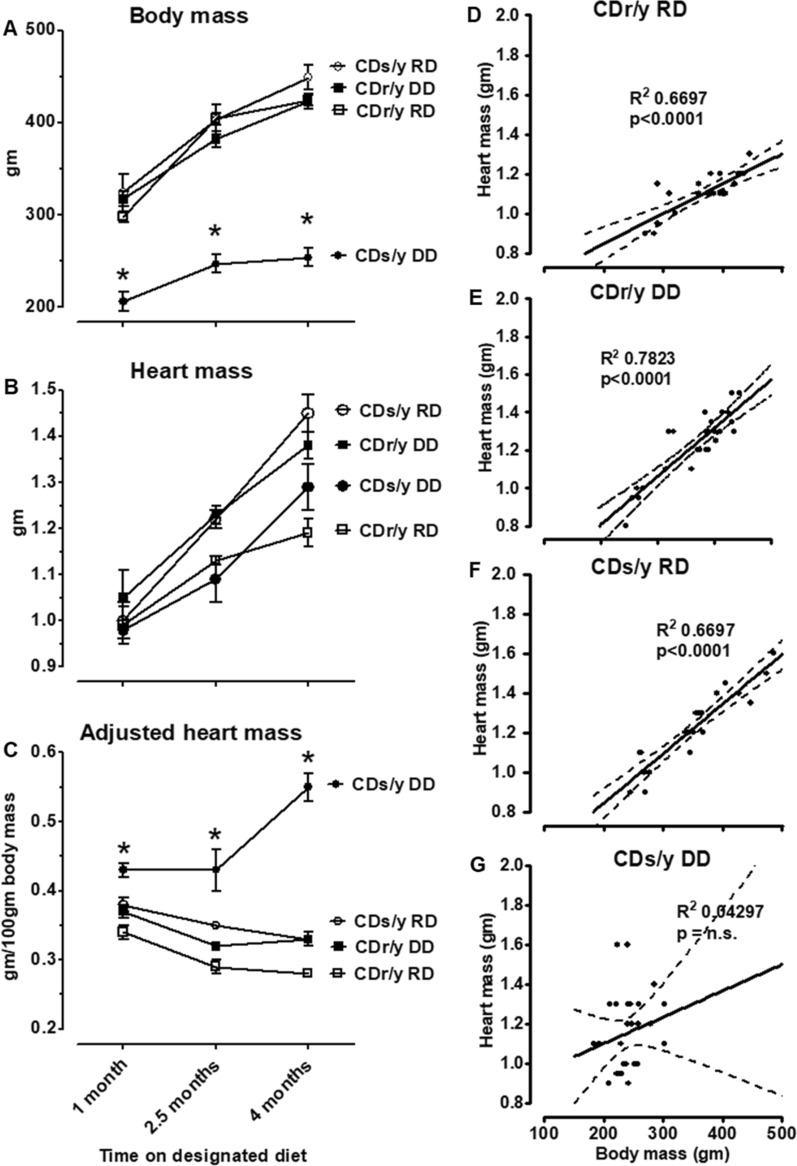
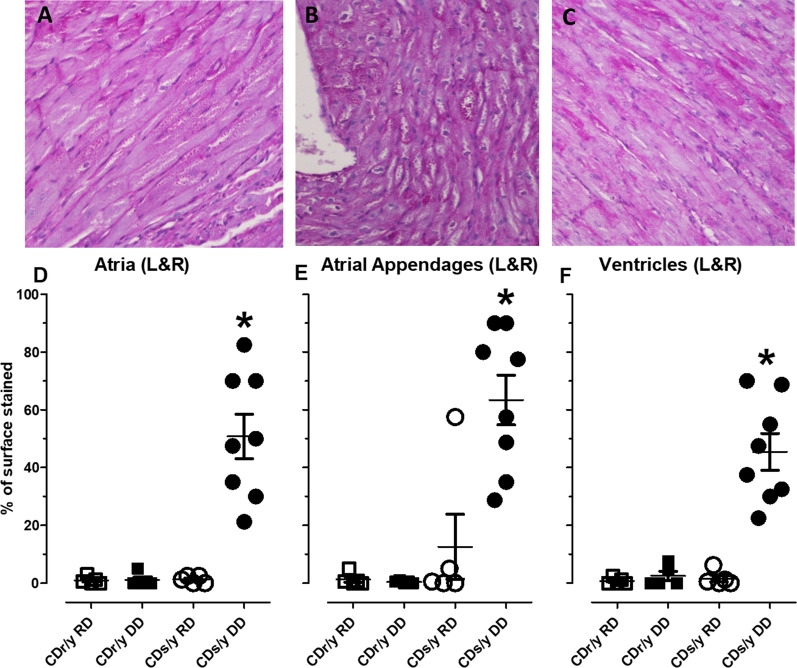
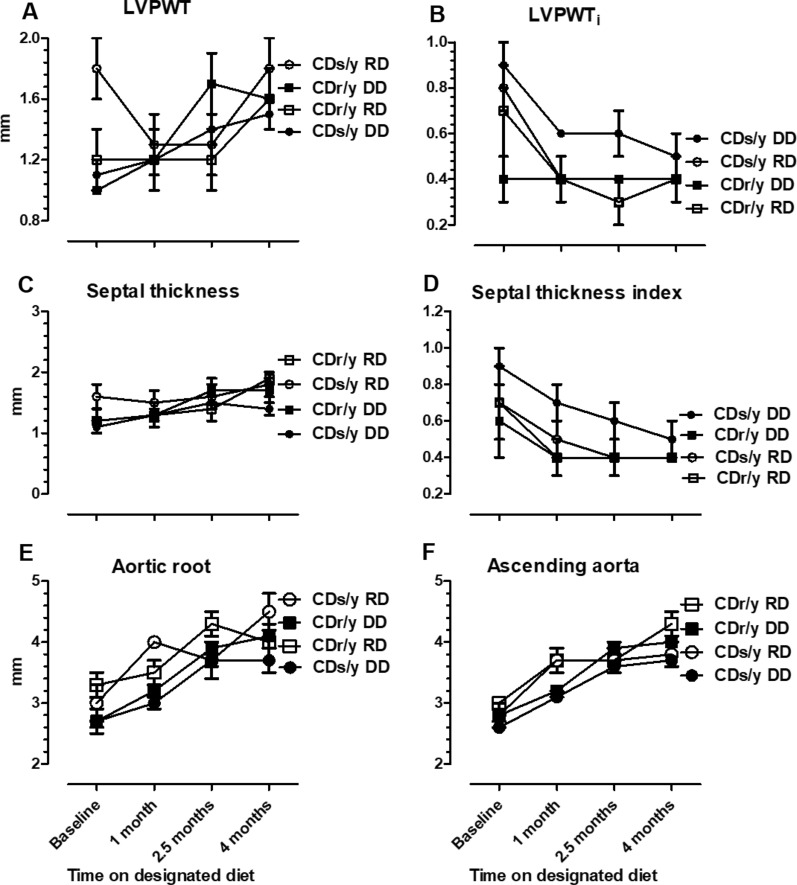
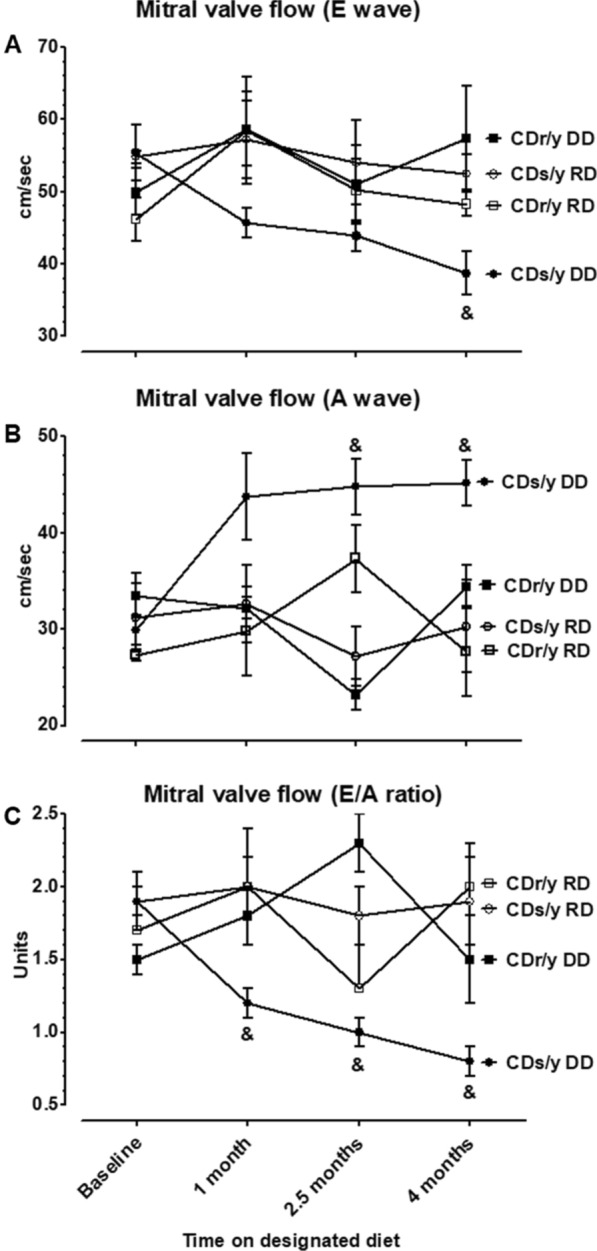
Compared to controls, CDs/y developed during the evolution of diabetes a greater heart mass, larger left atrial diameter, wider LAA orifice, increased LAA depth, greater end-diastolic and end-systolic diameter, and lower E/A ratio-all indicative of remodeling of the LAA and left atrium (LA), as well as the development of left ventricular diastolic dysfunction. To investigate the pathophysiology involved, we studied the histology of the hearts at the end of the study. We found in diabetic CDs/y, but not in any of the other groups, abundance of glycogen granules in the atrial appendages , atria and ventricles, which may be of significance as glycogen granules have previously been associated with cell and organ dysfunction in the diabetic heart.
We conclude that our rodent model of diabetes, which was in sinus rhythm, reproduced structural and functional alterations previously observed in hearts of human diabetics with atrial fibrillation. Remodeling of the LAA and of the LA in our model was unrelated to atrial fibrillation and associated with accumulation of glycogen granules. We suggest that myocardial accumulation of glycogen granules is related to the development of diabetes and may play a pathophysiological role in remodeling of the LAA and LA, which predisposes to atrial fibrillation, thromboembolic events and left ventricular diastolic dysfunction in the diabetic heart.
糖尿病患者发生血栓栓塞事件的风险增加,大多数情况下血栓起源于左心耳(LAA)。先前在合并心房颤动的糖尿病患者中描述了 LAA 的重塑,这种重塑易导致血栓形成,但在没有心房颤动的情况下糖尿病患者的 LAA 是否也会发生重塑尚不清楚。为了研究糖尿病(相对于心房颤动)对 LAA 重塑的贡献,我们从人类模型转向了动物模型。
我们通过超声心动图在 Cohen 糖尿病敏感大鼠(CDs/y)发展糖尿病的多个时间点上研究心脏的结构和功能,这些大鼠给予致糖尿病饮食 4 个月;给予常规饮食的 Cohen 糖尿病抵抗大鼠(CDr/y)作为对照,它们不会发生糖尿病。所有动物在整个研究期间均保持窦性心律。
与对照组相比,在糖尿病发展过程中,CDs/y 的心脏质量更大、左心房直径更大、LAA 口更宽、LAA 深度增加、舒张末期和收缩末期直径更大,E/A 比值更低——所有这些都表明 LAA 和左心房(LA)重塑以及左心室舒张功能障碍的发生。为了研究涉及的病理生理学,我们在研究结束时研究了心脏的组织学。我们发现,只有在糖尿病的 CDs/y 中,而不是在任何其他组中,心房附壁、心房和心室中都有丰富的糖原颗粒,这可能具有重要意义,因为以前已经发现糖原颗粒与糖尿病心脏中的细胞和器官功能障碍有关。
我们的结论是,我们的糖尿病啮齿动物模型在窦性心律下复制了先前在合并心房颤动的人类糖尿病患者心脏中观察到的结构和功能改变。我们模型中的 LAA 和 LA 重塑与心房颤动无关,与糖原颗粒的积累有关。我们建议,心肌糖原颗粒的积累与糖尿病的发生有关,可能在 LAA 和 LA 的重塑中发挥病理生理作用,从而导致糖尿病心脏中发生心房颤动、血栓栓塞事件和左心室舒张功能障碍。