Evidence Based Toxicology Collaboration, Johns Hopkins Bloomberg School of Public Health, Baltimore, Maryland, USA.
Lancaster Environment Centre, Lancaster University, Lancaster, UK.
Environ Health Perspect. 2020 Dec;128(12):125001. doi: 10.1289/EHP6994. Epub 2020 Dec 24.
Although the implementation of systematic review and evidence mapping methods stands to improve the transparency and accuracy of chemical assessments, they also accentuate the challenges that assessors face in ensuring they have located and included all the evidence that is relevant to evaluating the potential health effects an exposure might be causing. This challenge of information retrieval can be characterized in terms of "semantic" and "conceptual" factors that render chemical assessments vulnerable to the streetlight effect.
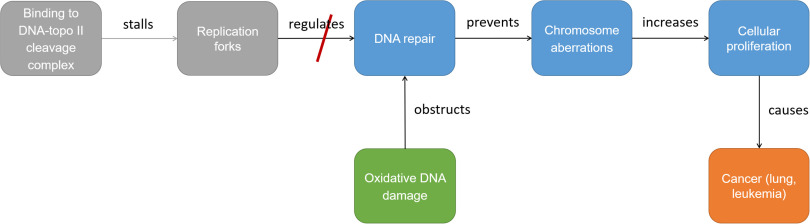
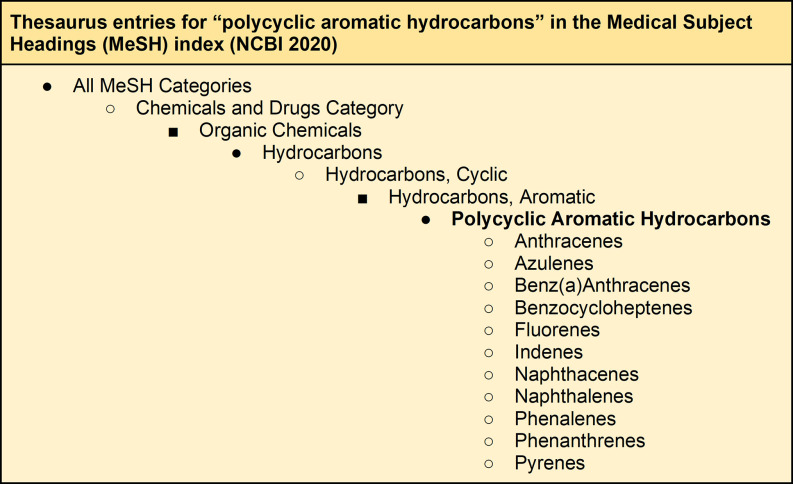
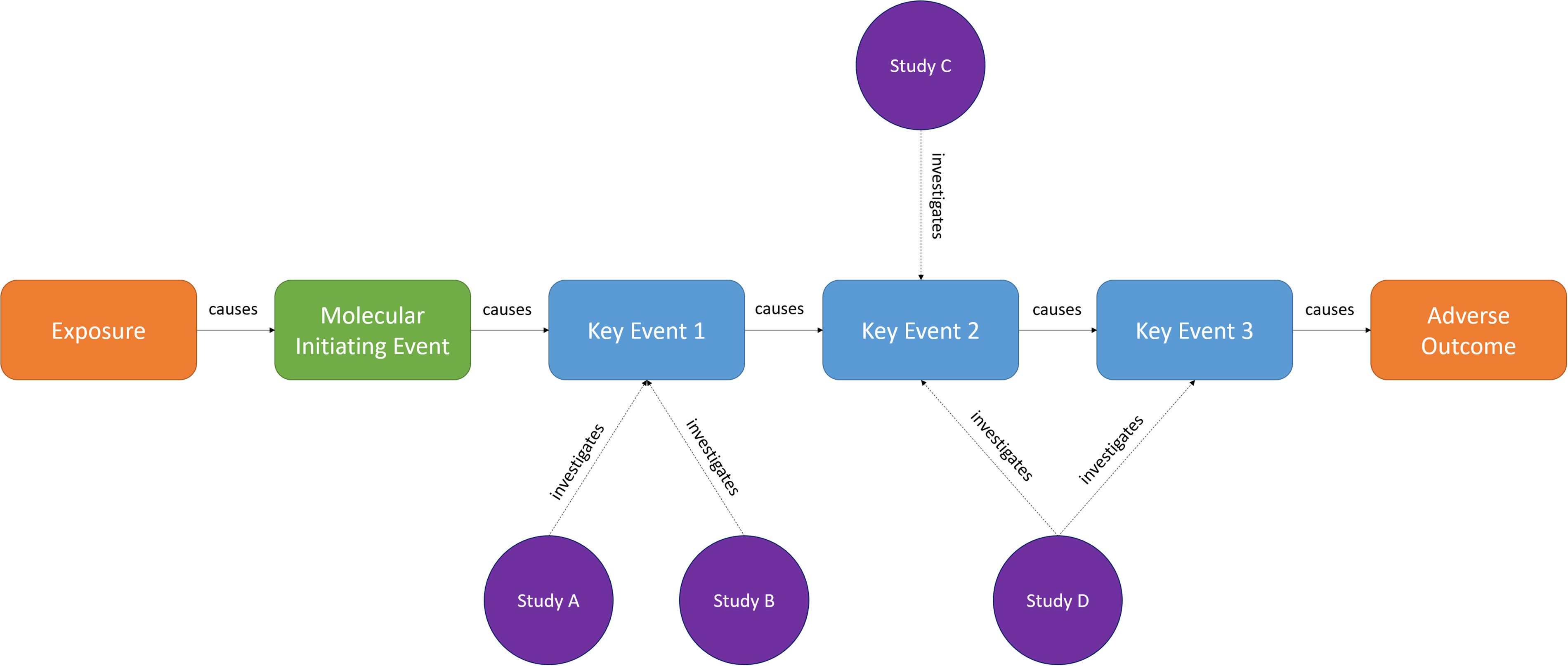
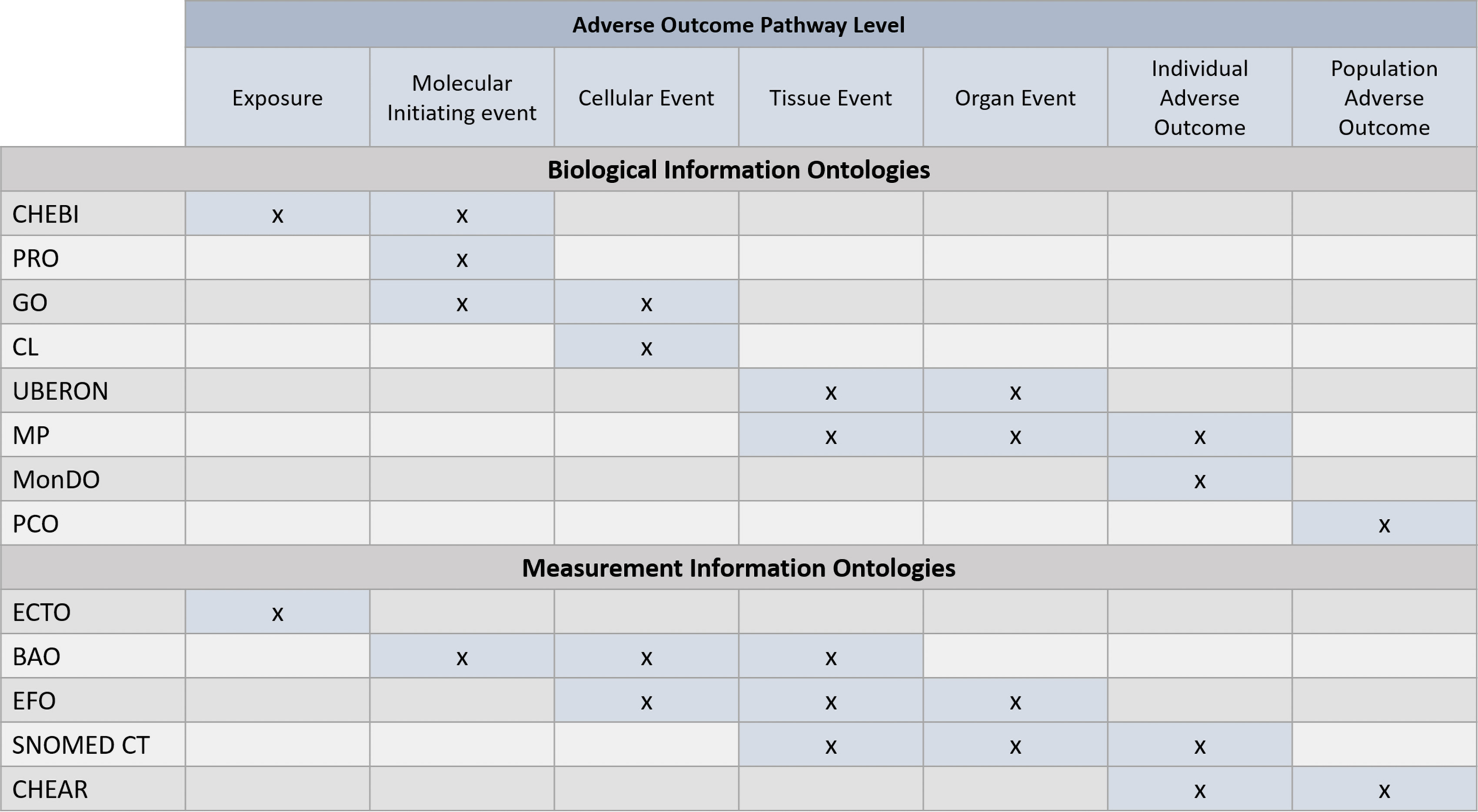
This commentary presents how controlled vocabularies, thesauruses, and ontologies contribute to overcoming the streetlight effect in information retrieval, making up the key components of Knowledge Organization Systems (KOSs) that enable more systematic access to assessment-relevant information than is currently achievable. The concept of Adverse Outcome Pathways is used to illustrate what a general KOS for use in chemical assessment could look like.
Ontologies are an underexploited element of effective knowledge organization in the environmental health sciences. Agreeing on and implementing ontologies in chemical assessment is a complex but tractable process with four fundamental steps. Successful implementation of ontologies would not only make currently fragmented information about health risks from chemical exposures vastly more accessible, it could ultimately enable computational methods for chemical assessment that can take advantage of the full richness of data described in natural language in primary studies. https://doi.org/10.1289/EHP6994.
尽管系统评价和证据图谱方法的实施有望提高化学评估的透明度和准确性,但它们也突出了评估人员在确保他们已经定位并包含了所有与评估暴露可能造成的潜在健康影响相关的证据方面所面临的挑战。这种信息检索的挑战可以从“语义”和“概念”两个方面来描述,这使得化学评估容易受到路灯效应的影响。
本评论介绍了受控词汇、词库和本体论如何有助于克服信息检索中的路灯效应,构成了知识组织系统(KOS)的关键组成部分,使评估相关信息的获取比目前更加系统。不良结局途径的概念被用来举例说明一个通用的化学评估 KOS 可能是什么样子。
本体论是环境健康科学中有效知识组织的一个未被充分利用的元素。在化学评估中就本体论达成一致并加以实施是一个复杂但可处理的过程,有四个基本步骤。成功实施本体论不仅会使目前关于化学暴露对健康风险的碎片化信息更容易获取,而且最终还可以实现化学评估的计算方法,从而充分利用初级研究中用自然语言描述的数据的丰富性。https://doi.org/10.1289/EHP6994。