Structural Biology and Protein Science, Pfizer Worldwide Research and Development, San Diego, California, USA.
Oncology Research Unit, Pfizer Worldwide Research and Development, San Diego, California, USA.
J Biol Chem. 2021 Jan-Jun;296:100251. doi: 10.1074/jbc.RA120.016573. Epub 2021 Jan 9.
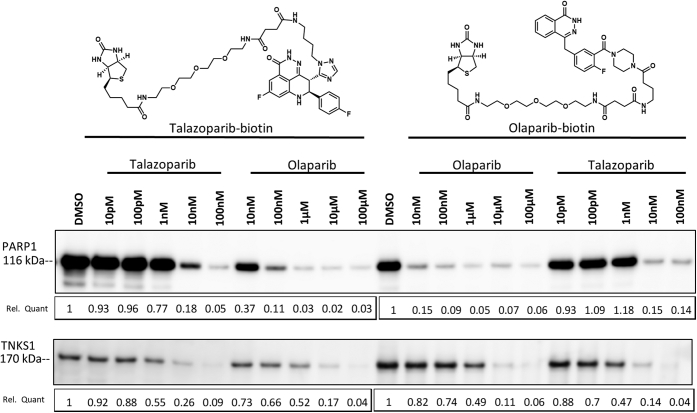
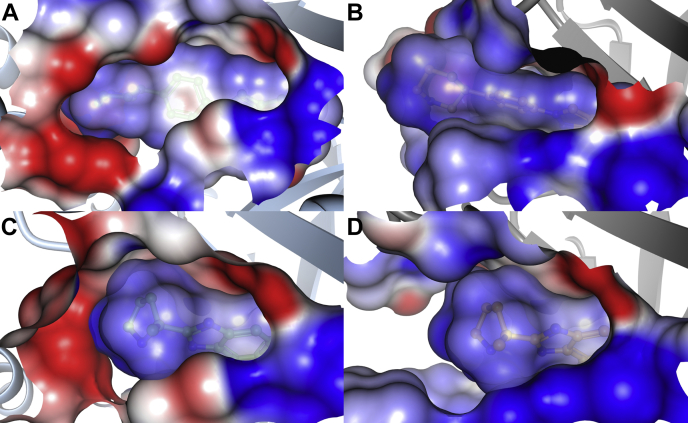
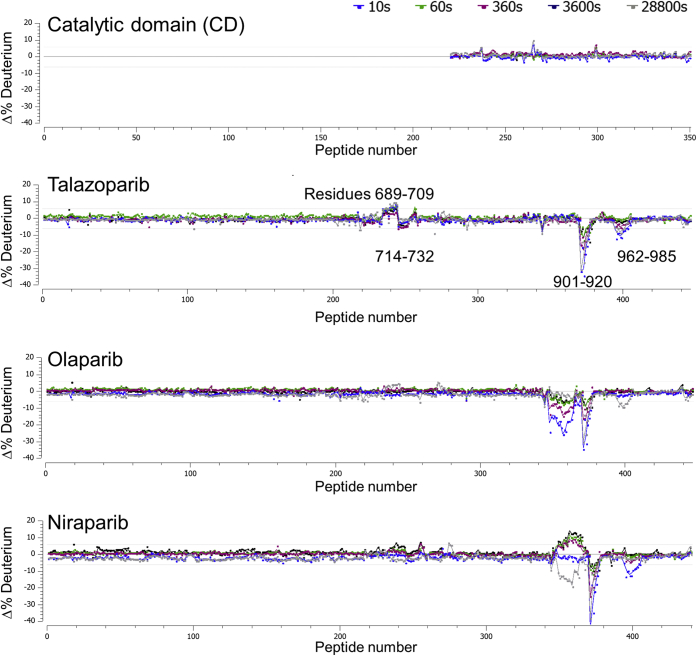
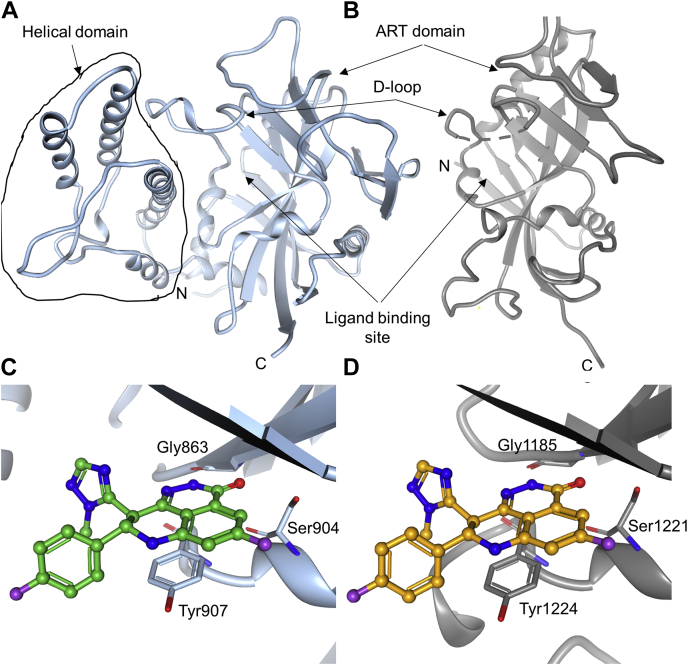
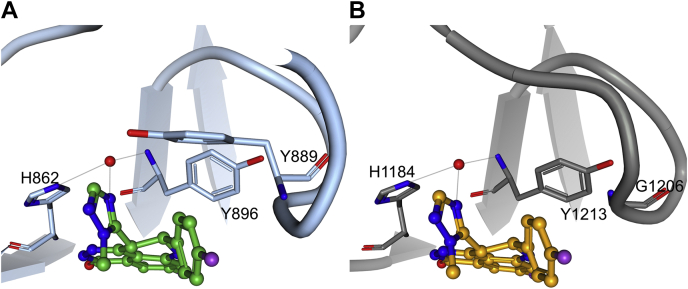
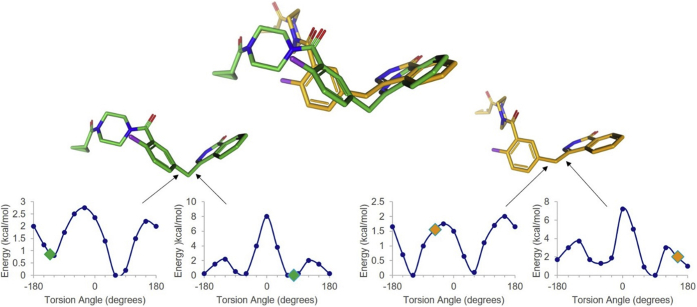
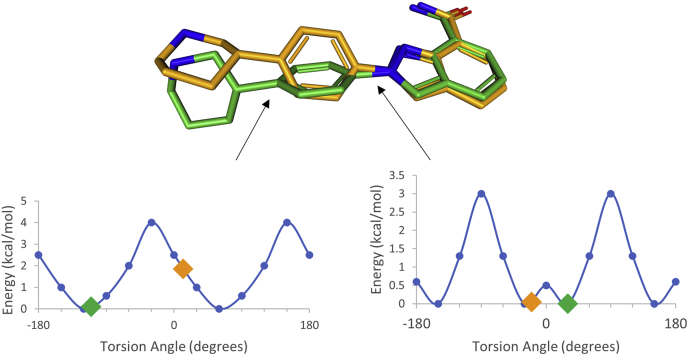
Poly-ADP-ribosyltransferases play a critical role in DNA repair and cell death, and poly(ADP-ribosyl) polymerase 1 (PARP1) is a particularly important therapeutic target for the treatment of breast cancer because of its synthetic lethal relationship with breast cancer susceptibility proteins 1 and 2. Numerous PARP1 inhibitors have been developed, and their efficacy in cancer treatment is attributed to both the inhibition of enzymatic activity and their ability to trap PARP1 on to the damaged DNA, which is cytotoxic. Of the clinical PARP inhibitors, talazoparib is the most effective at trapping PARP1 on damaged DNA. Biochemically, talazoparib is also suspected to be a potent inhibitor of PARP5a/b (tankyrase1/2 [TNKS1/2]), which is an important regulator of Wnt/β-catenin pathway. Here we show using competition experiments in cell lysate that, at a clinically relevant concentration, talazoparib can potentially bind and engage TNKS1. Using surface plasmon resonance, we measured the dissociation constants of talazoparib, olaparib, niraparib, and veliparib for their interaction with PARP1 and TNKS1. The results show that talazoparib has strong affinity for PARP1 as well as uniquely strong affinity for TNKS1. Finally, we used crystallography and hydrogen deuterium exchange mass spectroscopy to dissect the molecular mechanism of differential selectivity of these PARP1 inhibitors. From these data, we conclude that subtle differences between the ligand-binding sites of PARP1 and TNKS1, differences in the electrostatic nature of the ligands, protein dynamics, and ligand conformational energetics contribute to the different pharmacology of these PARP1 inhibitors. These results will help in the design of drugs to treat Wnt/β-catenin pathway-related cancers, such as colorectal cancers.
聚 ADP-核糖基转移酶在 DNA 修复和细胞死亡中发挥着关键作用,而聚(ADP-核糖)聚合酶 1(PARP1)是治疗乳腺癌的一个特别重要的治疗靶点,因为它与乳腺癌易感蛋白 1 和 2 存在合成致死关系。已经开发出许多 PARP1 抑制剂,它们在癌症治疗中的功效归因于酶活性的抑制及其将 PARP1 捕获到受损 DNA 上的能力,这是细胞毒性的。在临床 PARP 抑制剂中,他拉唑帕尼在将 PARP1 捕获到受损 DNA 上的效果最为显著。从生化角度来看,他拉唑帕尼也被怀疑是 PARP5a/b( Tankyrase1/2 [TNKS1/2])的有效抑制剂,TNKS1/2 是 Wnt/β-catenin 通路的重要调节剂。在这里,我们通过细胞裂解物中的竞争实验表明,在临床相关浓度下,他拉唑帕尼可能与 TNKS1 结合并结合。我们使用表面等离子体共振测量了他拉唑帕尼、奥拉帕尼、尼拉帕尼和 veliparib 与 PARP1 和 TNKS1 相互作用的解离常数。结果表明,他拉唑帕尼对 PARP1 具有很强的亲和力,对 TNKS1 具有独特的强亲和力。最后,我们使用晶体学和氘氢交换质谱法来剖析这些 PARP1 抑制剂的差异选择性的分子机制。从这些数据中,我们得出结论,PARP1 和 TNKS1 的配体结合位点之间的细微差异、配体的静电性质差异、蛋白质动力学和配体构象能态差异导致了这些 PARP1 抑制剂的不同药理学。这些结果将有助于设计治疗 Wnt/β-catenin 通路相关癌症(如结直肠癌)的药物。