Department of Psychiatry and Biobehavioral Sciences, Jane and Terry Semel Institute for Neuroscience and Human Behavior, University of California Los Angeles, Los Angeles, CA, USA.
Department of Neurosurgery, David Geffen School of Medicine, University of California Los Angeles, Los Angeles, CA, USA.
Nature. 2021 Jan;589(7842):420-425. doi: 10.1038/s41586-020-03073-y. Epub 2020 Dec 23.
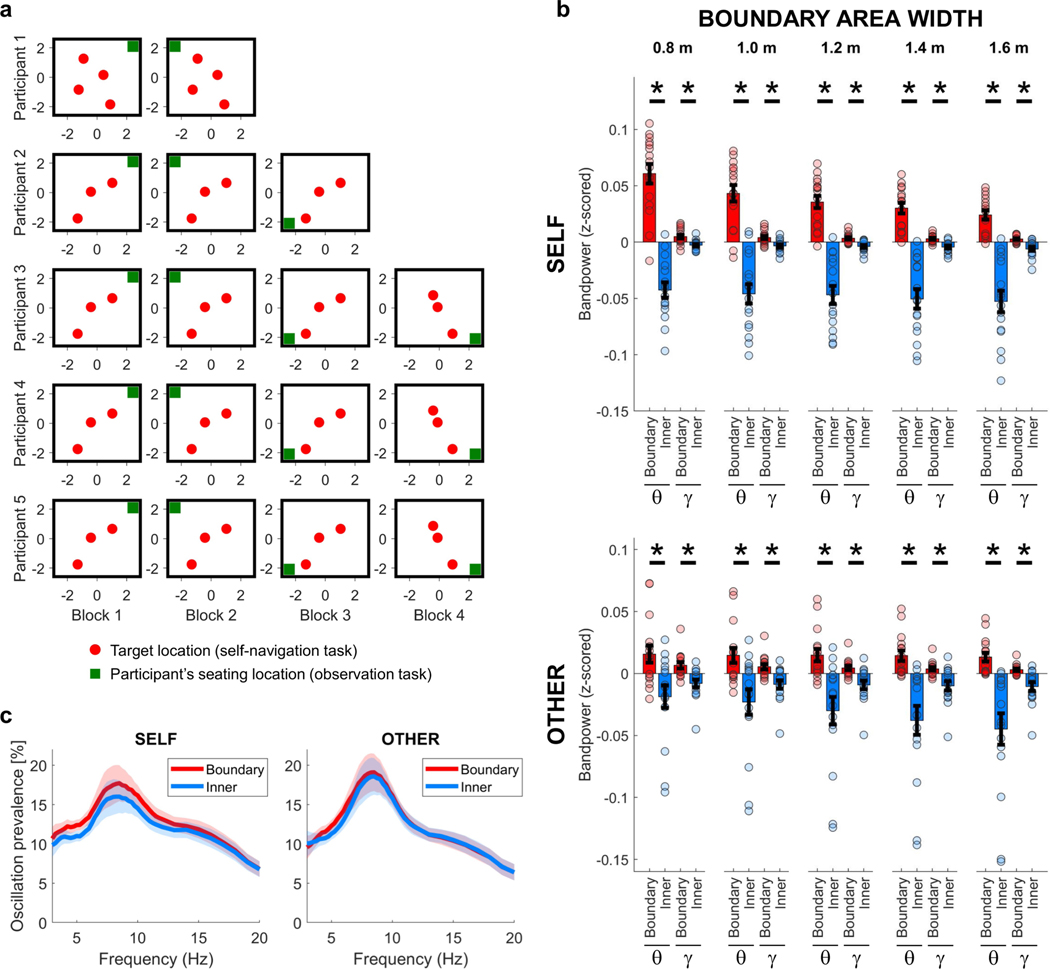
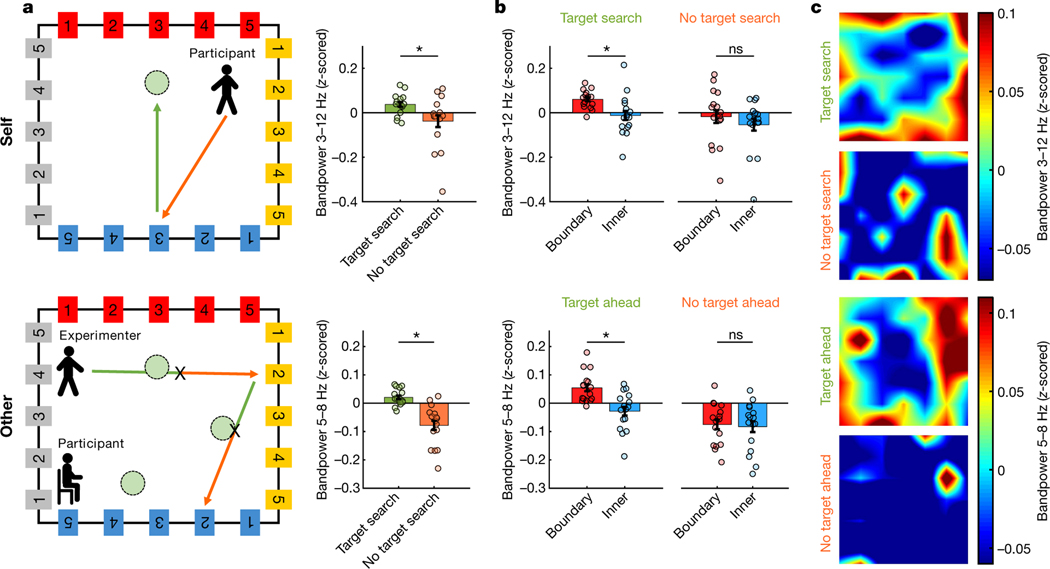
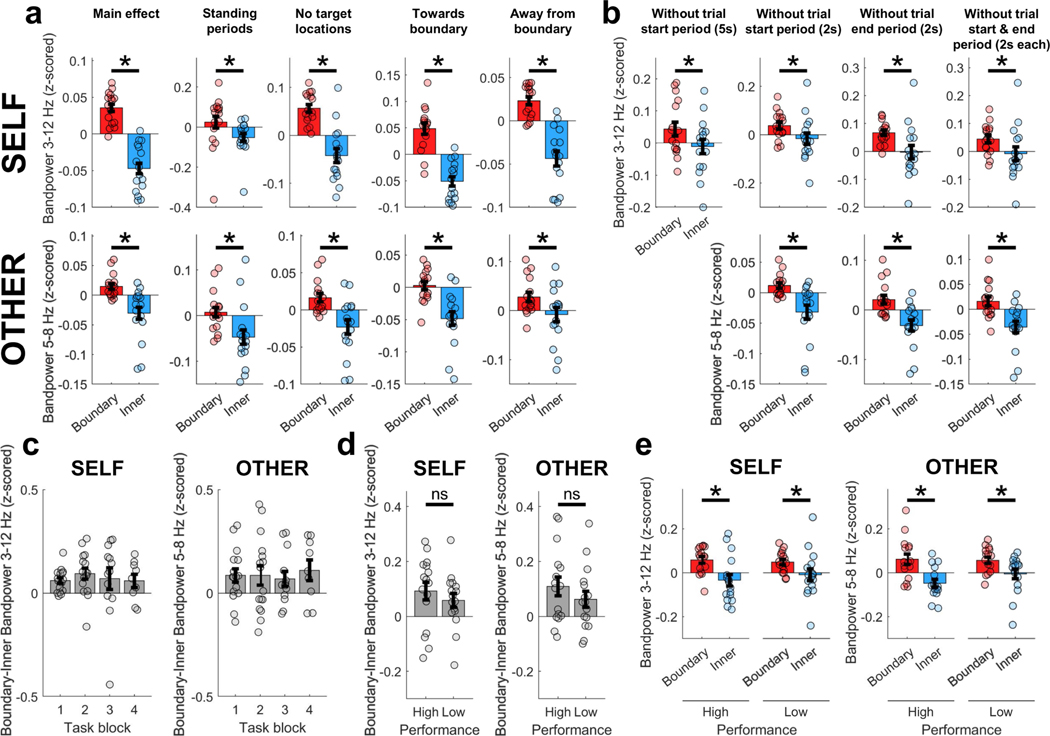
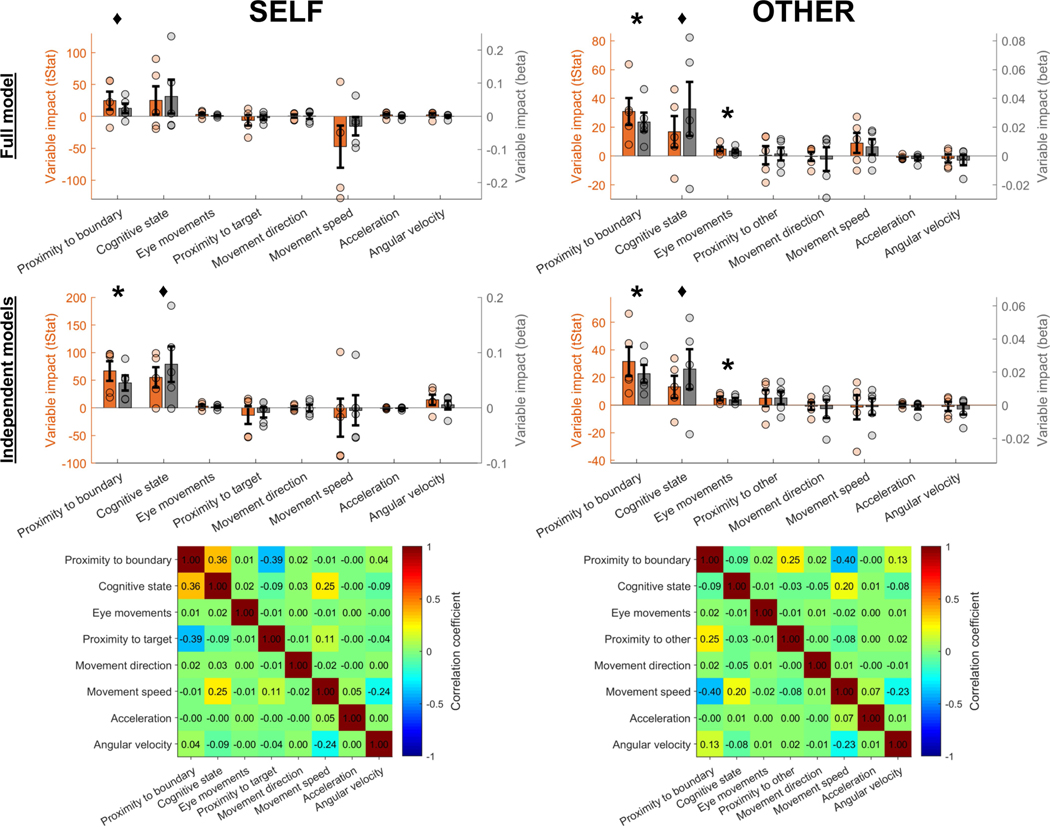
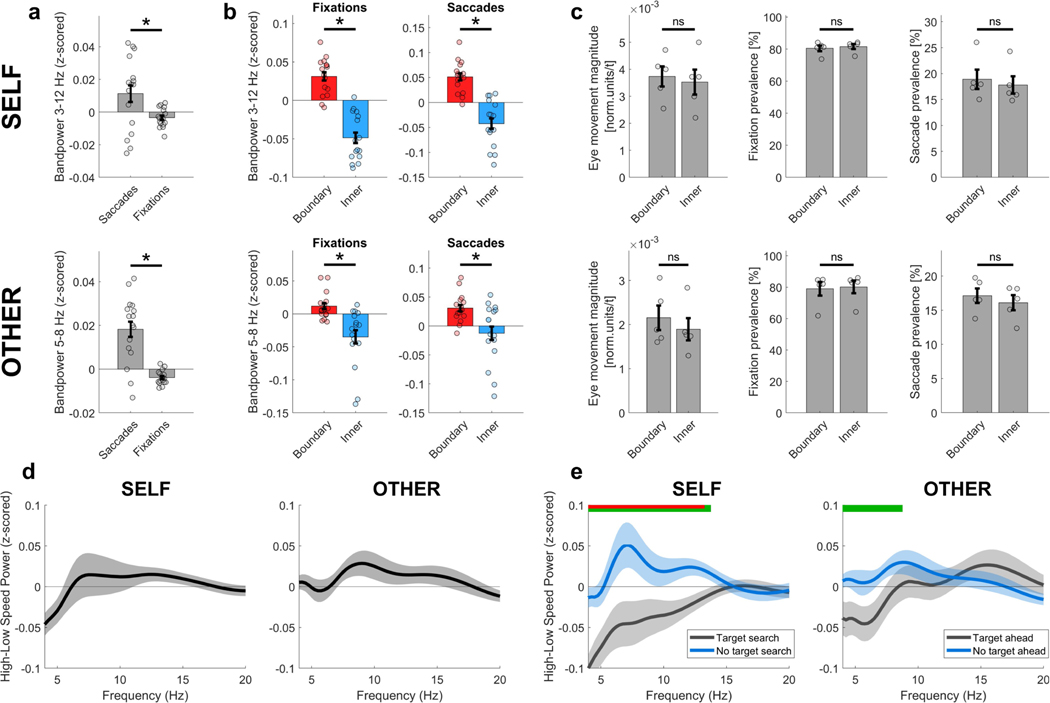
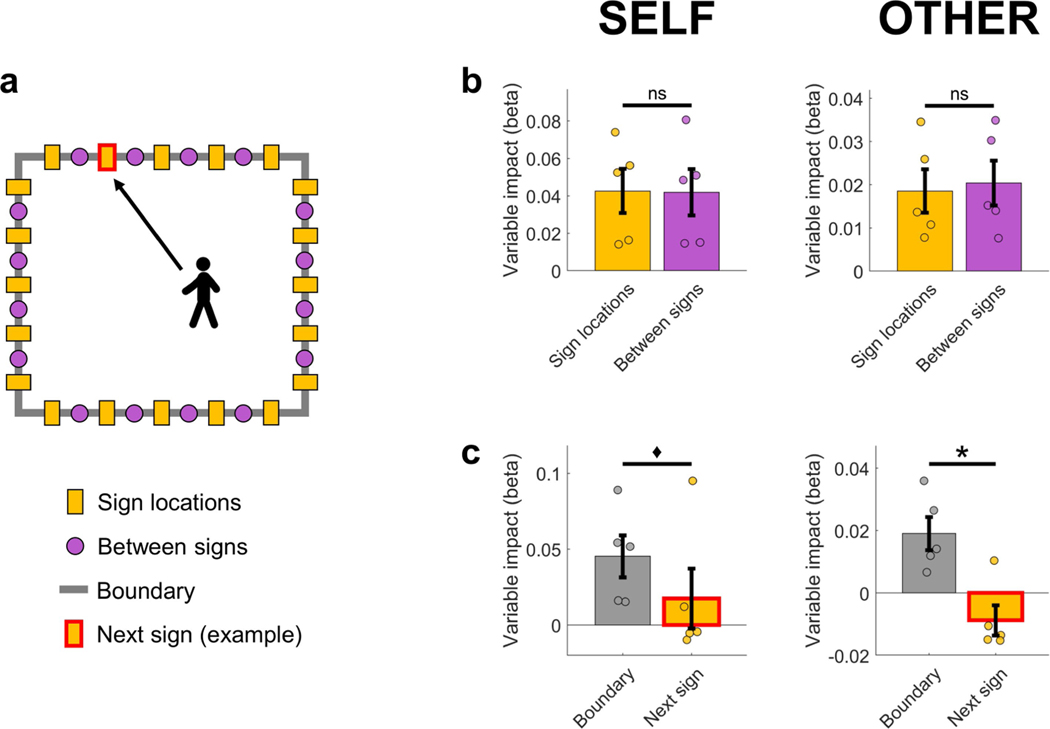
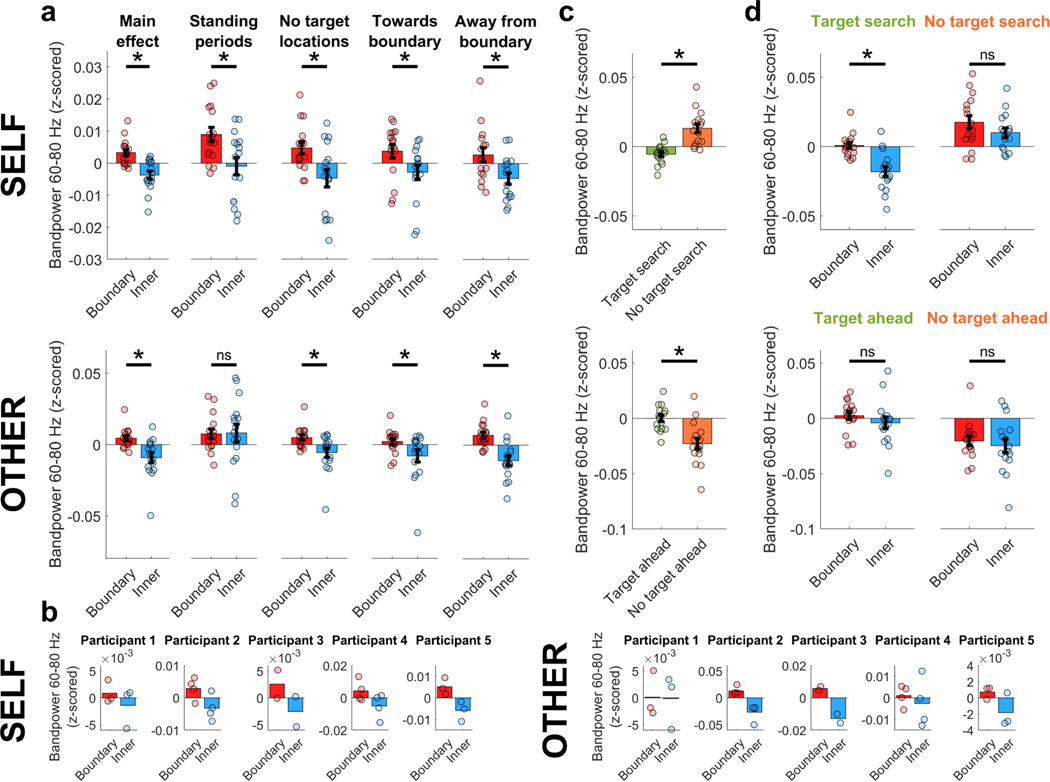
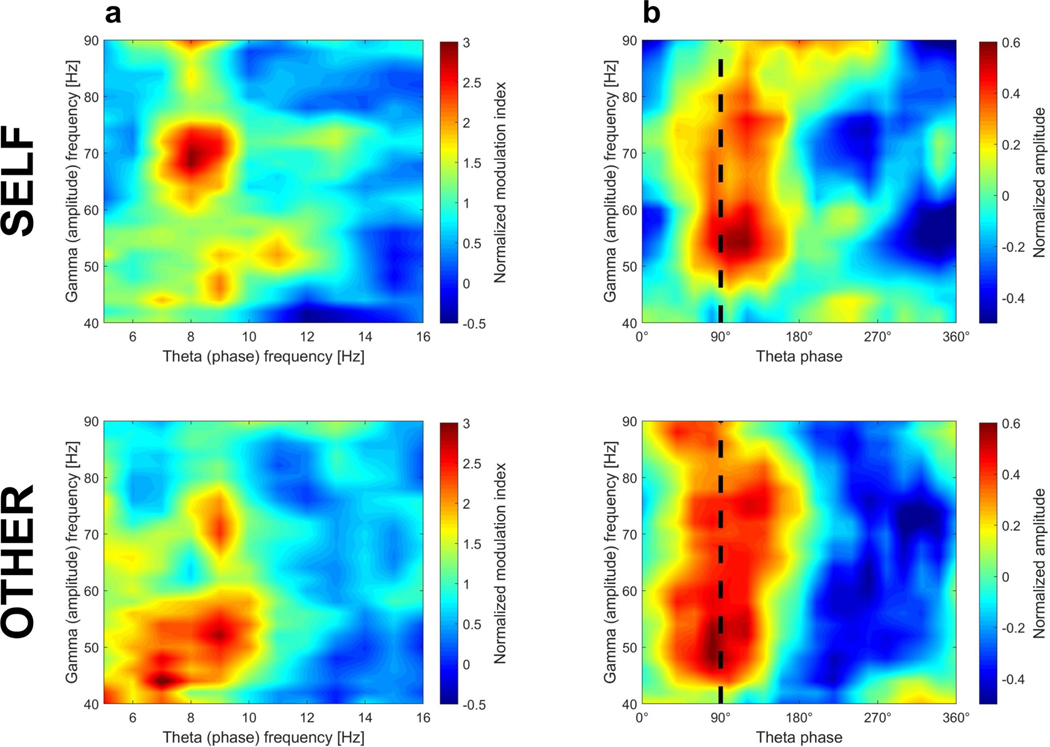
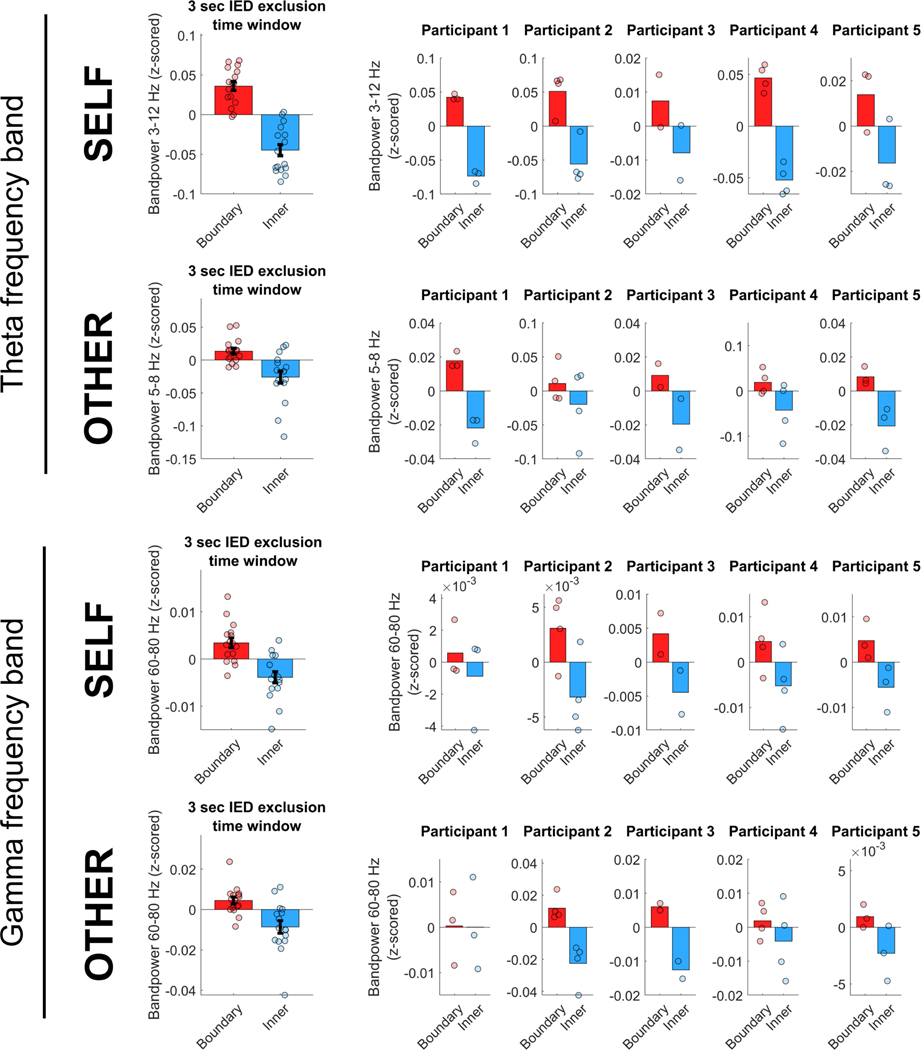
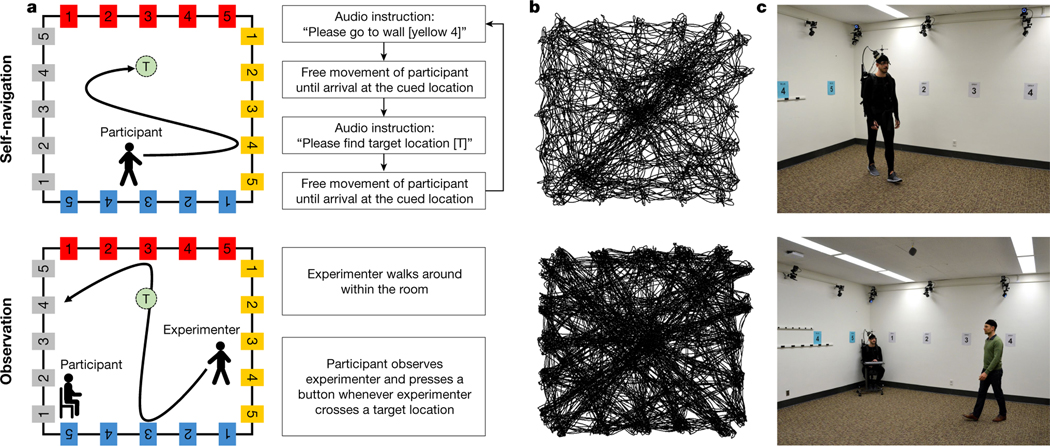
Everyday tasks in social settings require humans to encode neural representations of not only their own spatial location, but also the location of other individuals within an environment. At present, the vast majority of what is known about neural representations of space for self and others stems from research in rodents and other non-human animals. However, it is largely unknown how the human brain represents the location of others, and how aspects of human cognition may affect these location-encoding mechanisms. To address these questions, we examined individuals with chronically implanted electrodes while they carried out real-world spatial navigation and observation tasks. We report boundary-anchored neural representations in the medial temporal lobe that are modulated by one's own as well as another individual's spatial location. These representations depend on one's momentary cognitive state, and are strengthened when encoding of location is of higher behavioural relevance. Together, these results provide evidence for a common encoding mechanism in the human brain that represents the location of oneself and others in shared environments, and shed new light on the neural mechanisms that underlie spatial navigation and awareness of others in real-world scenarios.
日常生活中的社交活动需要人类对自身位置和环境中其他个体位置的神经表象进行编码。目前,人们对自我和他人空间神经表象的了解主要来源于对啮齿类动物和其他非人类动物的研究。然而,人类大脑如何表示他人的位置,以及人类认知的哪些方面可能会影响这些位置编码机制,这些问题在很大程度上仍然未知。为了解决这些问题,我们在个体进行真实世界的空间导航和观察任务时,对他们进行了有创脑电监测。我们报告了内侧颞叶中边界锚定的神经表象,这些表象由个体自身和另一个个体的空间位置来调节。这些表象取决于个体的即时认知状态,并且当位置编码与更高的行为相关性相关时会得到增强。总之,这些结果为人类大脑中存在一种共同的编码机制提供了证据,该机制用于表示共享环境中自身和他人的位置,并为基础现实场景中的空间导航和他人意识的神经机制提供了新的见解。