Stanford University School of Medicine, Division of Cardiovascular Medicine, Cardiovascular Institute, and Diabetes Research Center, Stanford, California, United States of America.
Department of Genetics and Genomic Sciences, Icahn School of Medicine at Mount Sinai, New York, New York, United States of America.
PLoS Comput Biol. 2020 Dec 23;16(12):e1008491. doi: 10.1371/journal.pcbi.1008491. eCollection 2020 Dec.
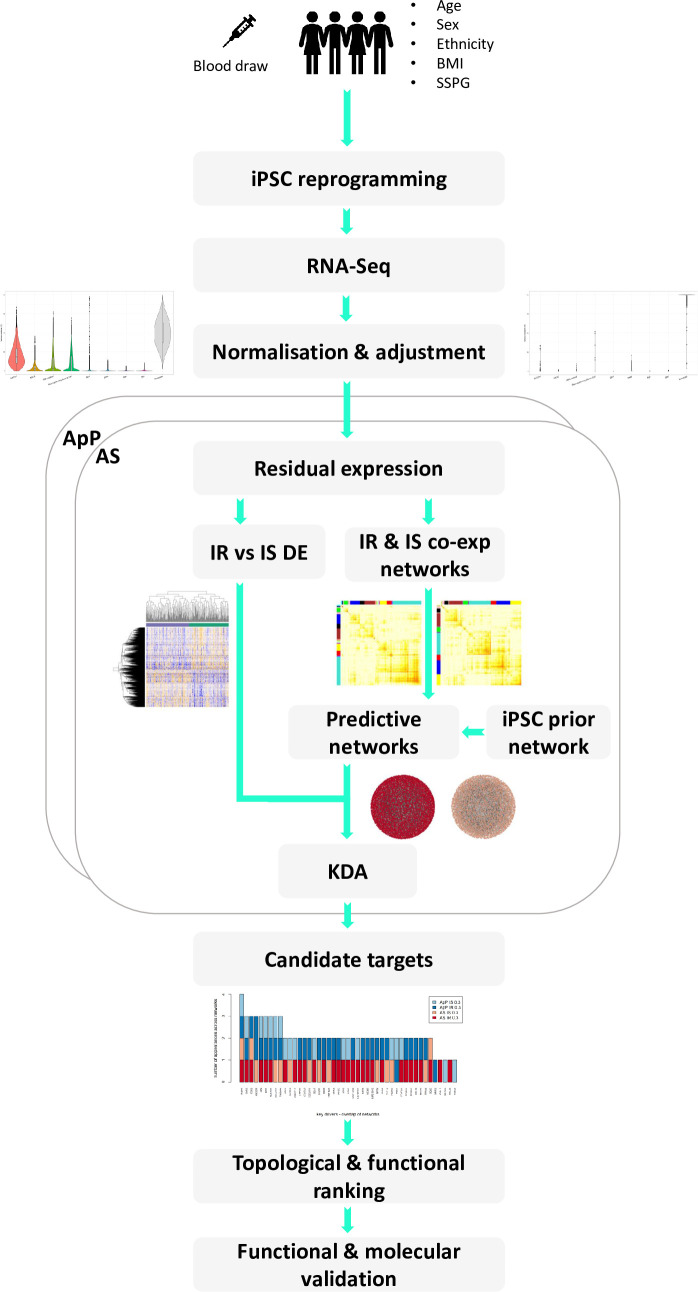
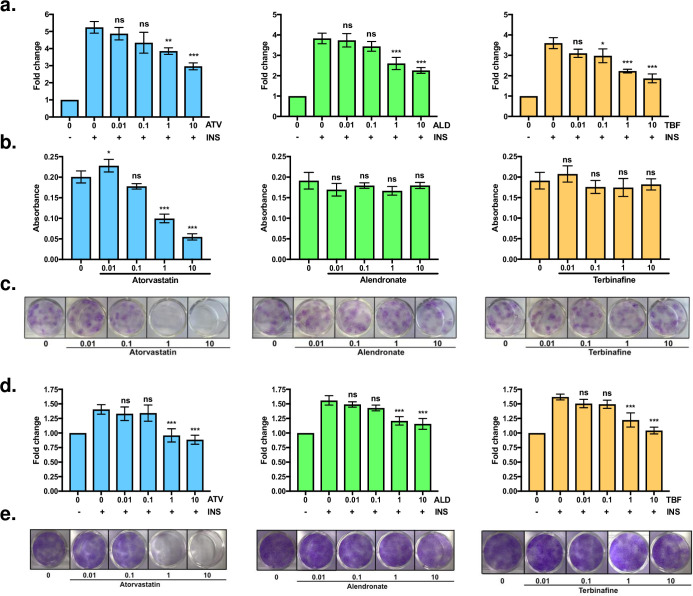
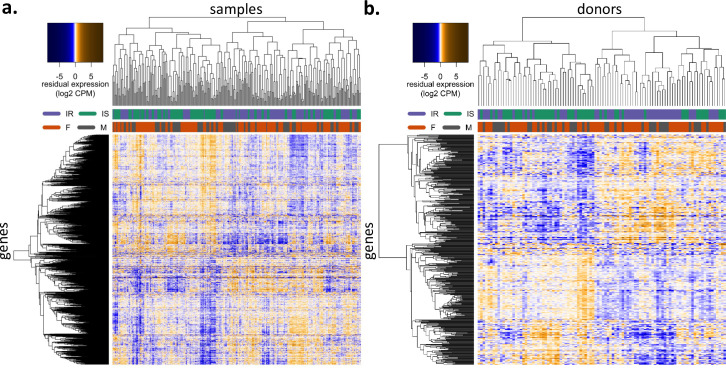
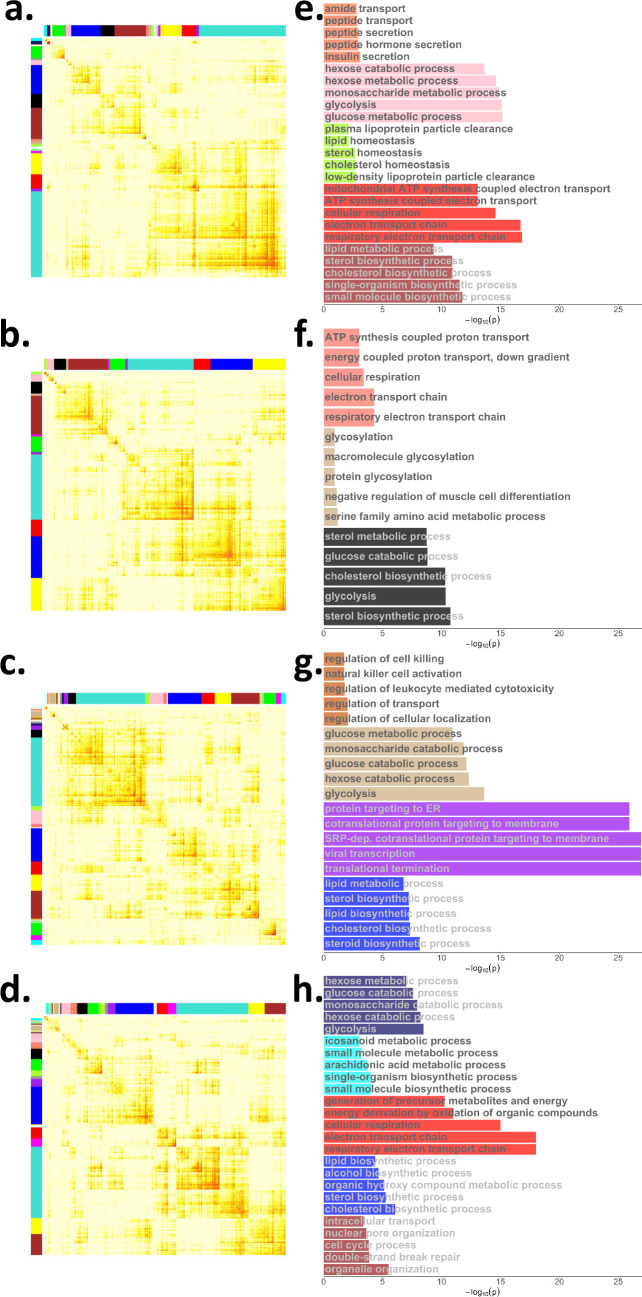
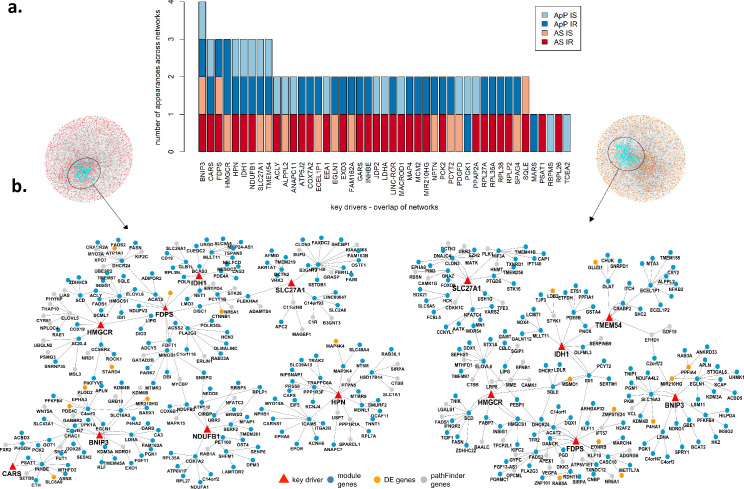
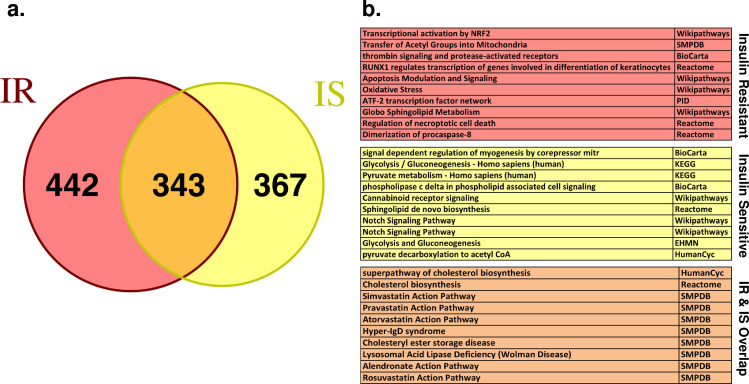
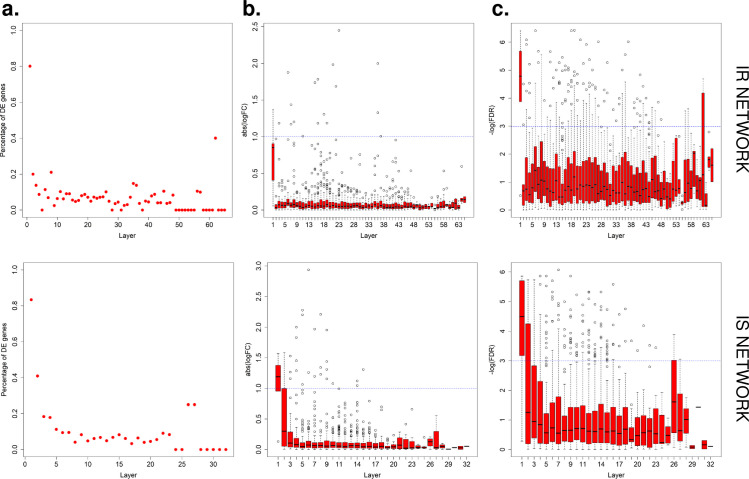
Insulin resistance (IR) precedes the development of type 2 diabetes (T2D) and increases cardiovascular disease risk. Although genome wide association studies (GWAS) have uncovered new loci associated with T2D, their contribution to explain the mechanisms leading to decreased insulin sensitivity has been very limited. Thus, new approaches are necessary to explore the genetic architecture of insulin resistance. To that end, we generated an iPSC library across the spectrum of insulin sensitivity in humans. RNA-seq based analysis of 310 induced pluripotent stem cell (iPSC) clones derived from 100 individuals allowed us to identify differentially expressed genes between insulin resistant and sensitive iPSC lines. Analysis of the co-expression architecture uncovered several insulin sensitivity-relevant gene sub-networks, and predictive network modeling identified a set of key driver genes that regulate these co-expression modules. Functional validation in human adipocytes and skeletal muscle cells (SKMCs) confirmed the relevance of the key driver candidate genes for insulin responsiveness.
胰岛素抵抗(IR)先于 2 型糖尿病(T2D)的发生,并增加心血管疾病风险。尽管全基因组关联研究(GWAS)已经发现了与 T2D 相关的新基因座,但它们对解释导致胰岛素敏感性降低的机制的贡献非常有限。因此,有必要探索胰岛素抵抗的遗传结构。为此,我们在人类中生成了一个跨越胰岛素敏感性范围的 iPSC 文库。对来自 100 个人的 310 个诱导多能干细胞(iPSC)克隆的基于 RNA-seq 的分析使我们能够鉴定出胰岛素抵抗和敏感的 iPSC 系之间差异表达的基因。对共表达结构的分析揭示了几个与胰岛素敏感性相关的基因亚网络,预测网络建模确定了一组调节这些共表达模块的关键驱动基因。在人类脂肪细胞和骨骼肌细胞(SKMC)中的功能验证证实了关键候选基因对胰岛素反应性的相关性。