Pharmaceutical Sciences Research Center, Shiraz University of Medical Sciences, Shiraz, Iran.
Department of Pharmacology and Toxicology, Faculty of Pharmacy, Shiraz University of Medical Sciences, Shiraz, Iran.
Int J Nanomedicine. 2020 Dec 14;15:10085-10098. doi: 10.2147/IJN.S271883. eCollection 2020.
Hepatic encephalopathy (HE) is a critical situation in which liver failure affects brain function. HE could result in a state of coma and death. The liver is the main organ for ammonium ion (NH ) metabolism. Hence, acute and/or chronic liver failure could lead to hyperammonemia. NH is the most suspected neurotoxic agent in HE. Thus, finding new therapeutic options to decrease plasma and brain NH levels has a significant clinical value. Mesoporous silica (MS) particles have revolutionized many aspects of pharmaceutical sciences, including drug delivery systems. Moreover, recently, MS has been applied as agents for the detoxification of chemicals (eg, drugs and poisons).
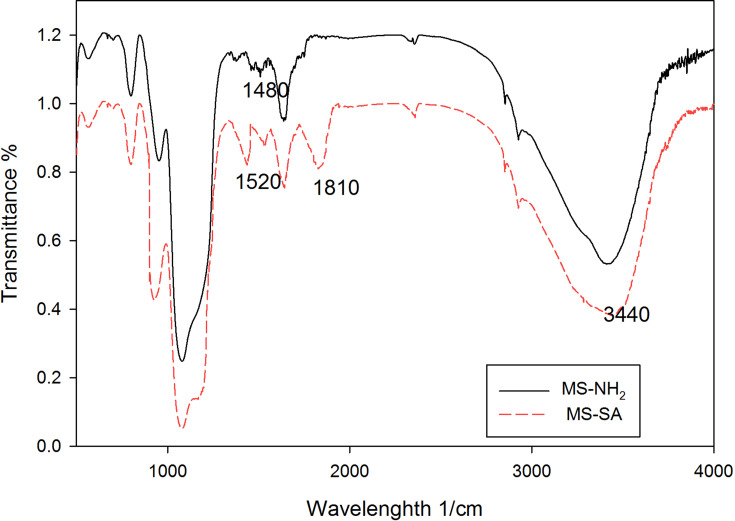
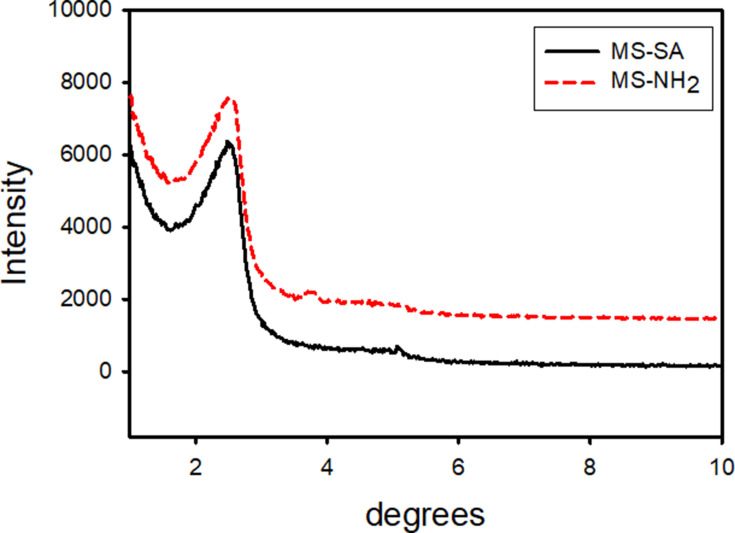
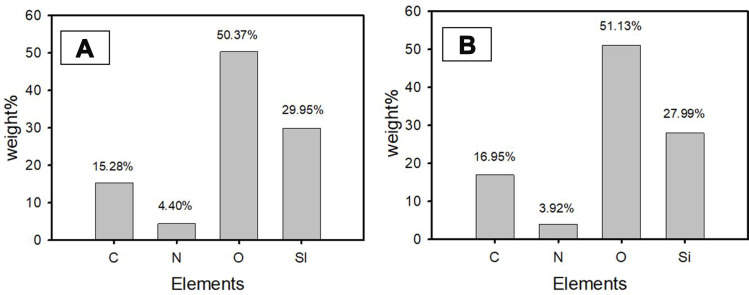
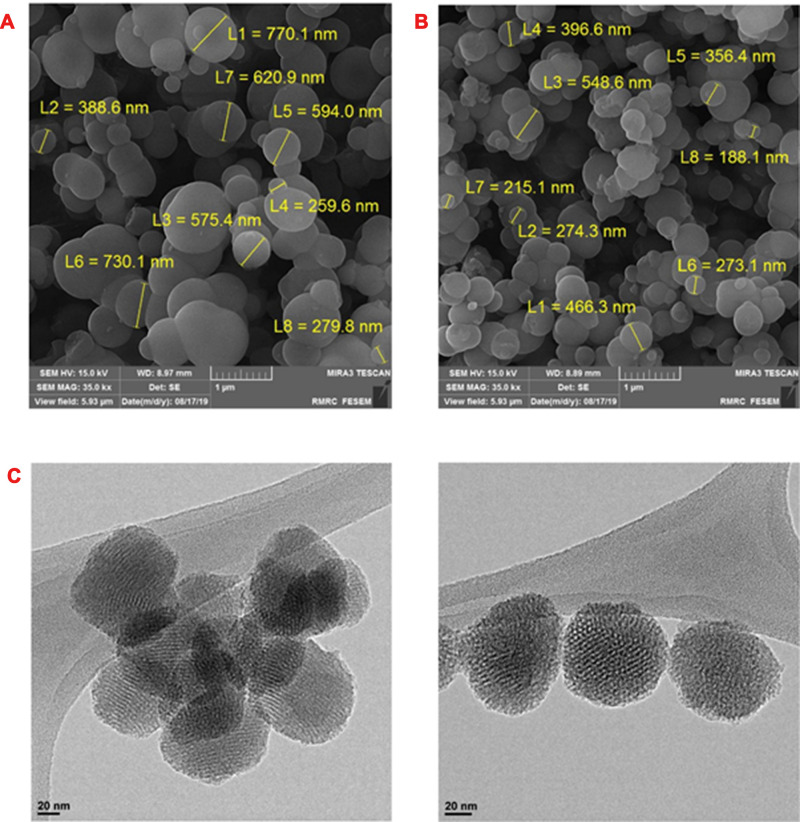
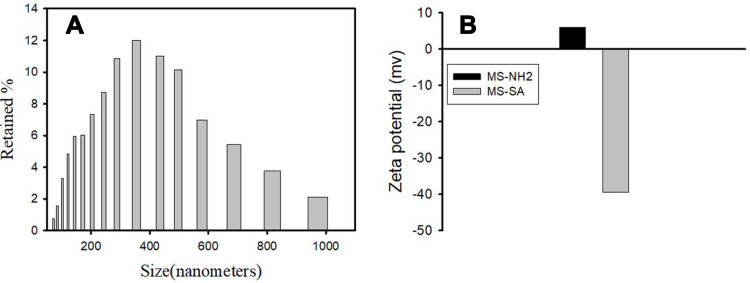
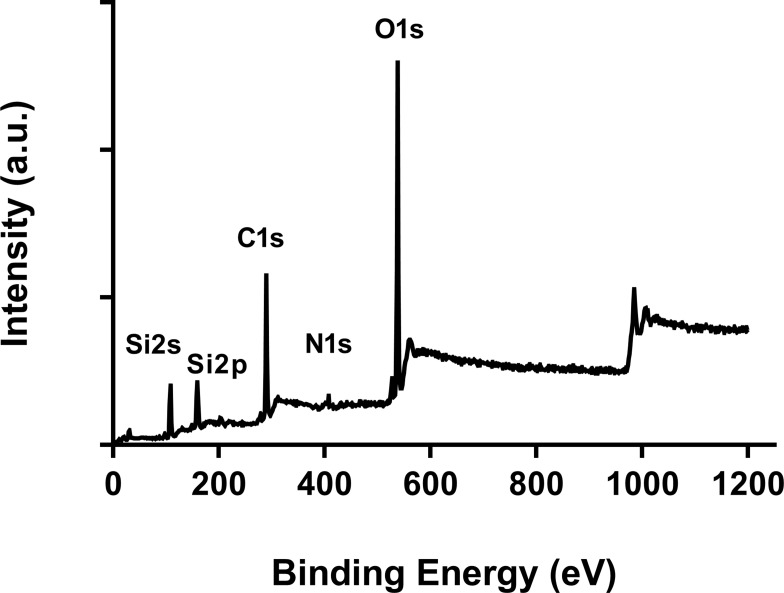
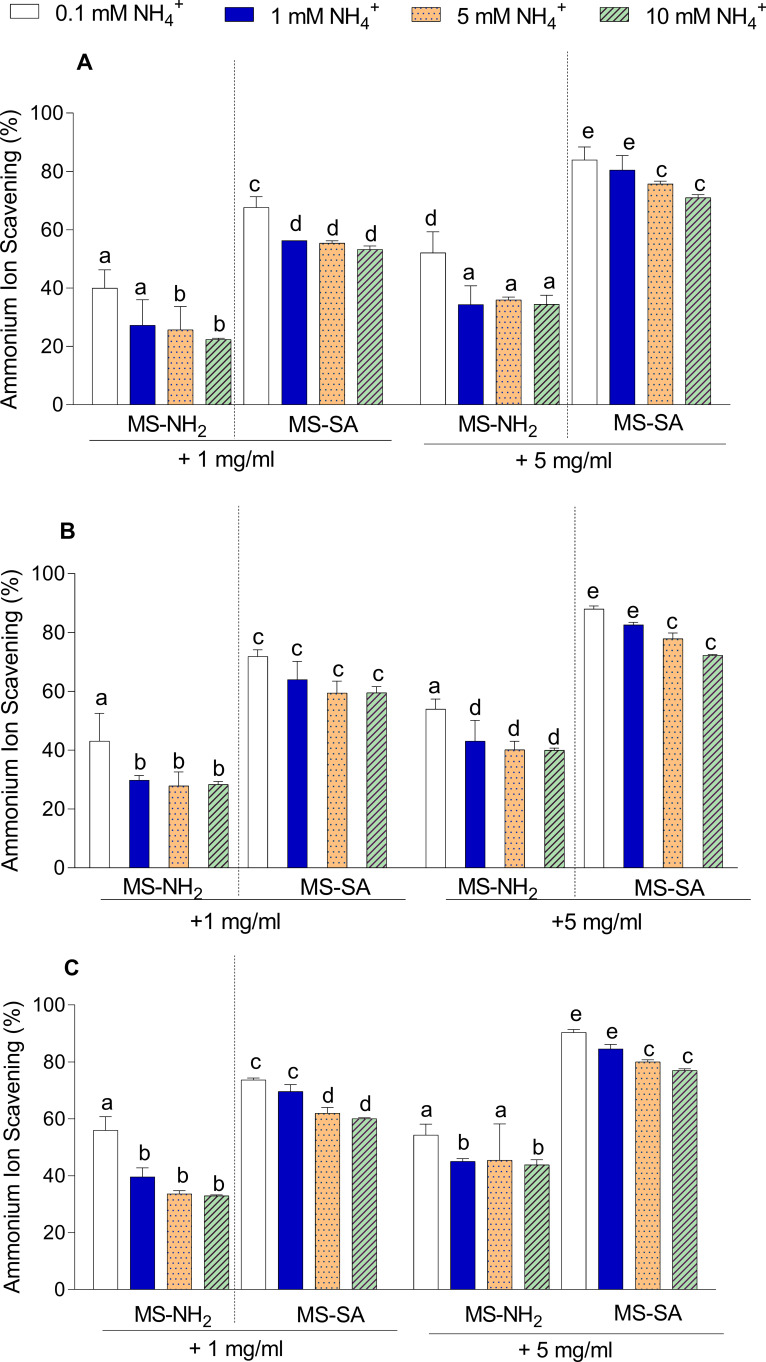
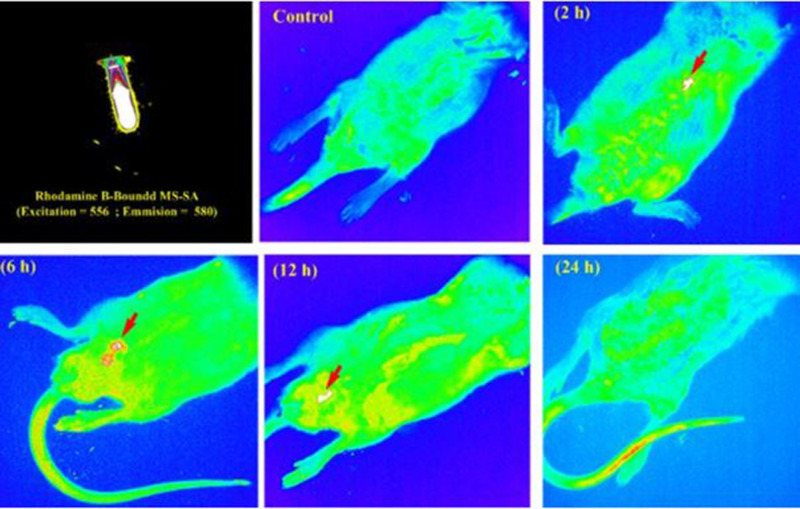
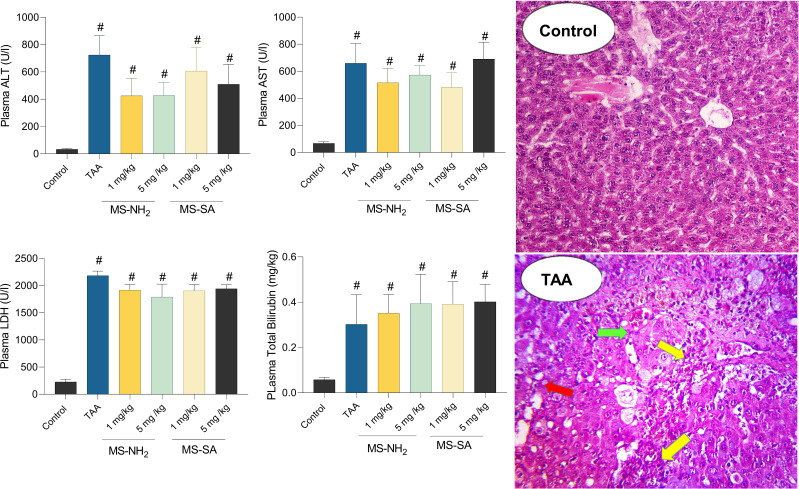
First, MS particles containing amine groups (MS-NH) were synthesized in co-condensation processes. Then, the structure was modified by succinic anhydride to have MS-SA. The MS-SA was characterized (FT-IR, XRD, X-ray photoelectron spectroscopy (XPS), DLS-Zeta FESEM-EDX, and HRTEM). Then, the potential of MS-NH and MS-SA particles in adsorption of NH was investigated in vitro and in vivo. MS-NH and MS-SA were incubated with increasing concentrations (0.1-10 mM) of NH , and the scavenging capacity of the investigated particles was evaluated. On the other hand, different doses (1 and 5 mg/kg per day) of nanoparticles were administered to a hyperammonemia animal model.
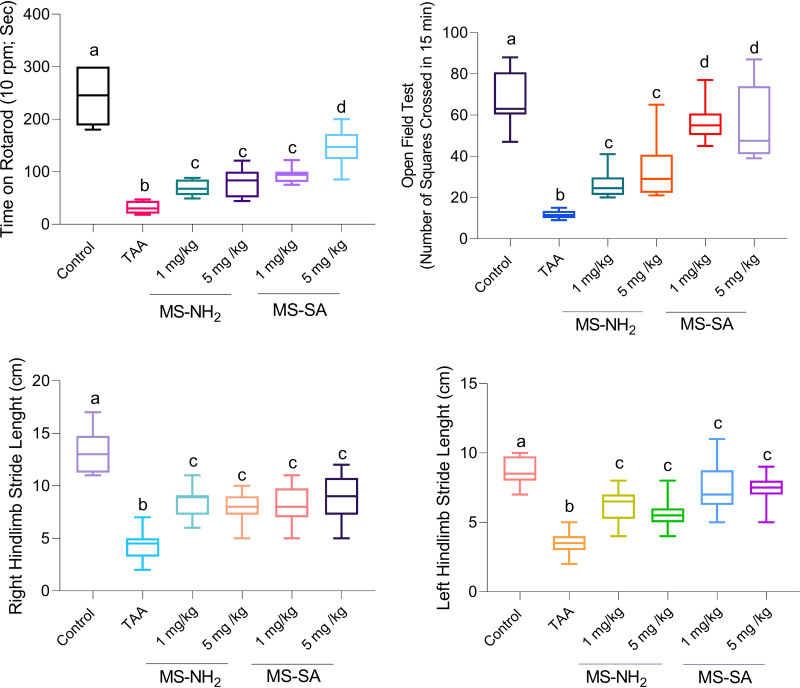
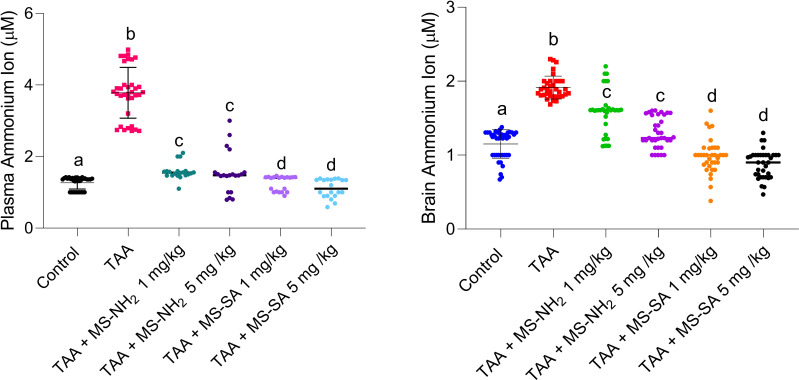
It was figured out that both MS-NH and MS-SA significantly scavenged NH in the in vitro model. However, the NH scavenging capability of MS-SA was more significant. Administration of MS-NH and MS-SA also considerably decreased the level of ammonium in plasma and brain and improved cognitive and locomotor activity in hyperammonemic animals. The effects of MS-SA were more significant than MS-NH in the HE animal model.
Collectively, our data suggest that MS particles, especially succinic acid-functionalized MS, could act as special ancillary treatment in HE as a critical clinical complication.
肝性脑病(HE)是一种严重的情况,肝脏衰竭会影响大脑功能。HE 可能导致昏迷和死亡。肝脏是氨(NH )代谢的主要器官。因此,急性和/或慢性肝功能衰竭可导致血氨升高。NH 是 HE 中最可疑的神经毒性物质。因此,寻找降低血浆和脑 NH 水平的新治疗方法具有重要的临床价值。介孔硅(MS)颗粒彻底改变了药物科学的许多方面,包括药物传递系统。此外,最近,MS 已被用作化学物质(例如,药物和毒物)解毒剂。
首先,通过共缩合过程合成了含有胺基的 MS 颗粒(MS-NH)。然后,通过琥珀酸酐对其结构进行修饰,得到 MS-SA。对 MS-SA 进行了表征(FT-IR、XRD、X 射线光电子能谱(XPS)、DLS-Zeta FESEM-EDX 和 HRTEM)。然后,研究了 MS-NH 和 MS-SA 颗粒在体外和体内吸附 NH 的潜力。将 MS-NH 和 MS-SA 与浓度逐渐增加(0.1-10mM)的 NH 一起孵育,评估了研究颗粒的清除能力。另一方面,每天给高氨血症动物模型施用不同剂量(1 和 5mg/kg)的纳米颗粒。
结果表明,MS-NH 和 MS-SA 均能在体外模型中显著清除 NH 。然而,MS-SA 的 NH 清除能力更为显著。MS-NH 和 MS-SA 的给药也显著降低了高氨血症动物模型中血浆和大脑中的铵水平,并改善了其认知和运动活动。在 HE 动物模型中,MS-SA 的效果比 MS-NH 更显著。
总之,我们的数据表明,MS 颗粒,特别是琥珀酸功能化的 MS,可作为 HE 的特殊辅助治疗,作为一种严重的临床并发症。