Campolo Michela, Lanza Marika, Casili Giovanna, Paterniti Irene, Filippone Alessia, Caffo Maria, Cardali Salvatore M, Puliafito Ivana, Colarossi Cristina, Raciti Gabriele, Cuzzocrea Salvatore, Esposito Emanuela
Department of Chemical, Biological, Pharmaceutical and Environmental Sciences, University of Messina, 98122 Messina, Italy.
Department of Biomedical and Dental Sciences and Morpho-Functional Imaging, Unit of Neurosurgery, University of Messina, 98122 Messina, Italy.
Cancers (Basel). 2020 Dec 25;13(1):41. doi: 10.3390/cancers13010041.
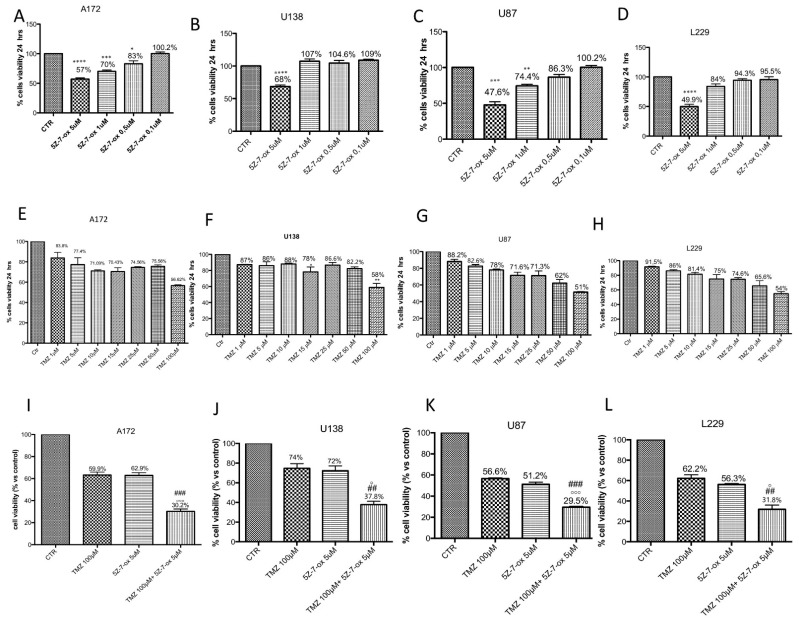
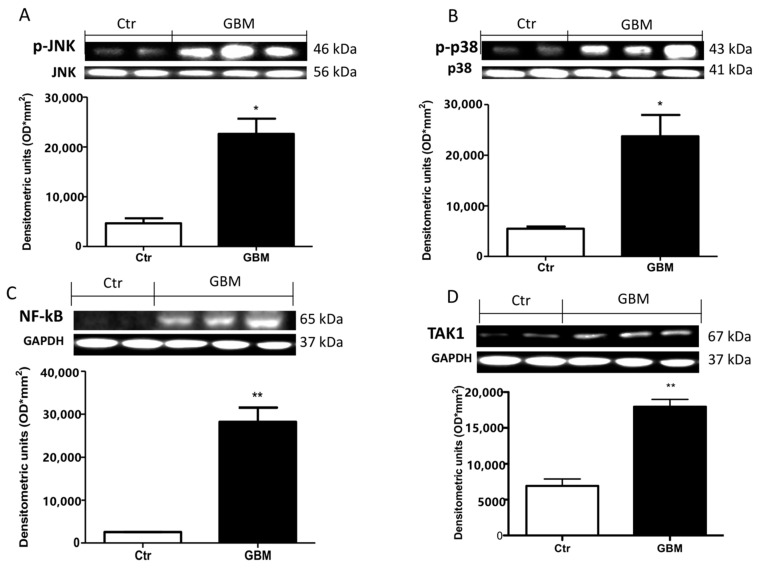
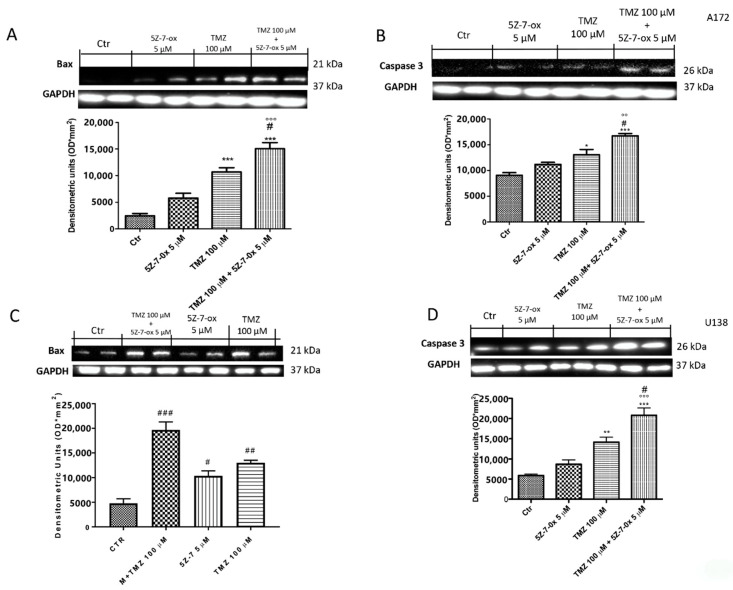
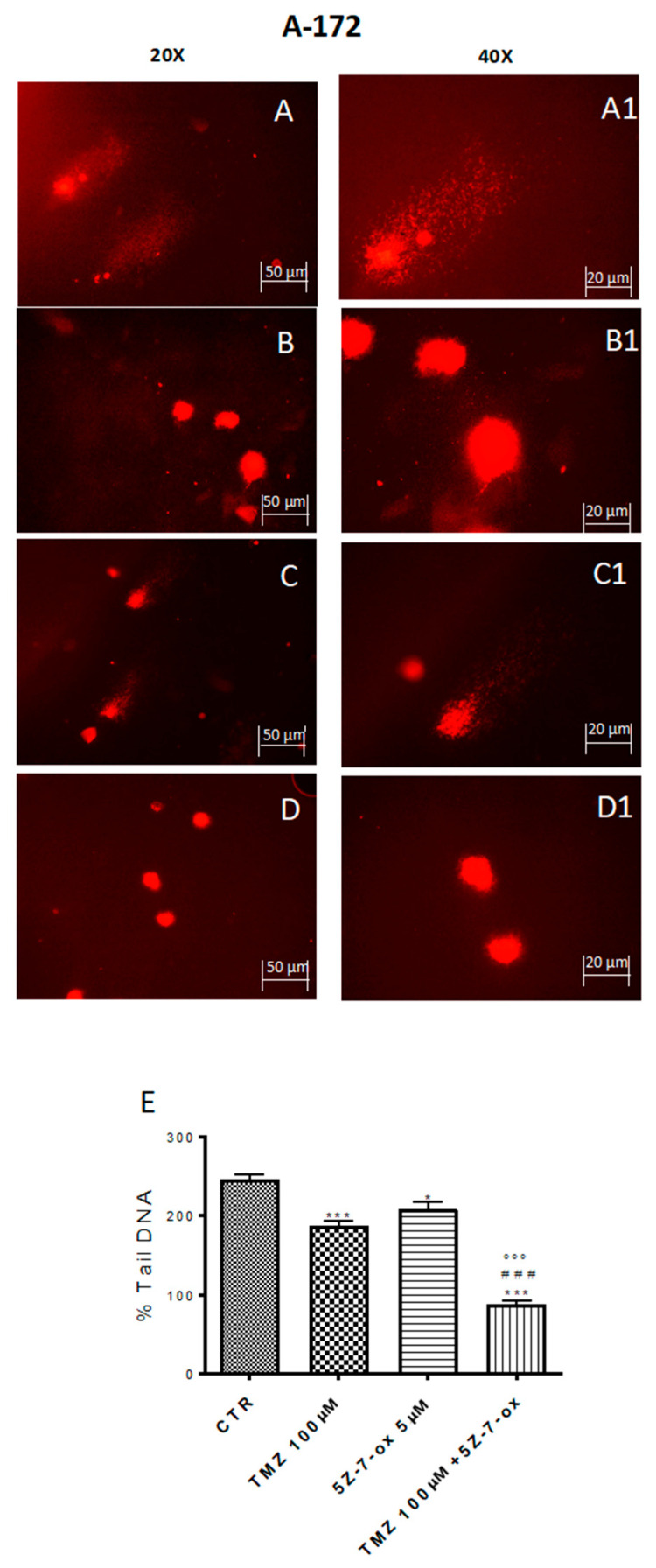
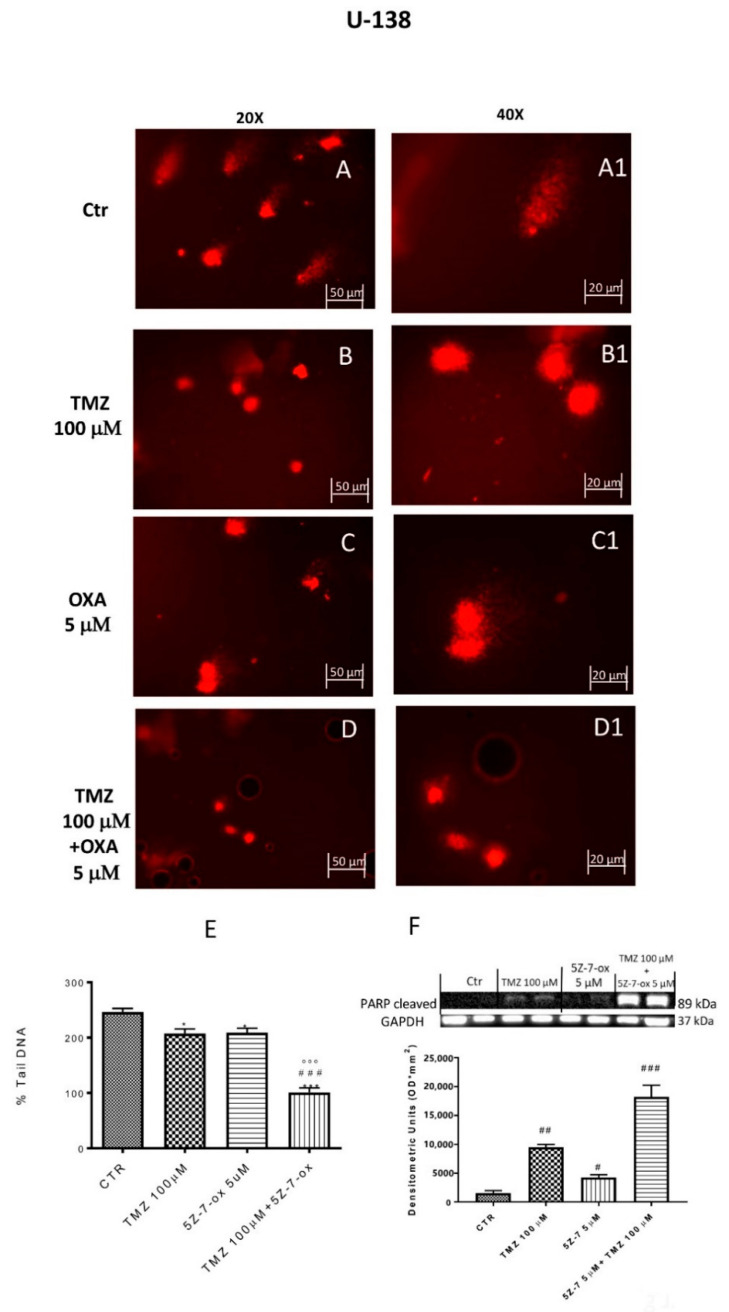
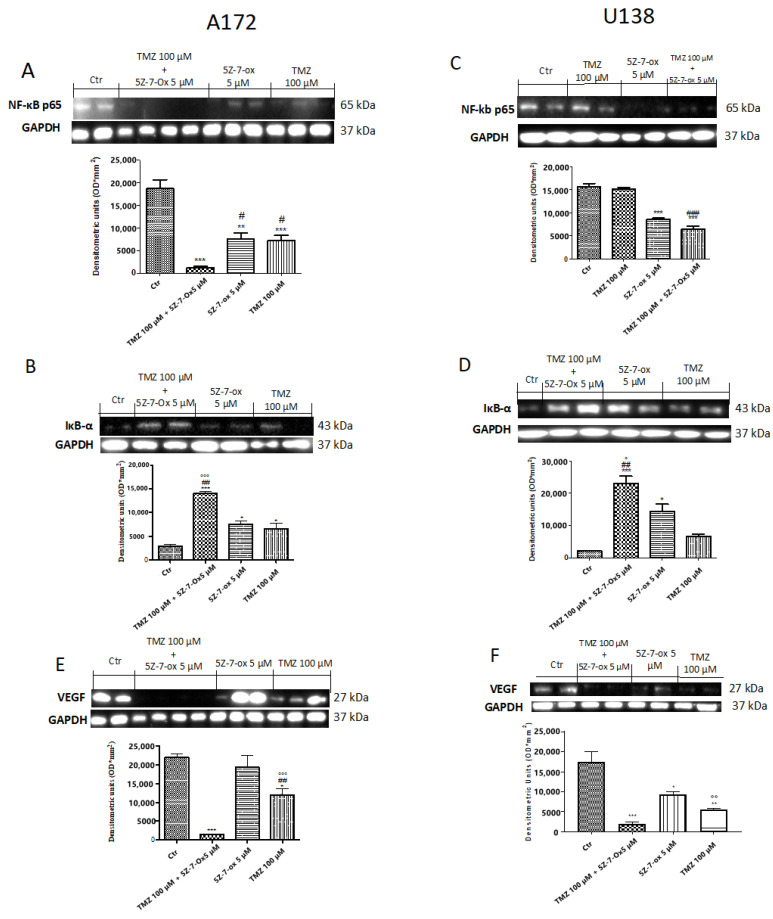
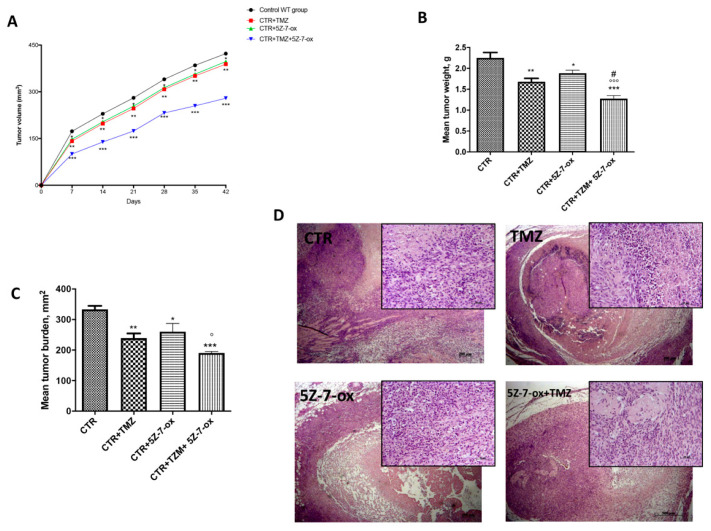
Glioblastoma (GBM) is a brain tumor characterized by poor therapeutic response and overall survival. Despite relevant progress in conventional treatments represented by the clinical use of temozolomide (TMZ), a combination of approaches might be a possible future direction for treating GBM. Transforming growth factor-beta-activated kinase-1 (TAK1) is an essential component in genotoxic stresses-induced NF-κB-activation and mitogen-activated protein kinase (MAPK)-pathways; however, the role of TAK1 in GBM-chemoresistance remains unknown. This study aimed to verify, in GBM human cell lines, in an in vivo U87-xenograft model and in TMZ-treated-patients, the effect of TAK1 inhibition on the sensitivity of GBM cells to chemotherapy. In vitro model, using GBM cell lines, showed that 5Z-7-oxozeaenol augmented the cytotoxic effects of TMZ, blocking TMZ-induced NF-κB-activation, reducing DNA-damage and enhancing TMZ-induced apoptosis in GMB cell lines. We showed a reduction in tumor burden as well as tumor volume in the xenograft model following the treatment with 5Z-7-oxozaenol associated with TMZ. Our results showed a significant up-regulation in TAK1, p-p38, p-JNK and NF-κB in glioblastoma TMZ-treated-patients and denoted the role of 5Z-7-oxozeaenol in increasing the sensitivity of GBM cells to chemotherapy, proving to be an effective coadjuvant to current GBM chemotherapeutic regimens, suggesting a new option for therapeutic treatment of GBM.
胶质母细胞瘤(GBM)是一种脑肿瘤,其特点是治疗反应不佳和总体生存率低。尽管以替莫唑胺(TMZ)临床应用为代表的传统治疗取得了相关进展,但联合治疗方法可能是未来治疗GBM的一个方向。转化生长因子-β激活激酶-1(TAK1)是基因毒性应激诱导的核因子-κB(NF-κB)激活和丝裂原活化蛋白激酶(MAPK)通路中的一个重要组成部分;然而,TAK1在GBM化疗耐药中的作用仍不清楚。本研究旨在在GBM人细胞系、体内U87异种移植模型和TMZ治疗的患者中验证TAK1抑制对GBM细胞化疗敏感性的影响。体外模型使用GBM细胞系显示,5Z-7-氧代zeaenol增强了TMZ的细胞毒性作用,阻断了TMZ诱导的NF-κB激活,减少了DNA损伤,并增强了TMZ诱导的GMB细胞系凋亡。我们发现,在与TMZ联合使用5Z-7-氧代zeaenol治疗后,异种移植模型中的肿瘤负担和肿瘤体积均有所减少。我们的结果显示,在接受TMZ治疗的胶质母细胞瘤患者中,TAK1、磷酸化p38、磷酸化JNK和NF-κB显著上调,并表明5Z-7-氧代zeaenol在增加GBM细胞对化疗的敏感性方面的作用,被证明是当前GBM化疗方案的一种有效辅助药物,为GBM的治疗提供了一种新的选择。