Shanghai Geriatric Institute of Chinese Medicine, Shanghai University of Traditional Chinese Medicine, Shanghai 200031, People's Republic of China.
Int J Biol Sci. 2021 Jan 1;17(1):151-162. doi: 10.7150/ijbs.53126. eCollection 2021.
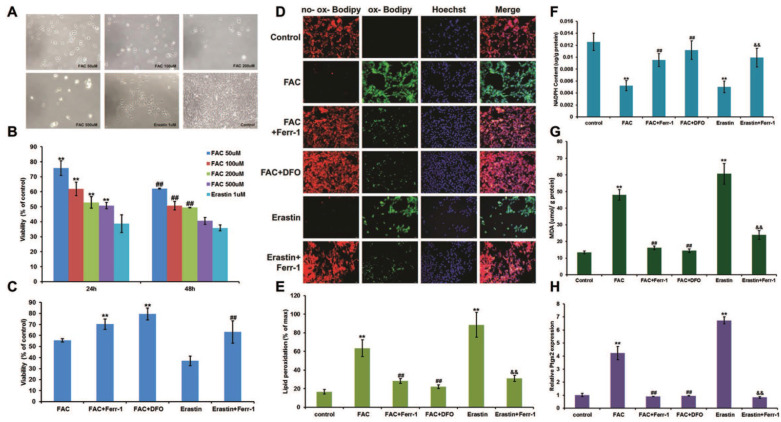
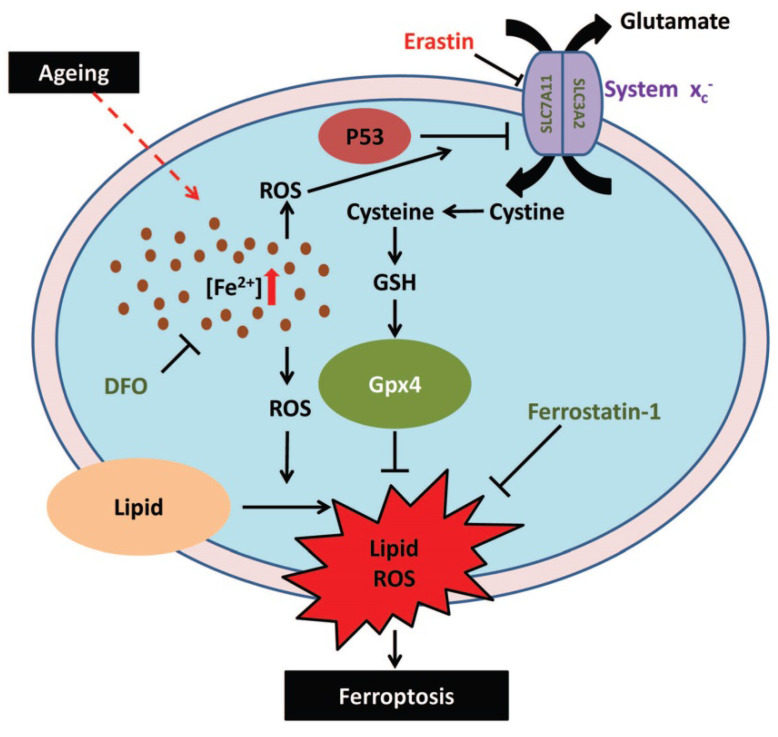
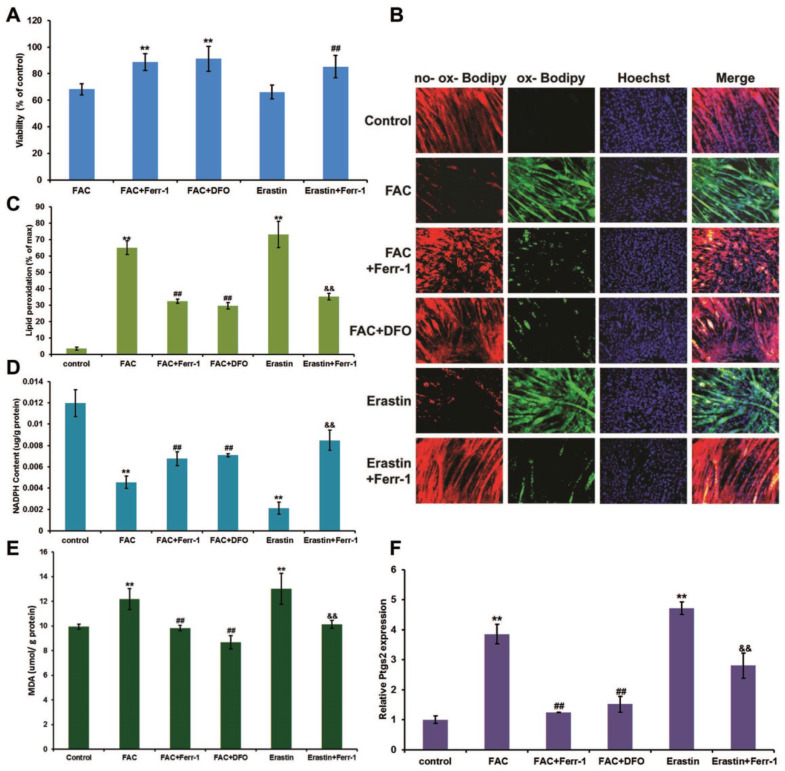
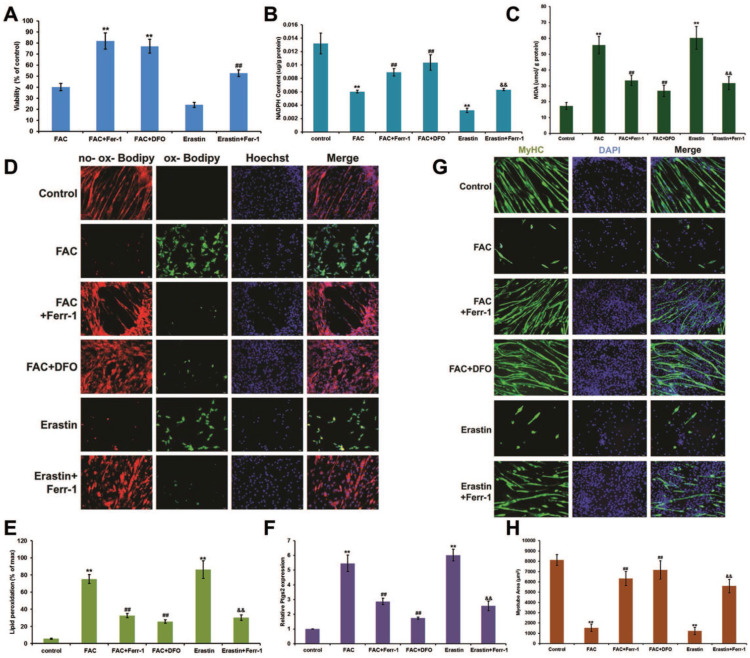
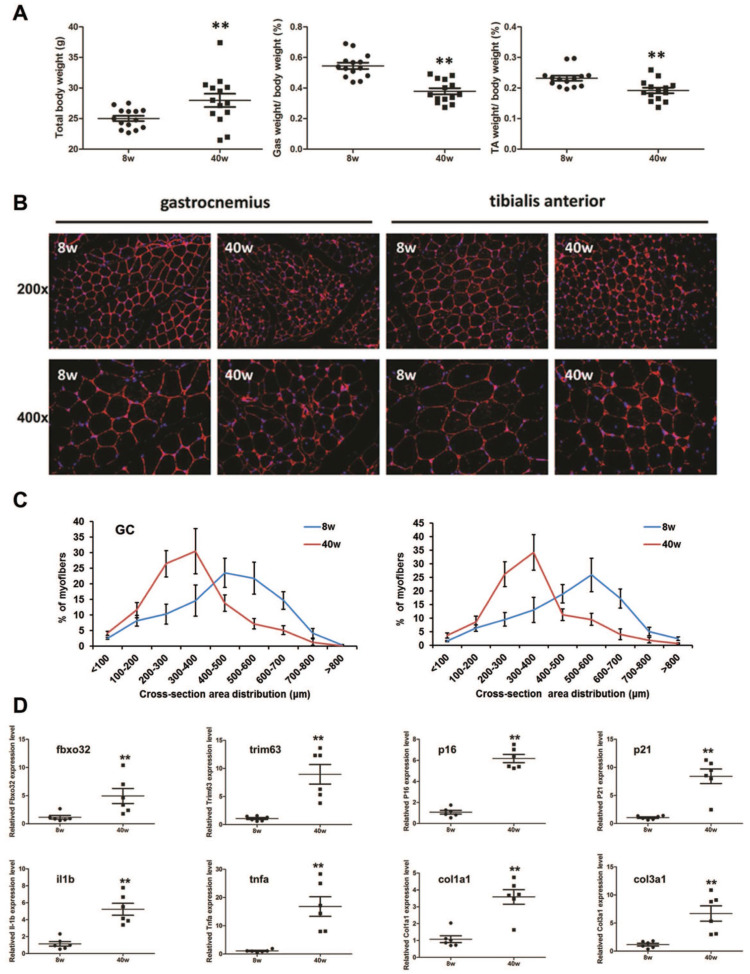
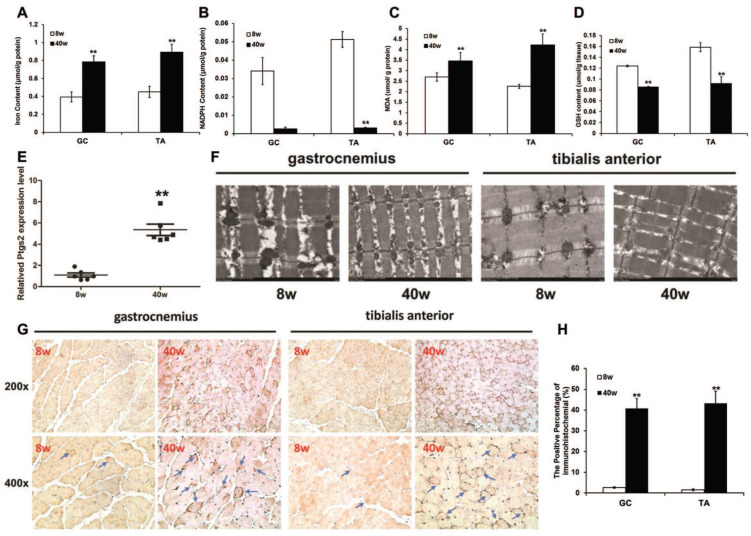
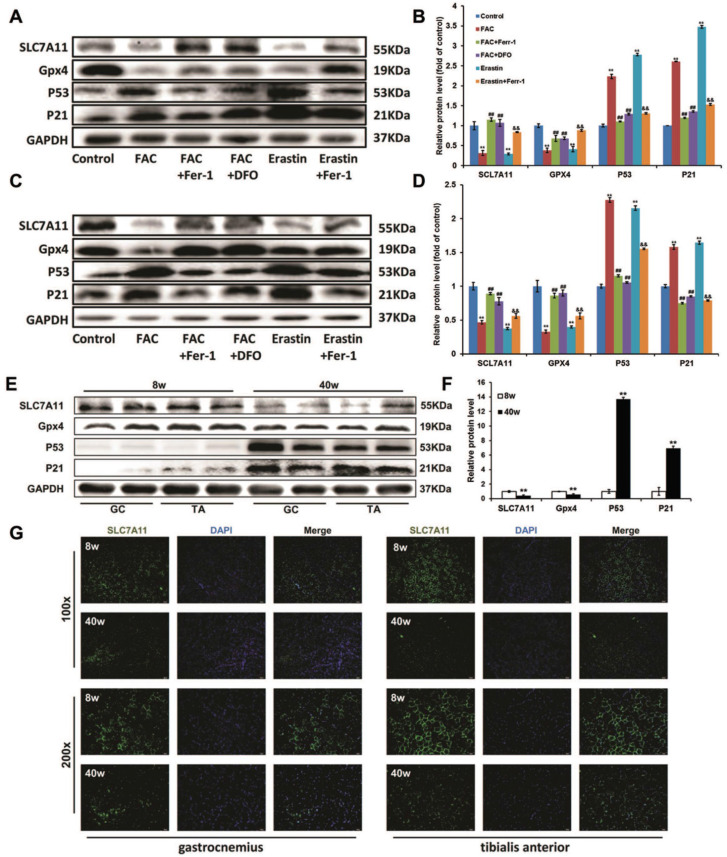
As a systemic syndrome characterized by age-associated degenerative skeletal muscle atrophy, sarcopenia leads to a risk of adverse outcomes in the elderly. Age-related iron accumulation is found in the muscles of sarcopenia animal models and patients, but the role of iron in sarcopenia remains poorly understood. It has been recently found that iron overload in several diseases is involved in ferroptosis, an iron- dependent form of programmed cell death. However, whether this excess iron can result in ferroptosis in muscles is still unclear. In our present study, we found that ferric citrate induced ferroptosis in C2C12 cells, as well as impaired their differentiation from myoblasts to myotubes. Due to the decreased muscle mass and fiber size, 40-week-old senescence accelerated mouse prone 8 (SAMP8) mice were used as a sarcopenia model, in whose muscles the iron content and markers of ferroptosis were found to increase, compared to 8-week- old SAMP8 controls. Moreover, our results showed that iron overload upregulated the expression of P53, which subsequently repressed the protein level of Slc7a11 (solute carrier family 7, member 11), a known ferroptosis-related gene. The downregulation of Slc7a11 then induced the ferroptosis of muscle cells through the accumulation of lipid peroxidation products, which may be one of the causes of sarcopenia. The findings in this study indicate that iron plays a key role in triggering P53- Slc7a11-mediated ferroptosis in muscles, and suggest that targeting iron accumulation and ferroptosis might be a therapeutic strategy for treating sarcopenia.
作为一种以年龄相关的退行性骨骼肌萎缩为特征的系统性综合征,肌少症导致老年人发生不良后果的风险增加。在肌少症动物模型和患者的肌肉中发现与年龄相关的铁积累,但铁在肌少症中的作用仍知之甚少。最近发现,几种疾病中的铁过载与铁依赖性程序性细胞死亡形式的铁死亡有关。然而,这种过量的铁是否会导致肌肉发生铁死亡仍不清楚。在本研究中,我们发现柠檬酸铁可以诱导 C2C12 细胞发生铁死亡,并损害其从成肌细胞分化为肌管。由于肌肉质量和纤维大小减少,我们使用 40 周龄快速老化小鼠品系 8(SAMP8)作为肌少症模型,与 8 周龄的 SAMP8 对照相比,其肌肉中的铁含量和铁死亡标志物增加。此外,我们的结果表明,铁过载上调了 P53 的表达,进而抑制了 Slc7a11(溶质载体家族 7,成员 11)的蛋白水平,Slc7a11 是一种已知与铁死亡相关的基因。Slc7a11 的下调通过脂质过氧化产物的积累诱导肌肉细胞发生铁死亡,这可能是肌少症的原因之一。本研究的结果表明,铁在触发 P53-Slc7a11 介导的肌肉铁死亡中起关键作用,并提示靶向铁积累和铁死亡可能是治疗肌少症的一种治疗策略。