European Molecular Biology Laboratory, Heidelberg, Germany.
Institute of Molecular Systems Biology, ETH Zurich, Zurich, Switzerland.
Nat Microbiol. 2021 Feb;6(2):196-208. doi: 10.1038/s41564-020-00816-5. Epub 2021 Jan 4.
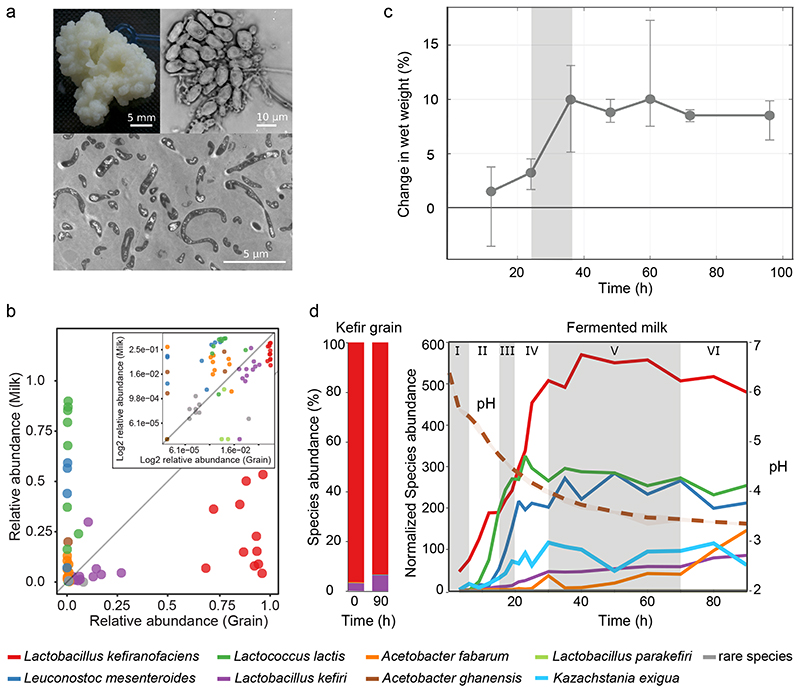
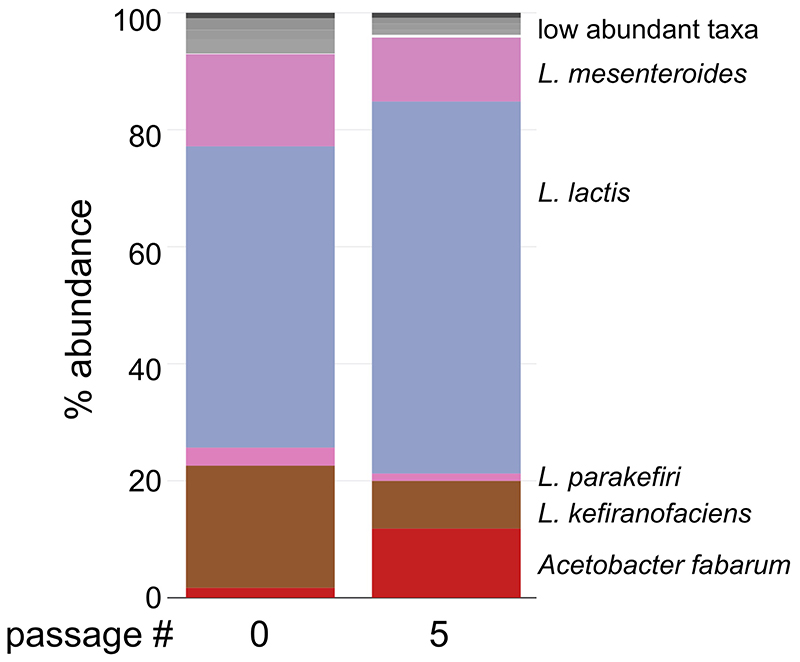
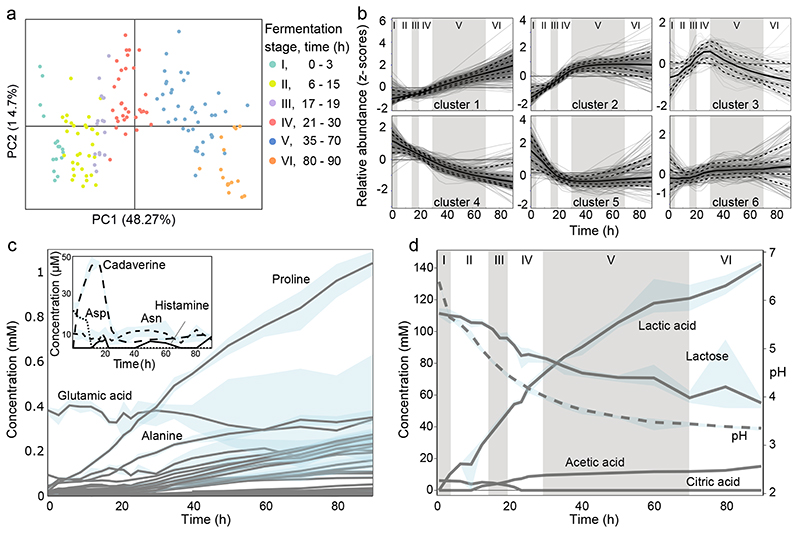
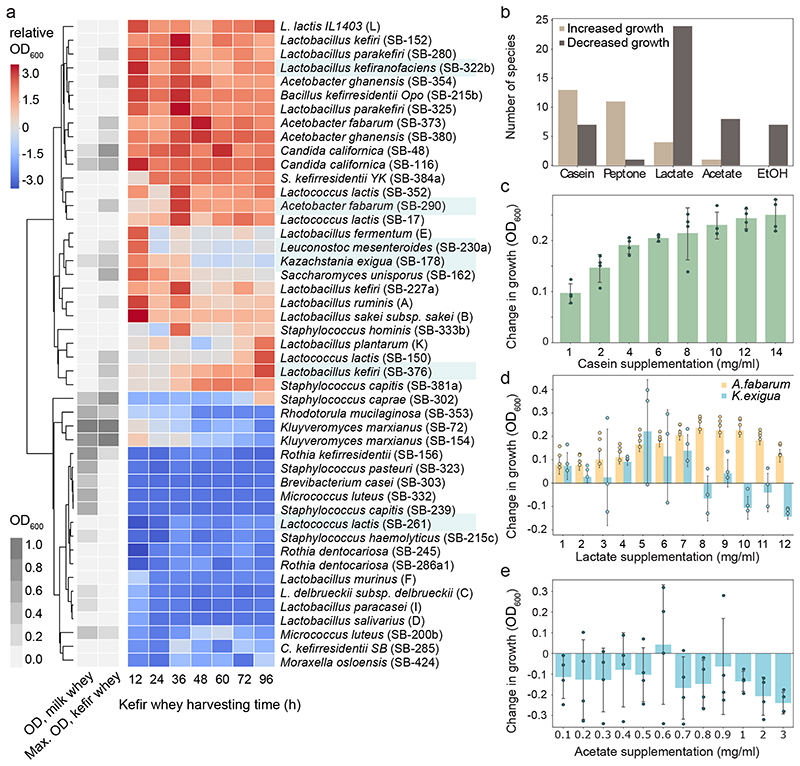
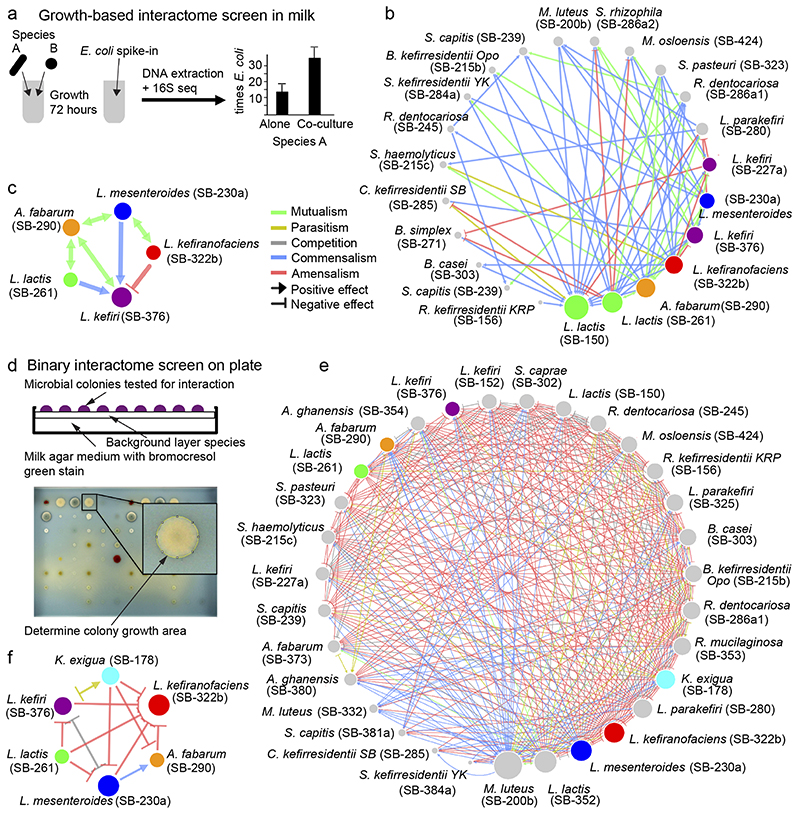
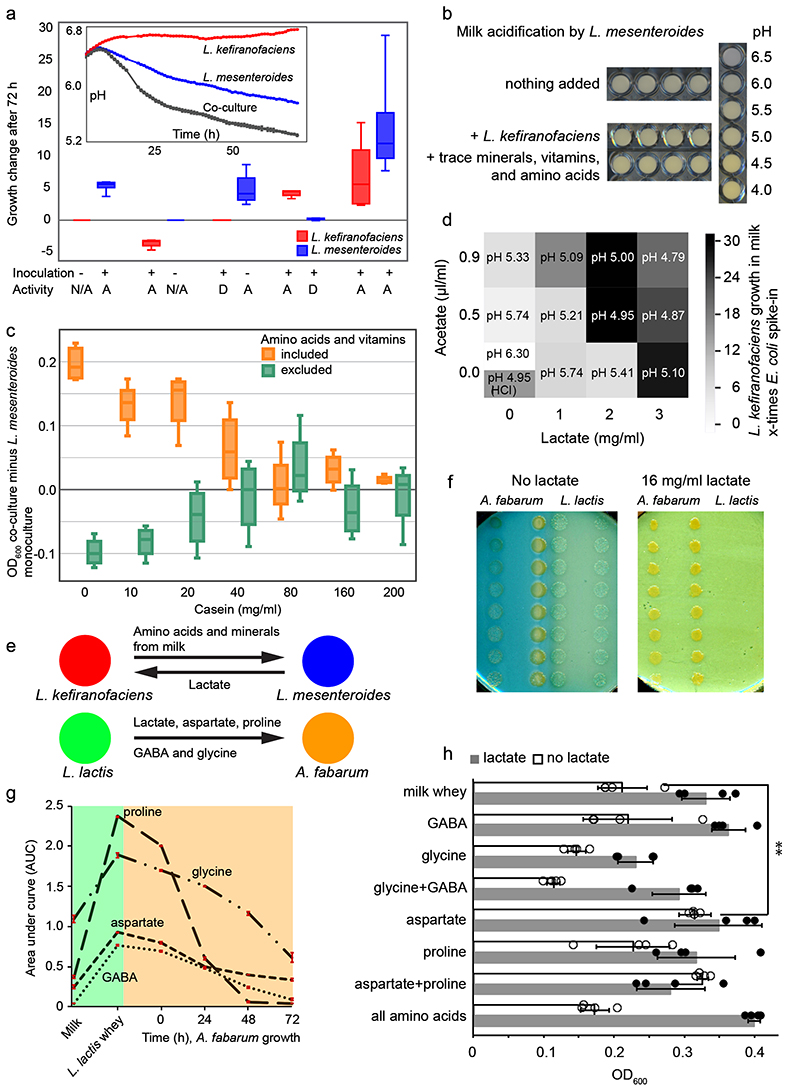
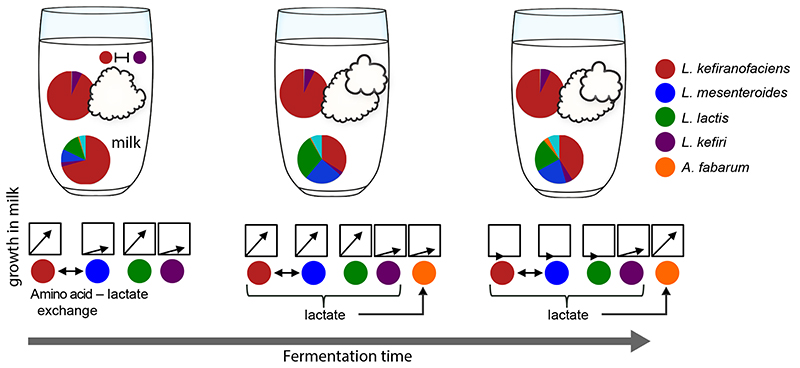
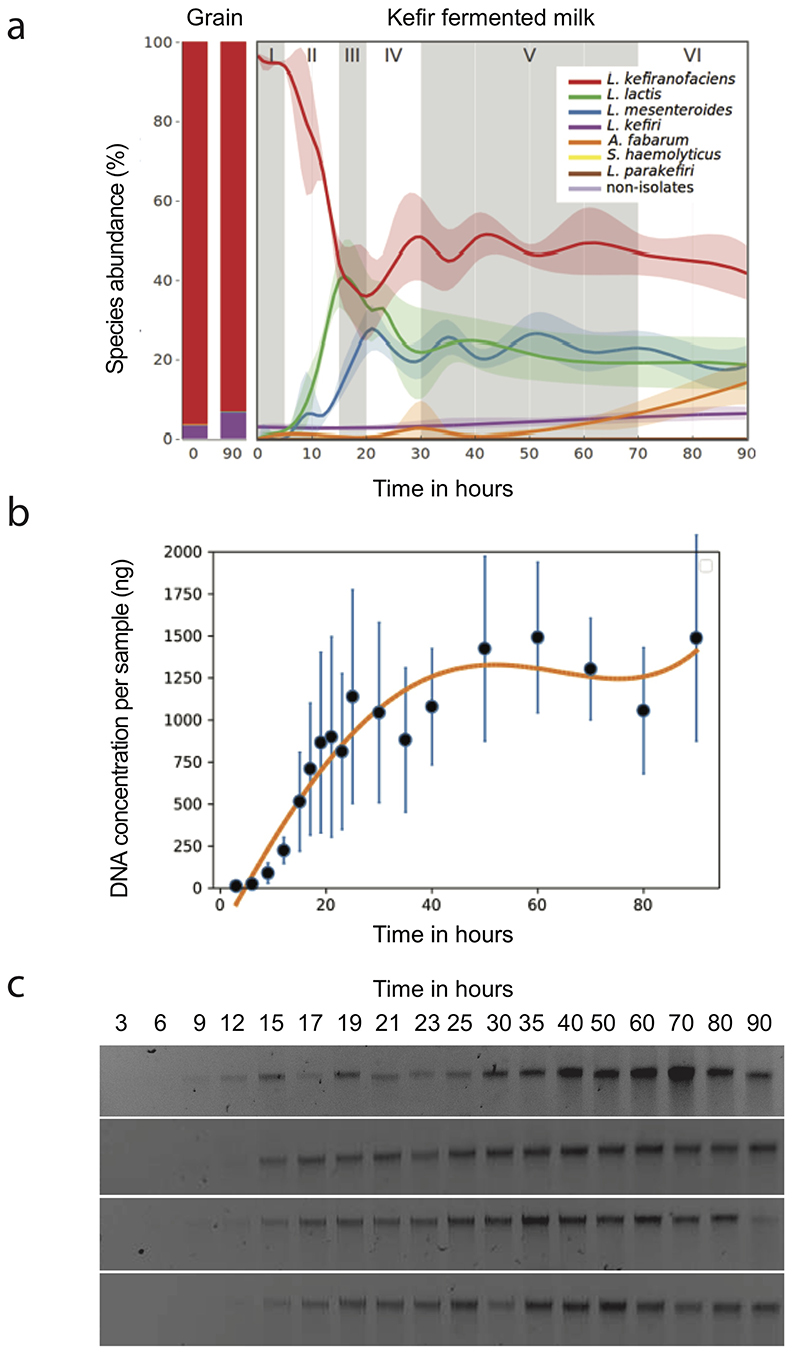
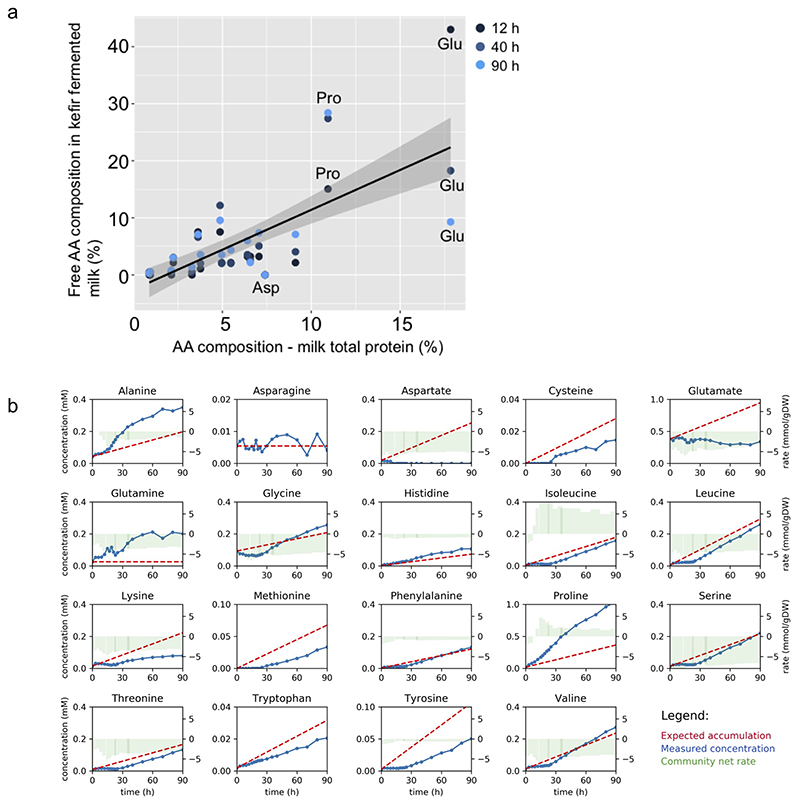
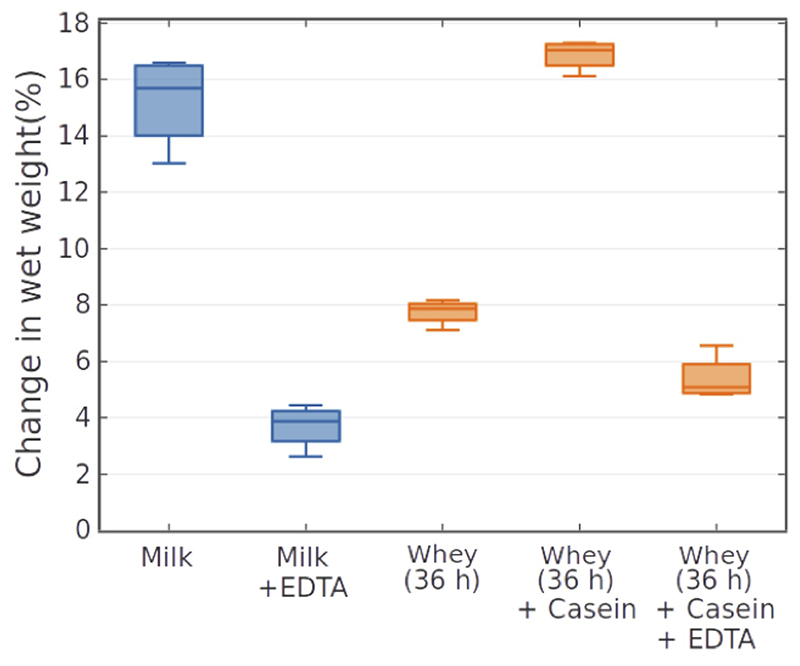
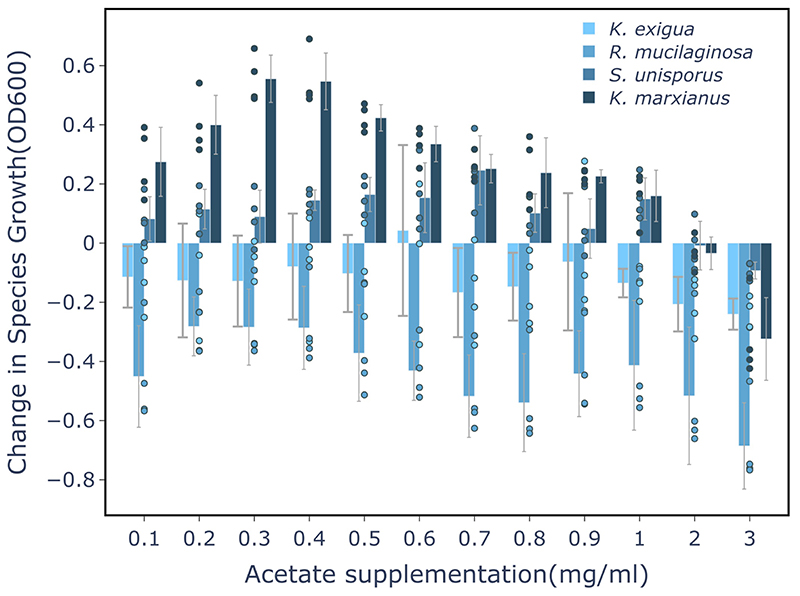
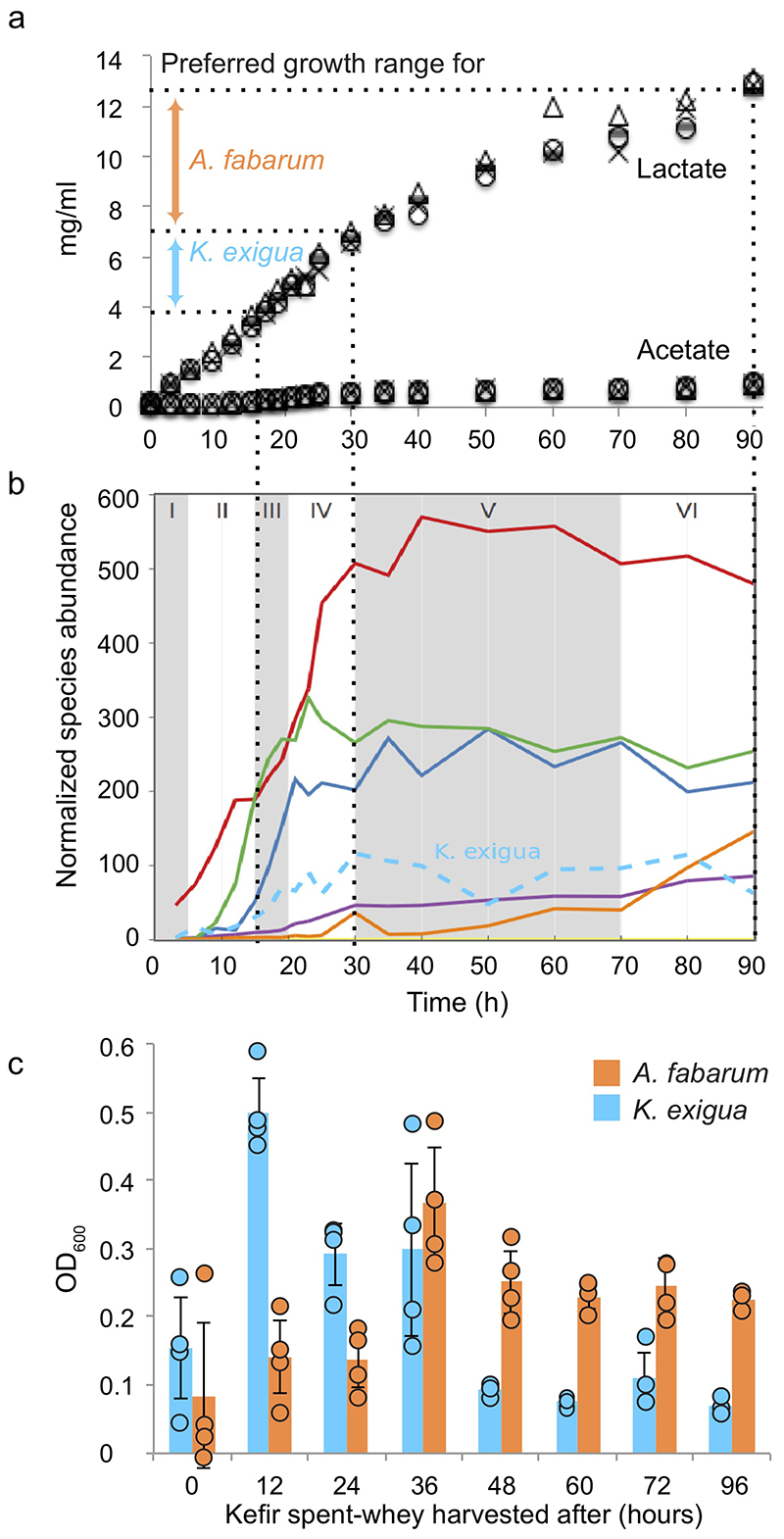
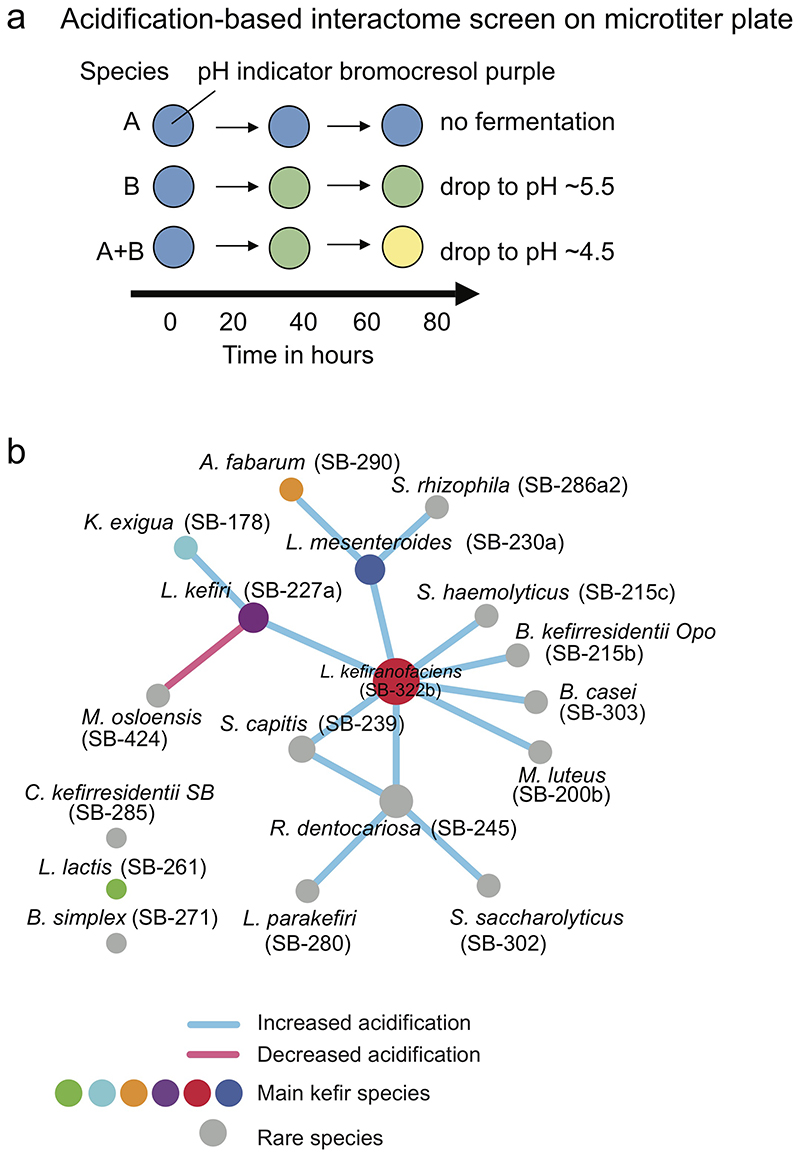
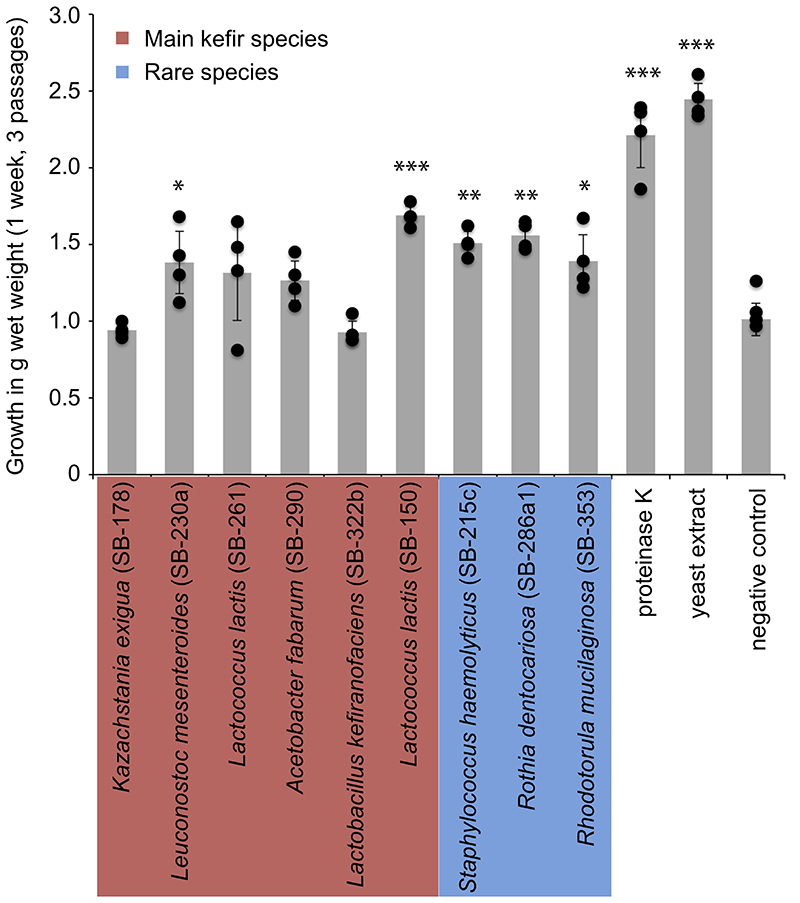
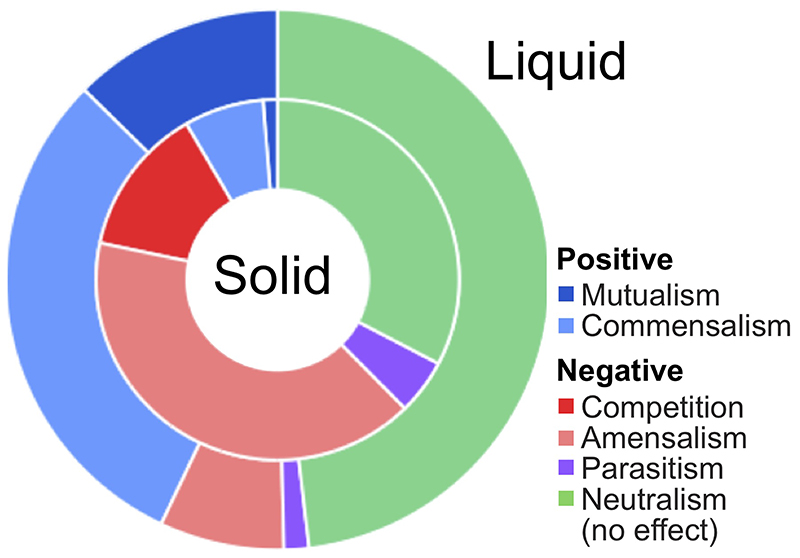
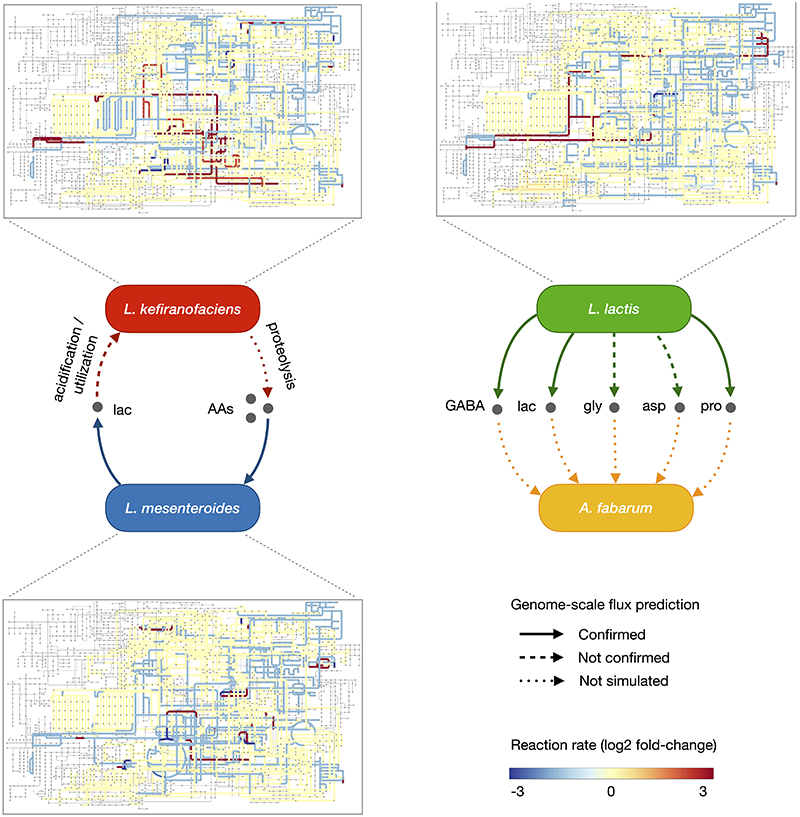
Microbial communities often undergo intricate compositional changes yet also maintain stable coexistence of diverse species. The mechanisms underlying long-term coexistence remain unclear as system-wide studies have been largely limited to engineered communities, ex situ adapted cultures or synthetic assemblies. Here, we show how kefir, a natural milk-fermenting community of prokaryotes (predominantly lactic and acetic acid bacteria) and yeasts (family Saccharomycetaceae), realizes stable coexistence through spatiotemporal orchestration of species and metabolite dynamics. During milk fermentation, kefir grains (a polysaccharide matrix synthesized by kefir microorganisms) grow in mass but remain unchanged in composition. In contrast, the milk is colonized in a sequential manner in which early members open the niche for the followers by making available metabolites such as amino acids and lactate. Through metabolomics, transcriptomics and large-scale mapping of inter-species interactions, we show how microorganisms poorly suited for milk survive in-and even dominate-the community, through metabolic cooperation and uneven partitioning between grain and milk. Overall, our findings reveal how inter-species interactions partitioned in space and time lead to stable coexistence.
微生物群落经常经历复杂的组成变化,但也能维持多种物种的稳定共存。由于系统范围的研究主要限于工程化群落、体外适应培养物或人工合成组装体,长期共存的机制仍不清楚。在这里,我们展示了开菲尔(一种由原核生物(主要是乳杆菌和醋酸菌)和酵母(酿酒酵母科)组成的天然牛奶发酵群落)如何通过物种和代谢物动态的时空协调来实现稳定共存。在牛奶发酵过程中,开菲尔粒(由开菲尔微生物合成的多糖基质)在质量上增加,但组成不变。相比之下,牛奶以顺序方式定植,早期成员通过提供氨基酸和乳酸盐等代谢物为后续成员开辟生态位。通过代谢组学、转录组学和种间相互作用的大规模映射,我们展示了不适合牛奶的微生物如何通过代谢合作和在谷物和牛奶之间不均匀分配来在群落中生存,甚至占据主导地位。总的来说,我们的研究结果揭示了种间相互作用如何在时间和空间上分配,从而导致稳定共存。