Rehman Muhammad Fayyaz Ur, Fariha Chaudhary, Anwar Aqsa, Shahzad Naveed, Ahmad Munir, Mukhtar Salma, Farhan Ul Haque Muhammad
Institute of Chemistry, University of Sargodha, Sargodha 41600, Pakistan.
School of Biological Sciences, University of the Punjab, Lahore 54000, Pakistan.
Comput Struct Biotechnol J. 2021;19:612-623. doi: 10.1016/j.csbj.2020.12.033. Epub 2020 Dec 31.
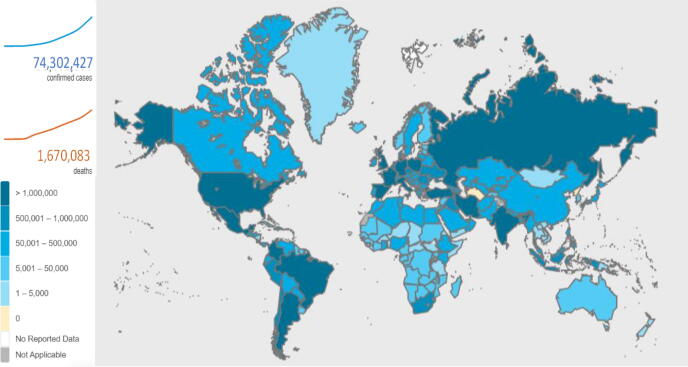
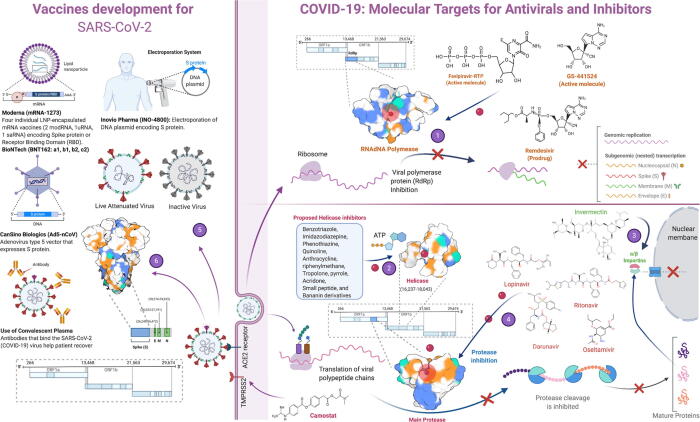
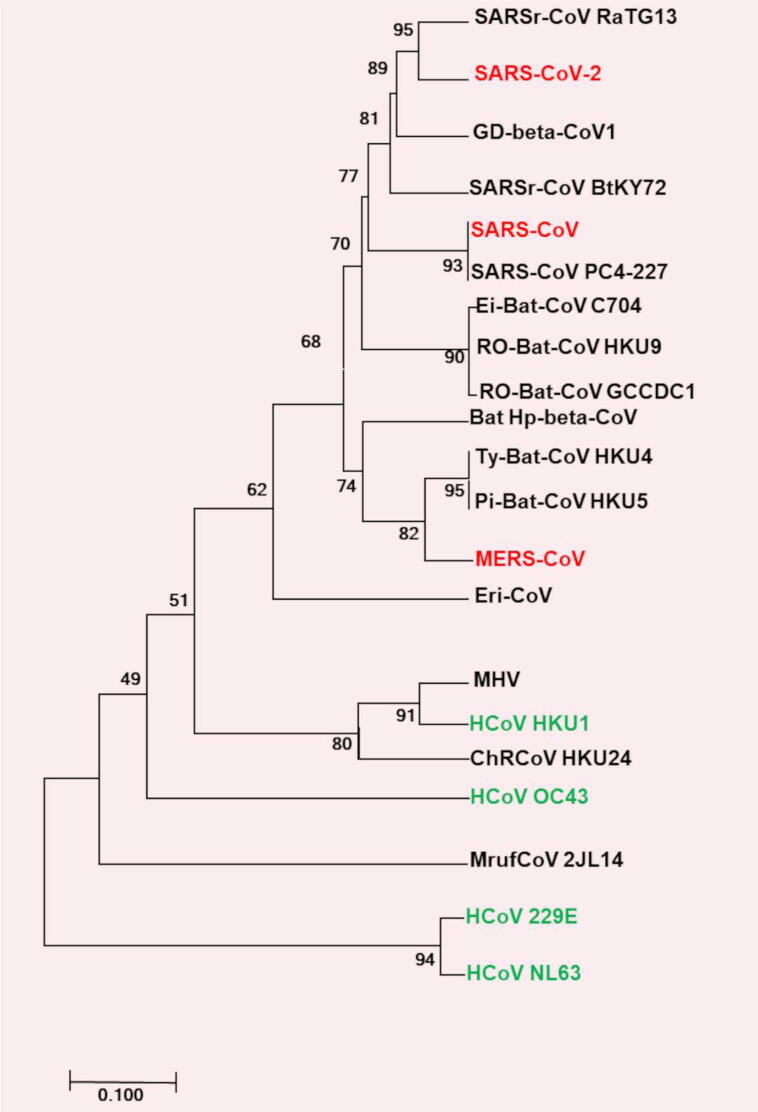
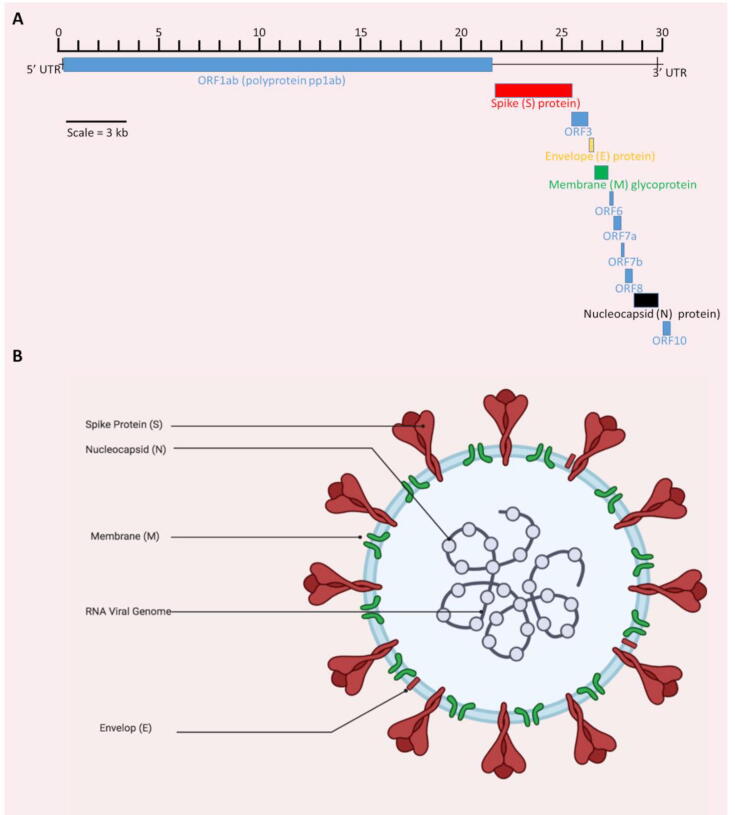
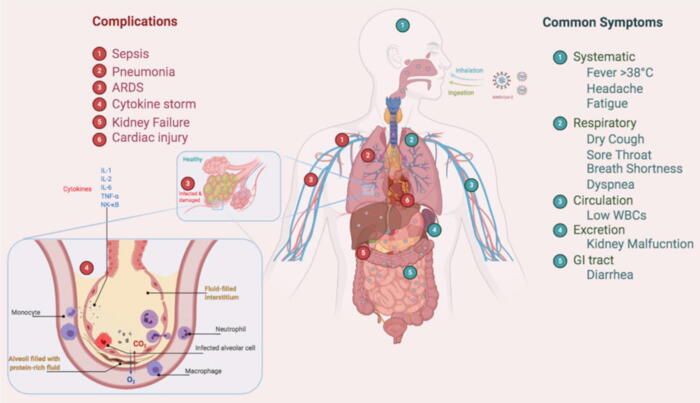
The COVID-19, caused by a novel coronavirus, was declared as a global pandemic by WHO more than five months ago, and we are still experiencing a state of global emergency. More than 74.30 million confirmed cases of the COVID-19 have been reported globally so far, with an average fatality rate of almost 3.0%. Seven different types of coronaviruses had been detected from humans; three of them have resulted in severe outbreaks, i.e., MERS-CoV, SARS-CoV, and SARS-CoV-2. Phylogenetic analysis of the genomes suggests that the possible occurrence of recombination between SARS-like-CoVs from pangolin and bat might have led to the origin of SARS-CoV-2 and the COVID-19 outbreak. Coronaviruses are positive-sense, single-stranded RNA viruses and harbour a genome (30 kb) consisting of two terminal untranslated regions and twelve putative functional open reading frames (ORFs), encoding for non-structural and structural proteins. There are sixteen putative non-structural proteins, including proteases, RNA-dependent RNA polymerase, helicase, other proteins involved in the transcription and replication of SARS-CoV-2, and four structural proteins, including spike protein (S), envelope (E), membrane (M), and nucleocapsid (N). SARS-CoV-2 infection, with a heavy viral load in the body, destroys the human lungs through cytokine storm, especially in elderly persons and people with immunosuppressed disorders. A number of drugs have been repurposed and employed, but still, no specific antiviral medicine has been approved by the FDA to treat this disease. This review provides a current status of the COVID-19, epidemiology, an overview of phylogeny, mode of action, diagnosis, and possible treatment methods and vaccines.
由新型冠状病毒引起的COVID-19在五个多月前被世界卫生组织宣布为全球大流行,而我们仍处于全球紧急状态。截至目前,全球已报告超过7430万例COVID-19确诊病例,平均死亡率近3.0%。已从人类身上检测到七种不同类型的冠状病毒;其中三种导致了严重疫情爆发,即中东呼吸综合征冠状病毒(MERS-CoV)、严重急性呼吸综合征冠状病毒(SARS-CoV)和严重急性呼吸综合征冠状病毒2(SARS-CoV-2)。对基因组的系统发育分析表明,穿山甲和蝙蝠身上的SARS样冠状病毒之间可能发生的重组可能导致了SARS-CoV-2的起源和COVID-19疫情的爆发。冠状病毒是正链单链RNA病毒,其基因组(30 kb)由两个末端非翻译区和十二个推定的功能性开放阅读框(ORF)组成,编码非结构蛋白和结构蛋白。有十六种推定的非结构蛋白,包括蛋白酶、RNA依赖性RNA聚合酶、解旋酶、其他参与SARS-CoV-2转录和复制的蛋白,以及四种结构蛋白,包括刺突蛋白(S)、包膜(E)、膜蛋白(M)和核衣壳蛋白(N)。SARS-CoV-2感染会使体内病毒载量很高,通过细胞因子风暴破坏人类肺部,尤其是在老年人和免疫功能低下的人群中。一些药物已被重新利用和使用,但仍然没有一种特效抗病毒药物得到美国食品药品监督管理局(FDA)的批准用于治疗这种疾病。本综述提供了COVID-19的现状、流行病学、系统发育概述、作用方式、诊断以及可能的治疗方法和疫苗。