Division of Rheumatology and Clinical Immunology, Humanitas Clinical and Research Center- IRCCS, Rozzano, MI, Italy.
Division of Rheumatology and Clinical Immunology, Humanitas Clinical and Research Center- IRCCS, Rozzano, MI, Italy; Humanitas University, Department of Biomedical Sciences, Pieve Emanuele, MI, Italy.
J Autoimmun. 2021 Feb;117:102592. doi: 10.1016/j.jaut.2020.102592. Epub 2020 Dec 14.
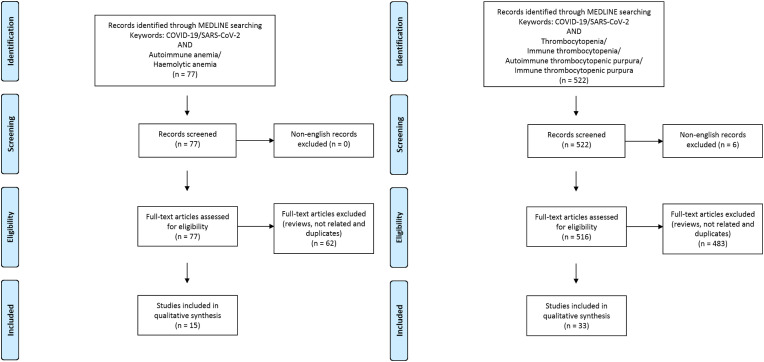
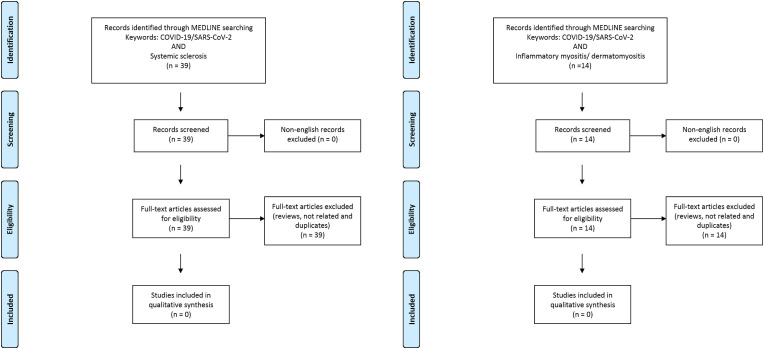
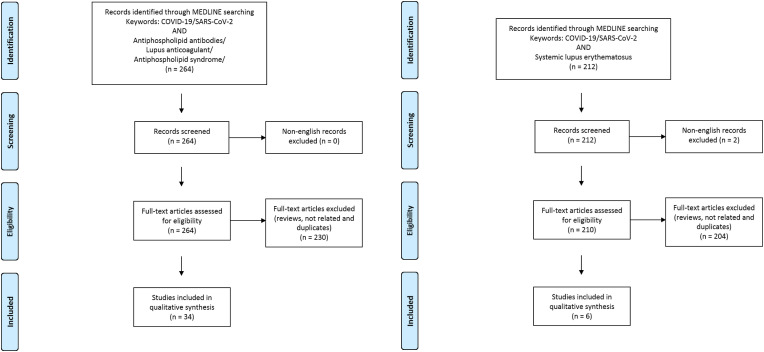
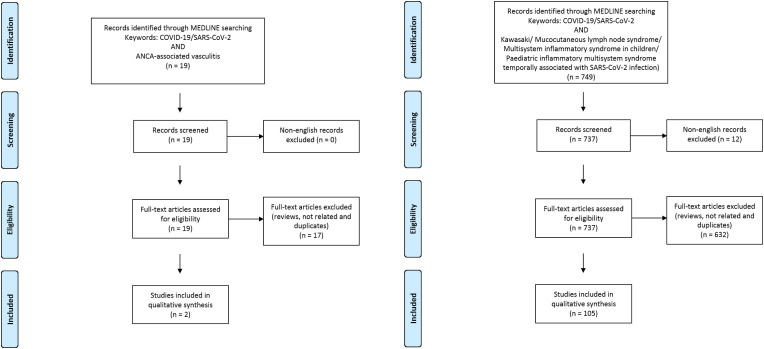
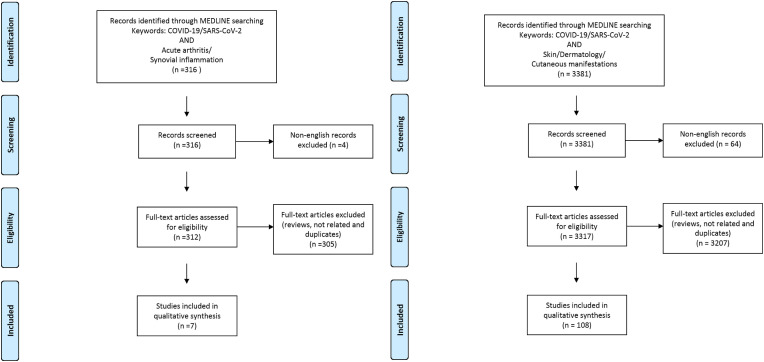
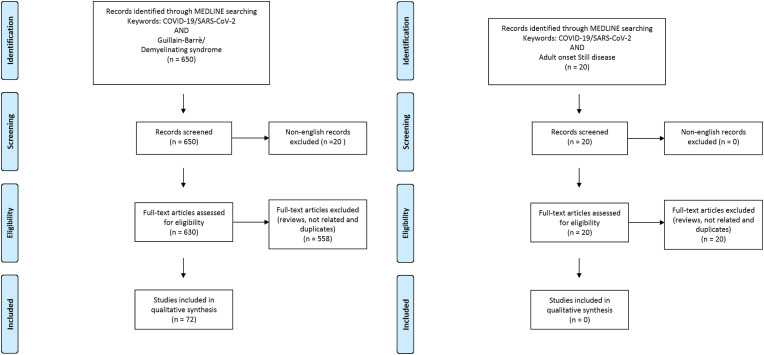
The diverse clinical manifestations of COVID-19 is emerging as a hallmark of the Severe Acute Respiratory Syndrome Coronavirus-2 (SARS-CoV-2) infection. While the initial target of SARS-CoV-2 is the respiratory tract, it is becoming increasingly clear that there is a complex interaction between the virus and the immune system ranging from mild to controlling responses to exuberant and dysfunctional multi-tissue directed autoimmune responses. The immune system plays a dual role in COVID-19, being implicated in both the anti-viral response and in the acute progression of the disease, with a dysregulated response represented by the marked cytokine release syndrome, macrophage activation, and systemic hyperinflammation. It has been speculated that these immunological changes may induce the loss of tolerance and/or trigger chronic inflammation. In particular, molecular mimicry, bystander activation and epitope spreading are well-established proposed mechanisms to explain this correlation with the likely contribution of HLA alleles. We performed a systematic literature review to evaluate the COVID-19-related autoimmune/rheumatic disorders reported between January and September 2020. In particular, we investigated the cases of incident hematological autoimmune manifestations, connective tissue diseases, antiphospholipid syndrome/antibodies, vasculitis, Kawasaki-like syndromes, acute arthritis, autoimmune-like skin lesions, and neurologic autoimmune conditions such as Guillain-Barré syndrome. We screened 6263 articles and report herein the findings of 382 select reports which allow us to conclude that there are 2 faces of the immune response against SARS-CoV-2, that include a benign virus controlling immune response and a many faceted range of dysregulated multi-tissue and organ directed autoimmune responses that provides a major challenge in the management of this viral disease. The number of cases for each disease varied significantly while there were no reported cases of adult onset Still disease, systemic sclerosis, or inflammatory myositis.
新型冠状病毒病(COVID-19)的临床表现多种多样,这是严重急性呼吸综合征冠状病毒-2(SARS-CoV-2)感染的一个特征。虽然 SARS-CoV-2 的最初靶标是呼吸道,但越来越明显的是,病毒与免疫系统之间存在着从轻度到控制反应的复杂相互作用,以及从过度活跃到功能失调的多组织定向自身免疫反应。免疫系统在 COVID-19 中发挥双重作用,既参与抗病毒反应,也参与疾病的急性进展,以标记细胞因子释放综合征、巨噬细胞激活和全身炎症反应过度为代表的失调反应。有人推测,这些免疫变化可能导致耐受丧失和/或引发慢性炎症。特别是,分子模拟、旁观者激活和表位扩展是解释与 HLA 等位基因可能相关的这种相关性的公认机制。我们进行了系统的文献复习,以评估 2020 年 1 月至 9 月期间报告的与 COVID-19 相关的自身免疫/风湿病。特别是,我们调查了新发血液自身免疫表现、结缔组织疾病、抗磷脂综合征/抗体、血管炎、川崎样综合征、急性关节炎、自身免疫样皮肤病变和神经自身免疫疾病(如格林-巴利综合征)的病例。我们筛选了 6263 篇文章,在此报告了 382 篇精选报告的结果,这些报告使我们得出结论,即针对 SARS-CoV-2 的免疫反应有两面性,一方面是良性病毒控制免疫反应,另一方面是多方面的失调的多组织和器官定向自身免疫反应,这在这种病毒疾病的治疗中构成了重大挑战。每种疾病的病例数差异很大,没有报告成人发病Still 病、系统性硬化症或炎症性肌病的病例。