Molecular Biology Unit, Department of Zoology, Faculty of Science, Alexandria University, Alexandria, Egypt.
Biotechnology Unit, Department of Plant Production, College of Food and Agriculture Science, King Saud University, Riyadh, Saudi Arabia.
Int J Nanomedicine. 2020 Dec 29;15:10499-10517. doi: 10.2147/IJN.S289243. eCollection 2020.
Increasing antibiotic resistance and the emergence of multidrug-resistant (MDR) pathogens have led to the need to develop new therapeutic agents to tackle microbial infections. Nano-antibiotics are a novel generation of nanomaterials with significant antimicrobial activities that target bacterial defense systems including biofilm formation, membrane permeability, and virulence activity.
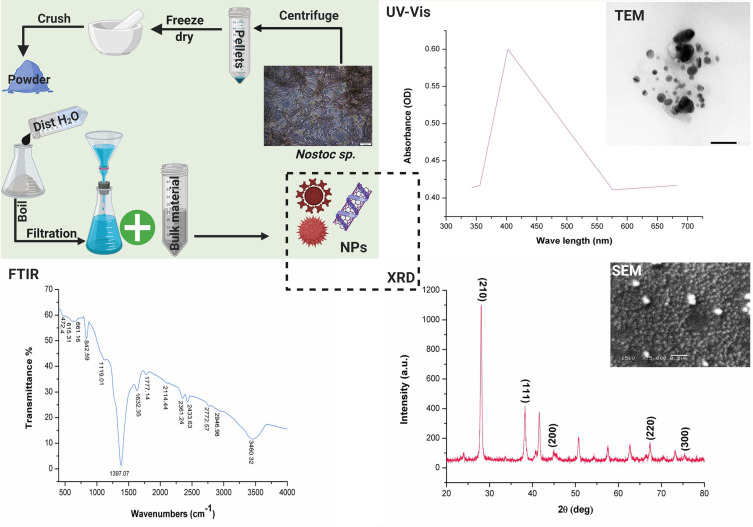
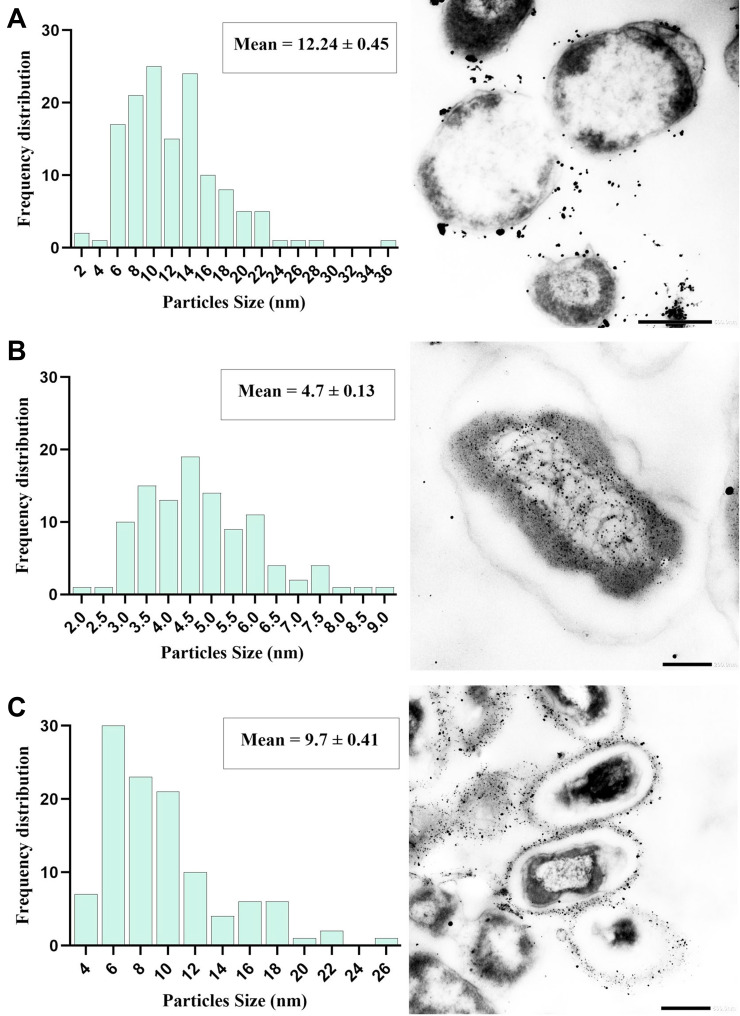
In addition to AgNO the current study aimed to explore for first time the antibacterial potential of silver nanoparticles synthesized by sp. Bahar_M (N-SNPs) and their killing mechanisms against , methicillin-resistant , and .
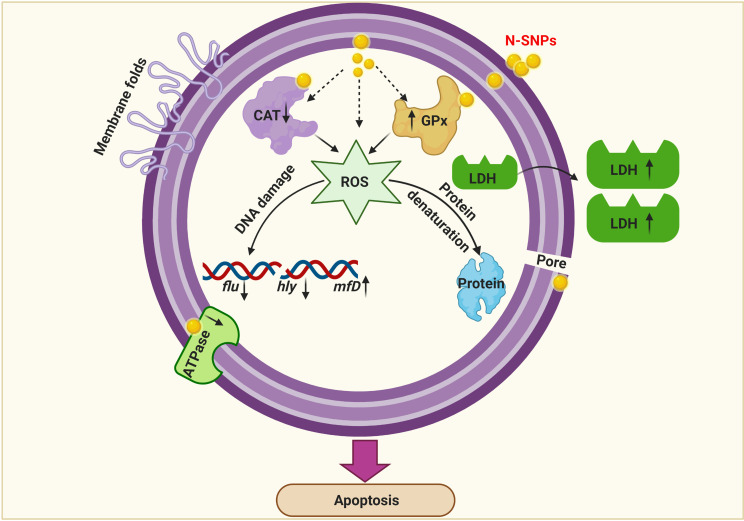
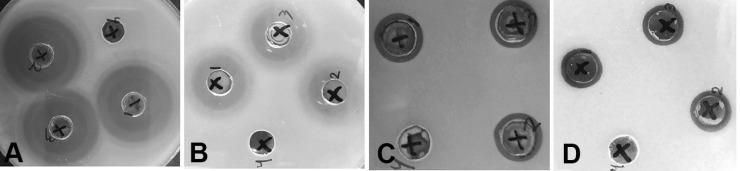
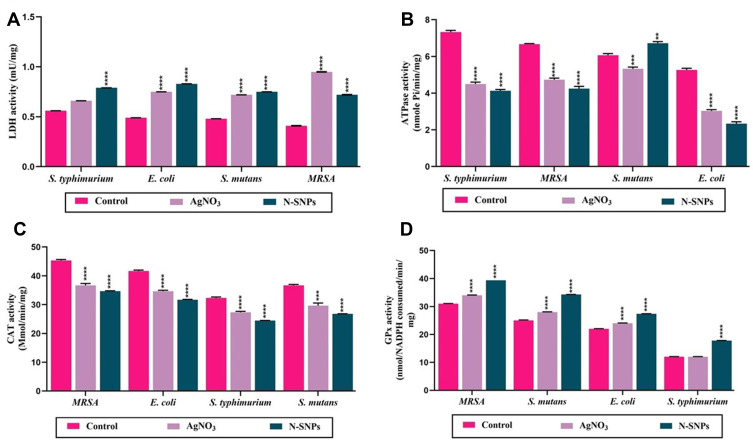
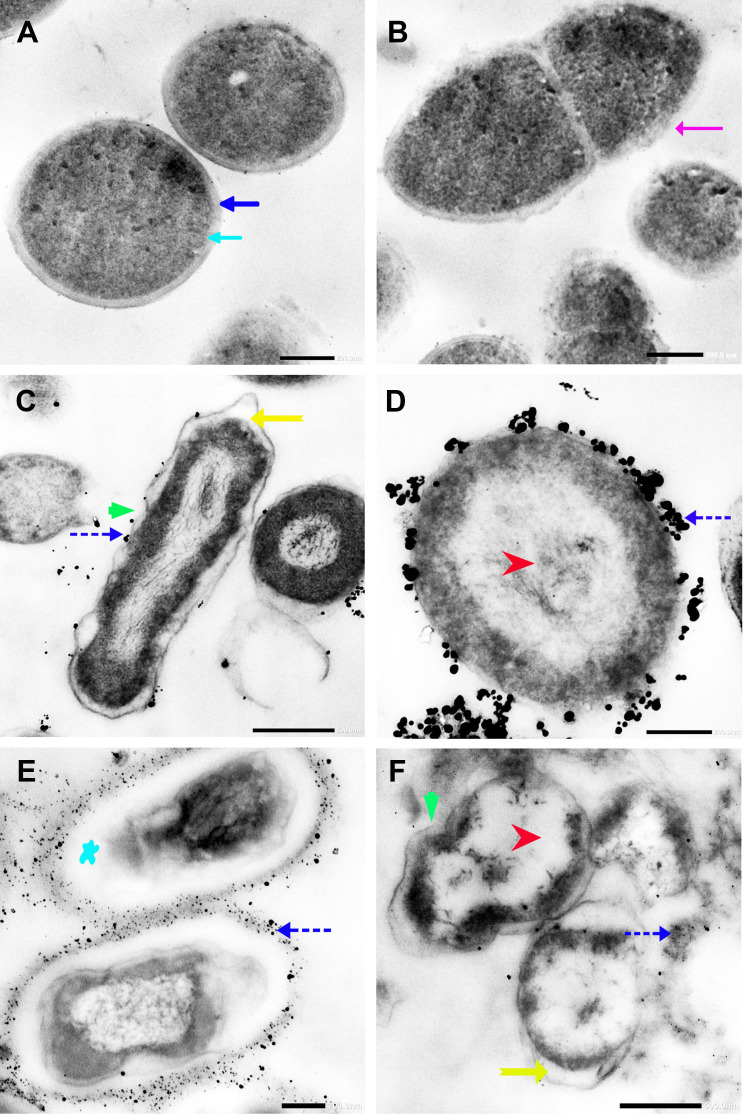
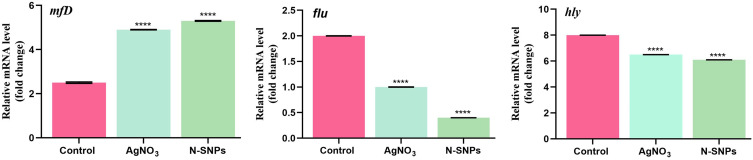
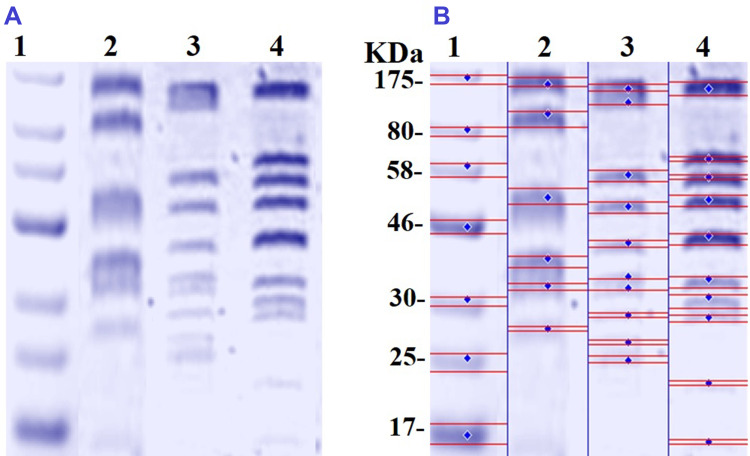
Potential mechanisms of action of both silver species against bacteria were systematically explored using agar well diffusion, enzyme (lactate dehydrogenase (LDH) and ATPase) and antioxidant (glutathione peroxidase and catalase) assays, and morphological examinations. qRT-PCR and SDS-PAGE were employed to investigate the effect of both treatments on , and gene expression and protein patterns, respectively.
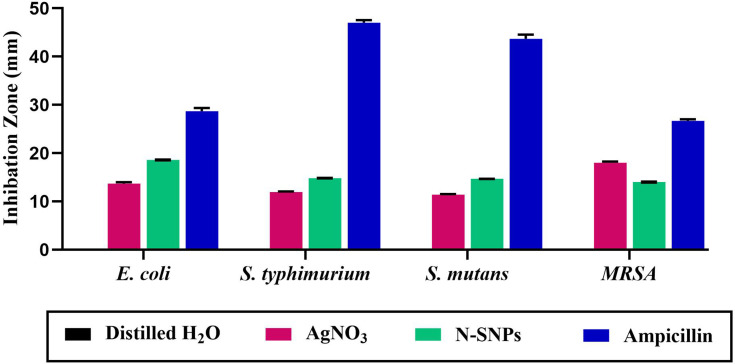
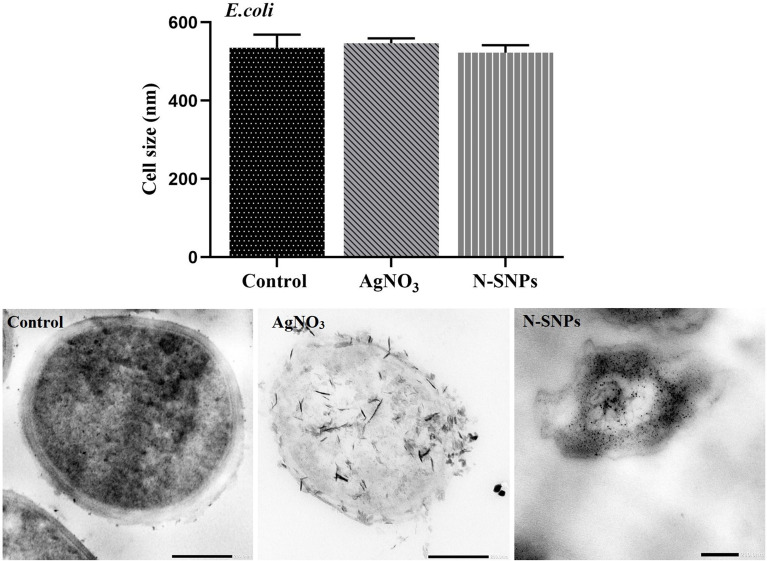
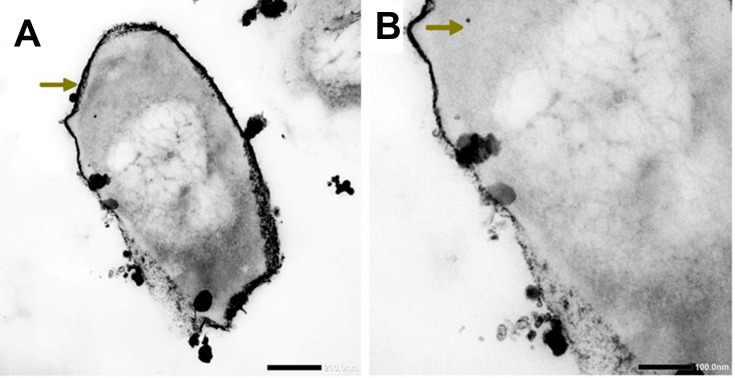
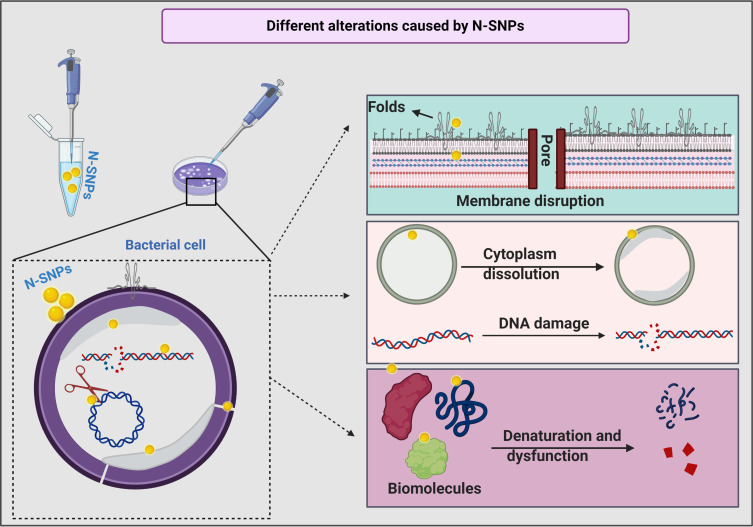
N-SNPs exhibited greater biocidal activity than AgNO against the four tested bacteria. treated with N-SNPs showed significant surges in LDH levels, imbalances in other antioxidant and enzyme activities, and marked morphological changes, including cell membrane disruption and cytoplasmic dissolution. N-SNPs caused more significant upregulation of expression and downregulation of both and expression and increased protein denaturation compared with AgNO.
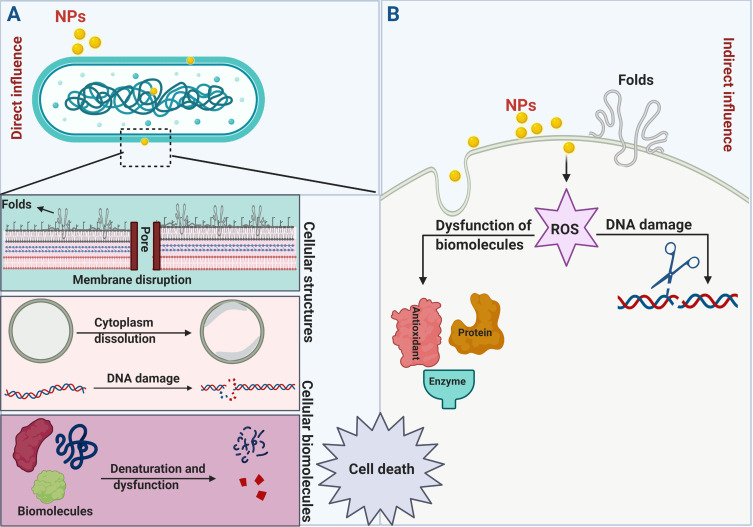
N-SNPs exhibited significant inhibitory potential against by direct interfering with bacterial cellular structures and/or enhancing oxidative stress, indicating their potential for use as an alternative antimicrobial agent. However, the potential of N-SNPs to be usable and biocompatible antibacterial drug will evaluate by their toxicity against normal cells.
抗生素耐药性的增加和多药耐药(MDR)病原体的出现,使得开发新的治疗药物来应对微生物感染成为必要。纳米抗生素是一类具有显著抗菌活性的新型纳米材料,针对细菌防御系统,包括生物膜形成、膜通透性和毒力活性。
除 AgNO 外,本研究首次旨在探索由 sp. 合成的银纳米粒子(N-SNPs)的抗菌潜力。Bahar_M 及其对 、耐甲氧西林 、和 的杀伤机制。
系统地使用琼脂孔扩散、酶(乳酸脱氢酶(LDH)和 ATP 酶)和抗氧化剂(谷胱甘肽过氧化物酶和过氧化氢酶)测定以及形态学检查来探索两种银物种对细菌的潜在作用机制。qRT-PCR 和 SDS-PAGE 分别用于研究两种处理对 和 基因表达和蛋白质模式的影响。
N-SNPs 对四种测试细菌的杀菌活性均优于 AgNO。用 N-SNPs 处理的细胞,LDH 水平显著升高,其他抗氧化酶和酶活性失衡,形态发生明显变化,包括细胞膜破裂和细胞质溶解。与 AgNO 相比,N-SNPs 导致 表达显著上调, 表达下调,同时增加蛋白质变性。
N-SNPs 通过直接干扰细菌细胞结构和/或增强氧化应激,对 表现出显著的抑制潜力,表明其作为替代抗菌剂的潜力。然而,N-SNPs 作为可用且具有生物相容性的抗菌药物的潜力,将通过其对正常细胞的毒性进行评估。