Wu Lanlan, Chen Chang, Li Yongbiao, Guo Cong, Fan Yuqing, Yu Dingrong, Zhang Tinglan, Wen Binyu, Yan Zhiyong, Liu An
Key Laboratory of Beijing for Identification and Safety Evaluation of Chinese Medicine, Institute of Chinese Materia Medica, China Academy of Chinese Medical Sciences, No. 16 Nanxiaojie, Dongzhimennei, Beijing 100700, P. R. China.
School of Life Science and Engineering, Southwest Jiao Tong University, No. 111, North Section, Second Ring Road, Jinniu District, Chengdu 610031, Sichuan, P. R. China.
ACS Omega. 2020 Dec 15;5(51):33433-33444. doi: 10.1021/acsomega.0c05388. eCollection 2020 Dec 29.
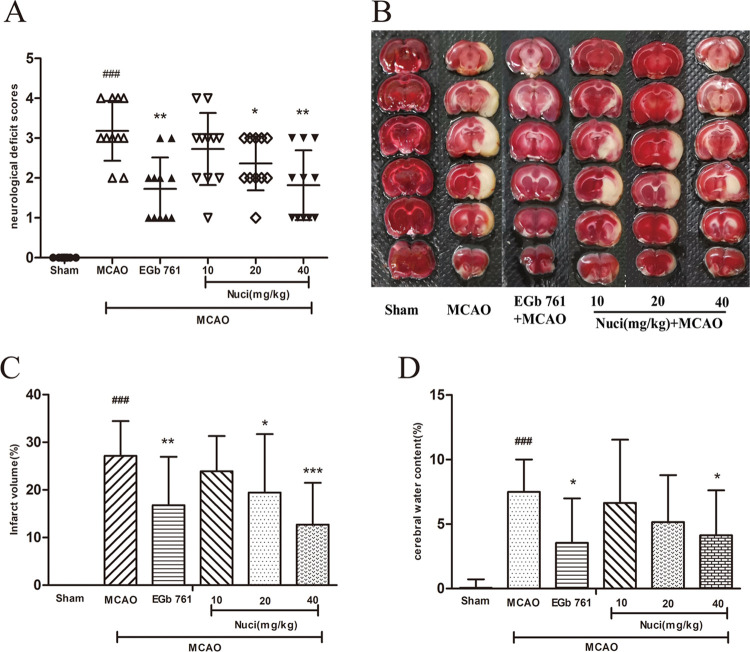
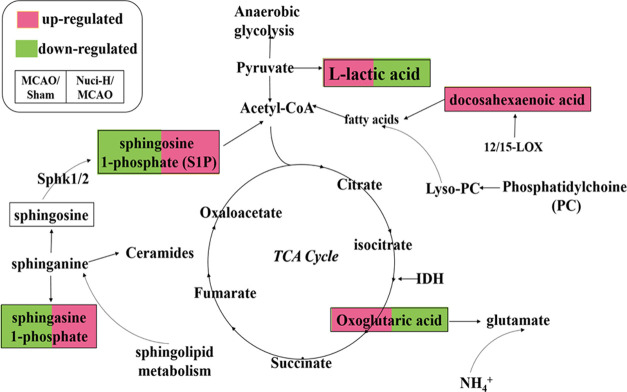
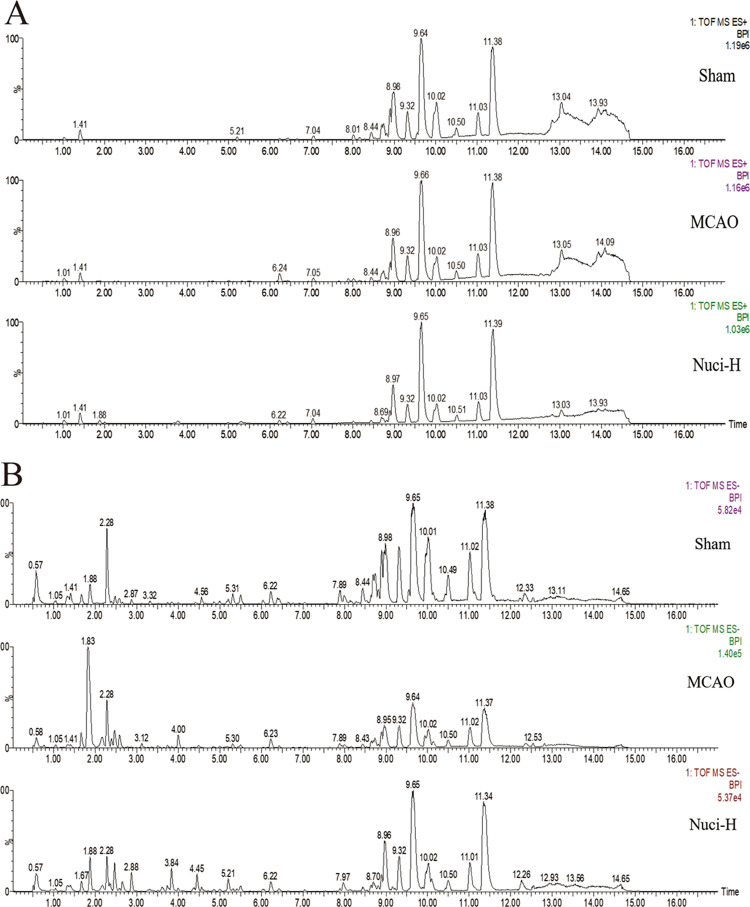
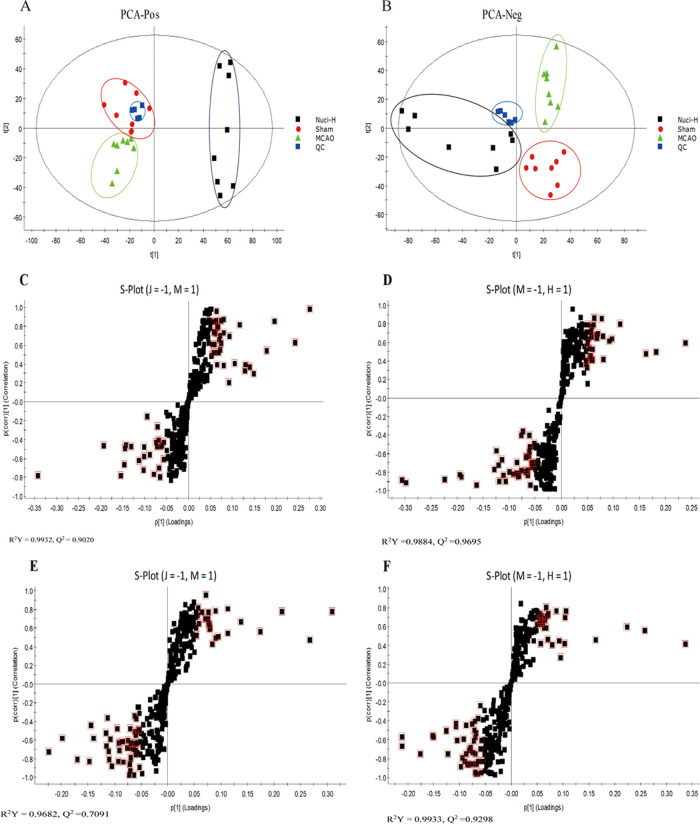
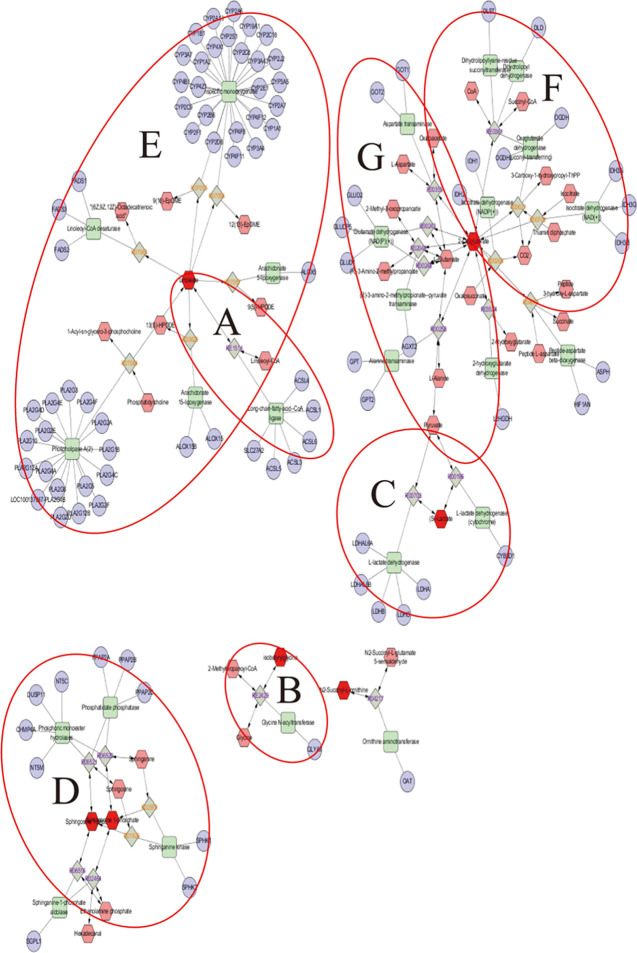
Nuciferine is an aporphine alkaloid monomer that is extracted from the leaves of the lotus species and Gaertn. Nuciferine was reported to treat cerebrovascular diseases. However, the potential mechanism of the neuroprotective effects of nuciferine at the metabolomics level is still not unclear. The present research used neurological score, infarct volume, cerebral water content, and ultraperformance liquid chromatography to quadrupole time-of-flight mass spectrometry (UPLC-Q-TOF/MS)-based serum metabolomics to elucidate the anti-ischemic stroke effect and mechanisms of nuciferine. The results showed that nuciferine significantly improved neurological deficit scores and ameliorated cerebral edema and infarction. Multivariate data analysis methods were used to examine the differences in serum endogenous metabolism between groups, and the biomarkers of nuciferine on ischemic stroke were identified. Approximately 19 metabolites and 7 metabolic pathways associated with nuciferine on treatment of stroke were found, which indicated that nuciferine exerted a positive therapeutic action on cerebral ischemic by regulating metabolism. These results provided some data support for the study of anti-stroke effect of nuciferine from the perspective of metabolomics.
荷叶碱是一种从莲属植物和睡莲的叶子中提取的阿朴啡碱类生物碱单体。据报道,荷叶碱可治疗脑血管疾病。然而,荷叶碱在代谢组学水平上发挥神经保护作用的潜在机制仍不清楚。本研究采用神经功能评分、梗死体积、脑含水量以及基于超高效液相色谱-四极杆飞行时间质谱(UPLC-Q-TOF/MS)的血清代谢组学方法,以阐明荷叶碱抗缺血性脑卒中的作用及机制。结果表明,荷叶碱显著改善神经功能缺损评分,减轻脑水肿和梗死。采用多变量数据分析方法检测各组血清内源性代谢的差异,鉴定出荷叶碱对缺血性脑卒中的生物标志物。发现约19种代谢物和7条与荷叶碱治疗脑卒中相关的代谢途径,这表明荷叶碱通过调节代谢对脑缺血发挥积极的治疗作用。这些结果从代谢组学角度为荷叶碱抗脑卒中作用的研究提供了一些数据支持。