Clinical Research Center, Seberang Jaya Hospital, Ministry of Health Malaysia, Penang 13700, Malaysia.
Department of Medicine, Kepala Batas Hospital, Penang 13200, Malaysia.
Int J Environ Res Public Health. 2021 Jan 4;18(1):318. doi: 10.3390/ijerph18010318.
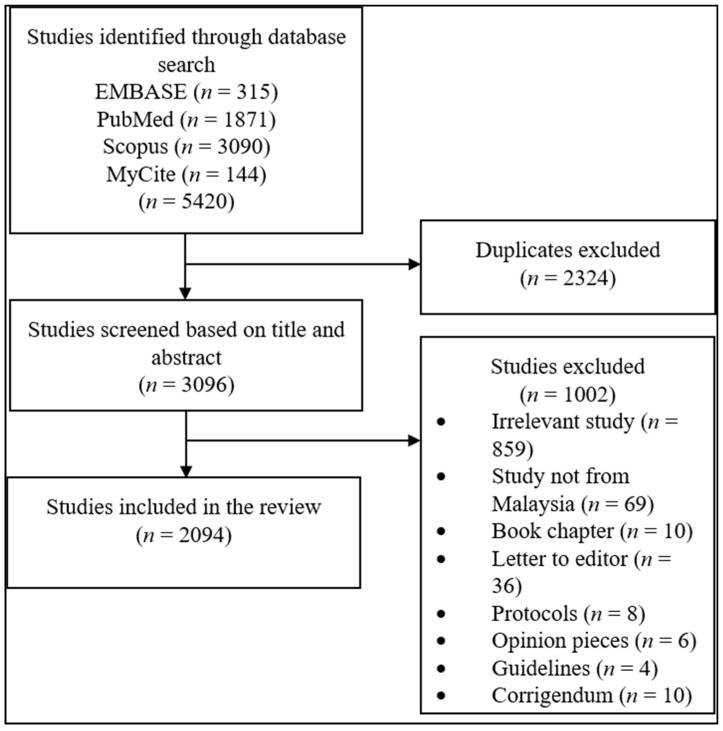
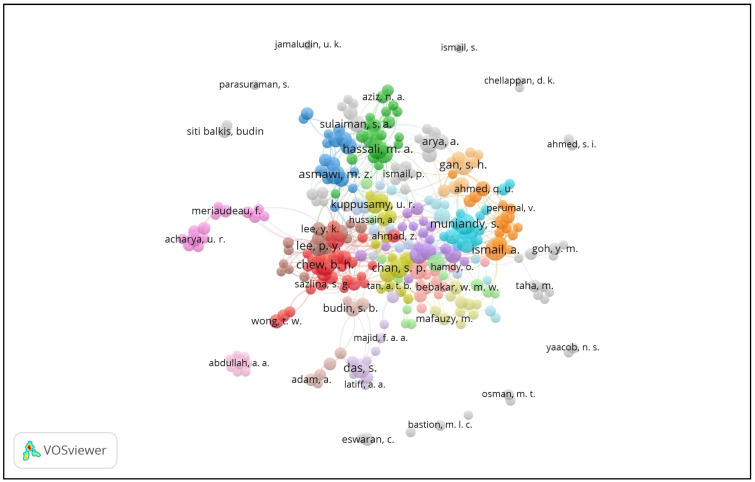
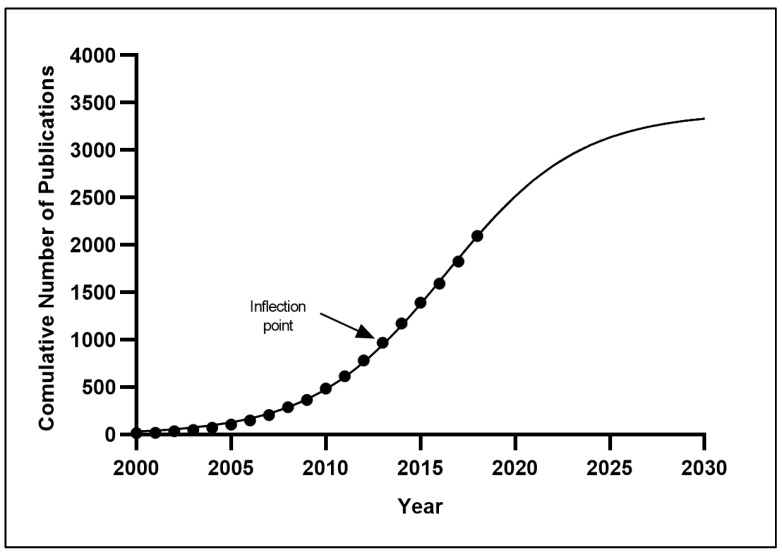
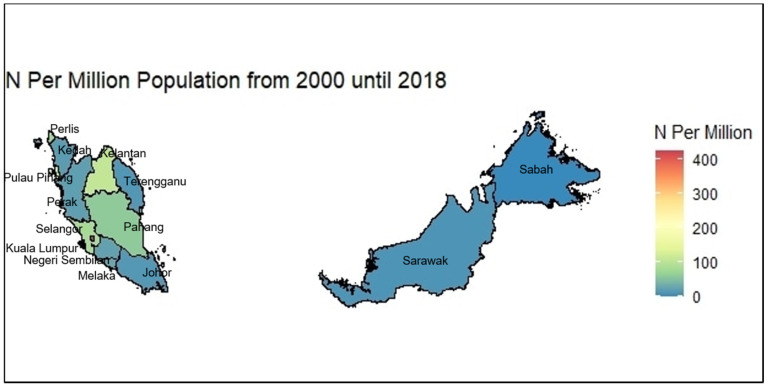
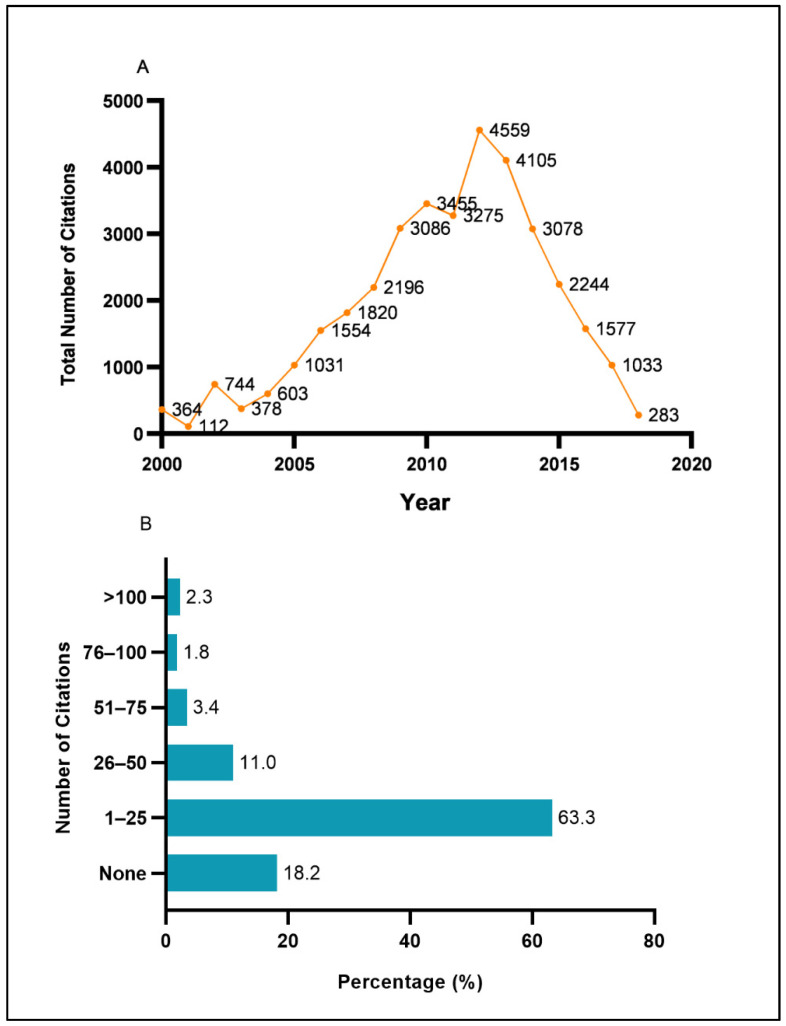
The escalated burden of diabetes on the population's health has catalyzed rigorous scientific research to produce appropriate evidence for treatment and control. Malaysia suffers from the leading diabetes epidemic within the Western Pacific region. It is crucial to map the scientific landscape of diabetes research for the country to identify trends in productivity and determine whether research efforts are directed toward the needs-gaps priority for evidence synthesis that could be used for the drafting of policies and guidelines. This systematic scientometrics study was conducted to map the scientific research output (trends and distribution, citation frequency, keywords link visualization, and thematic cluster conceptualization) related to diabetes between 2000-2018 in Malaysia. Using three international databases (PubMed, EMBASE, Scopus) and one local database (MyCite), scientific publication records related to diabetes in Malaysia between 2000 and 2018 were retrieved and analyzed using quantitative and qualitative methodologies. Microsoft Excel 2016, EndNote X9.2, BibExcel 2016, GraphPad Prism 8.0.1, VOS viewer software 1.6.13, and R software version 1.3.959 were used to analyze the trend and contents of diabetes publications. A total of 2094 publication records that accounted for 35,497 citations were analyzed. Kuala Lumpur was the most scientifically productive state in Malaysia, contributing 754 papers. had the highest number of publications. The inflection point of the Malaysian diabetes research output was in 2013, with most publications being non-collaborative research works. Most publications originated from academia, especially from local public universities. The overall publication productivity of diabetes research in Malaysia was conceptualized into eleven thematic clusters, with clinical and animal studies being the most prevalent themes. The diabetes literature in Malaysia has grown steadily over the past 19 years. However, the cumulative evidence remains inadequate and is insufficiently powered to guide policymaking and the control of diabetes. It does not yet seem feasible to direct the diabetes epidemic curve to a plateau for the Malaysian population based on Malaysian diabetes publications.
糖尿病给人群健康带来的负担日益加重,促使人们开展严格的科学研究,以提供治疗和控制的相关证据。马来西亚是西太平洋地区糖尿病流行的重灾区。因此,有必要对该国的糖尿病研究科学文献进行绘制图谱,以确定生产力趋势,并确定研究工作是否针对证据综合的需求差距重点,以便为政策和指南的制定提供依据。本系统评价研究旨在绘制 2000 年至 2018 年期间马来西亚与糖尿病相关的科研产出(趋势和分布、引用频率、关键词链接可视化和主题聚类概念化)图谱。本研究使用了三个国际数据库(PubMed、EMBASE、Scopus)和一个本地数据库(MyCite),检索并分析了 2000 年至 2018 年期间马来西亚与糖尿病相关的科学出版物记录,采用了定量和定性方法。本研究使用了 Microsoft Excel 2016、EndNote X9.2、BibExcel 2016、GraphPad Prism 8.0.1、VOS viewer 软件 1.6.13 和 R 软件版本 1.3.959 来分析糖尿病文献的趋势和内容。分析了 2094 篇记录,共 35497 次引用。吉隆坡是马来西亚最具科研生产力的州,发表了 754 篇论文。医学科学研究所发表的论文数量最多。马来西亚糖尿病研究产出的拐点出现在 2013 年,当时大多数出版物都是非合作性研究工作。大多数出版物来自学术界,尤其是当地的公立大学。马来西亚糖尿病研究的整体出版生产力被概念化为 11 个主题集群,其中临床和动物研究是最常见的主题。过去 19 年来,马来西亚的糖尿病文献数量稳步增长。然而,累积证据仍然不足,不足以指导政策制定和糖尿病的控制。根据马来西亚的糖尿病文献,似乎还不可能将马来西亚人群的糖尿病流行曲线引导至平稳状态。