Hu Huixin, Jing Jingjing, Lu Xiaodong, Yuan Yuan, Xing Chengzhong
Tumor Etiology and Screening Department of Cancer Institute and General Surgery, the First Hospital of China Medical University, 155# North Nanjing Street, Heping District, Shenyang City, Liaoning Province, 110001, China.
Liaoning Provincial Education Department, Key Laboratory of Cancer Etiology and Prevention (China Medical University), Shenyang, 110001, China.
Cancer Cell Int. 2021 Jan 6;21(1):12. doi: 10.1186/s12935-020-01710-0.
XPF (xeroderma pigmentosum complementation group F) is a key factor contributing to DNA damage excision of nucleotide excision repair pathway. The relationship between XPF expression and the risk and prognosis of colorectal cancer (CRC) is unclear.
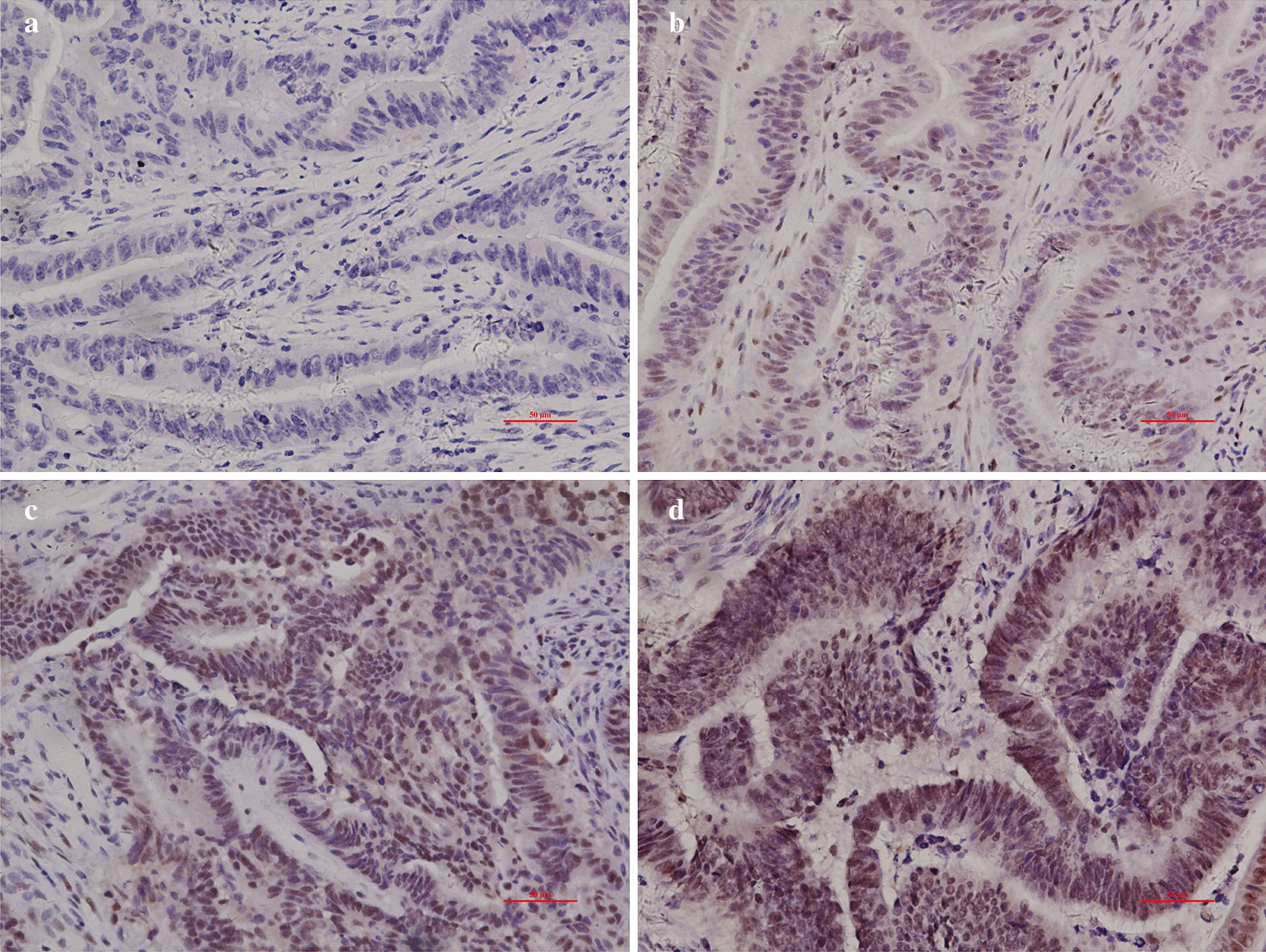
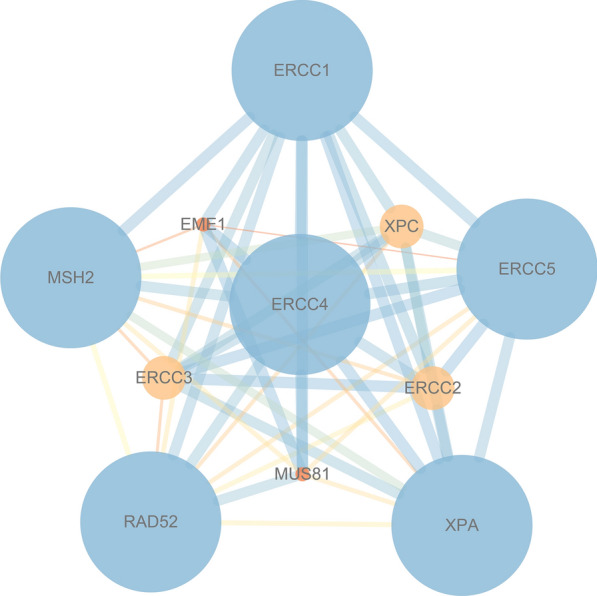
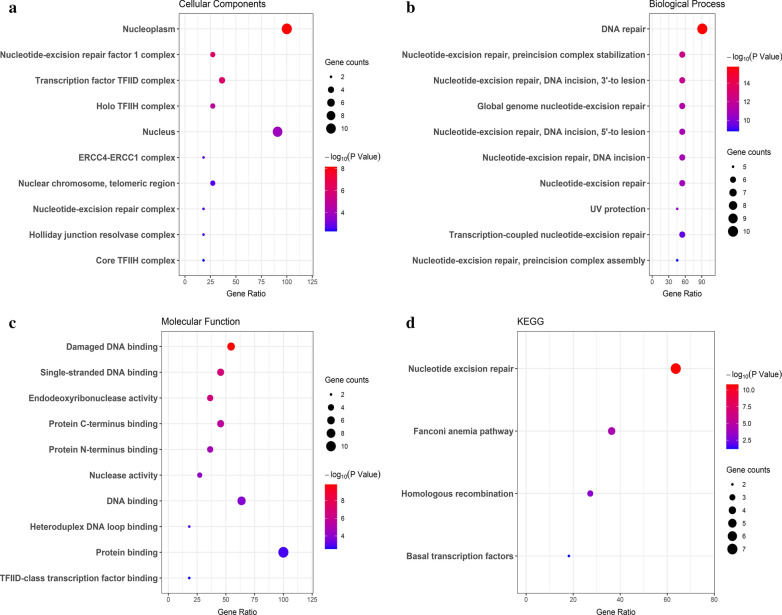
In this experiment, a total of 824 cases of colorectal tissue were collected. XPF protein expression was detected by immunohistochemical staining. We conducted a Mann-Whitney U test in order to explore the differential expression of XPF between CRC and non-cancer controls, and the correlation between XPF expression and CRC clinicopathological parameters. Univariate and multivariate Cox regression analyses were conducted to investigate the relationship between XPF expression and CRC prognosis. The Java based software GSEA as well as STRING, David, GO, KEGG were used to explore the function and regulation network of XPF.
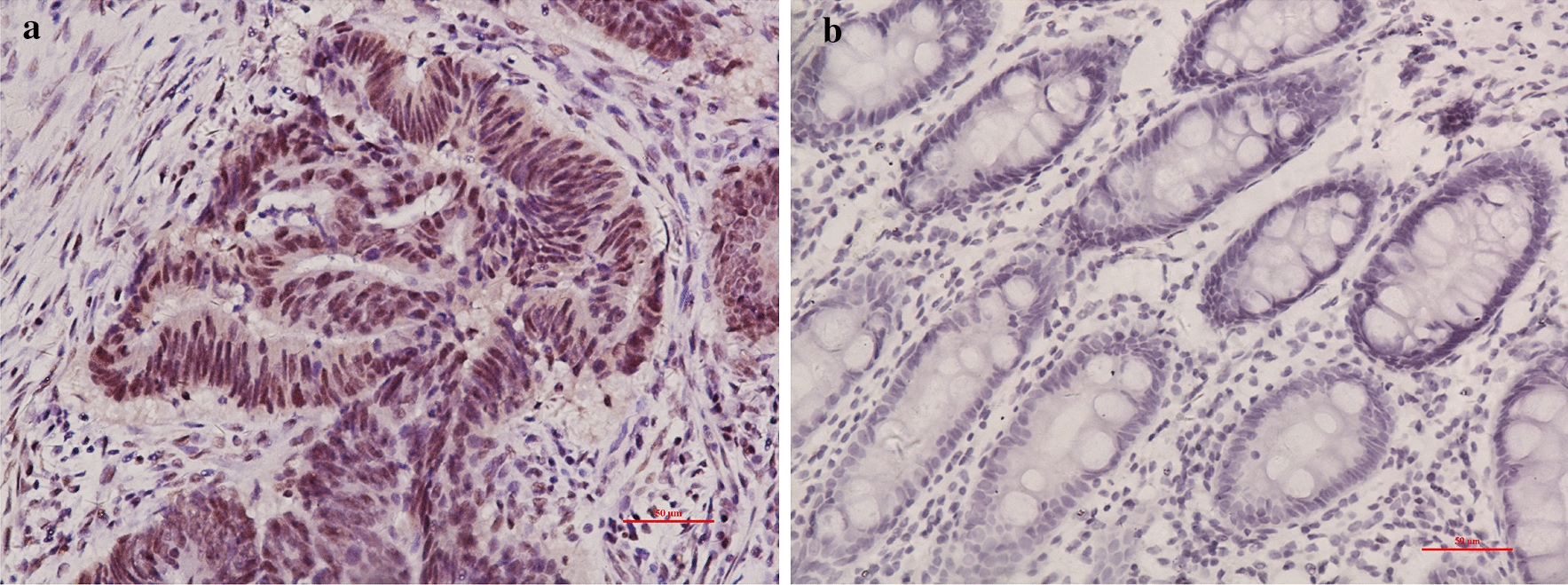
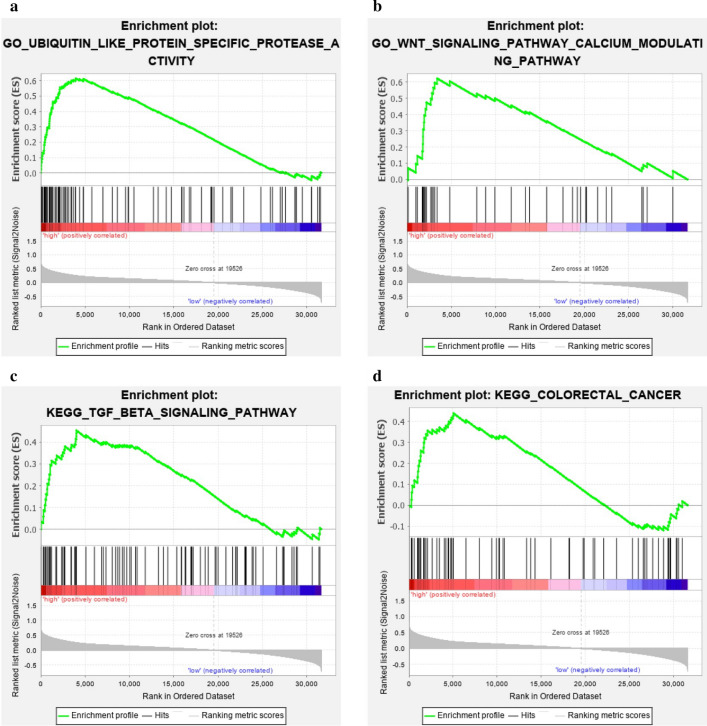
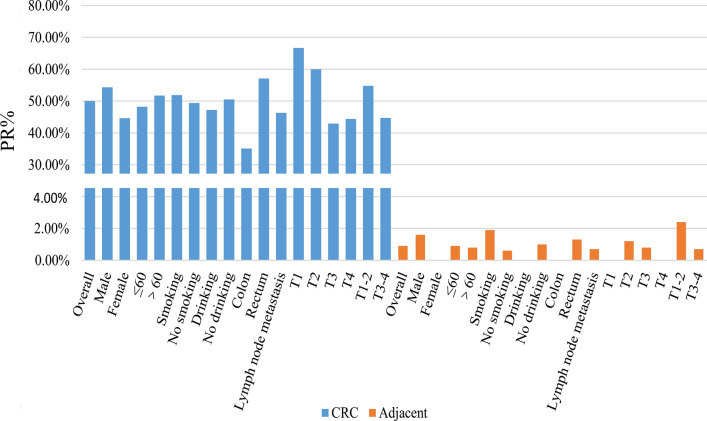
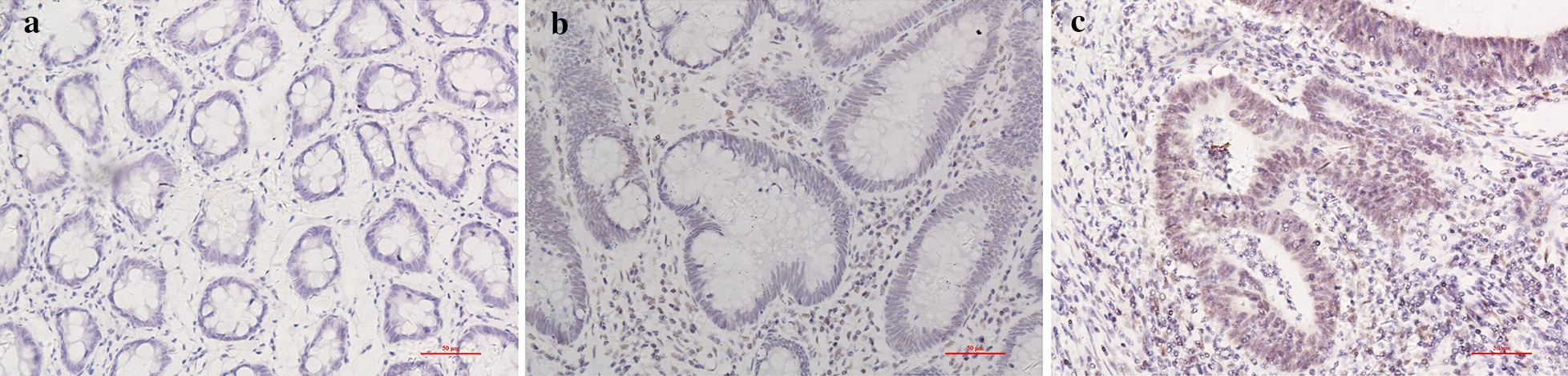
The results demonstrated that the XPF expression in CRC was significantly up-regulated compared with non-tumor controls (P < 0.001) and adenoma tissue (P < 0.001). XPF protein was increased in the dynamic sequence of anal diseases to adenoma tissue to CRC. Expression of XPF was related to tumor location (P = 0.005) and tumor growth pattern (P = 0.009). The results of prognosis analysis suggested that in patients with stage T1-T2, XPF low expression may be significantly associated with better overall survival (HR = 7.978, 95% CI 1.208-52.673, P = 0.031). XPF and its interacting genes played a vital role in different processes of nucleotide excision repair pathway. XPF expression was related with Ubiquitin like protein specific protease activity.
XPF might be a promising biomarker for CRC risk, and also showed potential as a prognostic predictor in CRC patients.
XPF(着色性干皮病互补组F)是核苷酸切除修复途径中DNA损伤切除的关键因素。XPF表达与结直肠癌(CRC)的风险及预后之间的关系尚不清楚。
本实验共收集824例结直肠组织。采用免疫组织化学染色检测XPF蛋白表达。进行Mann-Whitney U检验以探讨CRC与非癌对照之间XPF的差异表达,以及XPF表达与CRC临床病理参数之间的相关性。进行单因素和多因素Cox回归分析以研究XPF表达与CRC预后的关系。使用基于Java的软件GSEA以及STRING、David、GO、KEGG来探索XPF的功能和调控网络。
结果表明,与非肿瘤对照(P < 0.001)和腺瘤组织(P < 0.001)相比,CRC中XPF表达显著上调。XPF蛋白在肛门疾病到腺瘤组织再到CRC的动态序列中增加。XPF的表达与肿瘤位置(P = 0.005)和肿瘤生长模式(P = 0.009)有关。预后分析结果表明,在T1-T2期患者中,XPF低表达可能与更好的总生存期显著相关(HR = 7.978,95%CI 1.208-52.673,P = 0.031)。XPF及其相互作用基因在核苷酸切除修复途径的不同过程中起重要作用。XPF表达与泛素样蛋白特异性蛋白酶活性有关。
XPF可能是CRC风险的一个有前景的生物标志物,并且在CRC患者中也显示出作为预后预测指标的潜力。