Tierney Stephanie, Dawson Shoba, Boylan Anne-Marie, Richards Gillian, Park Sophie, Turk Amadea, Babatunde Opeyemi
Nuffield Department of Primary Care Health Sciences, University of Oxford, Oxford, UK.
Centre for Academic Primary Care, Population Health Sciences, Bristol Medical School, University of Bristol, Bristol, UK.
Res Involv Engagem. 2021 Jan 6;7(1):3. doi: 10.1186/s40900-020-00244-z.
Patient and public involvement (PPI) can help with steering and shaping research prioritisation and execution. However, some groups of people may not be encouraged to take part and their voices may be seldom listened to in the production of research. This is important to consider because they may have poorer healthcare experiences. We tried using art as a vehicle for including individuals not necessarily invited to be part of research priority setting.
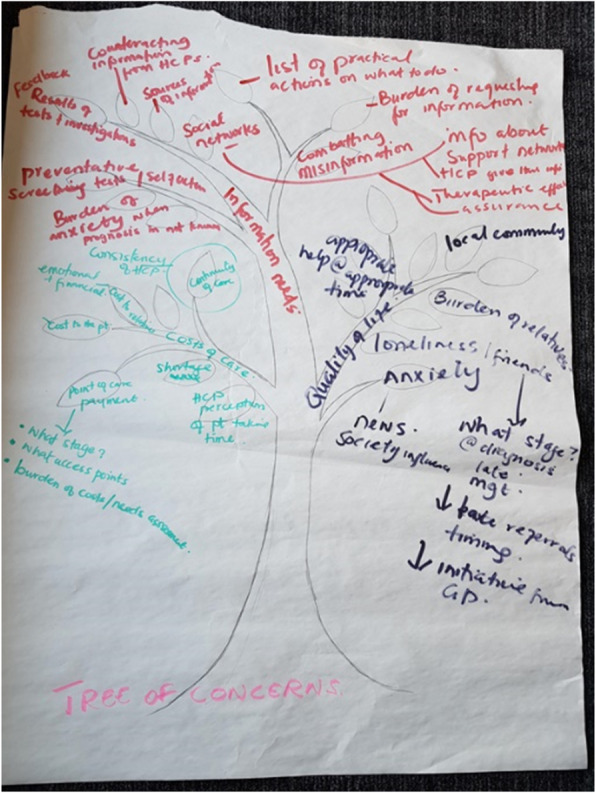
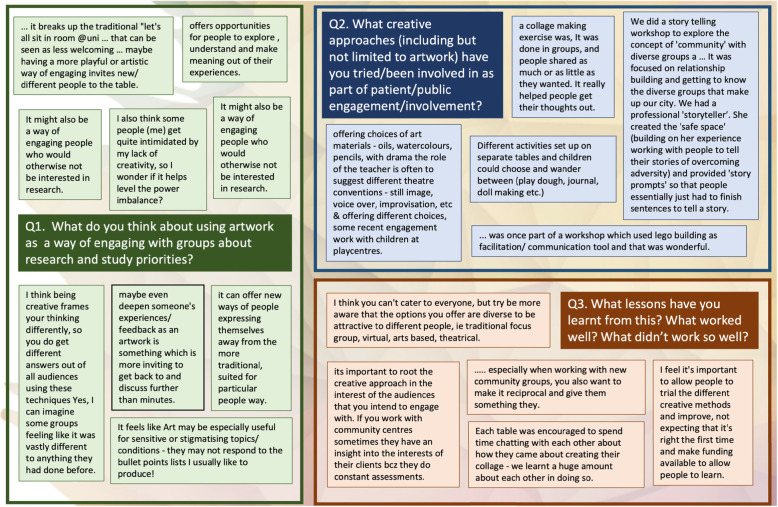
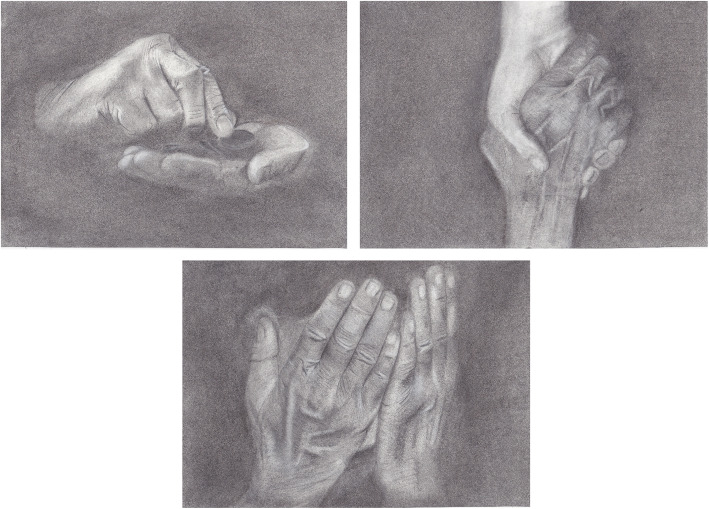
We contacted existing groups and organisations to reach people not routinely supported to be part of PPI. We targeted individuals: a) with dementia, b) with a mental and physical health condition, c) of South Asian heritage. We ran a workshop with each group at which individuals shared their experiences of healthcare. A young amateur artist also attended, who produced a piece of artwork afterwards that reflected the research priorities raised. We held a Twitter chat to discuss these pieces of art and the processes involved in their generation.
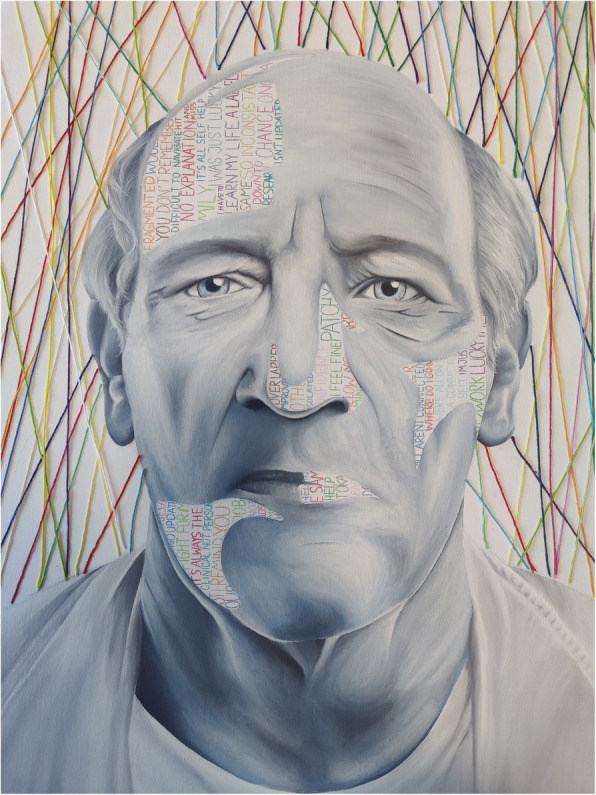
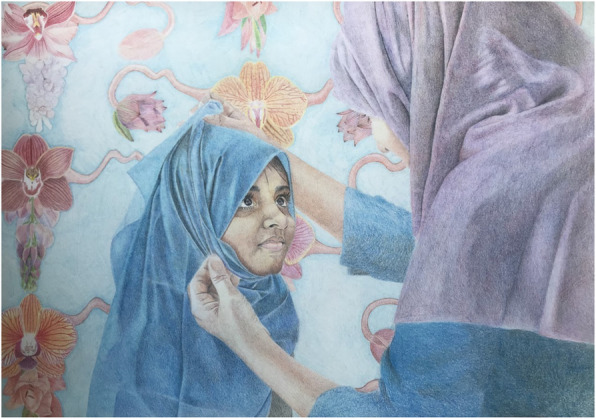
From each workshop, we produced a list of research priorities. These included: a) improving coordination of care for people with dementia, b) information needs and anxiety/guilt around accessing care for people with physical and mental health conditions, c) supporting discussion of women's health issues in South Asian communities. These priorities were reflected in three pieces of art, which can be viewed online. Feedback from those at workshops suggested that the artwork helped them to feel that their voice had been heard and triggered their interest in how research is developed. Those involved in the Twitter chat commented that art was one means through which researchers could connect with a range of groups in a PPI context when preparing and producing a study.
We found the medium of art to be an effective way of including a range of people in research prioritisation setting. This approach could be useful for future PPI, building on what we have learnt from the project described in this paper.
患者及公众参与(PPI)有助于指导和塑造研究的优先级及执行过程。然而,某些人群可能未被鼓励参与其中,并且在研究过程中他们的声音可能很少被倾听。考虑到这一点很重要,因为他们可能有较差的医疗体验。我们尝试将艺术作为一种手段,纳入那些不一定被邀请参与研究优先级设定的个人。
我们联系了现有的团体和组织,以接触那些通常不被支持参与患者及公众参与的人群。我们针对以下几类人群:a)患有痴呆症的人,b)有身心健康问题的人,c)南亚裔人群。我们为每个群体举办了一次研讨会,让他们分享医疗体验。一位年轻的业余艺术家也参加了,之后创作了一件反映所提出研究优先级的艺术作品。我们举办了一场推特聊天,讨论这些艺术作品以及创作过程。
从每个研讨会中,我们得出了一份研究优先级清单。这些包括:a)改善痴呆症患者护理的协调,b)有身心健康问题的人在获取护理方面的信息需求以及焦虑/内疚感,c)支持在南亚社区讨论女性健康问题。这些优先级反映在三件艺术作品中,可在线查看。研讨会上参与者的反馈表明,艺术作品让他们感觉自己的声音被听到了,并激发了他们对研究开展方式的兴趣。参与推特聊天的人评论说,在准备和开展一项研究时,艺术是研究人员在患者及公众参与背景下与一系列群体建立联系的一种方式。
我们发现艺术媒介是让一系列人群参与研究优先级设定的有效方式。基于我们从本文所述项目中学到的经验,这种方法可能对未来的患者及公众参与有用。