Gajdács Márió, Ábrók Marianna, Lázár Andrea, Burián Katalin
Department of Pharmacodynamics and Biopharmacy, Faculty of Pharmacy, University of Szeged, Szeged 6720, Hungary.
Institute of Clinical Microbiology, Faculty of Medicine, University of Szeged, Szeged, Hungary.
Infect Drug Resist. 2020 Dec 31;13:4739-4749. doi: 10.2147/IDR.S279157. eCollection 2020.
Pyogenic β-hemolytic streptococci (including Group A, C and G ) are some of the most important Gram-positive bacterial pathogens in human medicine. Although effective therapy is available, invasive streptococcal infections are associated with a significant disease burden.
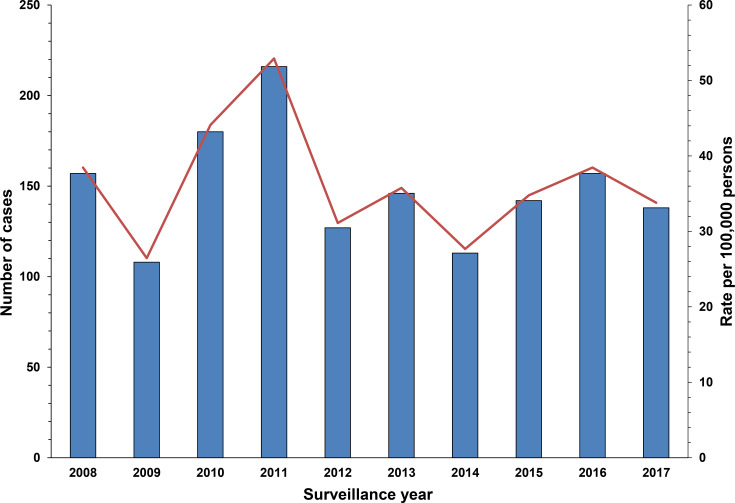
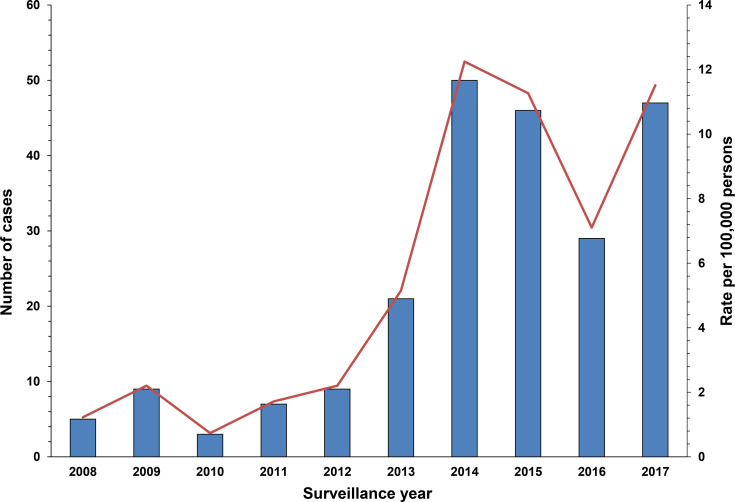
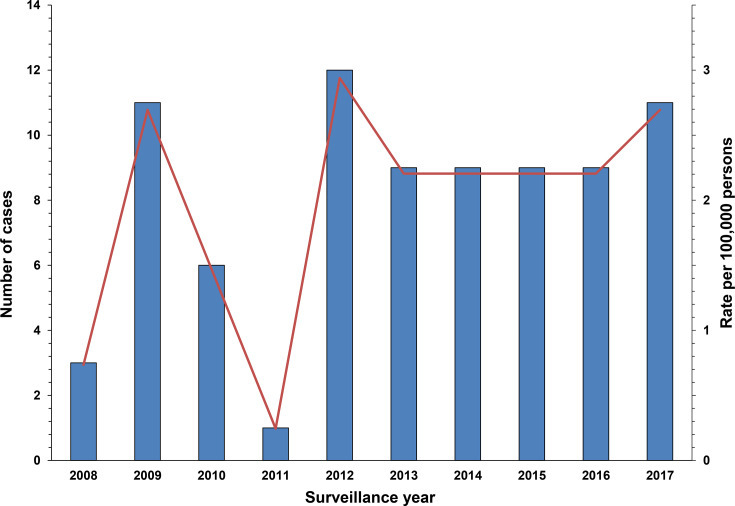
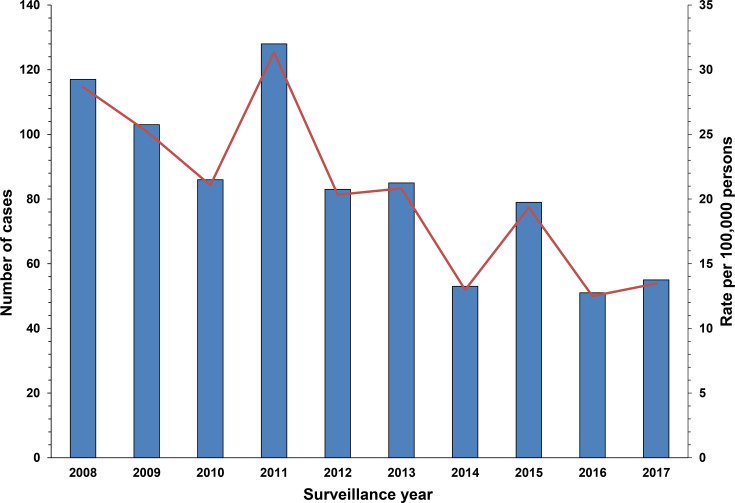
In this retrospective study, the epidemiological characteristics of invasive Group A (iGAS) and Group C and G (iGCGS) streptococci, along with tonsillo-pharyngitis-causing pGAS and pGCGS infections, were assessed in Southern Hungary. A total of 1554 cases of streptococcal tonsillo-pharyngitis infections (26.5-44.1/100,000 persons, pGAS: 95.5%; n=1484) and 1104 cases of invasive streptococcal infections were detected (12.5-31.4/100,000 persons, iGAS: 77.9%; n=861).
The average age of the affected patients in the various groups were the following: pGAS: 13.2±13.1 years, pGCGS: 21.0±15.0 years (p=0.039), iGAS: 49.1±12.8 years, iGCGS: 58.7±18.5 years (p>0.05). iGAS isolates originated from abscesses (47.1%), blood culture samples (24.1%), surgical samples (16.7%), biopsies (4.6%), pleural fluid (3.5%), pus (2.0%), synovial fluid (1.3%) and cerebrospinal fluid samples (0.7%). In contrast, iGCGS isolates mainly originated from blood culture samples (53.8%), abscesses (22.9%), surgical samples (12.3%), synovial fluid (5.1%), pleural fluid (3.7%), pus (1.8%) and cerebrospinal fluid samples (0.4%). All respective isolates were susceptible to benzyl-penicillin; overall resistance levels for erythromycin (10.5% for GAS, 21.4% for GCGS) and clindamycin (9.2% for GAS, 17.2% for GCGS) were significantly higher in GCGS isolates, while resistance levels for norfloxacin were higher in GAS isolates (13.5% for GAS, 6.9% for GCGS).
The rates of resistance to macrolides and clindamycin are a cause for concern (especially among GCGS isolates); however, resistance levels are still relatively low, compared to Southern European countries.
化脓性β溶血性链球菌(包括A、C和G组)是人类医学中一些最重要的革兰氏阳性细菌病原体。尽管有有效的治疗方法,但侵袭性链球菌感染仍伴随着重大的疾病负担。
在这项回顾性研究中,对匈牙利南部侵袭性A组(iGAS)以及C组和G组(iGCGS)链球菌的流行病学特征,以及导致扁桃体咽炎的咽峡炎A组链球菌(pGAS)和咽峡炎C组和G组链球菌(pGCGS)感染进行了评估。共检测到1554例链球菌扁桃体咽炎感染病例(26.5 - 44.1/100,000人,pGAS:95.5%;n = 1484)和1104例侵袭性链球菌感染病例(12.5 - 31.4/100,000人,iGAS:77.9%;n = 861)。
各组受影响患者的平均年龄如下:pGAS:13.2±13.1岁,pGCGS:21.0±15.0岁(p = 0.039),iGAS:49.1±12.8岁,iGCGS:58.7±18.5岁(p>0.05)。iGAS分离株来源于脓肿(47.1%)、血培养样本(24.1%)、手术样本(16.7%)、活检样本(4.6%)、胸水(3.5%)、脓液(2.0%)、滑液(1.3%)和脑脊液样本(0.7%)。相比之下,iGCGS分离株主要来源于血培养样本(53.8%)、脓肿(22.9%)、手术样本(12.3%)、滑液(5.1%)、胸水(3.7%)、脓液(1.8%)和脑脊液样本(0.4%)。所有相应分离株对苄星青霉素敏感;GCGS分离株中红霉素(GAS为10.5%,GCGS为21.4%)和克林霉素(GAS为9.2%,GCGS为17.2%)的总体耐药水平显著更高,而诺氟沙星的耐药水平在GAS分离株中更高(GAS为13.5%,GCGS为6.9%)。
对大环内酯类和克林霉素的耐药率令人担忧(尤其是在GCGS分离株中);然而,与南欧国家相比,耐药水平仍然相对较低。