Itzek Andreas, Weißbach Victoria, Meintrup David, Rieß Beate, van der Linden Mark, Borgmann Stefan
German National Reference Center for Streptococci, Institute of Medical Microbiology, University Hospital RWTH Aachen, 52074 Aachen, Germany.
Department of Infectious Diseases and Infection Control, Ingolstadt Hospital, 85049 Ingolstadt, Germany.
Pathogens. 2023 Apr 13;12(4):589. doi: 10.3390/pathogens12040589.
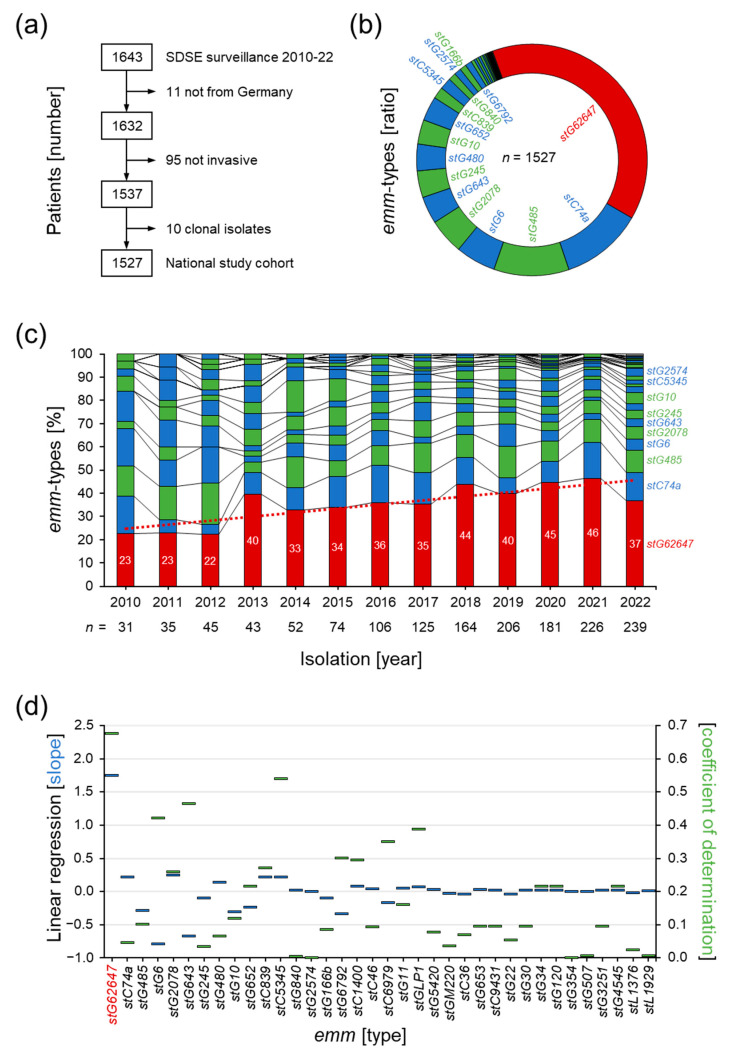
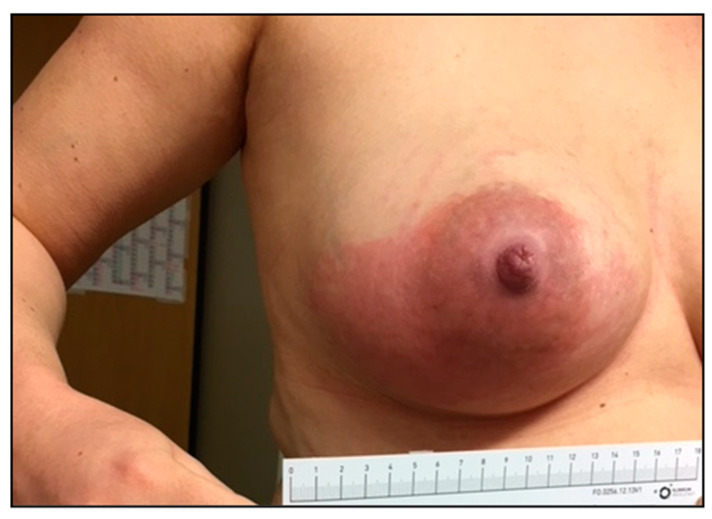
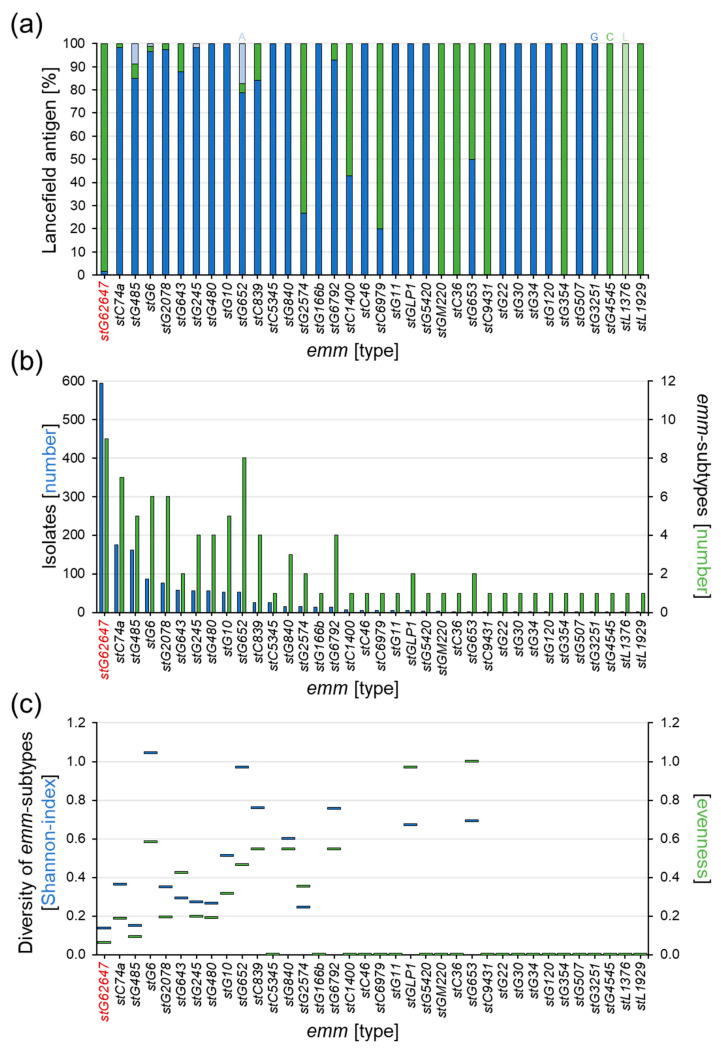
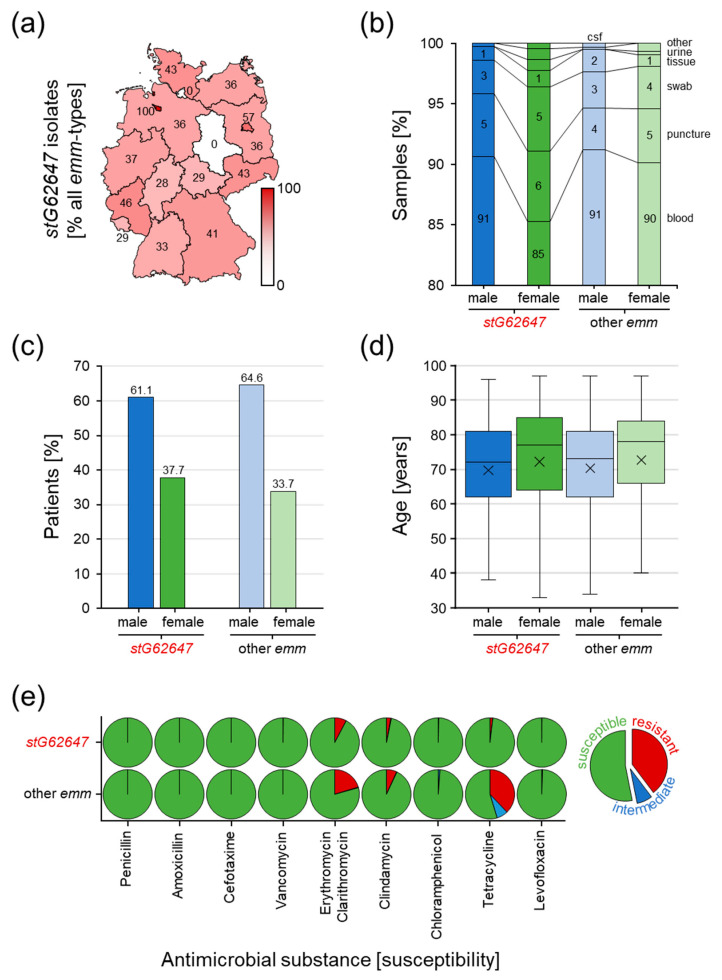
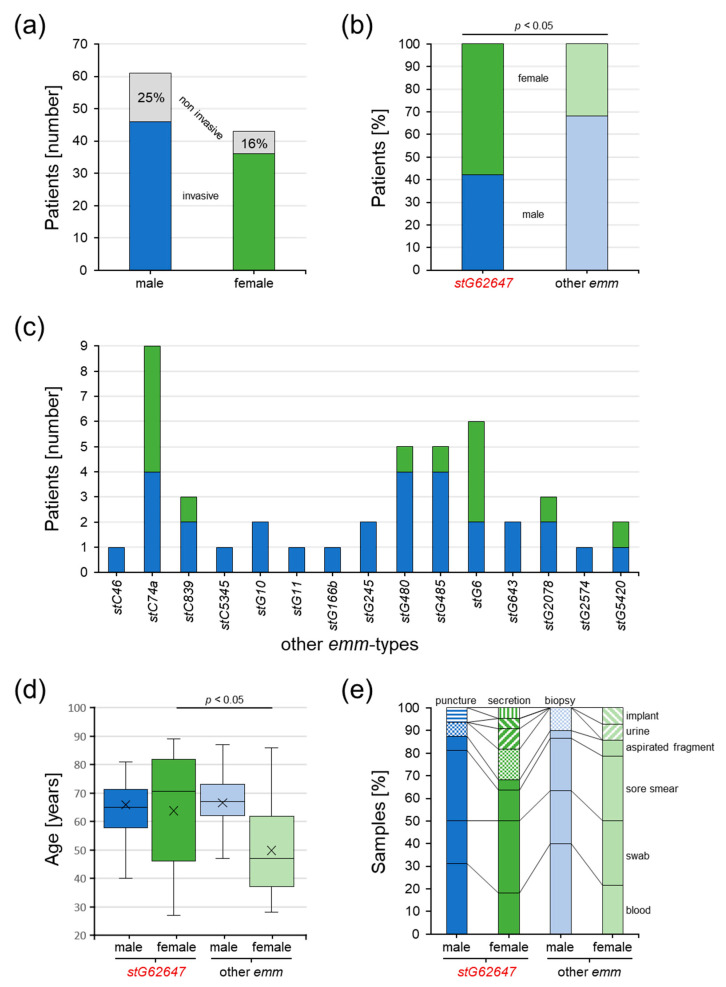
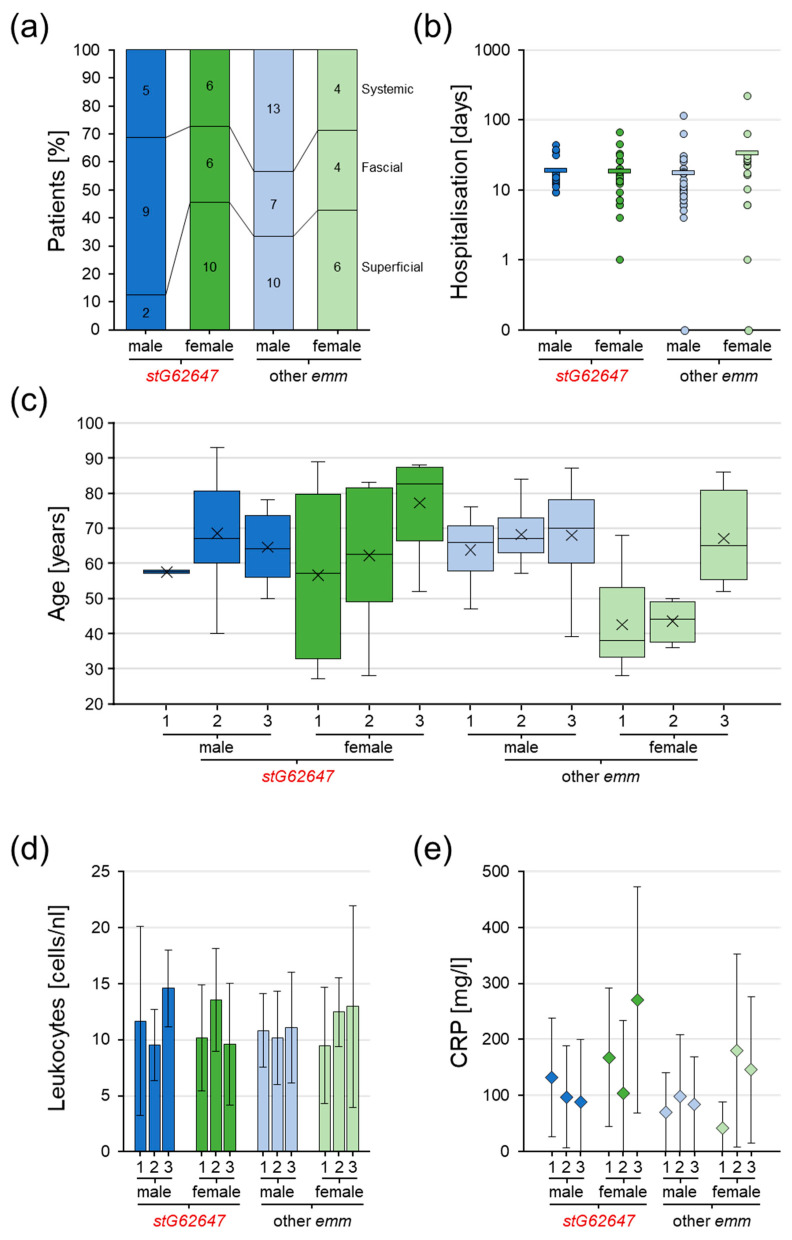
(1) Background: subspecies (SDSE) is an important β-hemolytic pathogen historically described as mainly affecting animals. Studies epidemiologically assessing the pathogenicity in the human population in Germany are rare. (2) Methods: the present study combines national surveillance data from 2010 to 2022 with a single-center clinical study conducted from 2016 to 2022, focusing on type, Lancefield antigen, antimicrobial resistance, patient characteristics, disease severity, and clinical infection markers. (3) Results: The nationwide reported invasive SDSE infections suggest an increasing infection burden for the German population. One particular type, , increased over the study period, being the dominant type in both study cohorts, suggesting a mutation-driven outbreak of a virulent clone. The patient data show that men were more affected than women, although in the single-center cohort, this trend was reversed for patients with SDSE. Men affected by developed predominantly fascial infections, whereas women suffering from superficial and fascial non-stG62647 SDSE infections were significantly younger than other patients. Increasing age was a general risk factor for invasive SDSE infections. (4) Conclusions: further studies are needed to further elucidate the raised questions regarding outbreak origin, underlying molecular mechanisms as well as sex-dependent pathogen adaptation.
(1) 背景:亚种(SDSE)是一种重要的β溶血性病原体,历史上主要描述为感染动物。在德国,从流行病学角度评估其对人类致病性的研究很少。(2) 方法:本研究将2010年至2022年的国家监测数据与2016年至2022年进行的一项单中心临床研究相结合,重点关注类型、兰斯菲尔德抗原、抗菌药物耐药性、患者特征、疾病严重程度和临床感染标志物。(3) 结果:全国报告的侵袭性SDSE感染表明德国人群的感染负担在增加。在研究期间,一种特定类型增加,在两个研究队列中都是主要类型,表明是由突变驱动的毒力克隆爆发。患者数据显示男性比女性受影响更大,尽管在单中心队列中,对于SDSE患者,这种趋势相反。受影响的男性主要发生筋膜感染,而患有浅表和筋膜非stG62647 SDSE感染的女性明显比其他患者年轻。年龄增长是侵袭性SDSE感染的一个普遍危险因素。(4) 结论:需要进一步研究以进一步阐明关于疫情起源、潜在分子机制以及性别依赖性病原体适应性等提出的问题。