Langenberg Lisette Charlotte, Vieira Lima Guilherme, Heitkamp Sebastiaan Emanuel, Kemps Floortje Lutgart Arnoldus Maria, Jones Matthew Simon, Moreira Miguel António de Almeida Garcia, Eygendaal Denise
Department of Orthopaedic Surgery, Amphia, Breda, the Netherlands.
Shoulder & Elbow Surgeon, Faculdade de Medicina do ABC e do Hospital Ipiranga, São Paulo, SP, Brasil.
Sports Med Open. 2021 Jan 6;7(1):2. doi: 10.1186/s40798-020-00289-0.
Wave surfing will debut in the next Olympic Games and is increasingly popular as a sport. Chronic shoulder complaints are frequently reported amongst surfers, though literature researching its pathophysiology and prevention is scarce. This article provides an overview of the current literature, proposes a potential pathogenesis and a potential physiotherapeutic prevention program for surf-induced shoulder complaints.
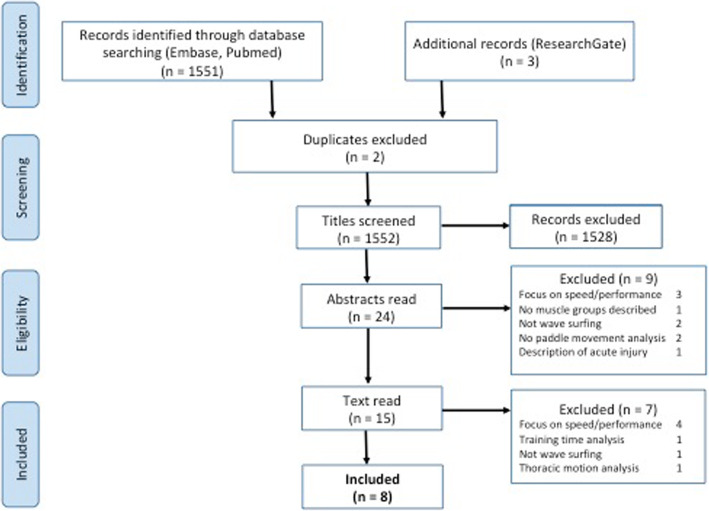
A systematic review was performed considering the Preferred Reporting Items for Systematic Reviews and Meta-Analyses (PRISMA) guidelines for articles regarding kinematic analysis of the surf paddling movement. Data sources were Embase, MEDLINE (PubMed) and Research gate. We included case series and cohort studies that originally studied or described the paddle movement made by wave surfers, studies that reported on kinesiologic analysis with nerve conduction studies and studies on 3D motion analysis of the shoulder while paddling.
Eight original articles were included that analysed the shoulder movement in paddling surfers. Muscles that are active during paddling are mainly internal rotators and muscles that are involved in shoulder flexion. Internal rotators are active in propelling the surfer through the water, though external rotator strength is only used while the arm is out of the water.
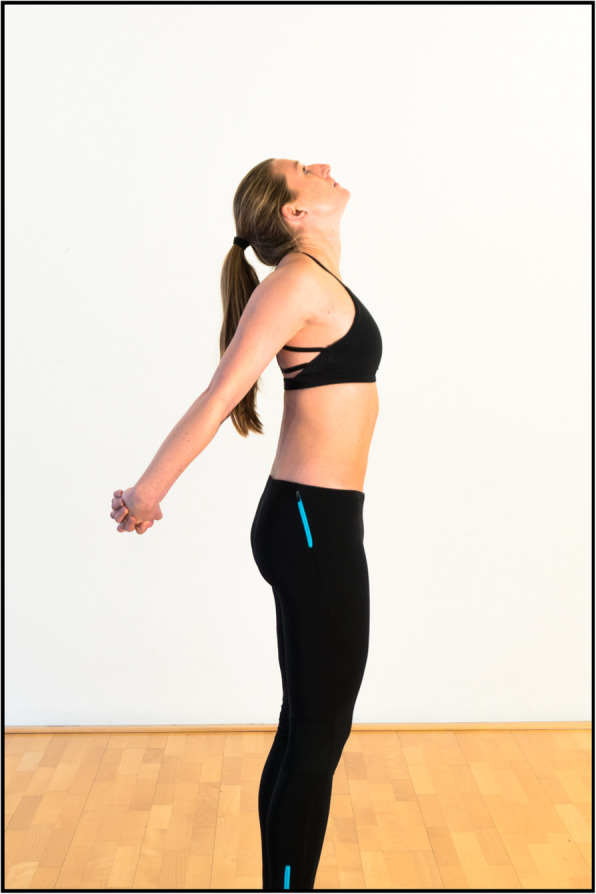
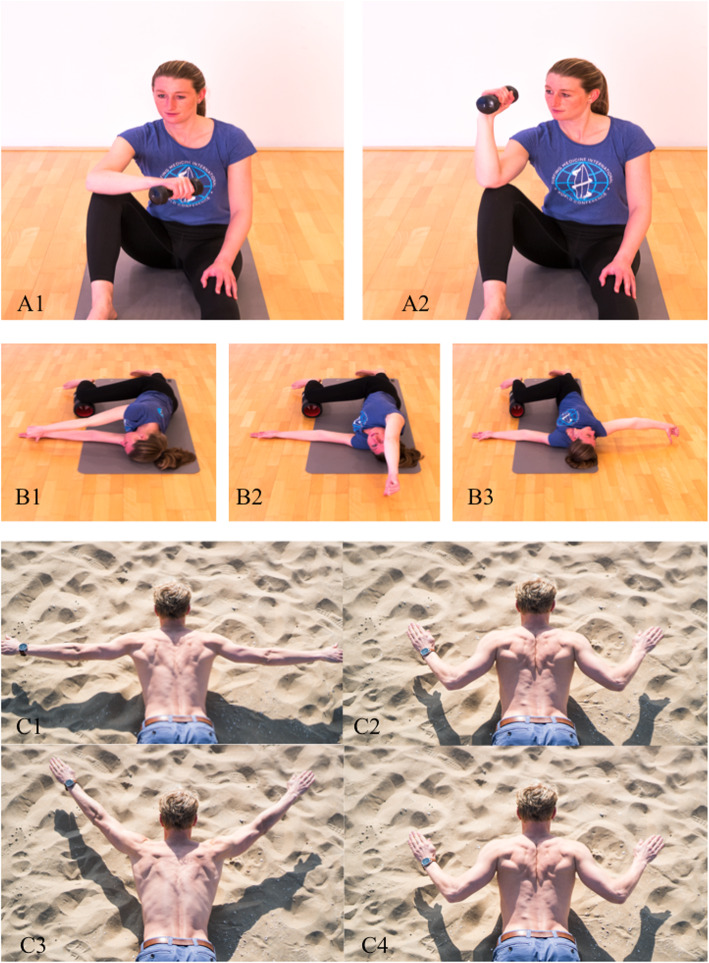
In surfers with shoulder complaints, external rotation range of motion and external rotation strength are impaired. Scapulothoracic dyskinesis may occur and subacromial pain syndrome may coincide. Further research should address potential pectoralis minor shortening, which may lead to aberrant scapular tilt and lateral rotation of the scapula. The surfer's shoulder is characterised by external rotation deficit, as opposed to internal rotation deficit in the thrower's shoulder, and it differs substantially from shoulder complaints in swimmers. Therefore, a specific prevention or rehabilitation protocol for surfers is required. Decreased thoracic extension may thereby alter the risk of scapular dyskinesis and hence increase the risk of impingement around the shoulder joint. A potential physiotherapeutic prevention programme should address all these aspects, with the main goal being to increase external rotator strength and to stretch the internal rotators.
There is a high incidence of chronic surf-induced shoulder complaints in surfers. Symptoms may arise due to imbalanced training or scapular dyskinesis, which may subsequently trigger subacromial pain. Physiotherapeutic prevention should include stretching of the internal rotators, external rotator training and optimisation of thoracic extension and scapulothoracic movement.
冲浪运动将在未来的奥运会上首次亮相,并且作为一项运动越来越受欢迎。冲浪者中经常报告有慢性肩部问题,然而研究其病理生理学和预防的文献却很匮乏。本文概述了当前的文献,提出了冲浪引起的肩部问题的潜在发病机制和潜在的物理治疗预防方案。
按照系统评价与Meta分析的首选报告项目(PRISMA)指南,对有关冲浪划水动作运动学分析的文章进行了系统评价。数据来源为Embase、MEDLINE(PubMed)和Research gate。我们纳入了最初研究或描述冲浪者划水动作的病例系列和队列研究、报告了神经传导研究的运动学分析的研究以及划水时肩部的三维运动分析研究。
纳入了8篇分析冲浪者划水时肩部运动的原创文章。划水时活跃的肌肉主要是内旋肌和参与肩部前屈的肌肉。内旋肌在推动冲浪者在水中前进时起作用,而外旋肌力量仅在手臂出水时使用。
在有肩部问题的冲浪者中,外展活动范围和外旋力量受损。可能会发生肩胛胸壁运动障碍,并且可能同时出现肩峰下疼痛综合征。进一步的研究应关注潜在的胸小肌缩短,这可能导致异常的肩胛倾斜和肩胛骨的外旋。冲浪者肩部的特征是外旋不足,与投掷者肩部的内旋不足相反,并且与游泳者的肩部问题有很大不同。因此,需要针对冲浪者的特定预防或康复方案。胸段伸展减少可能会改变肩胛运动障碍的风险,从而增加肩关节周围撞击的风险。一个潜在的物理治疗预防方案应解决所有这些方面,主要目标是增加外旋肌力量并拉伸内旋肌。
冲浪者中慢性冲浪引起的肩部问题发生率很高。症状可能由于训练不平衡或肩胛运动障碍而出现,这可能随后引发肩峰下疼痛。物理治疗预防应包括拉伸内旋肌、外旋肌训练以及优化胸段伸展和肩胛胸壁运动。