Division of Gynecologic Oncology, Department of Obstetrics and Gynecology, University of North Carolina School of Medicine, Chapel Hill, North Carolina.
Obstet Gynecol. 2021 Feb 1;137(2):355-370. doi: 10.1097/AOG.0000000000004240.
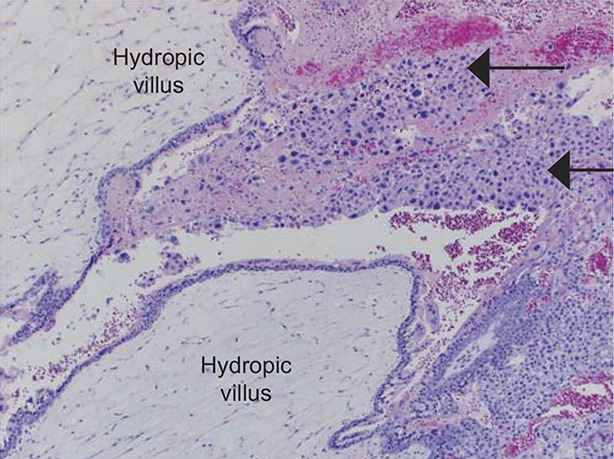
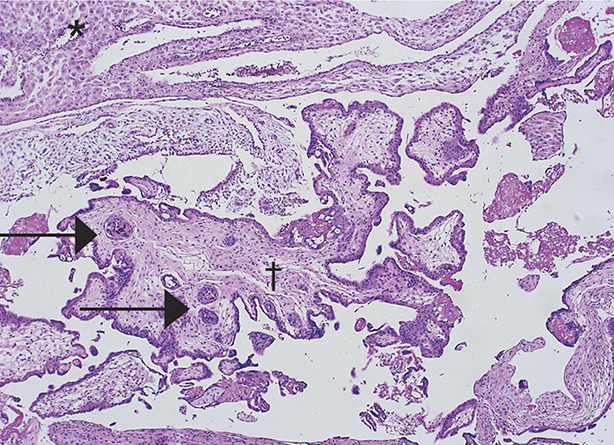
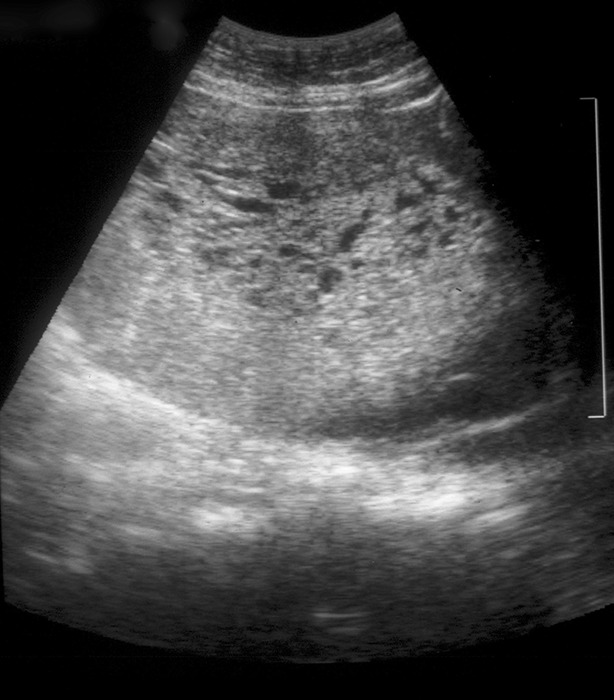
This review summarizes the current evaluation and management of gestational trophoblastic disease, including evacuation of hydatidiform moles, surveillance after evacuation of hydatidiform mole and the diagnosis and management of gestational trophoblastic neoplasia. Most women with gestational trophoblastic disease can be successfully managed with preservation of reproductive function. It is important to manage molar pregnancies properly to minimize acute complications and to identify gestational trophoblastic neoplasia promptly. Current International Federation of Gynecology and Obstetrics guidelines for making the diagnosis and staging of gestational trophoblastic neoplasia allow uniformity for reporting results of treatment. It is important to individualize treatment based on their risk factors, using less toxic therapy for patients with low-risk disease and aggressive multiagent therapy for patients with high-risk disease. Patients with gestational trophoblastic neoplasia should be managed in consultation with an individual experienced in the complex, multimodality treatment of these patients.
这篇综述总结了妊娠滋养细胞疾病的当前评估和管理,包括葡萄胎的清除、葡萄胎清除后的监测以及妊娠滋养细胞肿瘤的诊断和管理。大多数妊娠滋养细胞疾病的女性可以通过保留生殖功能成功治疗。正确处理葡萄胎以最大程度减少急性并发症并及时发现妊娠滋养细胞肿瘤非常重要。目前国际妇产科联合会(FIGO)关于妊娠滋养细胞肿瘤的诊断和分期指南为治疗结果的报告提供了一致性。根据其危险因素个体化治疗非常重要,对于低危疾病患者使用毒性较小的治疗方法,对于高危疾病患者使用积极的多药治疗方法。妊娠滋养细胞肿瘤患者应在有经验的个体的咨询下进行管理,该个体在这些患者的复杂、多模式治疗方面具有经验。