Department of Orthopaedic Surgery, RWTH Aachen University Clinic, Pauwelsstraße 30, 52074, Aachen, Germany.
Department of Medicine, Surgery and Dentistry, University of Salerno, Via S. Allende, 84081, Baronissi, SA, Italy.
Arch Orthop Trauma Surg. 2021 Jun;141(6):1007-1023. doi: 10.1007/s00402-020-03725-8. Epub 2021 Jan 8.
The role of tourniquet during knee arthroplasty is controversial. The present study compares various tourniquet protocols using a Bayesian network meta-analysis of peri-operative data.
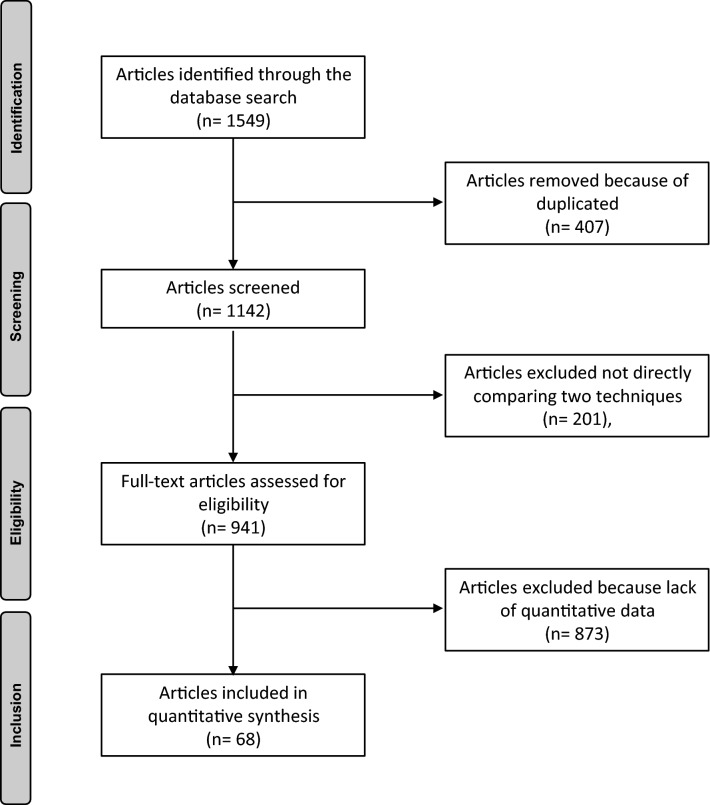
The present study was conducted in accordance with the PRISMA extension statement for reporting systematic reviews incorporating network meta-analyses of health interventions. The literature search was conducted in September 2020. All clinical trials investigating the role of tourniquet in knee arthroplasty were considered for inclusion. Methodological quality was assessed using Review Manager 5.3. A Bayesian hierarchical random-effects model analysis was used in all comparisons.
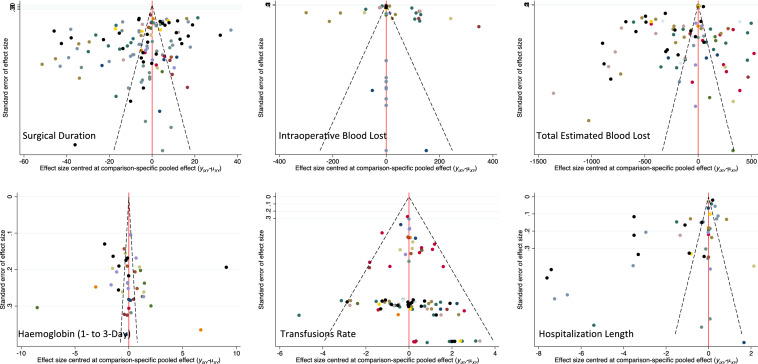
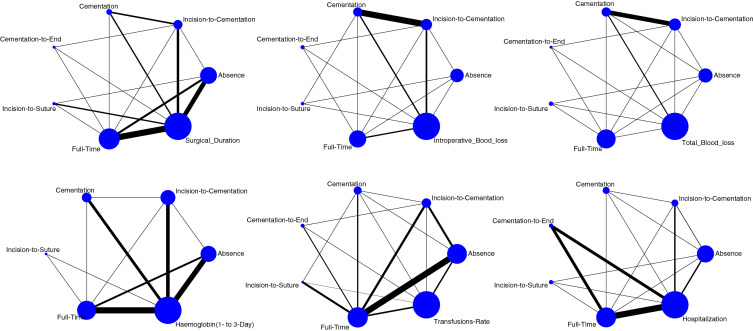
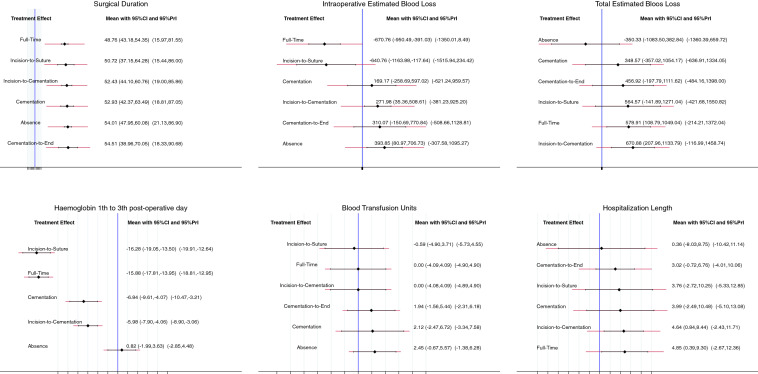
Ultimately, pooled data from 68 studies (7413 procedures) were analysed. Significant inconsistency was found in the data relating to total estimated blood lost; no assumption could be made on this outcome. Full-time tourniquet resulted in the shortest surgical duration and lowest intra-operative blood lost, in both cases followed by incision-to-suture. The incision-to-suture protocol achieved the smallest drop in haemoglobin during the first 72 h post-operatively and the lowest rate of blood transfusion, both followed by full-time tourniquet. Hospitalisation was shortest in the absence (no-tourniquet) group, followed by the cementation-to-end group.
For knee arthroplasty, longer tourniquet use is associated with the shorter duration of surgery, lower intra-operative blood lost, lower drops in haemoglobin and fewer transfusion units. The shortest average hospitalisation was associated with no tourniquet use.
在膝关节置换术中使用止血带的作用存在争议。本研究通过对围手术期数据的贝叶斯网状meta 分析比较了各种止血带方案。
本研究按照 PRISMA 扩展声明进行,该声明用于报告健康干预措施的网状 meta 分析系统评价。文献检索于 2020 年 9 月进行。所有研究止血带在膝关节置换术中作用的临床试验均被认为符合纳入标准。使用 Review Manager 5.3 评估方法学质量。在所有比较中均使用贝叶斯分层随机效应模型分析。
最终,对 68 项研究(7413 例手术)的汇总数据进行了分析。在总失血量方面的数据存在显著的不一致性;对于这一结果,无法做出任何假设。全时止血带可使手术时间最短,术中失血量最少,其次是切口至缝线。切口至缝线方案在术后 72 小时内血红蛋白下降最小,输血率最低,其次是全时止血带。在无止血带(无止血带)组中,住院时间最短,其次是在粘接至结束组。
对于膝关节置换术,使用更长时间的止血带与手术时间缩短、术中失血量减少、血红蛋白下降减少和输血单位减少相关。无止血带使用的平均住院时间最短。