Belkhir Kedafi, Pillon Caroline, Cayla Aurélie, Campagne Christine
GEMTEX-Laboratoire de Génie et Matériaux Textiles, ENSAIT, F-59000 Lille, France.
Université de Lyon, F-42023 Saint Etienne, France.
Materials (Basel). 2021 Jan 6;14(2):251. doi: 10.3390/ma14020251.
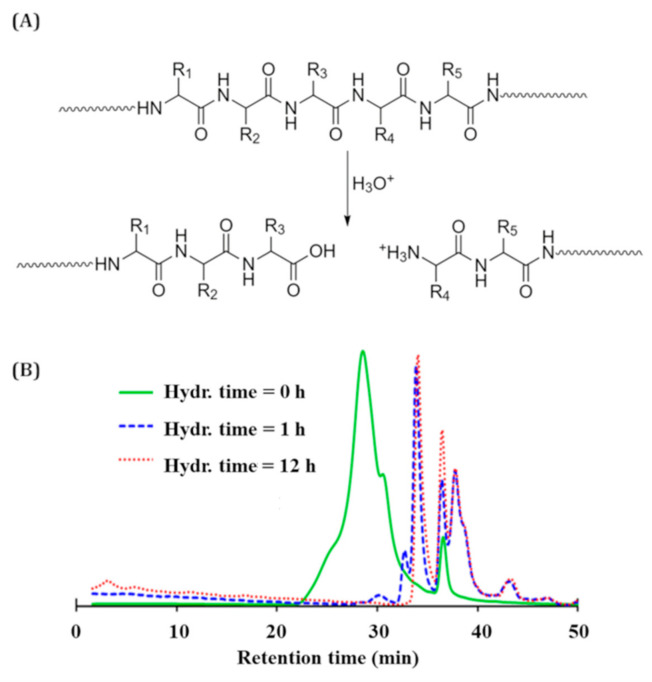
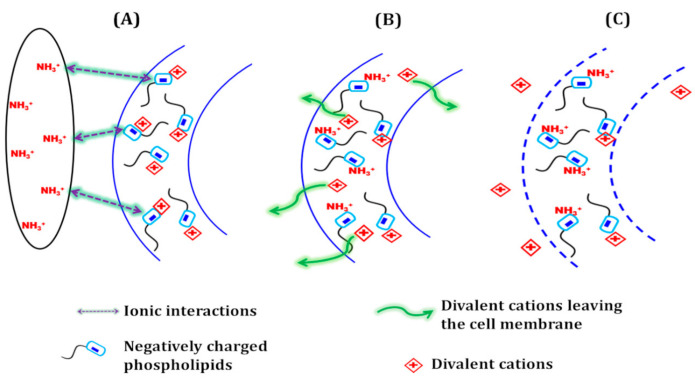
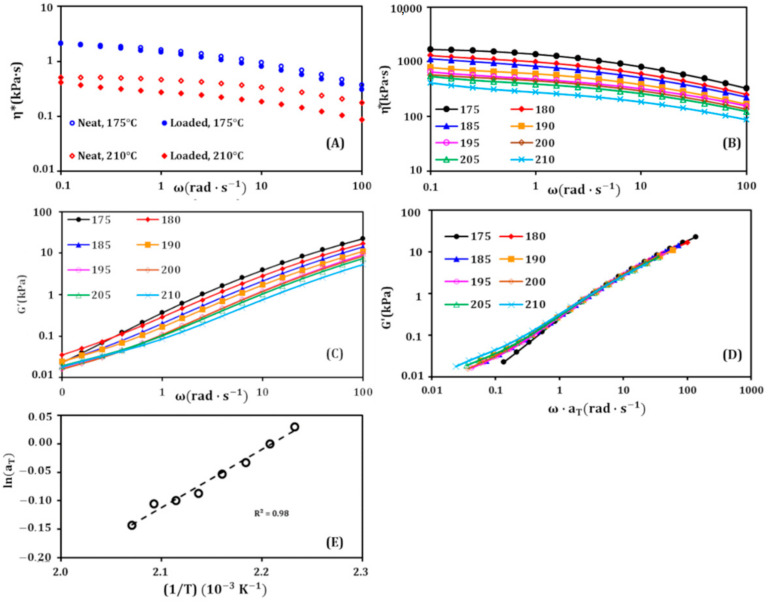
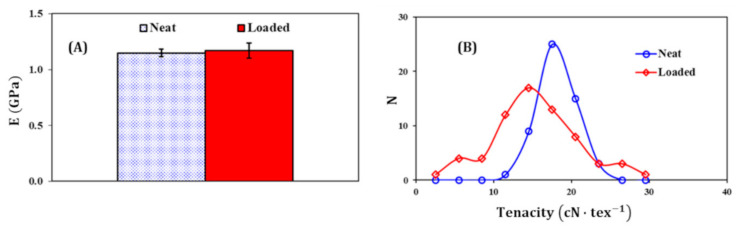
Antimicrobial textile structures are developed based on polypropylene (PP) and a natural material, hydrolyzed casein. The casein, from bovine milk, is subjected to acid hydrolysis in aqueous media, then blended into the PP matrix in the melt phase by extrusion. The obtained blend, containing 5 wt.% of hydrolyzed casein, is then processed by a melt spinning process to get multifilaments, leading to the production knitting structures. Thanks to the addition of the hydrolyzed casein, the obtained textile showed a strong antibacterial activity towards both Gram (+) and Gram (-) bacterial strains. The addition of 5 wt.% hydrolyzed casein does not significantly impact the mechanical properties of PP in the dumbbells form, but a small decrease was observed in the tenacity of the filaments. No moisture retention was observed after the addition of hydrolyzed casein, but the rheological behavior was slightly affected. The obtained results can contribute to addressing concerns regarding nonrenewable antibacterial agents used in textile materials, particularly their effects on the environment and human health, by offering antibacterial agents from a biobased and edible substance with high efficiency. They are also promising to respond to issues of wasting dairy products and recycling them, in addition to the advantages of using melt processes.
抗菌纺织结构是基于聚丙烯(PP)和一种天然材料——水解酪蛋白开发的。来自牛奶的酪蛋白在水性介质中进行酸水解,然后在熔融阶段通过挤出混合到PP基体中。然后,将含有5 wt.%水解酪蛋白的所得共混物通过熔融纺丝工艺加工成复丝,进而生产针织结构。由于添加了水解酪蛋白,所得纺织品对革兰氏阳性菌和革兰氏阴性菌菌株均表现出很强的抗菌活性。添加5 wt.%水解酪蛋白对哑铃状PP的机械性能没有显著影响,但观察到长丝的韧性略有下降。添加水解酪蛋白后未观察到保湿性,但流变行为受到轻微影响。所得结果有助于解决纺织材料中使用的不可再生抗菌剂相关问题,特别是它们对环境和人类健康的影响,通过提供一种高效的基于生物的可食用抗菌剂。除了使用熔融工艺的优点外,它们还有望解决乳制品浪费和回收利用问题。