Attia Yasser A, Al Nazawi Ashwaq M, Elsayed Hassan, Sadik Mahmoud W
National Institute of Laser Enhanced Sciences, Cairo University, Giza 12613, Egypt.
Preventive Medicine Department, Public Health Directorate, Ministry of Health, Jeddah 22246, Saudi Arabia.
Saudi J Biol Sci. 2021 Jan;28(1):484-491. doi: 10.1016/j.sjbs.2020.10.032. Epub 2020 Oct 28.
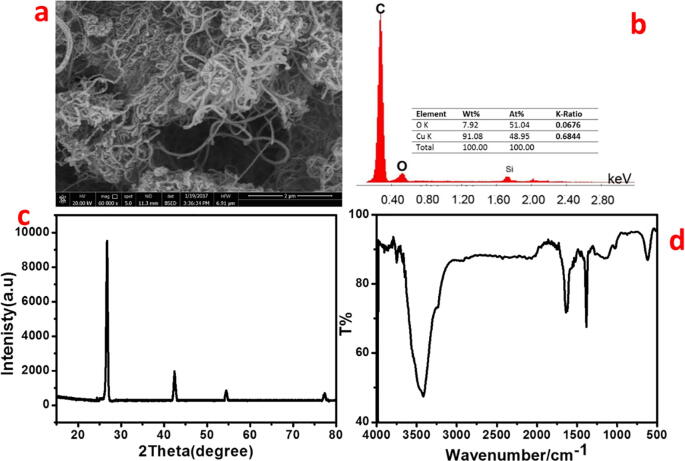
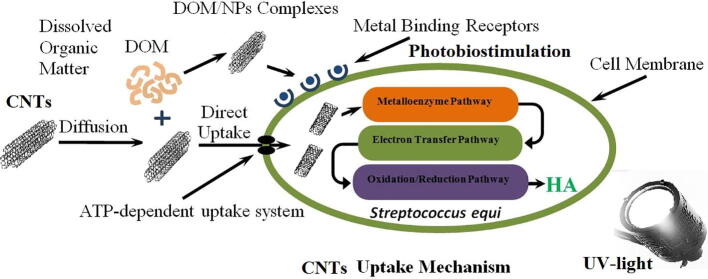
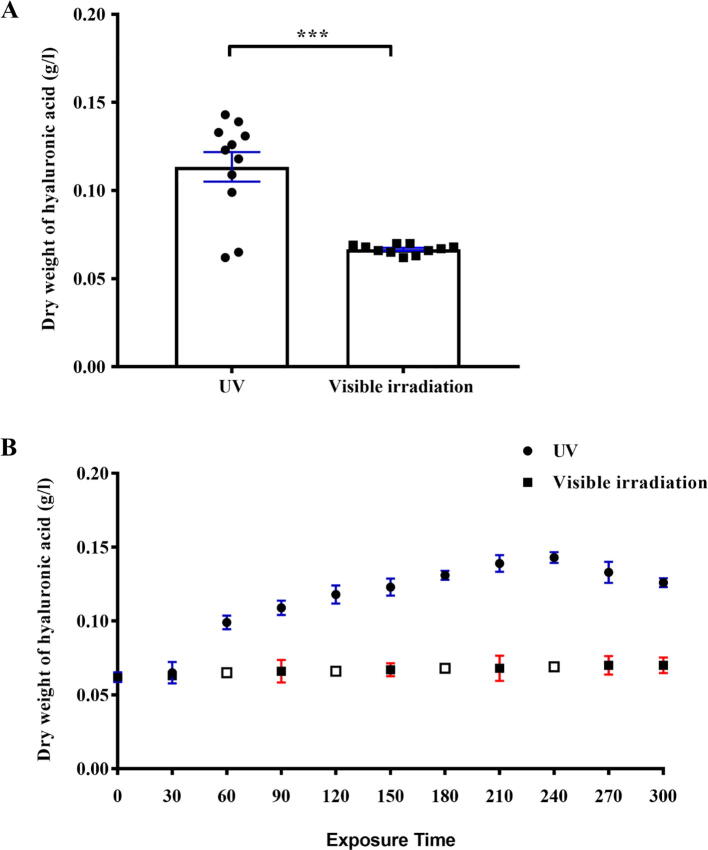
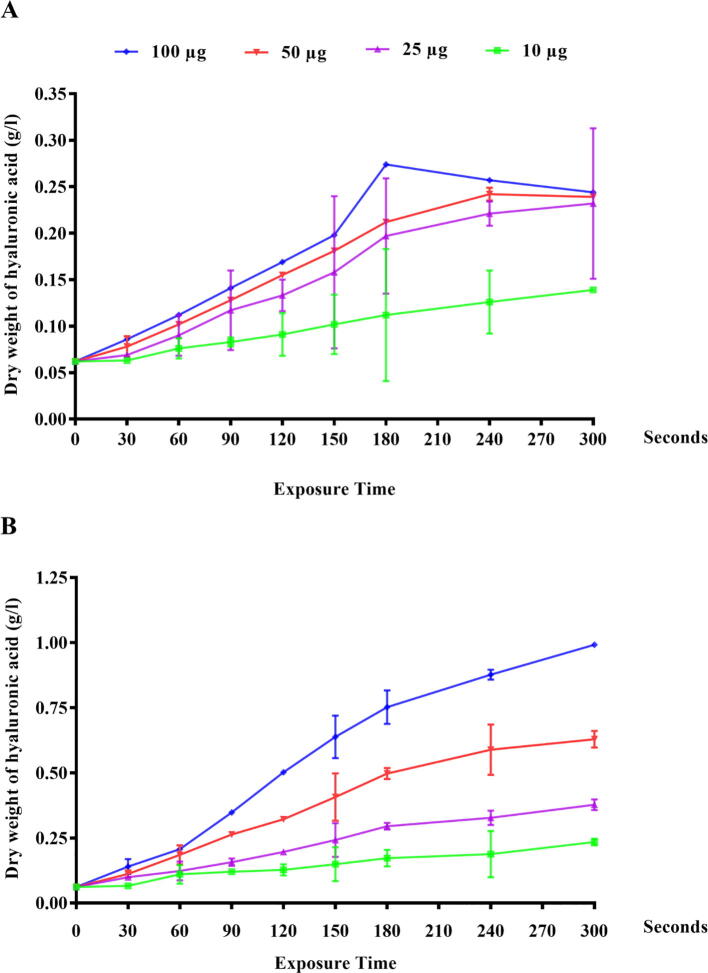
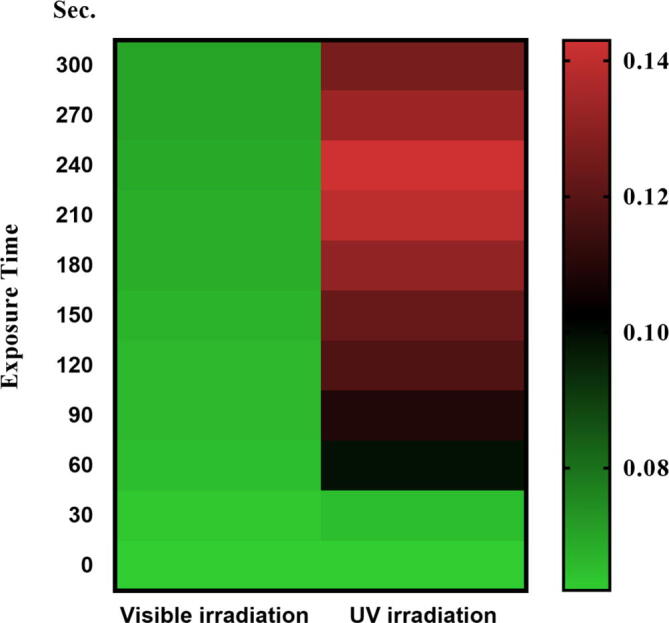
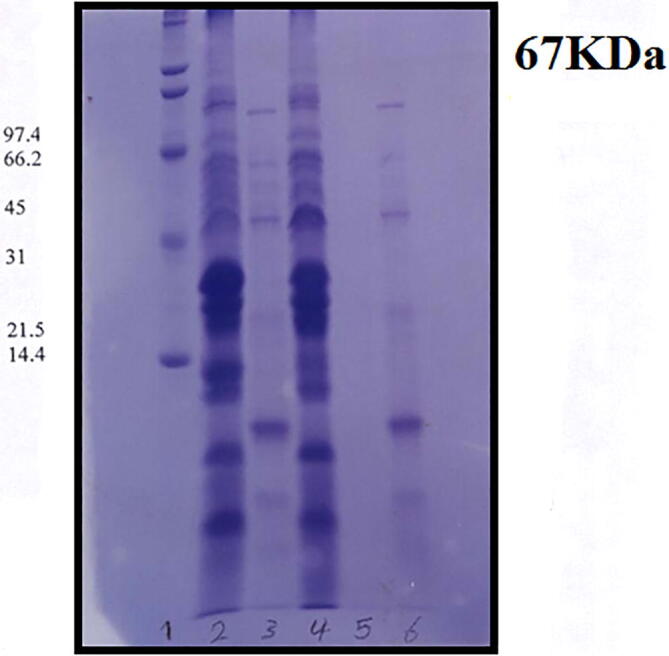
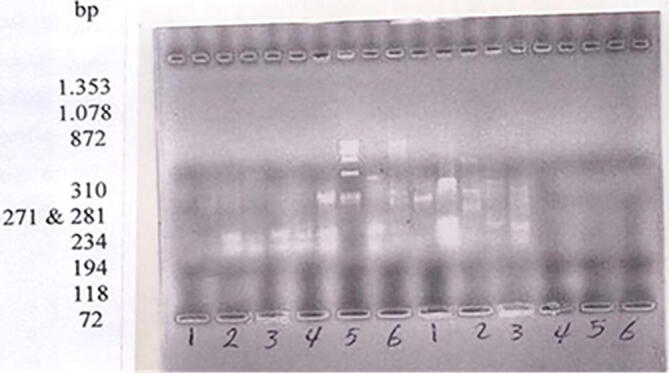
Hyaluronic acid (HA) has great importance in biomedical applications. In this work, a novel nanoparticle-based method that stimulates the hyaluronic acid (HA) production by the bacteria subsp. Zooepidemicus has been reported. CNTs with diameters of 40-50 nm and lengths of about 20 mm were used at four different concentrations (0, 10, 25, 50, and 100 μg) to the bacteria and determined the mass of the produced HA in dependence on the exposure time under UV-irradiation. The results clearly showed that the exposure for one minute with low power UV light (254 nm) and 100 µg (CNTs) treatments steadily increased HA production from the control (0.062 g/L) to the highest value (0.992) g/L of HA. The incubation of the streptococci with CNTs led to an increase of the HA production by a factor of 4.23 after 300S exposure time under UV light, whereas the HA production was no significant enhancement under visible light. It is explained that the CNTs nanoparticle-stimulated increase of the HA production with the internalization of the nanoparticles by the bacteria since they "serve as co-enzymes" under induced mutation by UV-irradiation. Transformation process was carried out and showed that the major protein band of was observed in the Streptococcus DH5α. RAPD analysis indicates that the amplified DNA fragments and the percentage of polymorphism was similar between and Streptococcus DH50α. The chemical structure and molecular weight of the photoproduced HA from was similar to the chemical structure of the standard sample.
透明质酸(HA)在生物医学应用中具有重要意义。在这项工作中,报道了一种基于纳米颗粒的新方法,该方法可刺激兽疫亚种细菌产生透明质酸(HA)。使用直径为40 - 50纳米、长度约为20毫米的碳纳米管,以四种不同浓度(0、10、25、50和100微克)作用于细菌,并在紫外线照射下根据暴露时间测定产生的HA的质量。结果清楚地表明,用低功率紫外线(254纳米)照射一分钟并进行100微克(碳纳米管)处理,可使HA产量从对照值(0.062克/升)稳步增加到最高值(0.992)克/升。在紫外线照射300秒后,链球菌与碳纳米管一起孵育导致HA产量增加了4.23倍,而在可见光下HA产量没有显著提高。据解释,碳纳米管纳米颗粒通过细菌内化刺激HA产量增加,因为在紫外线诱导突变下它们“充当辅酶”。进行了转化过程,结果表明在大肠杆菌DH5α中观察到了主要蛋白条带。随机扩增多态性DNA分析表明,扩增的DNA片段和多态性百分比在[原文此处可能缺失相关菌株名称]和大肠杆菌DH50α之间相似。[原文此处可能缺失相关菌株名称]光产生的HA的化学结构和分子量与标准样品的化学结构相似。