Vinoth Kumar K C, Jani Subha T, Ahila K G, Ravindran B, Chang S W, Mahmoud Ahmed Hossam, Mohammed Osama B, Rathi M A
Department of Physics, Udaya College of Arts and Science, Udaya Nagar, Ammandivilai, Kanyakumari, Tamil Nadu, India.
Department of Chemistry, Rohini College of Engineering & Technology, Anjugramam, Kanyakumari, Tamil Nadu, India.
Saudi J Biol Sci. 2021 Jan;28(1):840-846. doi: 10.1016/j.sjbs.2020.11.020. Epub 2020 Nov 11.
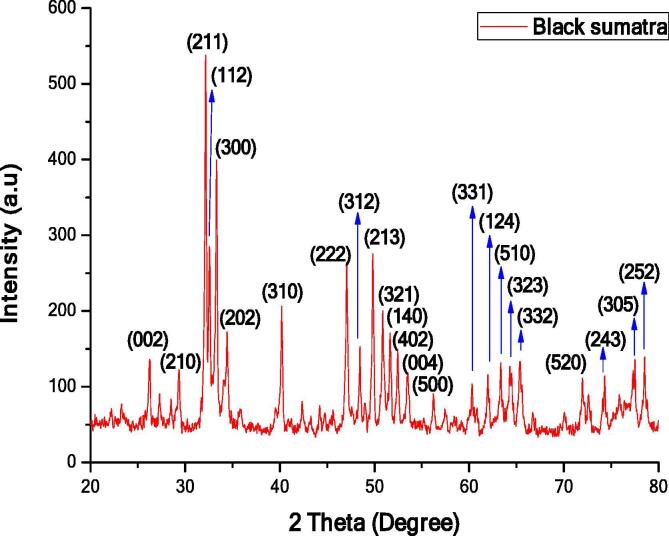
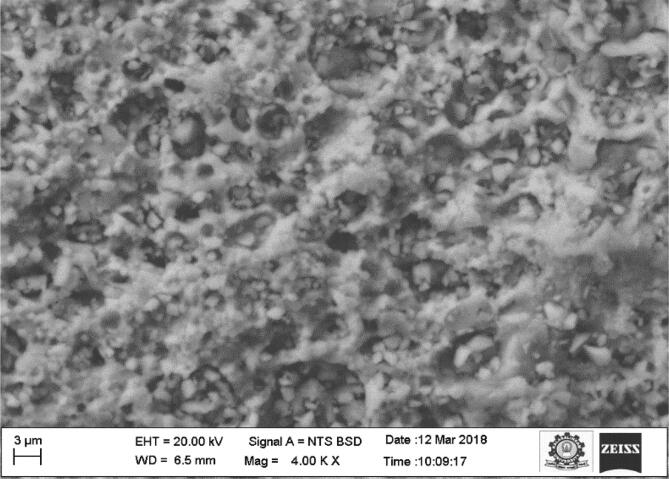
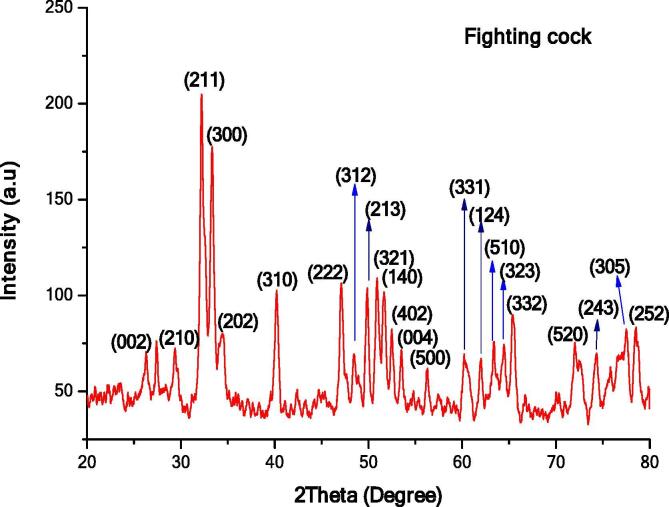
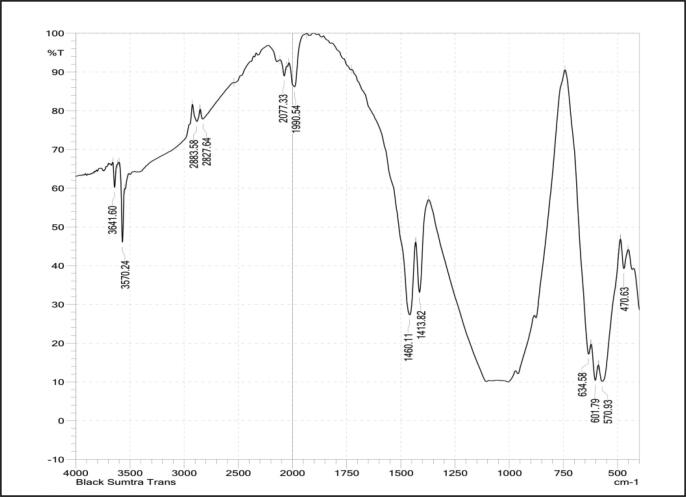
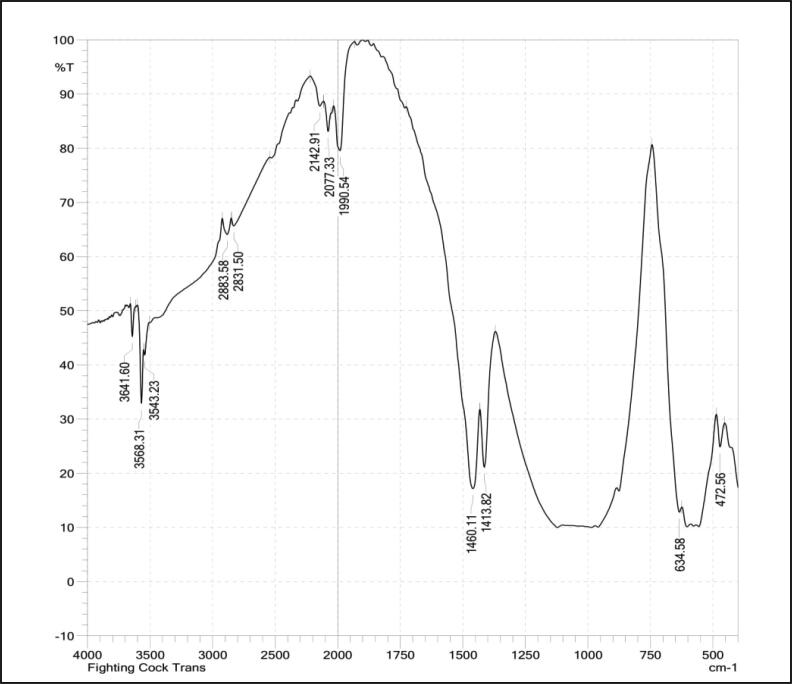
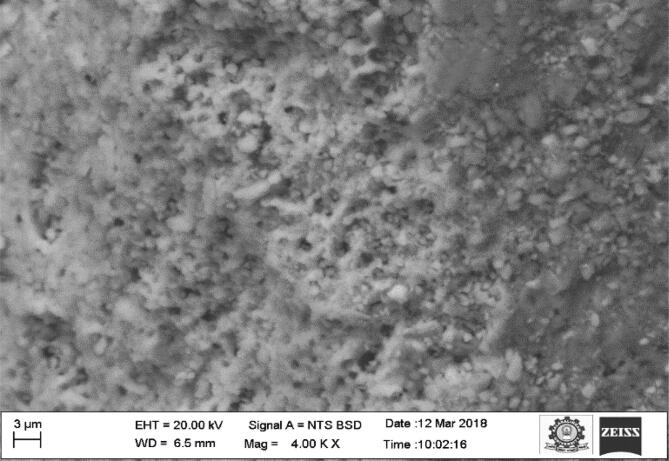
At present, chicken business is occupying a major portion in the market and huge amount of bone wastes are dumped into the open places lead in environmental pollution. In this analysis, natural hydroxyapatite was extracted by thermal calcination process at different temperature ranges from 700 °C, 900 °C and 1100 °C and compared its spectral characteristics. The crystalline nature, functional groups and morphological characteristics of hydroxyapatite obtained from both bone samples were studied using XRD, FTIR and SEM analysis. The crystallite size, lattice parameters, specific surface area, volume and degree of crystallinity were measured using XRD data. The mean grain size of Black Sumatra and Fighting Cock bone hydroxyapatite was 62.67 nm and 31.34 nm respectively. The FTIR spectrum showed major peaks at 634.58 cm and 470.63 cm, 1413.82 cm and 1460 cm indicates the presence of carbonate group and phosphate groups in both samples. The SEM micrograph confirmed the existence of maximum pores in matrix of fighting cock bone than Black Sumatra bone sample. Thus, the comparative analysis concluded that nano-sized hydroxyapetite obtained from bone wastes of fighting cock can be utilized as a low-cost biomaterial for the production of various implant coating materials and substitute for ceramics in bones and dentistry applications.
目前,鸡肉业务在市场中占据很大一部分,大量的骨头废料被倾倒在露天场所,导致环境污染。在本分析中,通过在700℃、900℃和1100℃不同温度范围内的热煅烧过程提取天然羟基磷灰石,并比较其光谱特性。使用X射线衍射(XRD)、傅里叶变换红外光谱(FTIR)和扫描电子显微镜(SEM)分析研究了从两种骨样品中获得的羟基磷灰石的晶体性质、官能团和形态特征。利用XRD数据测量了微晶尺寸、晶格参数、比表面积、体积和结晶度。黑苏门答腊鸡骨和斗鸡骨羟基磷灰石的平均晶粒尺寸分别为62.67nm和31.34nm。FTIR光谱在634.58cm和470.63cm、1413.82cm和1460cm处显示出主要峰,表明两个样品中均存在碳酸根和磷酸根。SEM显微照片证实,斗鸡骨基质中的孔隙比黑苏门答腊鸡骨样品中的孔隙多。因此,对比分析得出结论,从斗鸡骨废料中获得的纳米级羟基磷灰石可作为一种低成本生物材料,用于生产各种植入物涂层材料,并在骨骼和牙科应用中替代陶瓷。