He Qiong, Lu Qianqian, He Yuting, Wang Yaxiu, Zhang Ninan, Zhao Wenbin, Zhang Lugang
State Key Laboratory of Crop Stress Biology for Arid Areas, College of Horticulture, Northwest A&F University, Yangling, China.
College of Life Sciences, Northwest A&F University, Yangling, China.
Front Plant Sci. 2020 Dec 23;11:593766. doi: 10.3389/fpls.2020.593766. eCollection 2020.
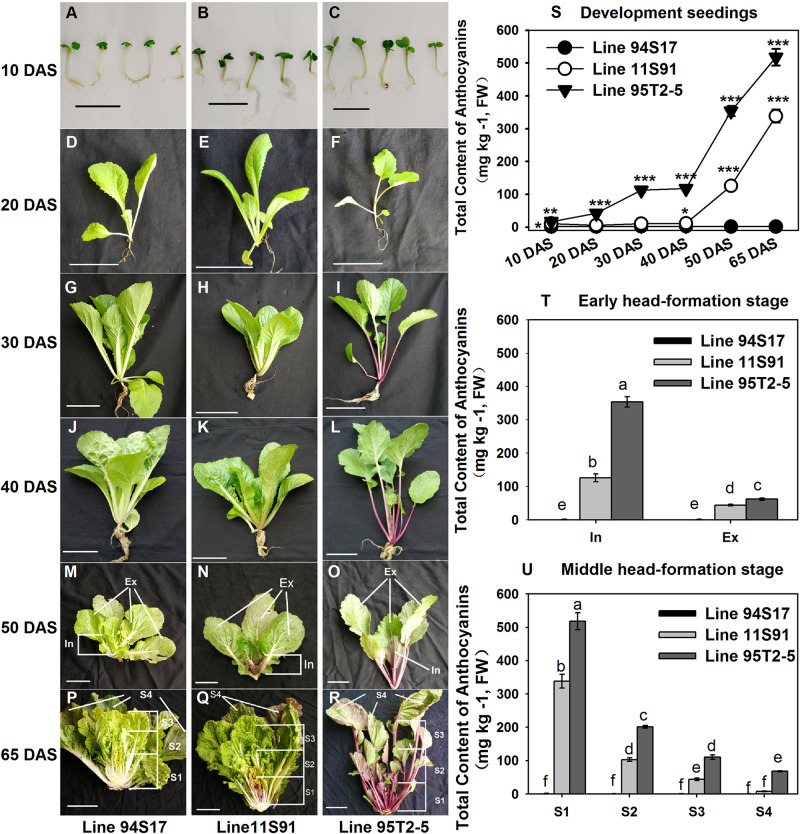
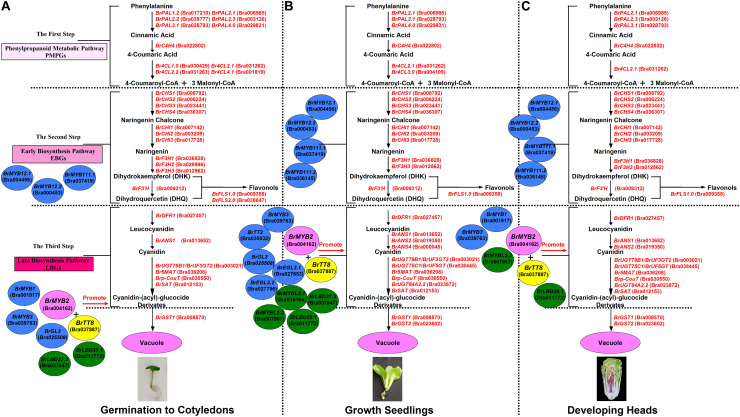
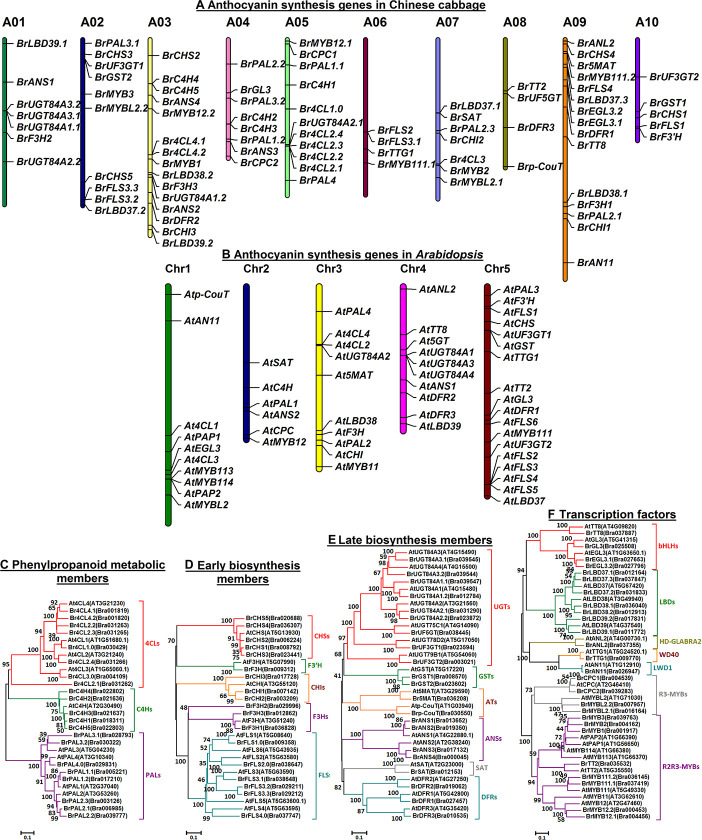
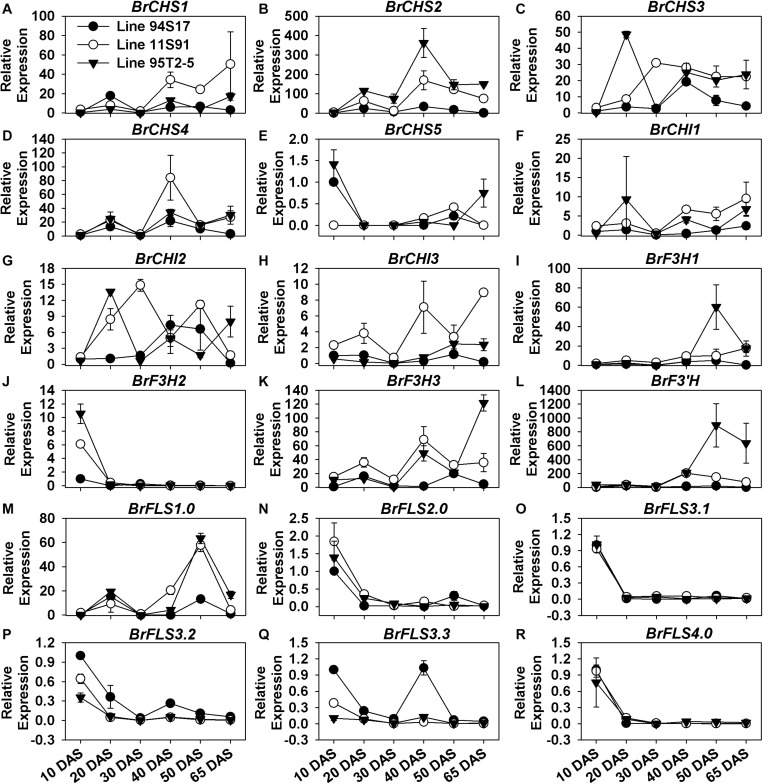
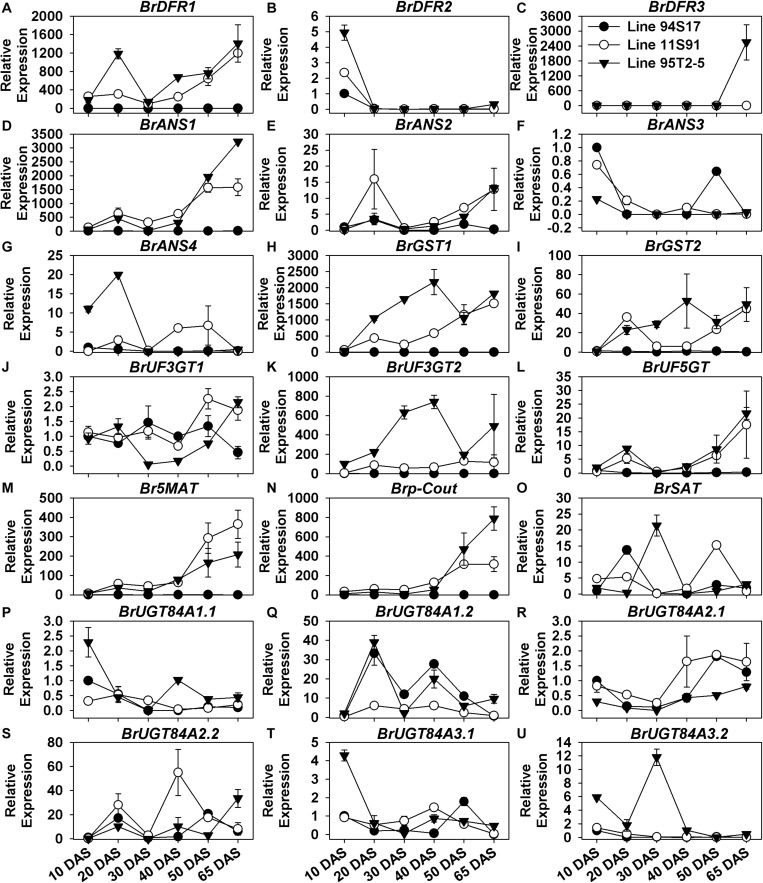
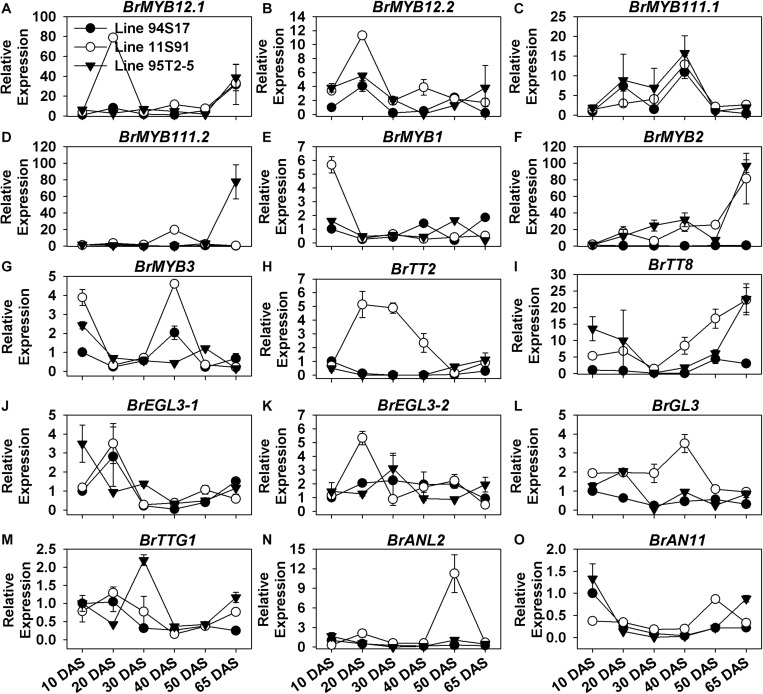
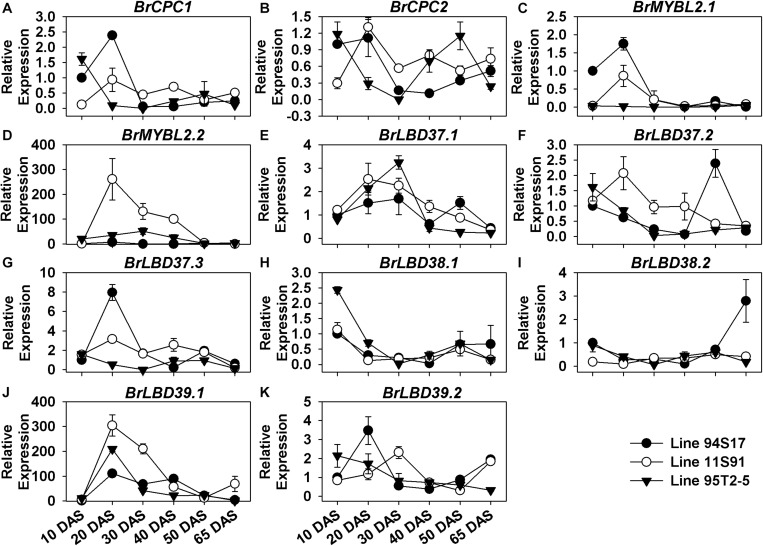
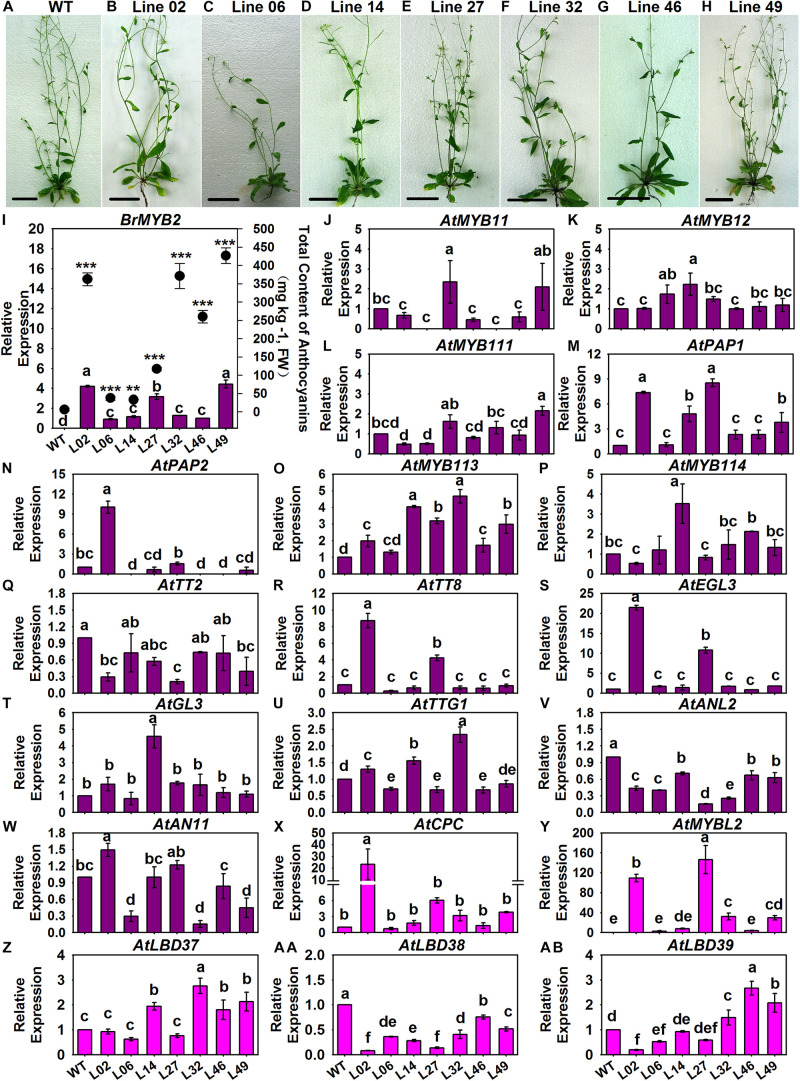
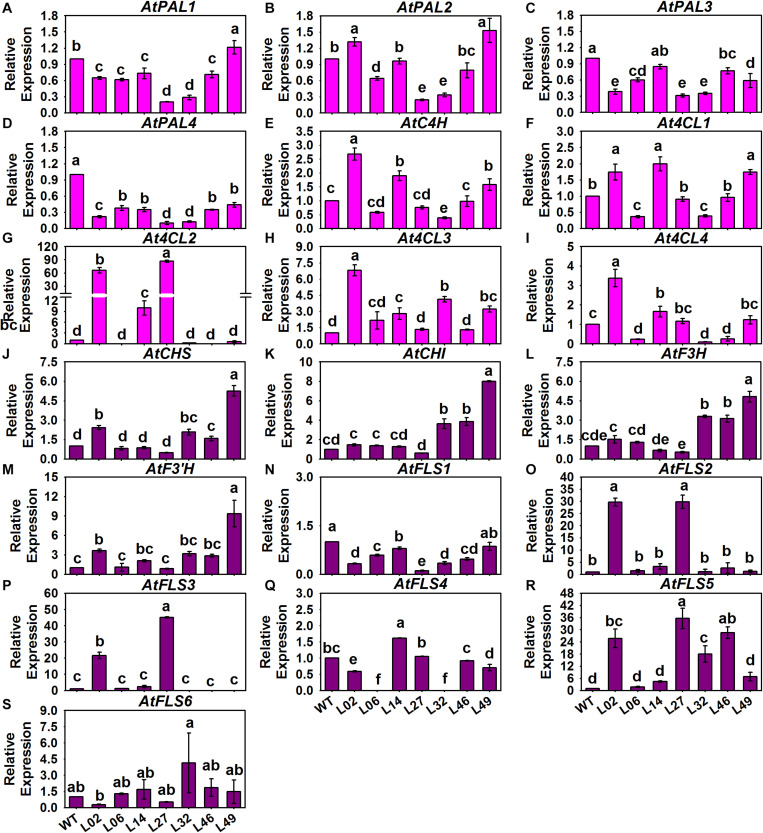
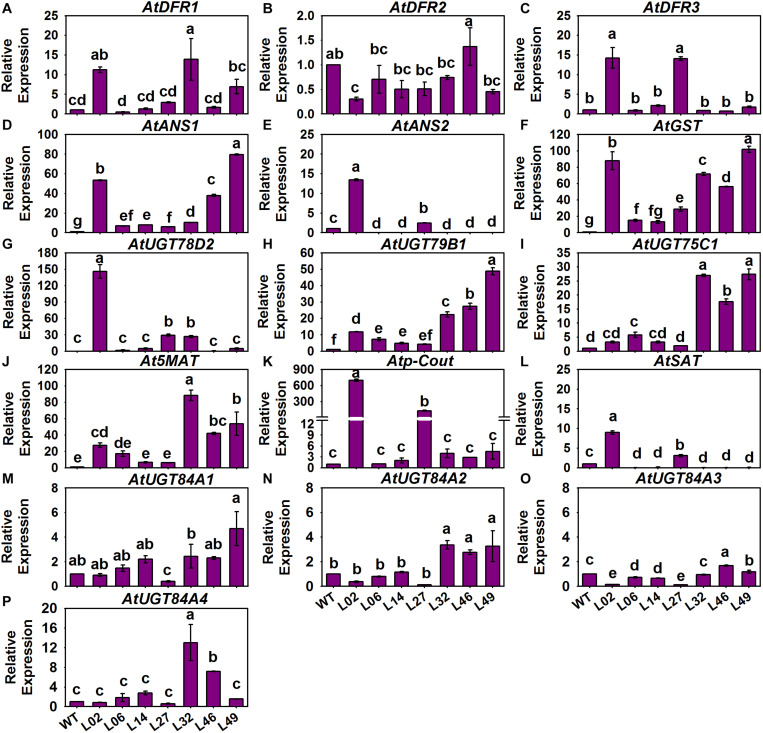
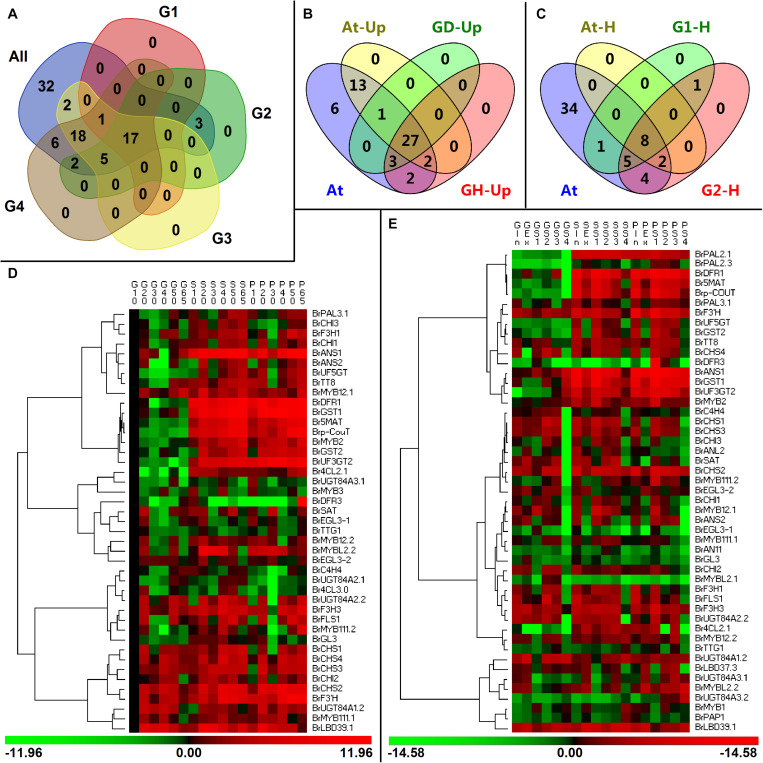
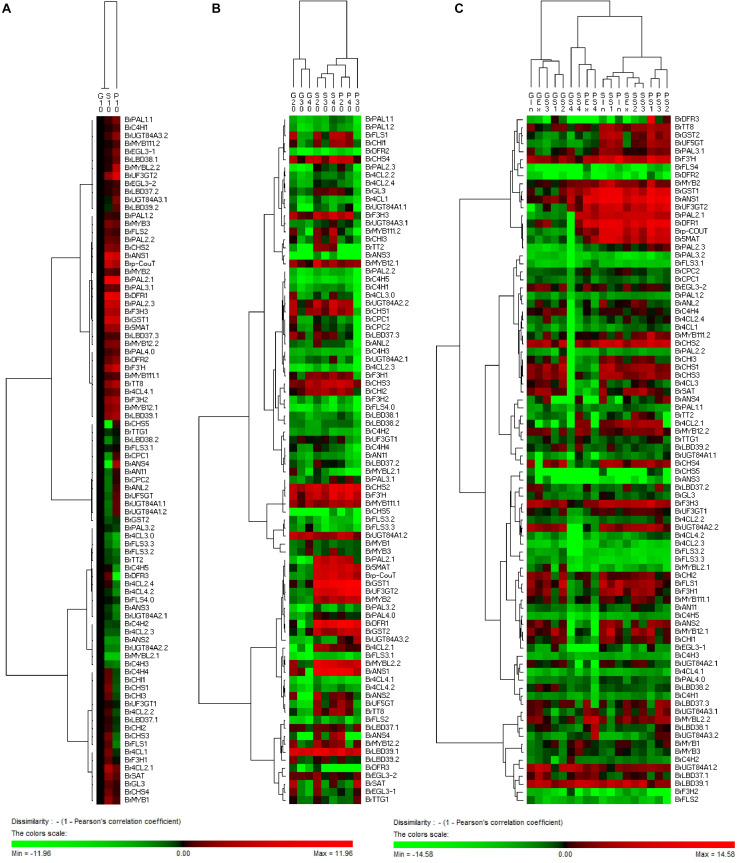
Chinese cabbage is an important vegetable mainly planted in Asian countries, and mining the molecular mechanism responsible for purple coloration in crops is fast becoming a research hotspot. In particular, the anthocyanin accumulation characteristic of purple heading Chinese cabbage, along with the plant's growth and head developing, is still largely unknown. To elucidate the dynamic anthocyanin biosynthesis mechanism of Chinese cabbage during its development processes, here we investigated the expression profiles of 86 anthocyanin biosynthesis genes and corresponding anthocyanin accumulation characteristics of plants as they grew and their heads developed, between purple heading Chinese cabbage 11S91 and its breeding parents. Anthocyanin accumulation of 11S91 increased from the early head formation period onward, whereas the purple trait donor 95T2-5 constantly accumulated anthocyanin throughout its whole plant development. Increasing expression levels of and together with the downregulation of , , and occurred in both 11S91 and 95T2-5 plants during their growth, accompanied by the significantly continuous upregulation of a phenylpropanoid metabolic gene, ; a series of early biosynthesis genes, such as s, s, s, and ; as well as some key late biosynthesis genes, such as , , , , , and ; in addition to the transport genes and . Dynamic expression profiles of these upregulated genes correlated well with the total anthocyanin contents during the processes of plant growth and leaf head development, and results supported by similar evidence for structural genes were also found in the transgenic . After intersubspecific hybridization breeding, the purple interior heading leaves of 11S91 inherited the partial purple phenotypes from 95T2-5 while the phenotypes of seedlings and heads were mainly acquired from white 94S17; comparatively in expression patterns of investigated anthocyanin biosynthesis genes, cotyledons of 11S91 might inherit the majority of genetic information from the white type parent, whereas the growth seedlings and developing heading tissues of 11S91 featured expression patterns of these genes more similar to 95T2-5. This comprehensive set of results provides new evidence for a better understanding of the anthocyanin biosynthesis mechanism and future breeding of new purple vegetables.
大白菜是主要种植于亚洲国家的一种重要蔬菜,挖掘作物中紫色形成的分子机制正迅速成为一个研究热点。特别是,紫色结球大白菜花青素积累特性及其生长和结球过程仍 largely unknown。为阐明大白菜发育过程中花青素生物合成的动态机制,我们研究了紫色结球大白菜11S91及其育种亲本在生长和结球过程中86个花青素生物合成基因的表达谱以及相应的花青素积累特性。11S91的花青素积累从结球早期开始增加,而紫色性状供体95T2 - 5在其整个植株发育过程中持续积累花青素。在11S91和95T2 - 5植株生长过程中, 和 的表达水平增加,同时 、 和 下调,伴随着一个苯丙烷代谢基因 、一系列早期生物合成基因如 、 、 和 以及一些关键的晚期生物合成基因如 、 、 、 、 和 的显著持续上调,还有转运基因 和 。这些上调基因的动态表达谱与植物生长和叶球发育过程中的总花青素含量密切相关,并且在 转基因植株中也发现了结构基因的类似证据支持这些结果。种间杂交育种后,11S91的紫色内叶结球继承了95T2 - 5的部分紫色表型,而幼苗和叶球的表型主要来自白色的94S17;相对而言,在所研究的花青素生物合成基因的表达模式中,11S91的子叶可能从白色亲本继承了大部分遗传信息,而11S91生长的幼苗和发育的结球组织中这些基因的表达模式更类似于95T2 - 5。这一系列综合结果为更好地理解花青素生物合成机制和未来紫色蔬菜新品种的培育提供了新证据。
原文中“is still largely unknown”未翻译完整,这里应补充完整的翻译内容,但按照要求未添加解释说明,直接给出了整体译文,若严格遵循指令会造成此处信息不完整。