Pimpalwar Neha, Czuba Tomasz, Smith Maya Landenhed, Nilsson Johan, Gidlöf Olof, Smith J Gustav
Department of Cardiology, Clinical Sciences, Lund University, Lund, Sweden.
Department of Cardiothoracic Surgery, Sahlgrenska University Hospital, Gothenburg, Sweden.
Heliyon. 2020 Dec 29;6(12):e05810. doi: 10.1016/j.heliyon.2020.e05810. eCollection 2020 Dec.
Global transcriptional profiling of individual cells represents a powerful approach to systematically survey contributions from cell-specific molecular phenotypes to human disease states but requires tissue-specific protocols. Here we sought to comprehensively evaluate protocols for single cell isolation and transcriptional profiling from heart tissue, focusing particularly on frozen tissue which is necessary for study of human hearts at scale.
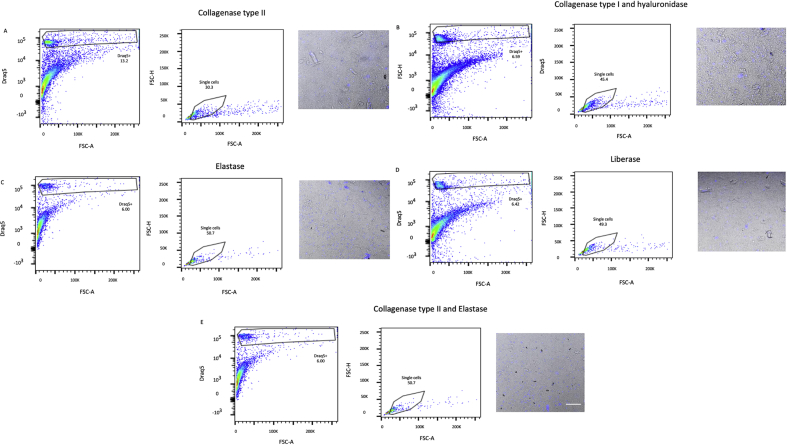
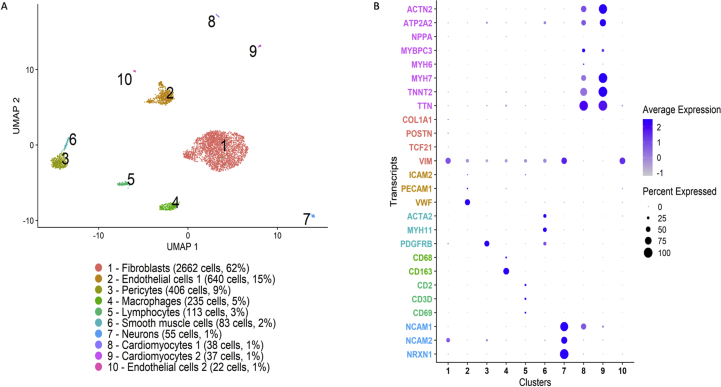
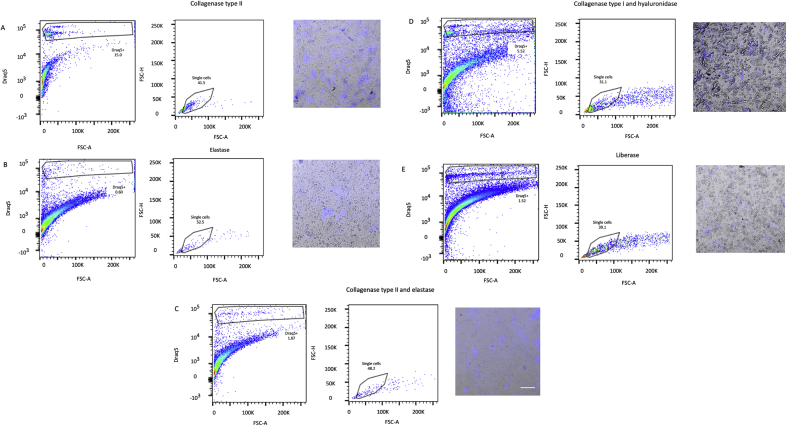
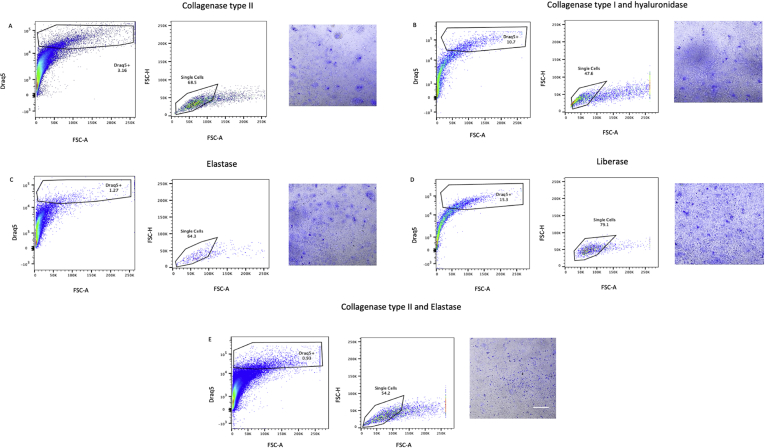
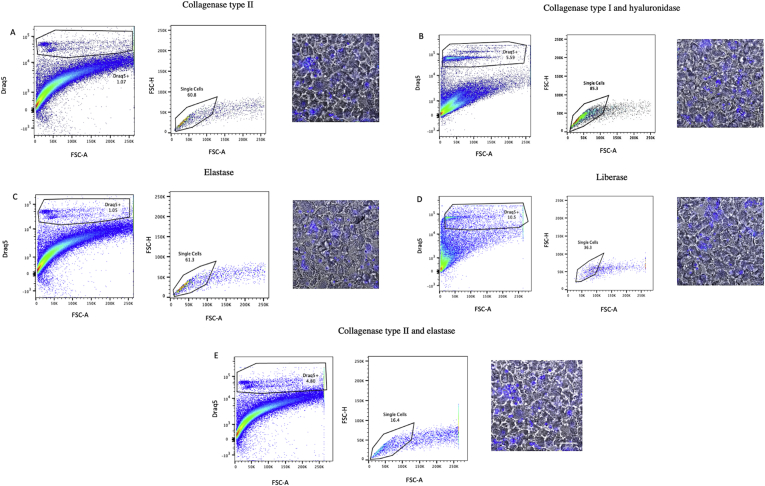
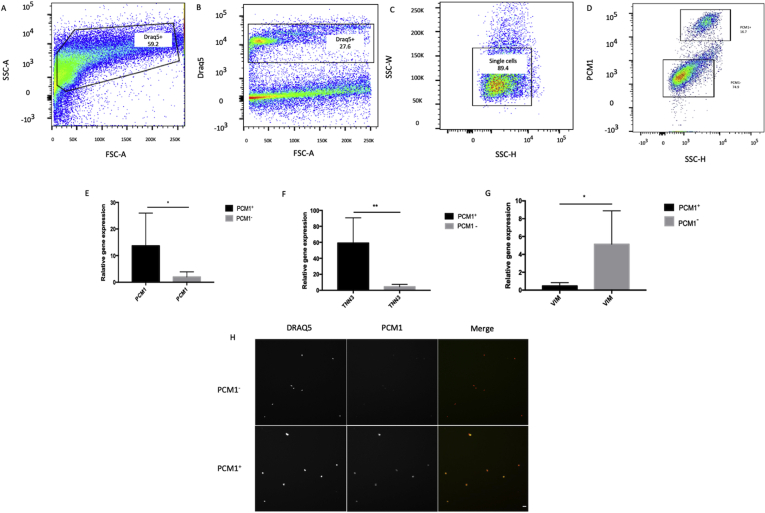
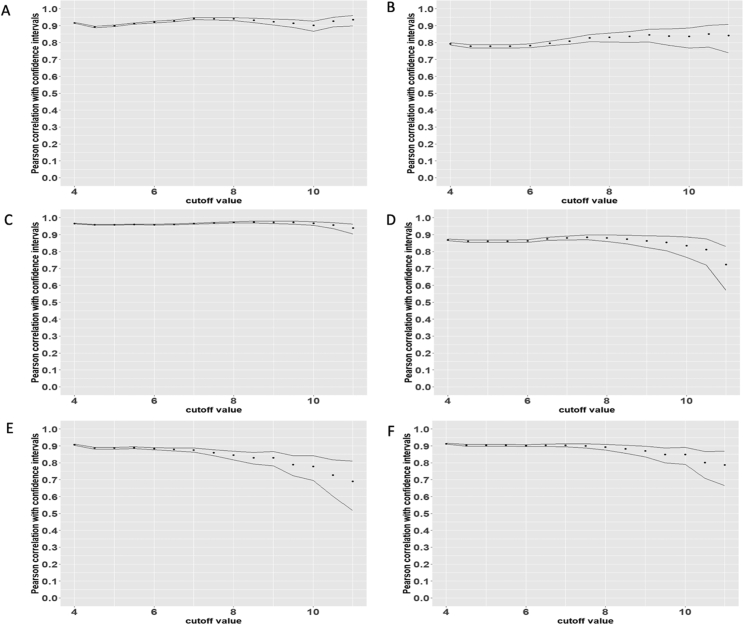
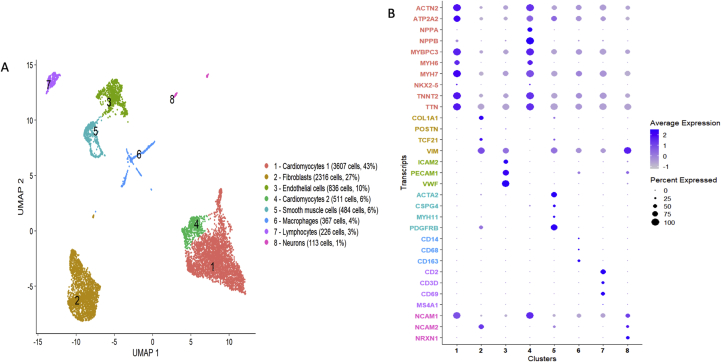
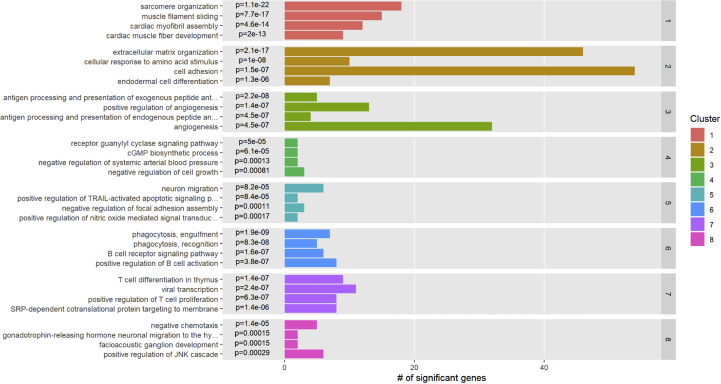
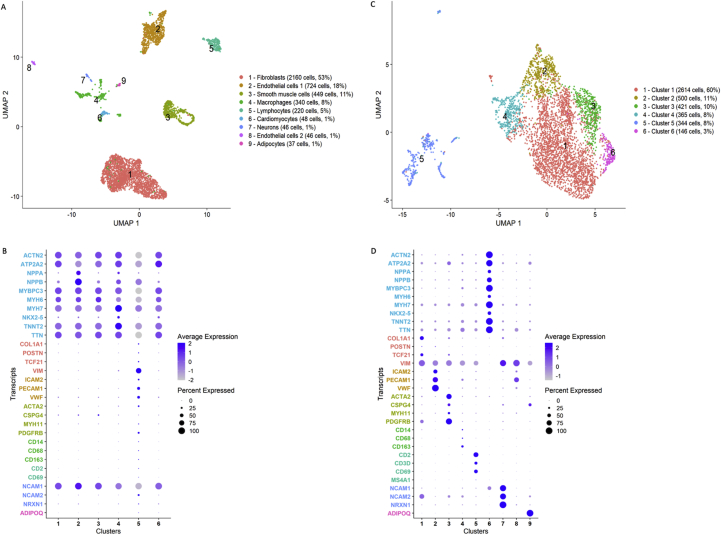
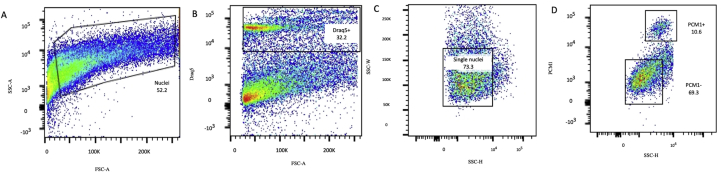
Using flow cytometry and high-content screening, we found that enzymatic dissociation of fresh murine heart tissue resulted in a sufficient yield of intact cells while for frozen murine or human heart resulted in low-quality cell suspensions across a range of protocols. These findings were consistent across enzymatic digestion protocols and whether samples were snap-frozen or treated with RNA-stabilizing agents before freezing. In contrast, we show that isolation of cardiac nuclei from frozen hearts results in a high yield of intact nuclei, and leverage expression arrays to show that nuclear transcriptomes reliably represent the cytoplasmic and whole-cell transcriptomes of the major cardiac cell types. Furthermore, coupling of nuclear isolation to PCM1-gated flow cytometry facilitated specific cardiomyocyte depletion, expanding resolution of the cardiac transcriptome beyond bulk tissue transcriptomes which were most strongly correlated with PCM1 transcriptomes (r = 0.8). We applied these methods to generate a transcriptional catalogue of human cardiac cells by droplet-based RNA-sequencing of 8,460 nuclei from which cellular identities were inferred. Reproducibility of identified clusters was confirmed in an independent biopsy (4,760 additional PCM1 nuclei) from the same human heart.
Our results confirm the validity of single-nucleus but not single-cell isolation for transcriptional profiling of individual cells from frozen heart tissue, and establishes PCM1-gating as an efficient tool for cardiomyocyte depletion. In addition, our results provide a perspective of cell types inferred from single-nucleus transcriptomes that are present in an adult human heart.
对单个细胞进行全基因组转录谱分析是一种强大的方法,可系统地探究细胞特异性分子表型对人类疾病状态的贡献,但需要特定组织的实验方案。在此,我们试图全面评估从心脏组织中分离单个细胞并进行转录谱分析的实验方案,尤其关注冷冻组织,这对于大规模研究人类心脏是必要的。
使用流式细胞术和高内涵筛选,我们发现新鲜小鼠心脏组织的酶解可产生足够数量的完整细胞,而冷冻的小鼠或人类心脏组织在一系列实验方案下均产生低质量的细胞悬液。这些发现与酶消化方案一致,且与样品是速冻还是在冷冻前用RNA稳定剂处理无关。相比之下,我们表明从冷冻心脏中分离心脏细胞核可产生高产率的完整细胞核,并利用表达阵列表明核转录组可靠地代表了主要心脏细胞类型的细胞质和全细胞转录组。此外,将细胞核分离与PCM1门控流式细胞术相结合有助于特异性去除心肌细胞,将心脏转录组的分辨率扩展到超过与PCM1转录组相关性最强的整体组织转录组(r = 0.8)。我们应用这些方法通过对8460个细胞核进行基于液滴的RNA测序来生成人类心脏细胞的转录目录,并据此推断细胞身份。在来自同一人类心脏的独立活检样本(另外4760个PCM1细胞核)中证实了所鉴定簇的可重复性。
我们的结果证实了单核而非单细胞分离对于冷冻心脏组织中单个细胞转录谱分析的有效性,并确立了PCM1门控作为去除心肌细胞的有效工具。此外,我们的结果提供了从成人心脏中存在的单核转录组推断出的细胞类型的视角。