Uiterwijk Marcelle, Smits Anthal I P M, van Geemen Daphne, van Klarenbosch Bas, Dekker Sylvia, Cramer Maarten Jan, van Rijswijk Jan Willem, Lurier Emily B, Di Luca Andrea, Brugmans Marieke C P, Mes Tristan, Bosman Anton W, Aikawa Elena, Gründeman Paul F, Bouten Carlijn V C, Kluin Jolanda
Department of Cardiothoracic Surgery, Amsterdam University Medical Center, Amsterdam, the Netherlands.
Department of Biomedical Engineering, Eindhoven University of Technology, Eindhoven, the Netherlands.
JACC Basic Transl Sci. 2020 Nov 25;5(12):1187-1206. doi: 10.1016/j.jacbts.2020.09.011. eCollection 2020 Dec.
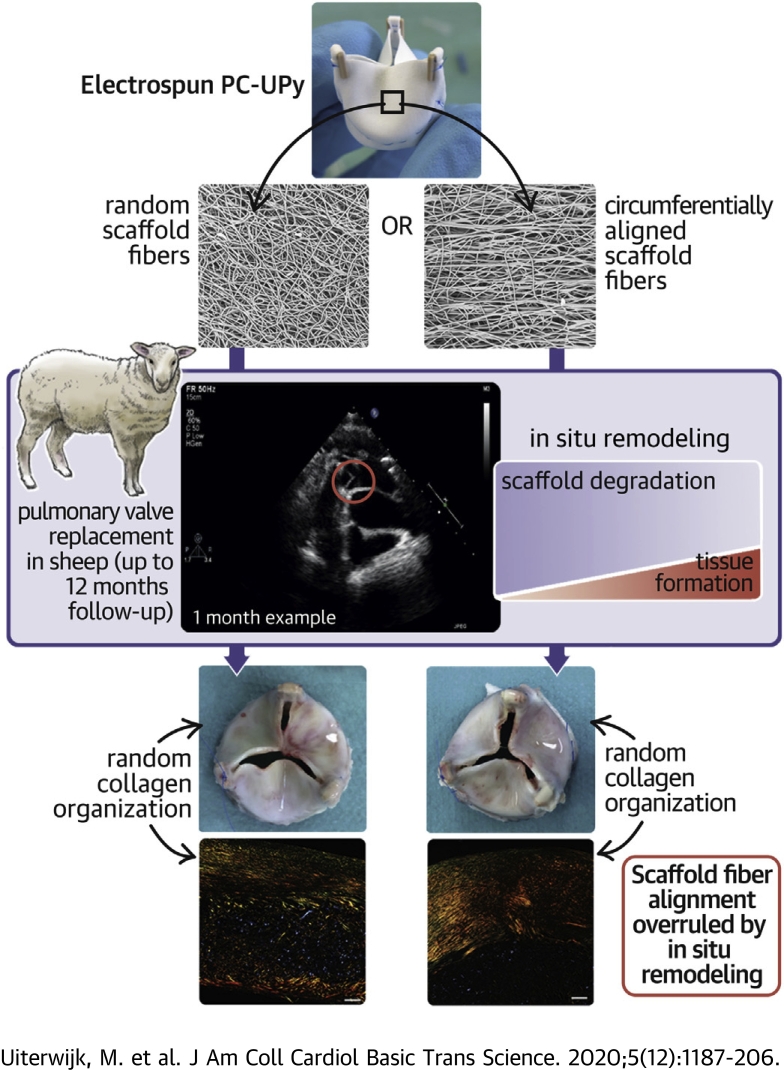
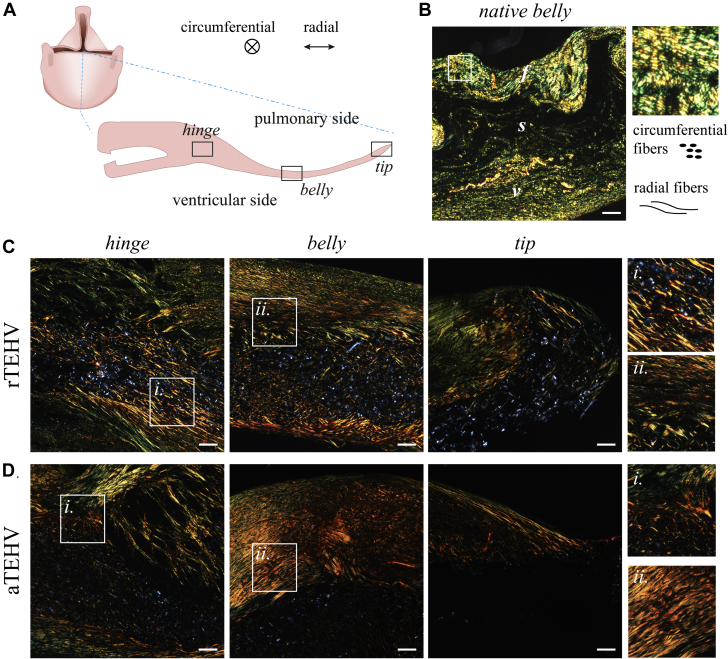
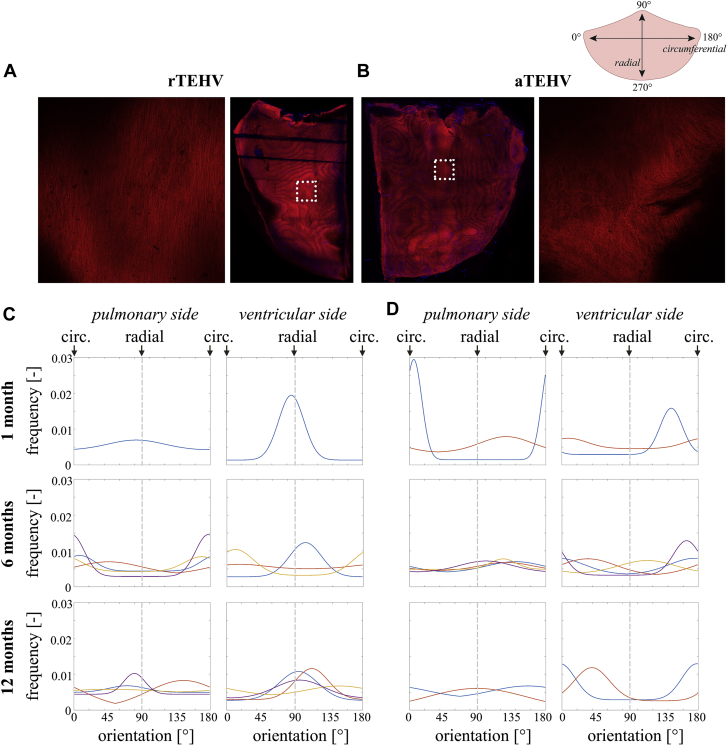
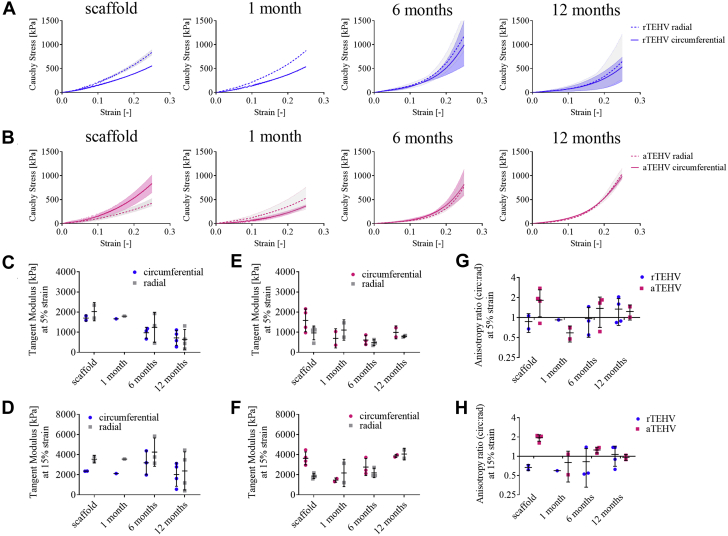
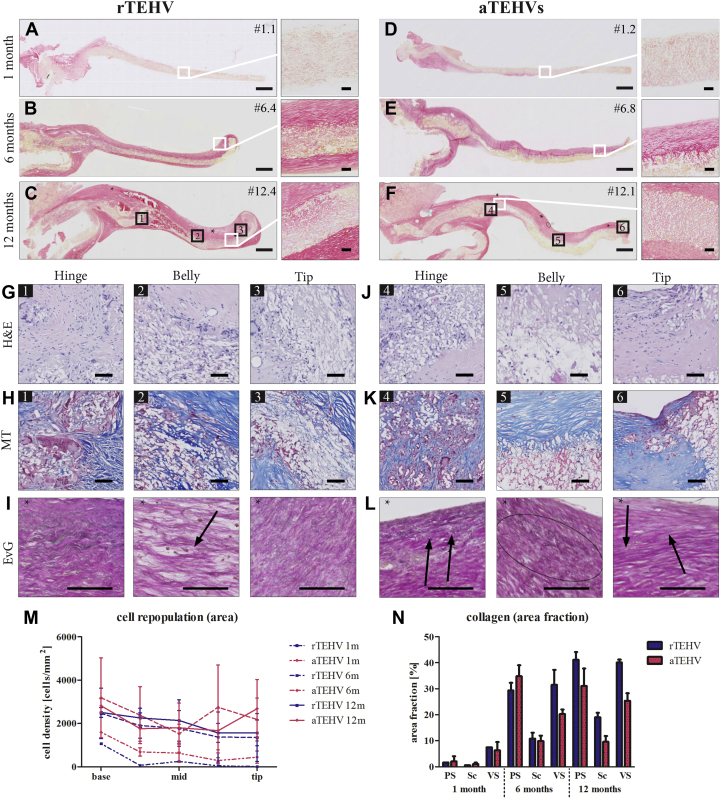
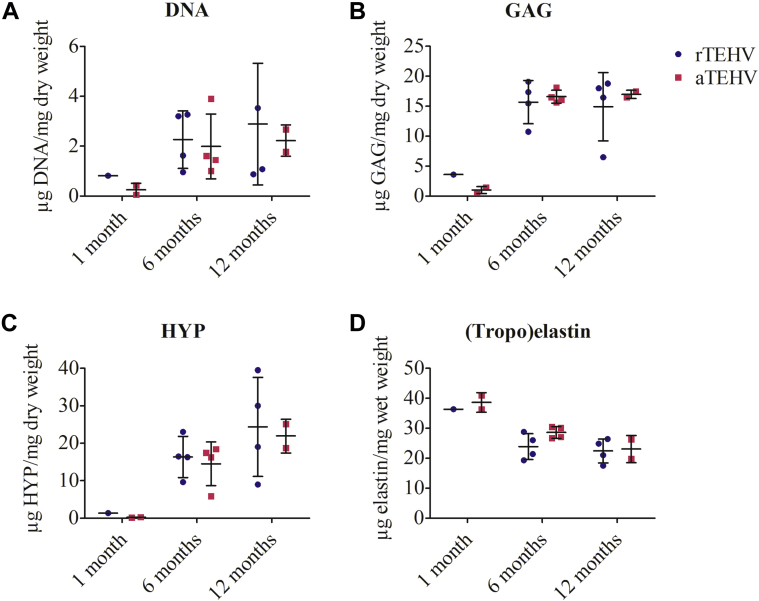
In situ tissue engineering that uses resorbable synthetic heart valve scaffolds is an affordable and practical approach for heart valve replacement; therefore, it is attractive for clinical use. This study showed no consistent collagen organization in the predefined direction of electrospun scaffolds made from a resorbable supramolecular elastomer with random or circumferentially aligned fibers, after 12 months of implantation in sheep. These unexpected findings and the observed intervalvular variability highlight the need for a mechanistic understanding of the long-term in situ remodeling processes in large animal models to improve predictability of outcome toward robust and safe clinical application.
使用可吸收合成心脏瓣膜支架的原位组织工程是一种经济实惠且实用的心脏瓣膜置换方法;因此,它在临床应用中具有吸引力。该研究表明,在将由具有随机或周向排列纤维的可吸收超分子弹性体制成的电纺支架植入绵羊体内12个月后,在预定义方向上没有一致的胶原组织。这些意外发现以及观察到的瓣间变异性凸显了对大型动物模型中长期原位重塑过程进行机理理解的必要性,以提高对稳健且安全的临床应用结果的可预测性。