Barandouzi Zahra A, Lee Joochul, Maas Kendra, Starkweather Angela R, Cong Xiaomei S
School of Nursing, Emory University, Atlanta, GA 30322, USA.
School of Nursing, University of Connecticut, Storrs, CT 06269, USA.
J Pers Med. 2021 Jan 8;11(1):35. doi: 10.3390/jpm11010035.
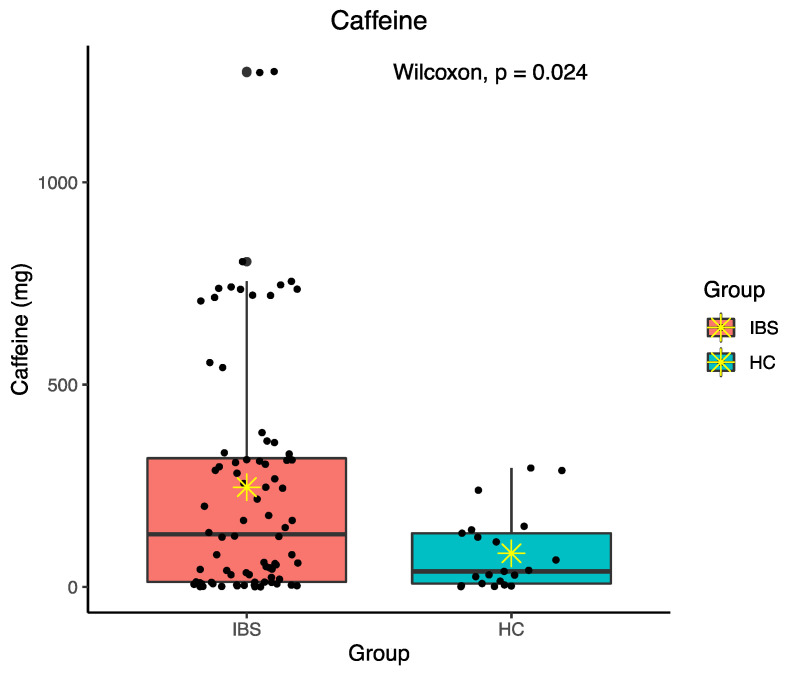
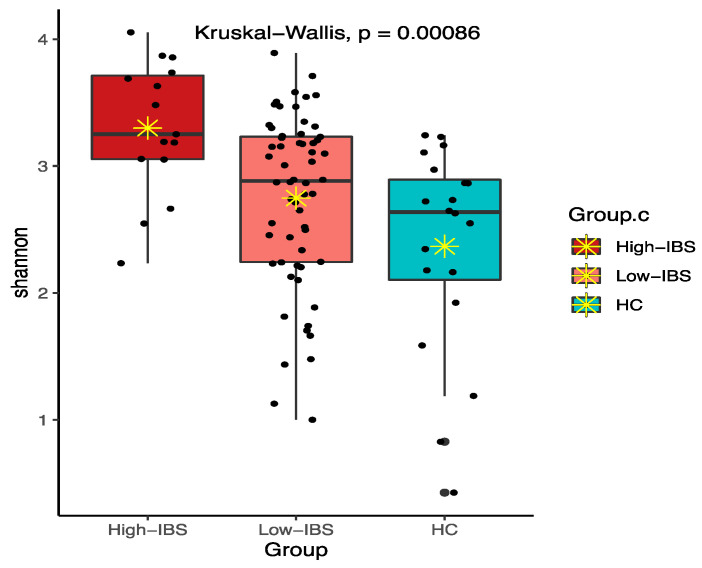
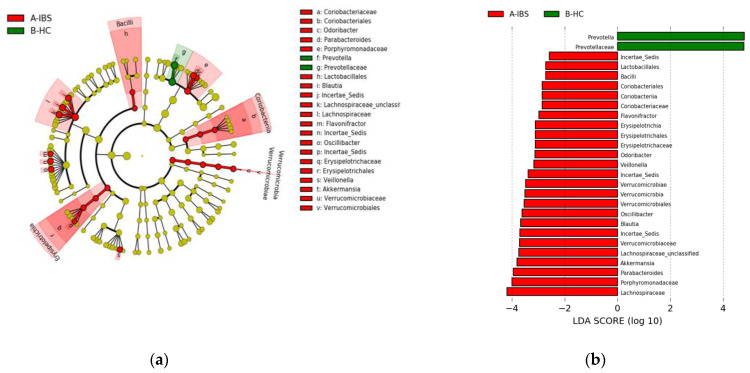
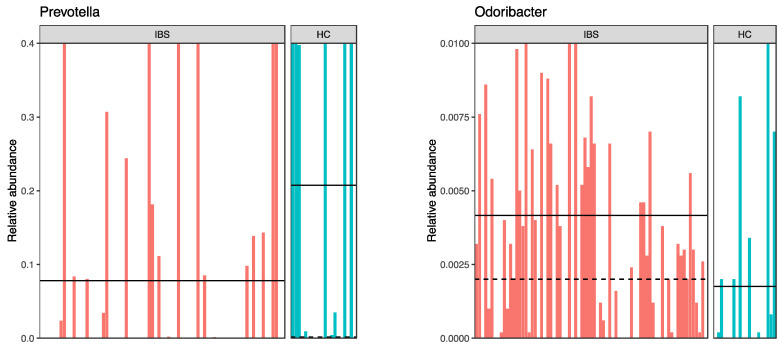
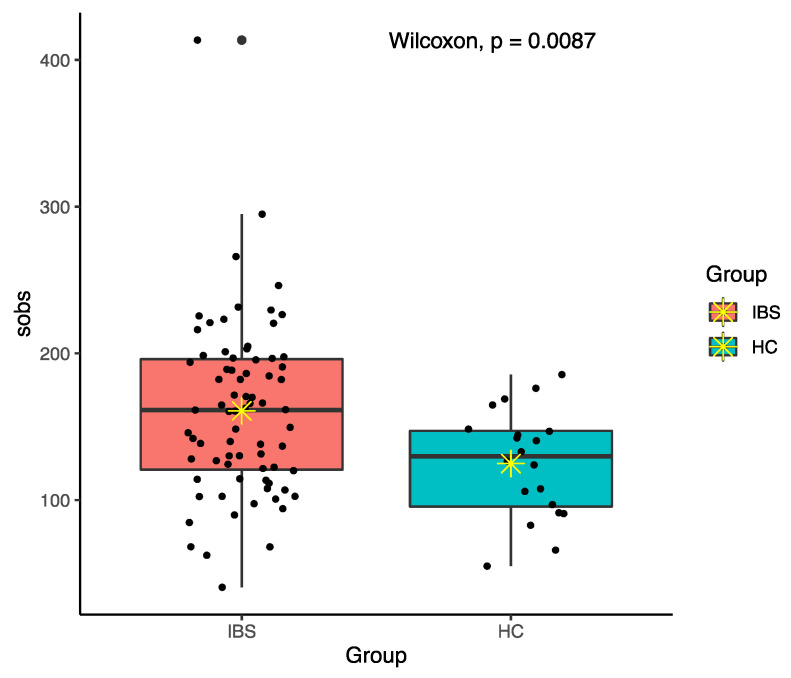
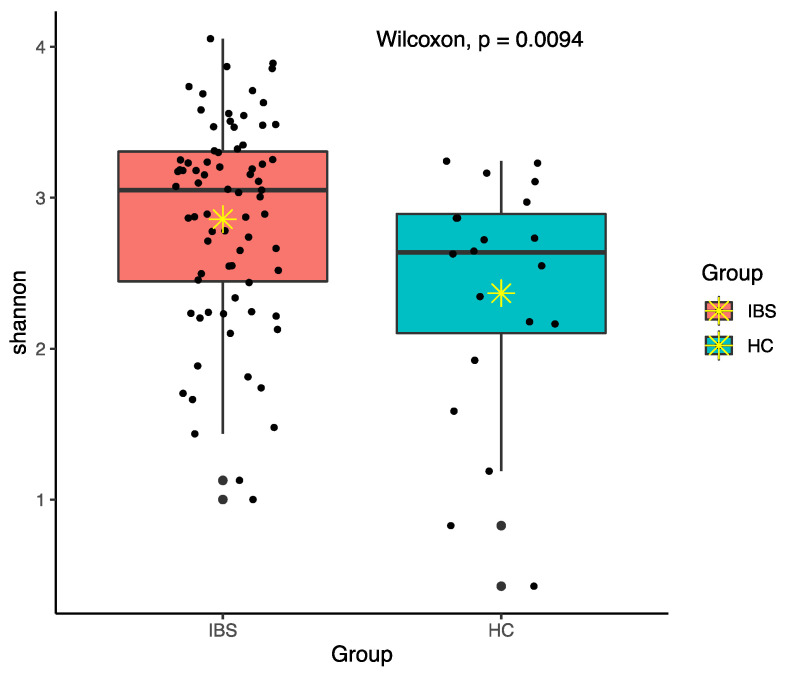
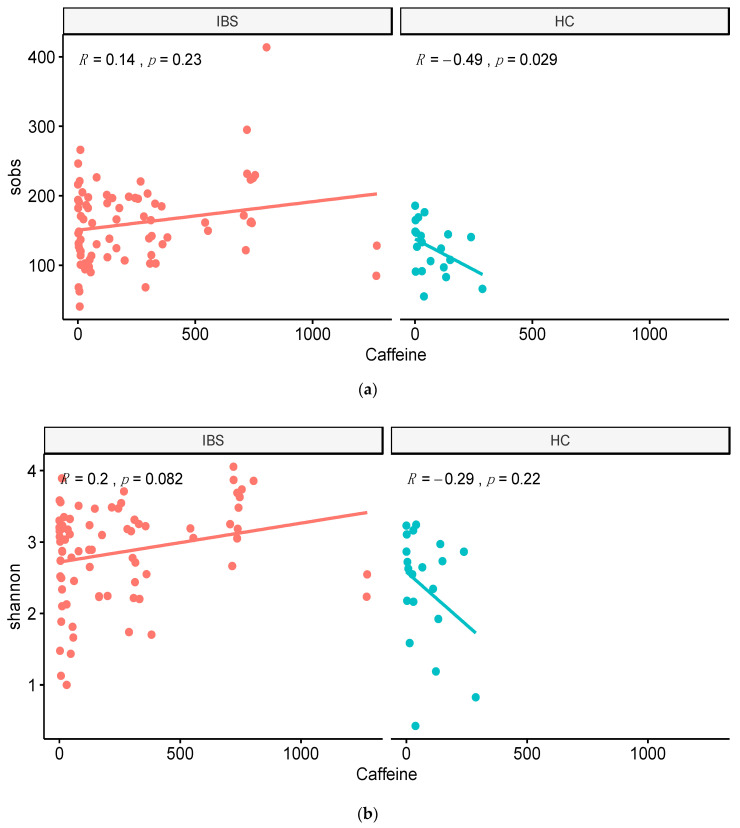
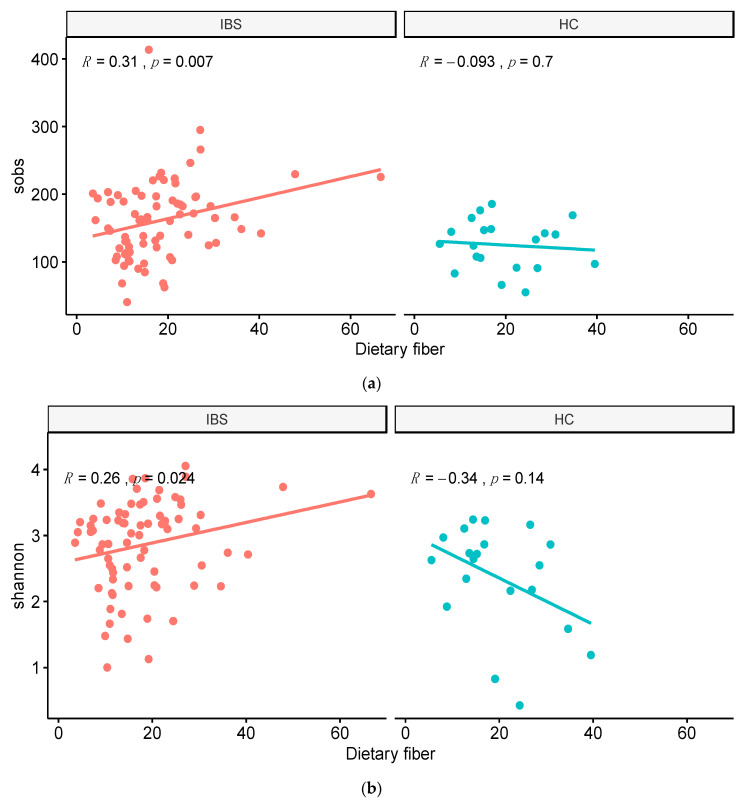
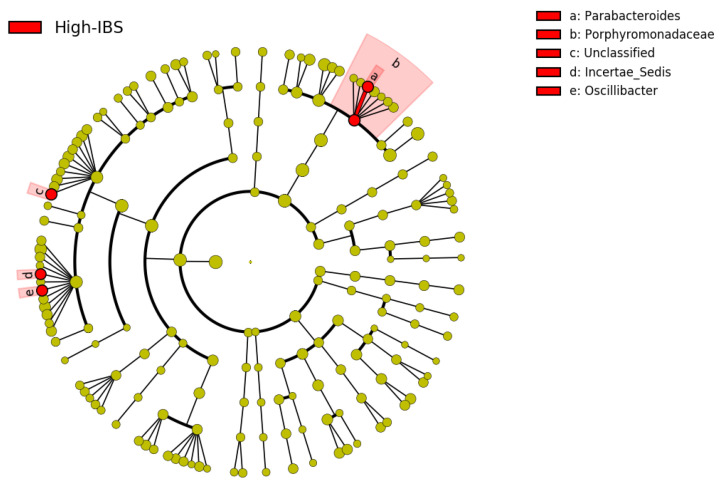
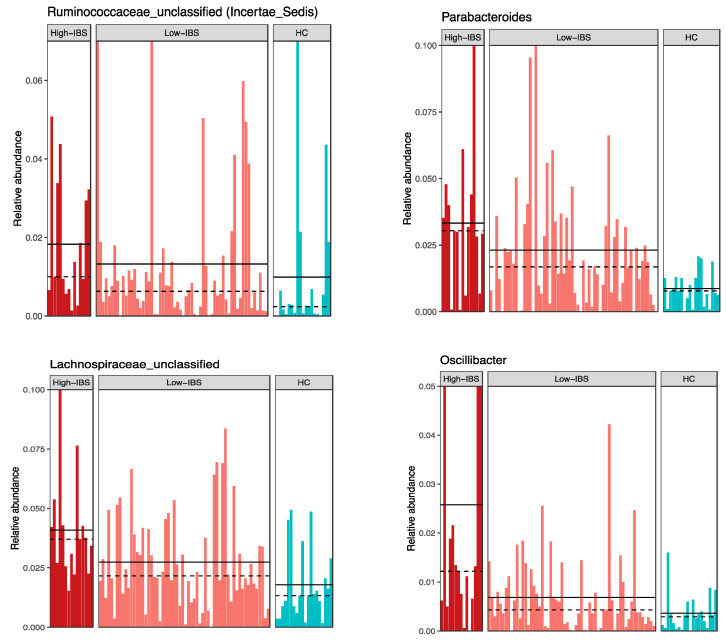
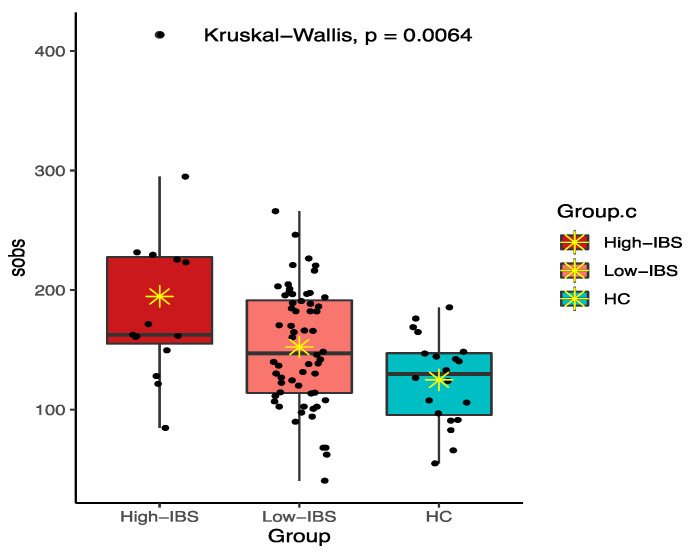
The interplay between diet and gut microbiota has gained interest as a potential contributor in pathophysiology of irritable bowel syndrome (IBS). The purpose of this study was to compare food components and gut microbiota patterns between IBS patients and healthy controls (HC) as well as to explore the associations of food components and microbiota profiles. A cross-sectional study was conducted with 80 young adults with IBS and 21 HC recruited. The food frequency questionnaire was used to measure food components. Fecal samples were collected and profiled by 16S rRNA Illumina sequencing. Food components were similar in both IBS and HC groups, except in caffeine consumption. Higher alpha diversity indices and altered gut microbiota were observed in IBS compared to the HC. A negative correlation existed between total observed species and caffeine intake in the HC, and a positive correlation between alpha diversity indices and dietary fiber in the IBS group. Higher alpha diversity and gut microbiota alteration were found in IBS people who consumed caffeine more than 400 mg/d. Moreover, high microbial diversity and alteration of gut microbiota composition in IBS people with high caffeine consumption may be a clue toward the effects of caffeine on the gut microbiome pattern, which warrants further study.
饮食与肠道微生物群之间的相互作用作为肠易激综合征(IBS)病理生理学的一个潜在因素已引起关注。本研究的目的是比较IBS患者与健康对照(HC)之间的食物成分和肠道微生物群模式,并探索食物成分与微生物群谱之间的关联。对80名患有IBS的年轻成年人和21名HC进行了一项横断面研究。采用食物频率问卷来测量食物成分。收集粪便样本并通过16S rRNA Illumina测序进行分析。IBS组和HC组的食物成分相似,但咖啡因摄入量除外。与HC相比,IBS患者的α多样性指数更高,肠道微生物群发生改变。在HC中,观察到的总物种数与咖啡因摄入量呈负相关,而在IBS组中,α多样性指数与膳食纤维呈正相关。在每天摄入咖啡因超过400毫克的IBS患者中,发现α多样性更高,肠道微生物群发生改变。此外,高咖啡因摄入量的IBS患者中微生物多样性高和肠道微生物群组成改变可能是咖啡因对肠道微生物群模式影响的一个线索,这值得进一步研究。