Schipilliti Francesca Matilde, Garajová Ingrid, Rovesti Giulia, Balsano Rita, Piacentini Federico, Dominici Massimo, Gelsomino Fabio
Oncology Unit, University Hospital of Modena and Reggio Emilia, Largo del Pozzo 71, 41125 Modena, Italy.
Medical Oncology Unit, University Hospital of Parma, Via Gramsci 14, 43126 Parma, Italy.
Pharmaceuticals (Basel). 2021 Jan 8;14(1):43. doi: 10.3390/ph14010043.
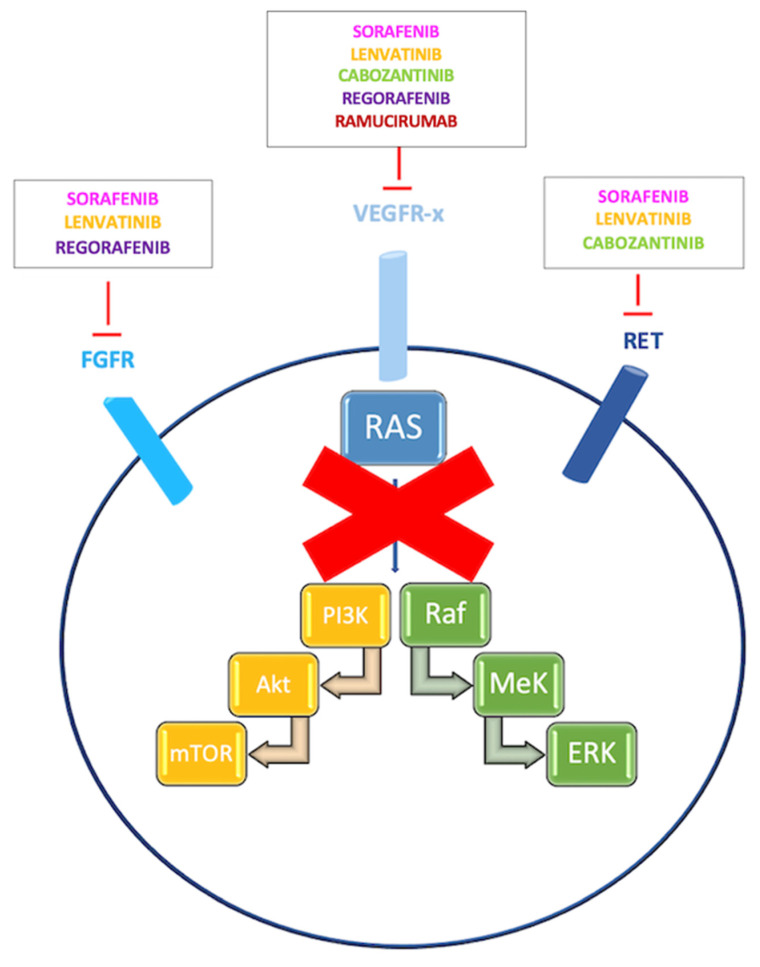
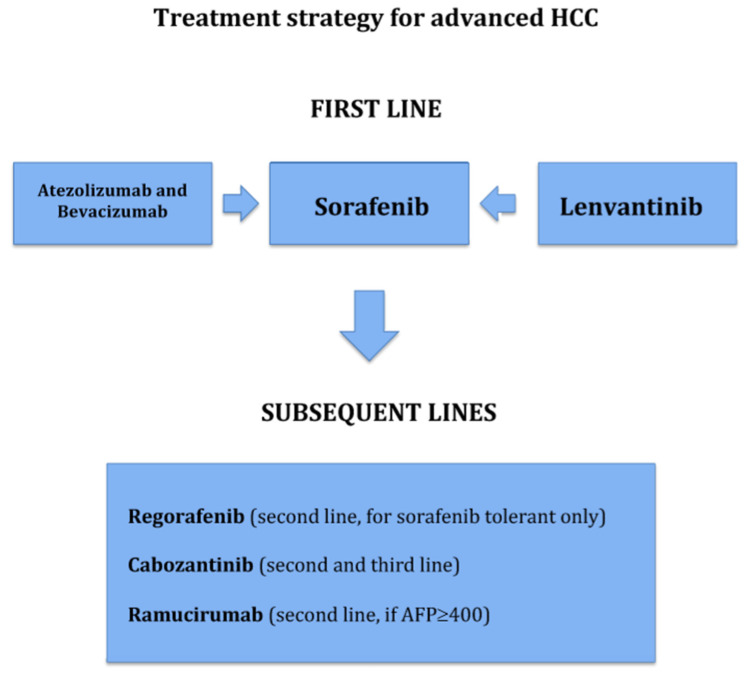
Hepatocellular carcinoma (HCC) is the main type of liver cancer. In the majority of cases, HCC is diagnosed at the advanced stage, leading to poor prognosis. In recent years, many efforts have been devoted to investigating potential new and more effective drugs and, indeed, the treatment armamentarium for advanced HCC has broadened tremendously, with targeted- and immune-therapies, and probably the combination of both, playing pivotal roles. Together with new established knowledge, many issues are emerging, with the role of neoadjuvant/adjuvant settings, the definition of the best transitioning time from loco-regional treatments to systemic therapy, the identification of potential predictive biomarkers, and radiomics being just some of the topics that will have to be further explored in the next future. Clearly, the current COVID-19 pandemic has influenced the management of HCC patients and some considerations about this topic will be elucidated.
肝细胞癌(HCC)是肝癌的主要类型。在大多数情况下,HCC在晚期被诊断出来,导致预后不良。近年来,人们致力于研究潜在的新型且更有效的药物,事实上,晚期HCC的治疗手段已大幅扩展,靶向治疗和免疫治疗,以及两者的联合应用发挥着关键作用。随着新知识的不断涌现,许多问题也随之出现,新辅助/辅助治疗的作用、从局部区域治疗过渡到全身治疗的最佳时间定义、潜在预测生物标志物的识别以及放射组学只是未来需要进一步探索的部分主题。显然,当前的新冠疫情已经影响了HCC患者的管理,关于这一主题的一些考量将得到阐明。