J. Crayton Pruitt Family Department of Biomedical Engineering, University of Florida, Gainesville, Florida 32611, USA.
Biomater Sci. 2021 Apr 7;9(7):2494-2507. doi: 10.1039/d0bm01372b. Epub 2021 Jan 13.
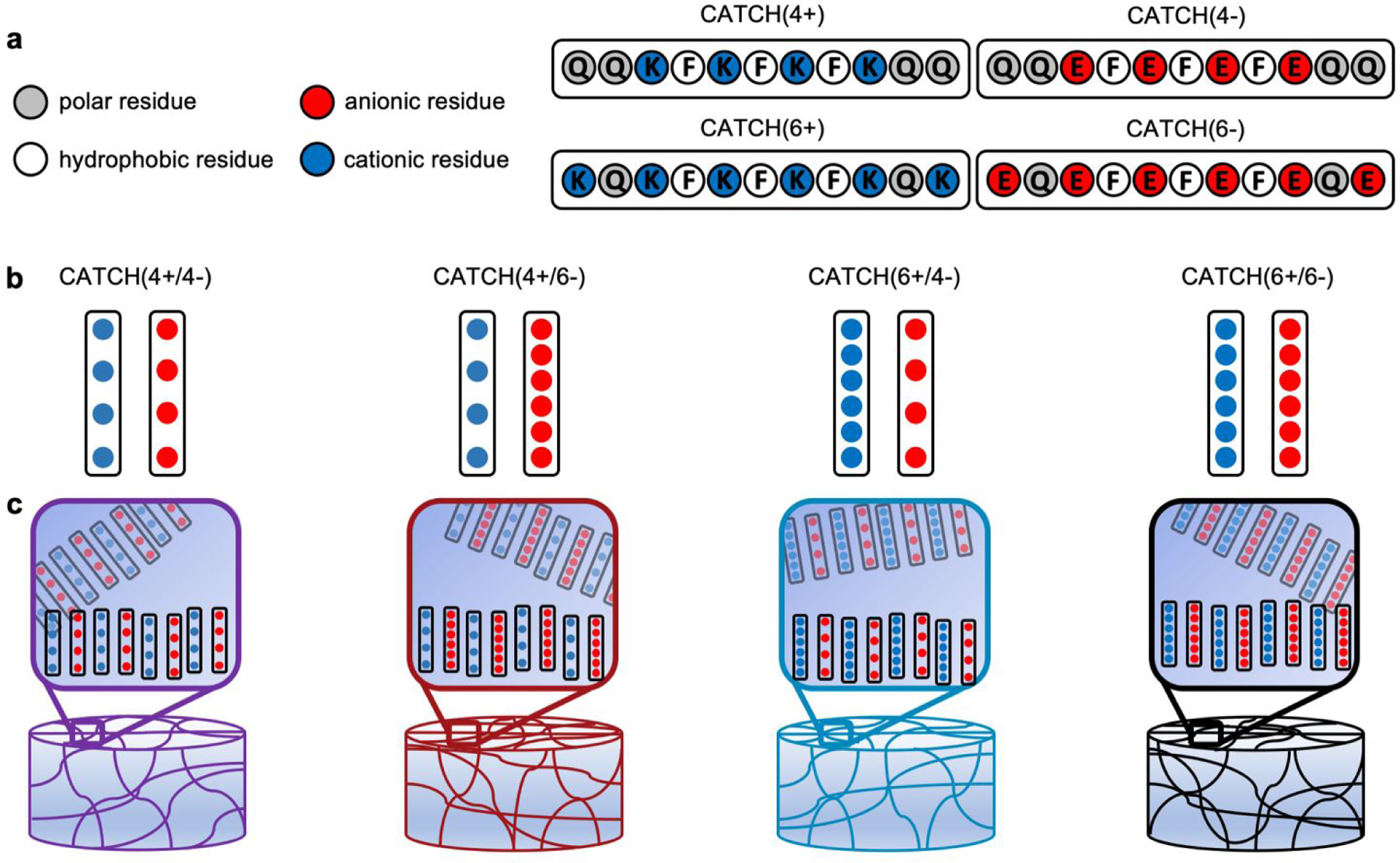
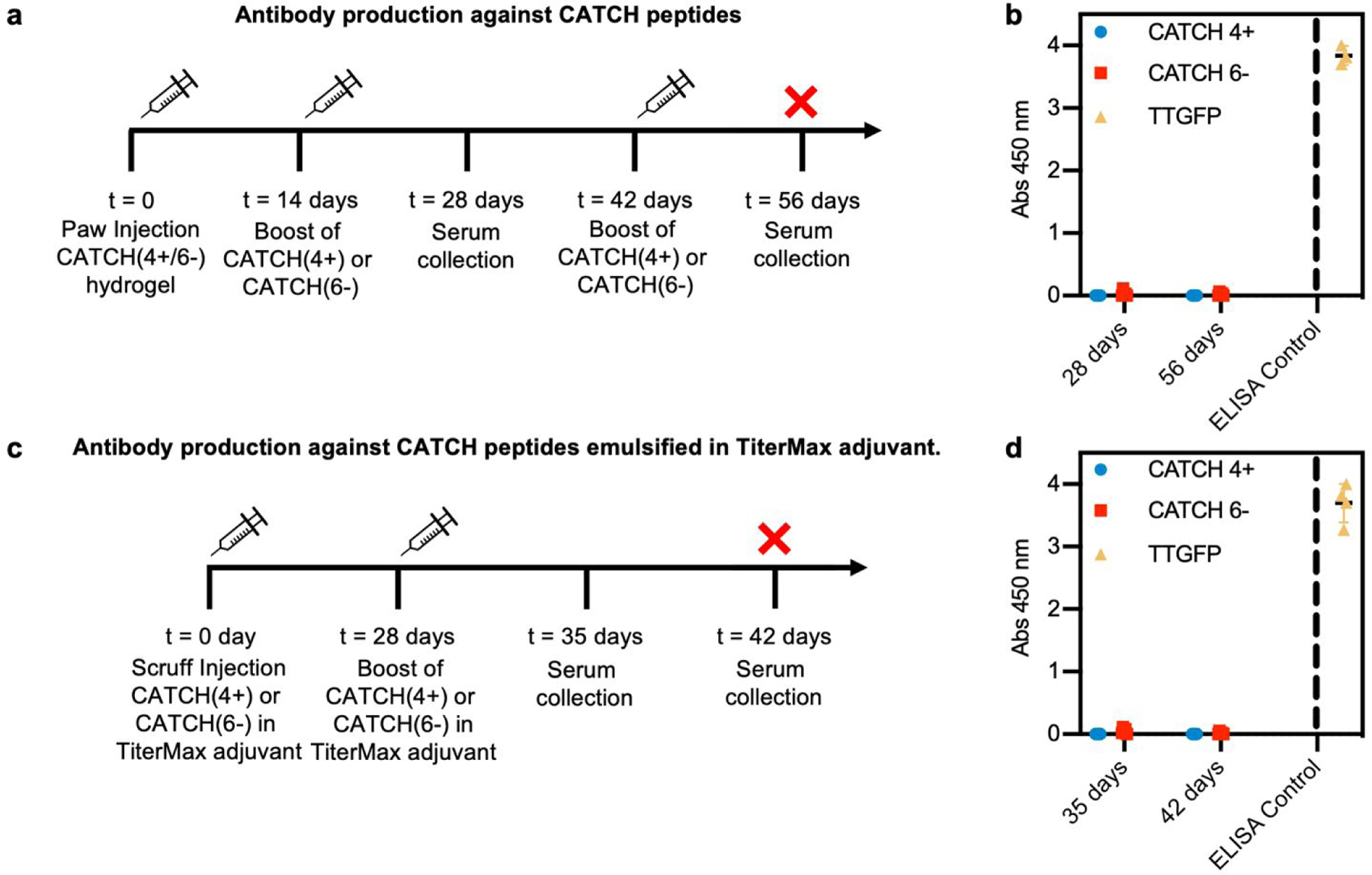
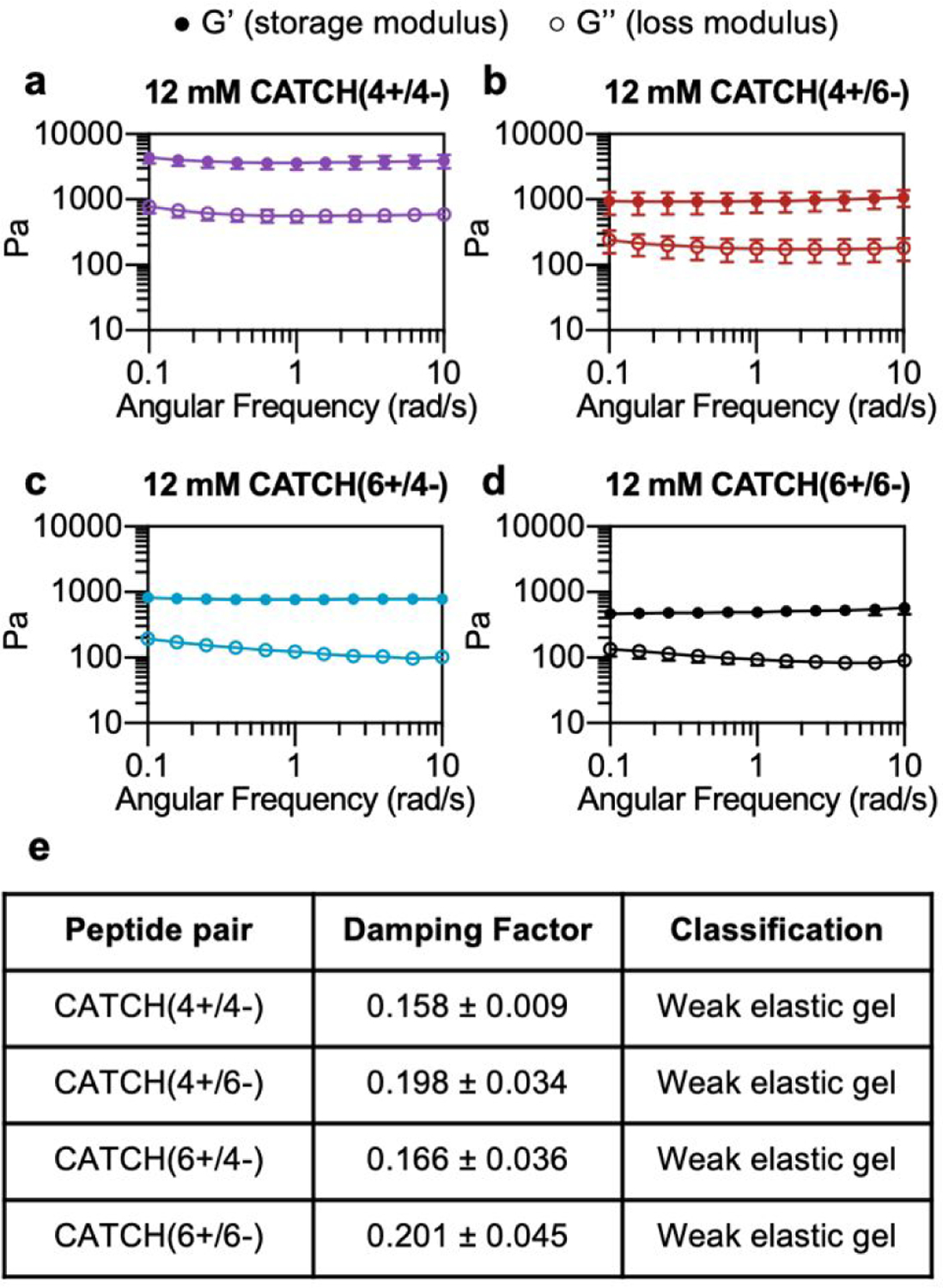
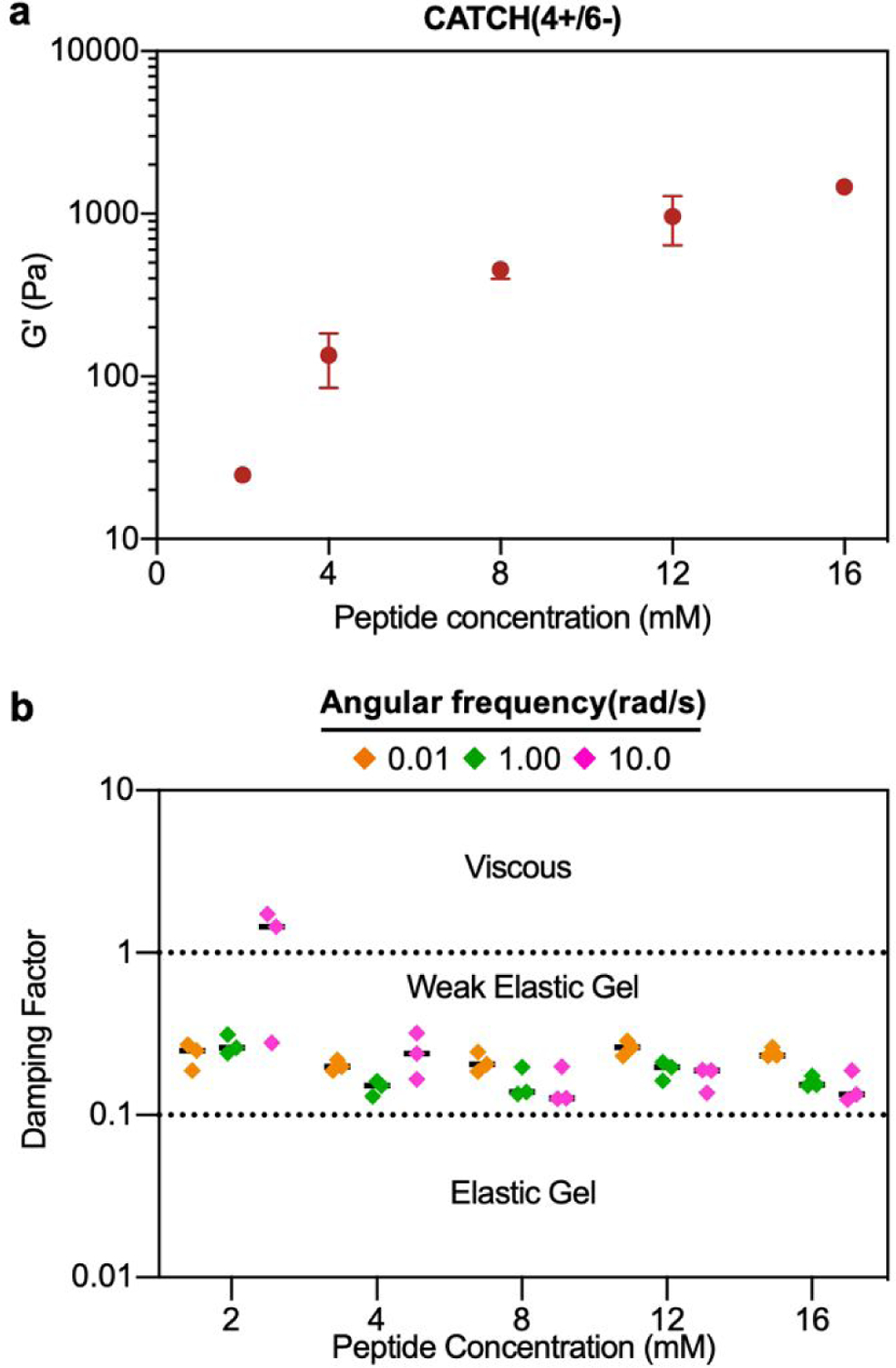
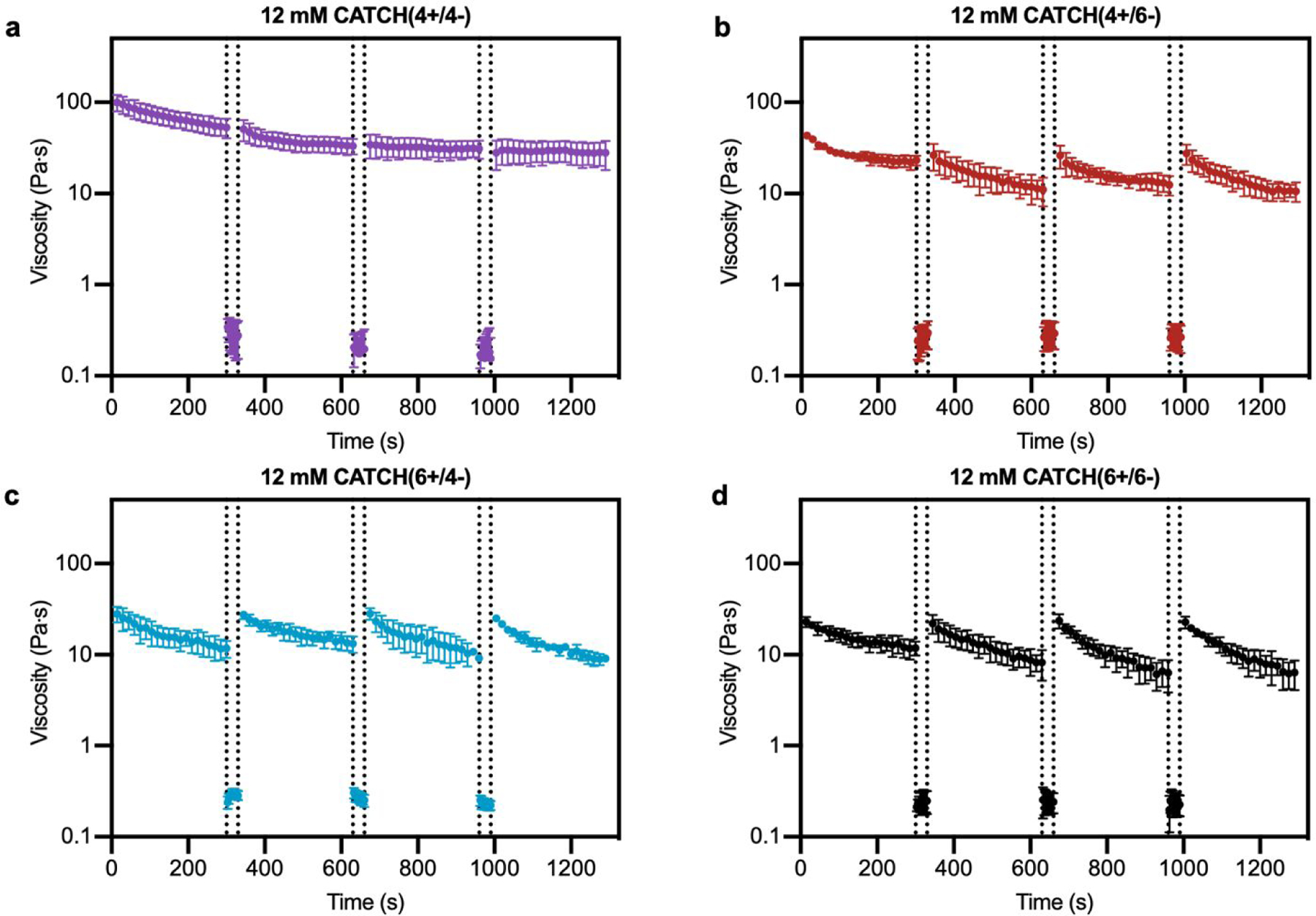
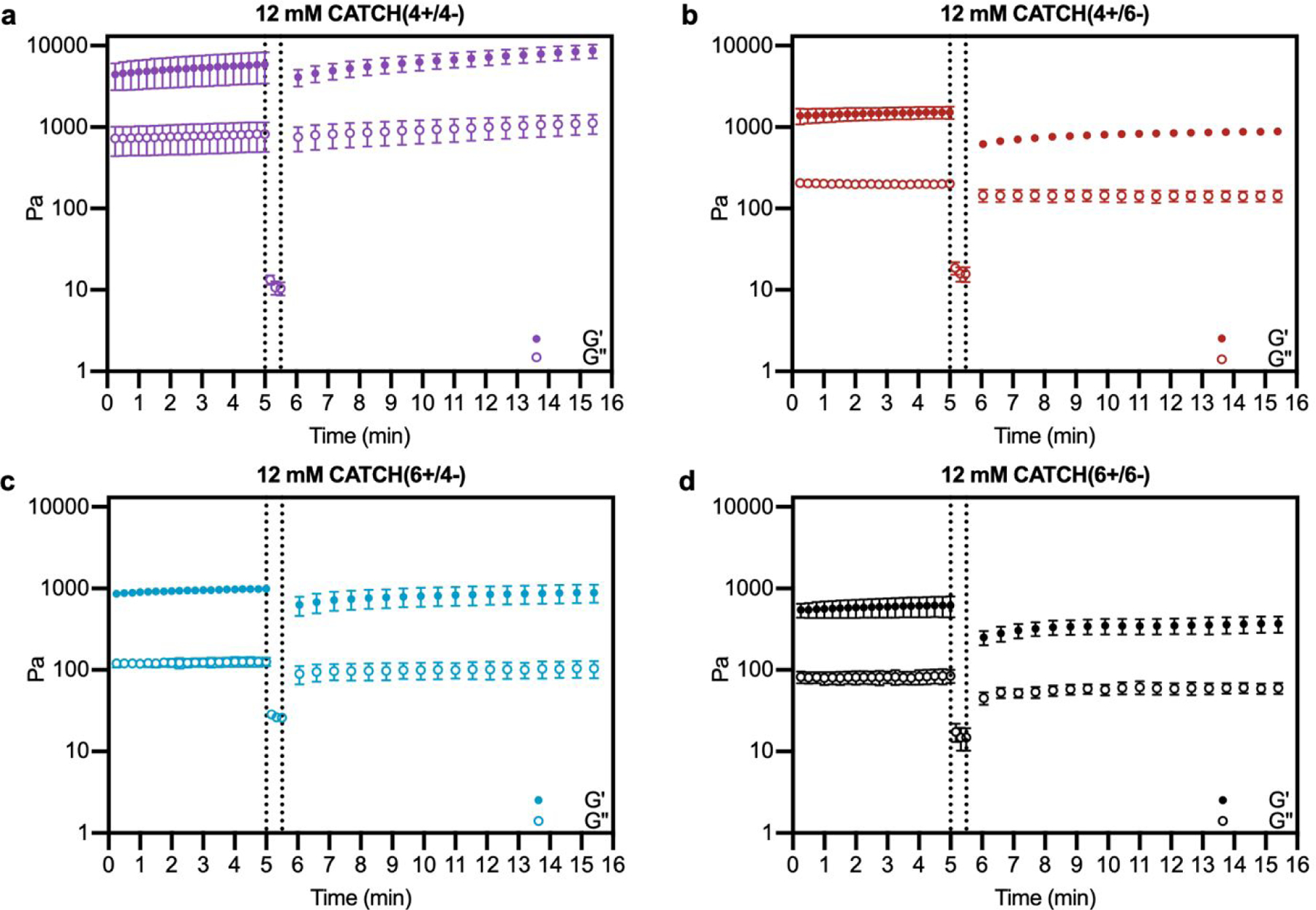
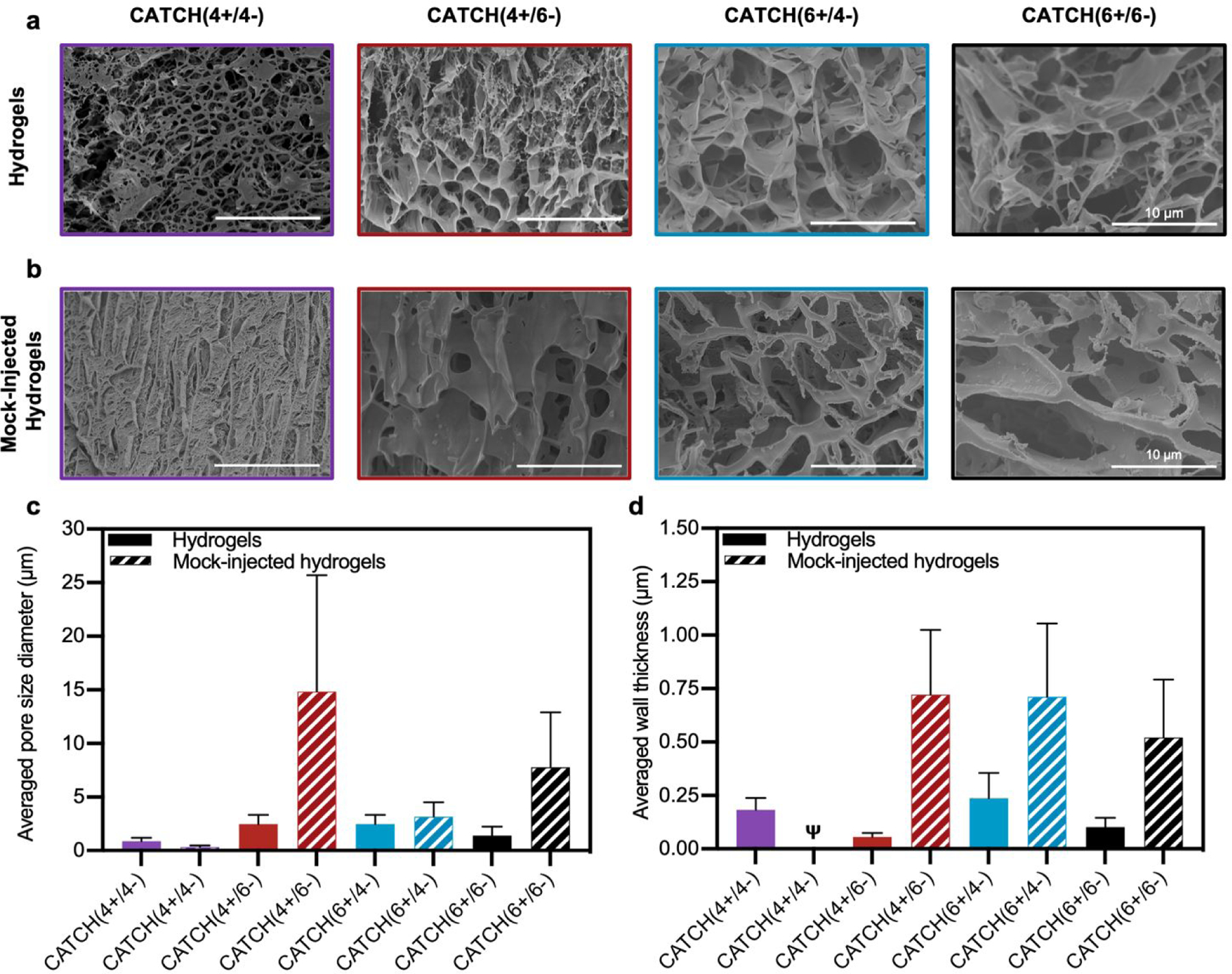
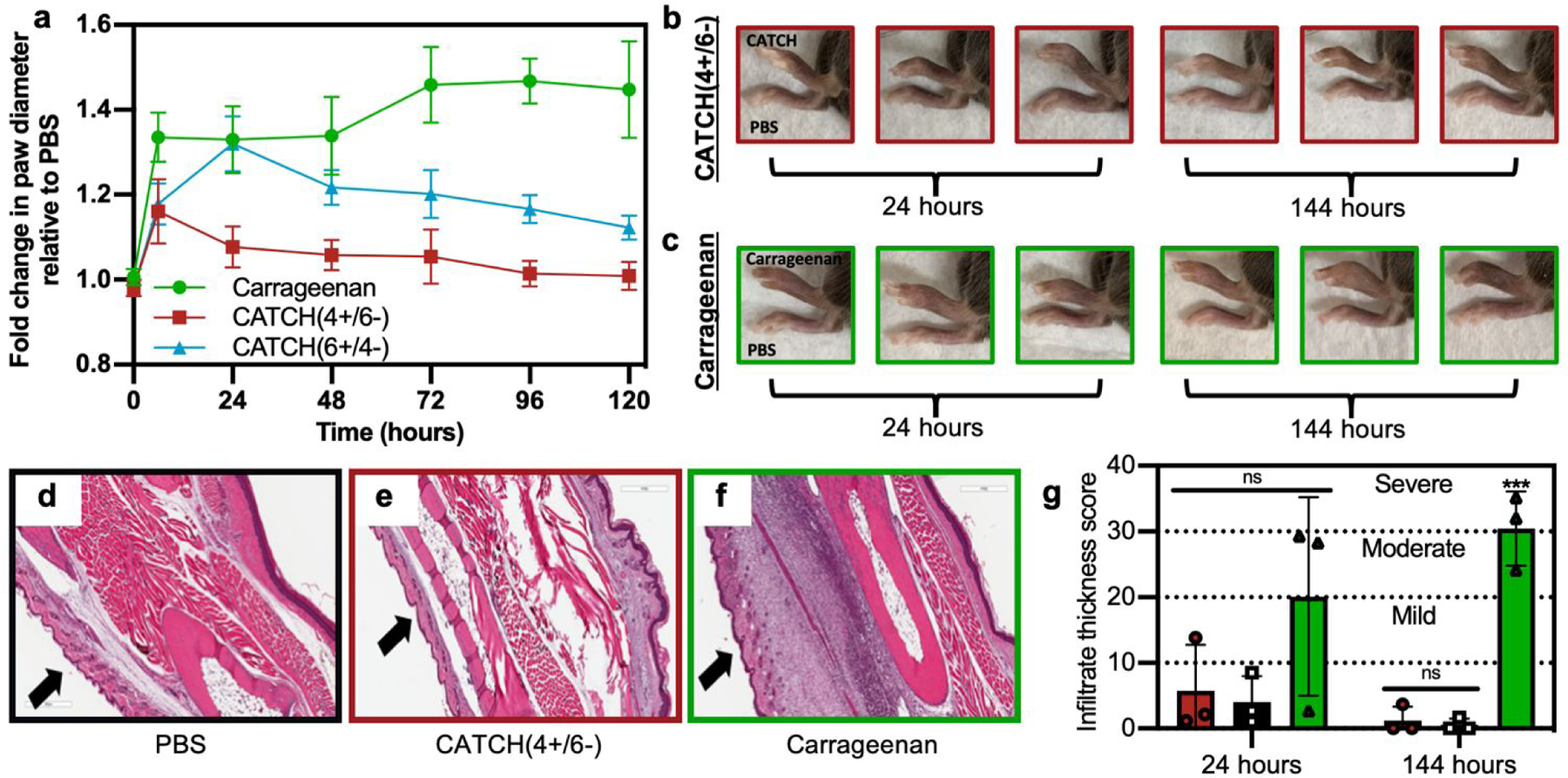
Injectable hydrogels are attractive for therapeutic delivery because they can be locally administered through minimally-invasive routes. Charge-complementary peptide nanofibers provide hydrogels that are suitable for encapsulation of biotherapeutics, such as cells and proteins, because they assemble under physiological temperature, pH, and ionic strength. However, relationships between the sequences of charge-complementary peptides and the physical properties of the hydrogels that they form are not well understood. Here we show that hydrogel viscoelasticity, pore size, and pore structure depend on the pairing of charge-complementary "CATCH(+/-)" peptides. Oscillatory rheology demonstrated that co-assemblies of CATCH(4+/4-), CATCH(4+/6-), CATCH(6+/4-), and CATCH(6+/6-) formed viscoelastic gels that can recover after high-shear and high-strain disruption, although the extent of recovery depends on the peptide pairing. Cryogenic scanning electron microscopy demonstrated that hydrogel pore size and pore wall also depend on peptide pairing, and that these properties change to different extents after injection. In contrast, no obvious correlation was observed between nanofiber charge state, measured with ζ-potential, and hydrogel physical properties. CATCH(4+/6-) hydrogels injected into the subcutaneous space elicited weak, transient inflammation whereas CATCH(6+/4-) hydrogels induced stronger inflammation. No antibodies were raised against the CATCH(4+) or CATCH(6-) peptides following multiple challenges in vehicle or when co-administered with an adjuvant. These results demonstrate that CATCH(+/-) peptides form biocompatible injectable hydrogels with viscoelastic properties that can be tuned by varying peptide sequence, establishing their potential as carriers for localized delivery of therapeutic cargoes.
可注射水凝胶因其可通过微创途径局部给药而受到治疗传递的青睐。电荷互补肽纳米纤维提供适合封装生物治疗剂(如细胞和蛋白质)的水凝胶,因为它们在生理温度、pH 值和离子强度下组装。然而,电荷互补肽的序列与它们形成的水凝胶的物理性质之间的关系尚未得到很好的理解。在这里,我们表明水凝胶的粘弹性、孔径和孔结构取决于电荷互补“CATCH(+/-)”肽的配对。振荡流变学表明,CATCH(4+/4-)、CATCH(4+/6-)、CATCH(6+/4-)和 CATCH(6+/6-)的共组装形成粘弹性凝胶,在高剪切和高应变破坏后可以恢复,尽管恢复程度取决于肽配对。低温扫描电子显微镜表明水凝胶的孔径和孔壁也取决于肽配对,并且这些性质在注射后会发生不同程度的变化。相比之下,用 ζ 电位测量的纳米纤维电荷状态与水凝胶物理性质之间没有明显的相关性。注入皮下空间的 CATCH(4+/6-)水凝胶引起较弱的短暂炎症,而 CATCH(6+/4-)水凝胶引起更强的炎症。在载体中多次挑战或与佐剂共同给药后,没有针对 CATCH(4+)或 CATCH(6-)肽产生抗体。这些结果表明 CATCH(+/-)肽形成具有粘弹性的生物相容性可注射水凝胶,其性质可通过改变肽序列进行调节,为治疗性货物的局部递送载体建立了潜力。