Rosner Margit, Reithofer Manuel, Fink Dieter, Hengstschläger Markus
Center for Pathobiochemistry and Genetics, Institute of Medical Genetics, Medical University of Vienna, 1090 Vienna, Austria.
Int J Mol Sci. 2021 Jan 11;22(2):637. doi: 10.3390/ijms22020637.
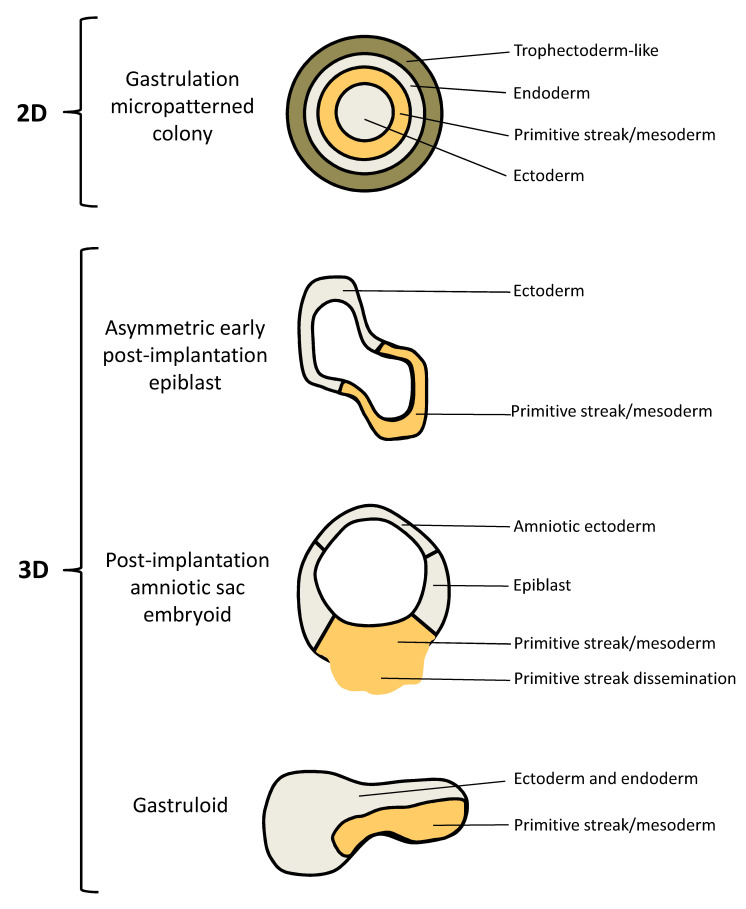
For obvious reasons, such as, e.g., ethical concerns or sample accessibility, model systems are of highest importance to study the underlying molecular mechanisms of human maladies with the aim to develop innovative and effective therapeutic strategies. Since many years, animal models and highly proliferative transformed cell lines are successfully used for disease modelling, drug discovery, target validation, and preclinical testing. Still, species-specific differences regarding genetics and physiology and the limited suitability of immortalized cell lines to draw conclusions on normal human cells or specific cell types, are undeniable shortcomings. The progress in human pluripotent stem cell research now allows the growth of a virtually limitless supply of normal and DNA-edited human cells, which can be differentiated into various specific cell types. However, cells in the human body never fulfill their functions in mono-lineage isolation and diseases always develop in complex multicellular ecosystems. The recent advances in stem cell-based 3D organoid technologies allow a more accurate in vitro recapitulation of human pathologies. Embryoids are a specific type of such multicellular structures that do not only mimic a single organ or tissue, but the entire human conceptus or at least relevant components of it. Here we briefly describe the currently existing in vitro human embryo models and discuss their putative future relevance for disease modelling and drug discovery.
出于显而易见的原因,例如伦理考量或样本可及性,模型系统对于研究人类疾病的潜在分子机制以开发创新且有效的治疗策略至关重要。多年来,动物模型和高度增殖的转化细胞系已成功用于疾病建模、药物发现、靶点验证和临床前测试。然而,遗传和生理方面的物种特异性差异以及永生化细胞系在推断正常人类细胞或特定细胞类型方面适用性有限,这些都是不可否认的缺点。人类多能干细胞研究的进展现在使得几乎可以无限供应正常和经过DNA编辑的人类细胞得以生长,这些细胞可以分化为各种特定细胞类型。然而,人体内的细胞从未在单谱系隔离中发挥其功能,疾病总是在复杂的多细胞生态系统中发展。基于干细胞的3D类器官技术的最新进展使得能够更准确地在体外重现人类病理。胚状体是这类多细胞结构的一种特殊类型,它不仅模拟单个器官或组织,还模拟整个人类胚胎或至少其相关组成部分。在此,我们简要描述当前现有的体外人类胚胎模型,并讨论它们在疾病建模和药物发现方面未来可能的相关性。