Universidade Federal Do Recôncavo da Bahia, Rua Rui Barbosa, 710, Cruz das Almas, BA, Brazil.
Sci Rep. 2021 Jan 13;11(1):974. doi: 10.1038/s41598-020-79658-4.
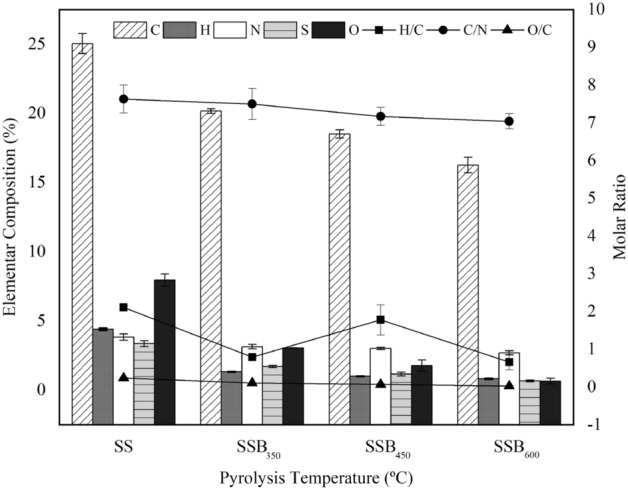
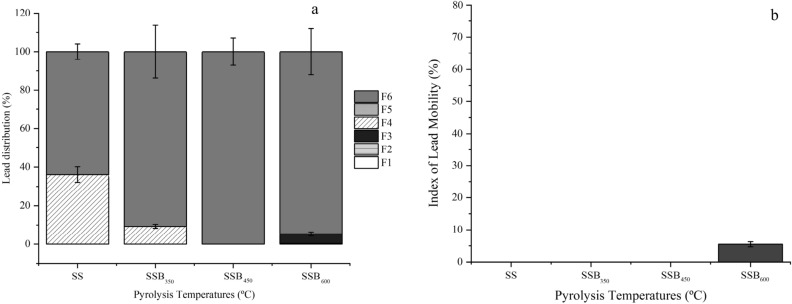
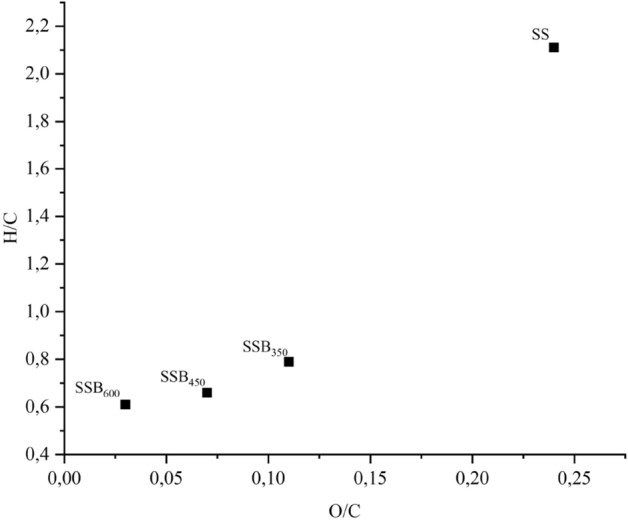
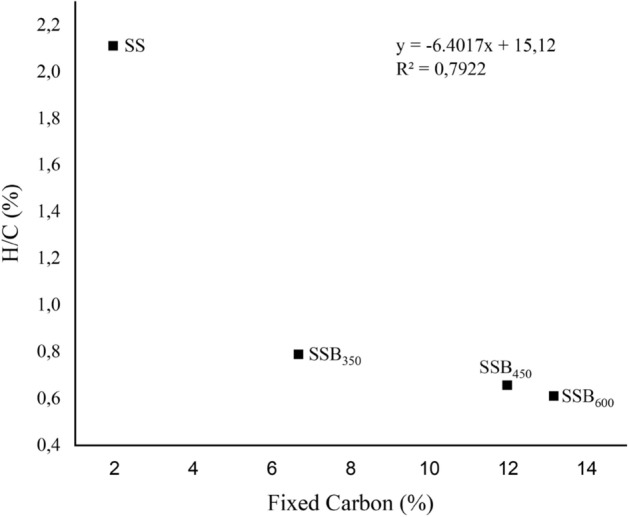
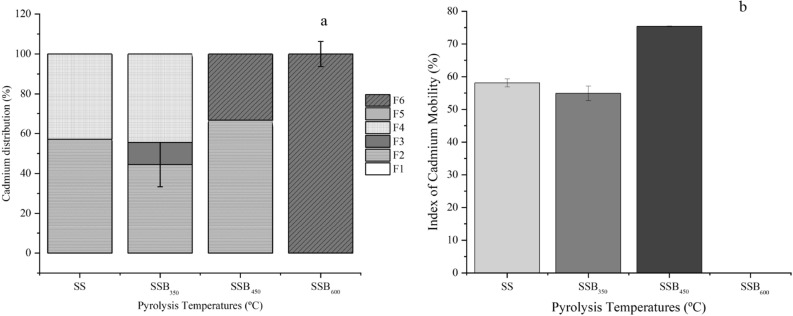
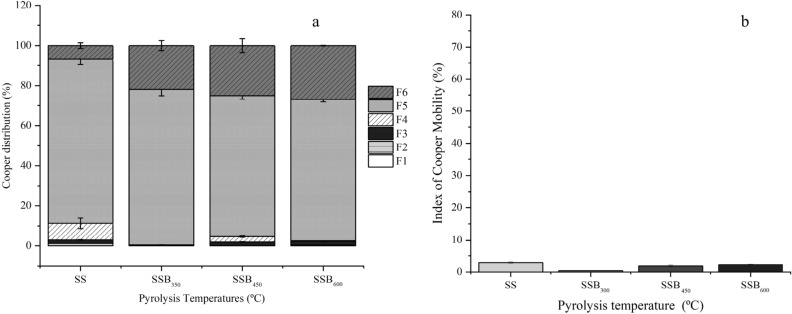
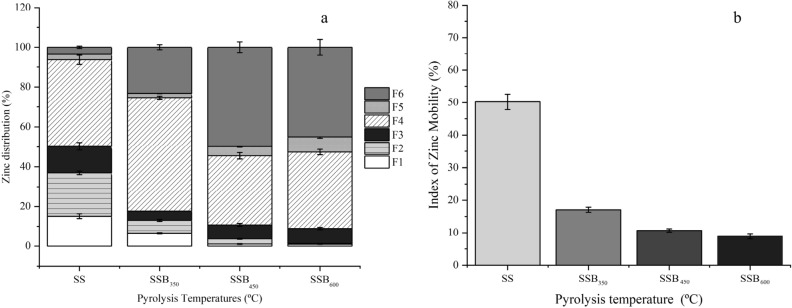
Biochar from sewage sludge is a low-cost sorbent that may be used for several environmental functions. This study evaluates the induced effects of pyrolysis temperature on the physicochemical characteristics of sewage sludge (SS) biochar produced at 350 (SSB), 450 (SSB) and 600 (SSB), based on the metal enrichment index, metal mobility index (MMI), and potential ecological risk index (PERI) of Cd, Cu, Pb, and Zn. Increased pyrolysis temperature reduced the biochar concentration of elements that are lost as volatile compounds (C, N, H, O, and S), while the concentration of stable aromatic carbon, ash, alkalinity, some macro (Ca, Mg, PO, and KO) and micronutrients (Cu and Zn), and toxic elements such as Pb and Cd increased. Increasing the pyrolysis temperature is also important in the transformation of metals from toxic and available forms into more stable potentially available and non-available forms. Based on the individual potential ecological risk index, Cd in the SS and SSB were in the moderate and considerable contamination ranges, respectively. For all pyrolysis temperature biochar Cd was the highest metal contributor to the PERI. Despite this, the potential ecological risk index of the SS and SSBs was graded as low.
污水污泥生物炭是一种低成本的吸附剂,可用于多种环境功能。本研究基于 Cd、Cu、Pb 和 Zn 的金属富集指数、金属迁移性指数(MMI)和潜在生态风险指数(PERI),评估了热解温度对在 350℃(SSB)、450℃(SSB)和 600℃(SSB)下产生的污水污泥(SS)生物炭的理化特性的诱导效应。升高热解温度会降低作为挥发物(C、N、H、O 和 S)损失的元素在生物炭中的浓度,而稳定的芳香碳、灰分、碱性、一些宏量(Ca、Mg、PO 和 KO)和微量元素(Cu 和 Zn)以及有毒元素(如 Pb 和 Cd)的浓度会增加。升高热解温度对于将金属从有毒和可用形态转化为更稳定的潜在可用和不可用形态也很重要。基于单个潜在生态风险指数,SS 和 SSB 中的 Cd 分别处于中度和显著污染范围。对于所有热解温度的生物炭,Cd 是 PERI 中金属贡献最高的元素。尽管如此,SS 和 SSB 的潜在生态风险指数仍被评为低。