Department of Family Medicine and Outpatient Care, Medical Faculty #2, Education Scientific Family Medicine Training Centre, Uzhgorod National University, Uzhgorod, Ukraine.
Department of General Practice & Family Medicine, Medical Faculty, Martin-Luther University, Magdeburger Straße 8, 06112, Halle /Saale, Germany.
BMC Fam Pract. 2021 Jan 14;22(1):20. doi: 10.1186/s12875-021-01367-2.
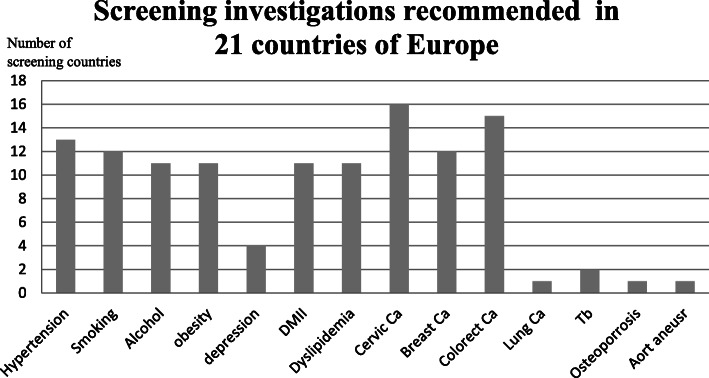
The purpose of this study is to forward the implementation of an operational evidence-based state screening program of common diseases in Ukraine, where currently no state-based and evidence-based screening (EBS) exists. EBS should be performed by Family Doctors in a primary care setting and concern prevalent diseases in adults, such as: obesity (BMI), hypertension (BP measurement), diabetes (glycaemia), dyslipidemia (cholesterol/lipids), colon cancer (FOBT/colonoscopy), breast cancer (mammography), STIs (chlamydia, syphilis), HIV, HBV, HCV (i.e. serology or other rapid tests), HPV (swabs), cervical cancer (test Pap). depression (i.e., PHQ-9), and smoking (i.e., Fagerstrom).
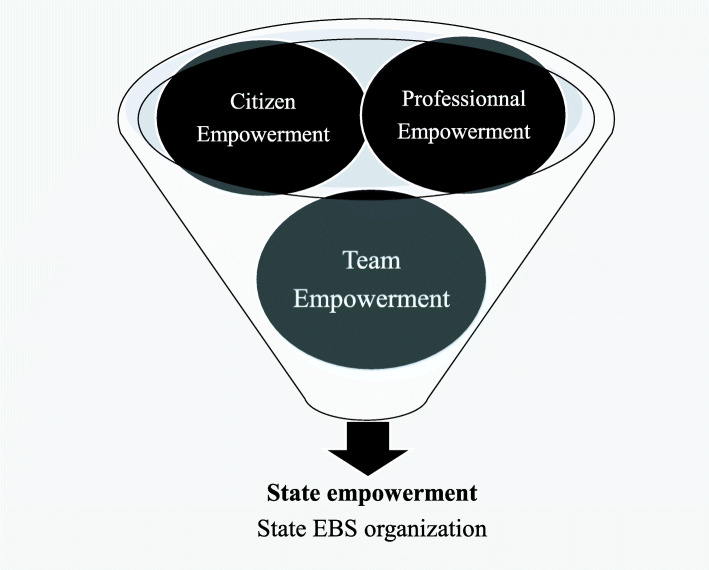
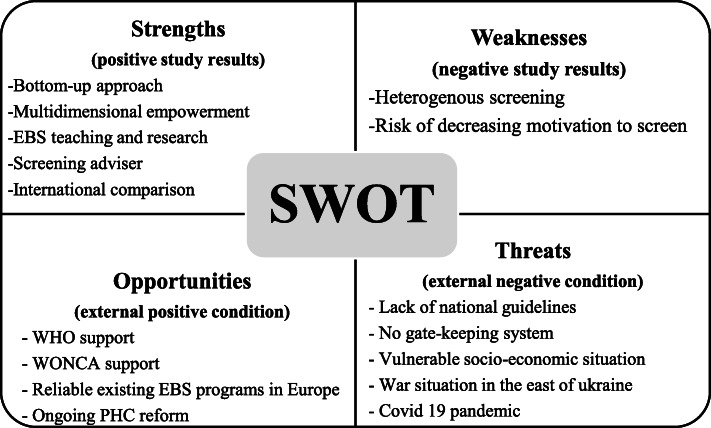
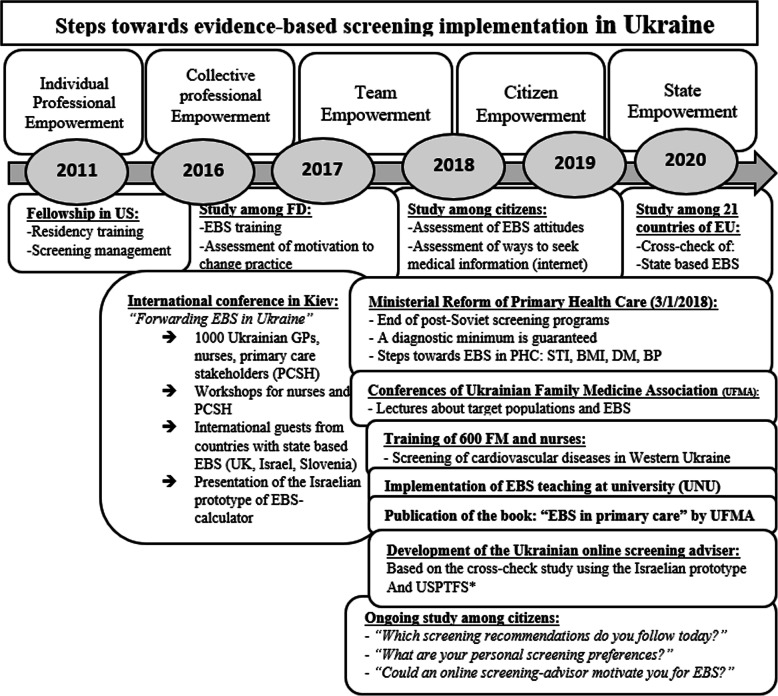
Four needs-based research actions were led among citizens and healthcare professionals, based on multidimensional empowerment. Internal Strengths and Weaknesses of the ongoing implementation process were identified through these studies, whereas external Opportunities and Threats were determined by the present socio-cultural and political context. This SWOT analysis is likely to guide future state-based initiatives to accomplish EBS implementation in Ukraine.
Internal Strengths are the bottom-up multidimensional empowerment approach, teaching of EBS and the development of an internet-based platform "Screening adviser" to assist shared decision making for person-centred EBS programs. Internal Weaknesses identified for the Family Doctors are a heterogeneous screening and the risk of decreasing motivation to screen. External Opportunities include the ongoing PHC reform, the existent WONCA and WHO support, and the existence of EBS programs in Europe. External Threats are the lack of national guidelines, not fully introduced gate keeping system, the vulnerable socio-economic situation, the war situation in the East of Ukraine and the Covid-19 pandemic.
We started EBS implementation through research actions, based on a multidimensional empowerment of citizens, HCP and in EBS pathways involved stakeholder teams, to foster a sustainable operational human resource to get involved in that new EBS pathway to implement. The presented SWOT-analysis of this ongoing implementation process allows to plan and optimize future steps towards a state based and supports EBS program in Ukraine.
本研究旨在推进乌克兰常见疾病的基于运营的循证筛查计划的实施,而目前乌克兰尚未开展基于国家和循证的筛查(EBS)。EBS 应由家庭医生在初级保健环境中进行,涉及成年人的常见疾病,例如:肥胖症(BMI)、高血压(血压测量)、糖尿病(血糖)、血脂异常(胆固醇/脂质)、结肠癌(FOBT/结肠镜检查)、乳腺癌(乳房 X 光检查)、性传播感染(衣原体、梅毒)、艾滋病毒、乙肝、丙肝(即血清学或其他快速检测)、人乳头瘤病毒(拭子)、宫颈癌(巴氏试验)。抑郁症(即 PHQ-9)和吸烟(即 Fagerstrom)。
在公民和医疗保健专业人员中开展了四项基于需求的研究行动,这些行动基于多维赋权。通过这些研究确定了正在进行的实施过程中的内部优势和劣势,而外部机会和威胁则由当前的社会文化和政治背景决定。这种 SWOT 分析可能会指导未来基于国家的举措,以实现乌克兰的 EBS 实施。
内部优势是自下而上的多维赋权方法、EBS 的教学以及开发一个基于互联网的平台“Screening adviser”,以协助个人为中心的 EBS 计划的共同决策。为家庭医生确定的内部弱点是筛查的异质性和筛查动机降低的风险。外部机会包括正在进行的初级卫生保健改革、世界家庭医生组织和世界卫生组织的现有支持,以及欧洲的 EBS 计划。外部威胁是缺乏国家指南、尚未完全引入的把关系统、脆弱的社会经济状况、乌克兰东部的战争局势和 COVID-19 大流行。
我们通过研究行动开始实施 EBS,这些行动基于公民、医疗保健专业人员和 EBS 途径中涉及的利益相关者团队的多维赋权,以培养可持续的运营人力资源,参与新的 EBS 途径以实施。对正在进行的实施过程进行的 SWOT 分析使我们能够规划和优化未来的步骤,以在乌克兰建立基于国家的支持 EBS 计划。