Howard Hughes Medical Institute, Chevy Chase, United States.
Department of Molecular and Cell Biology, University of California, Berkeley, Berkeley, United States.
Elife. 2021 Jan 15;10:e61037. doi: 10.7554/eLife.61037.
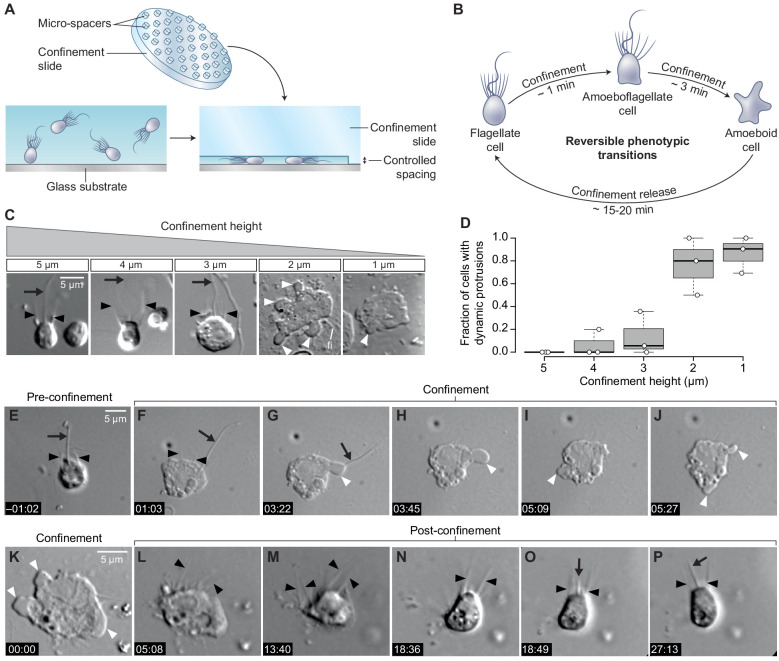
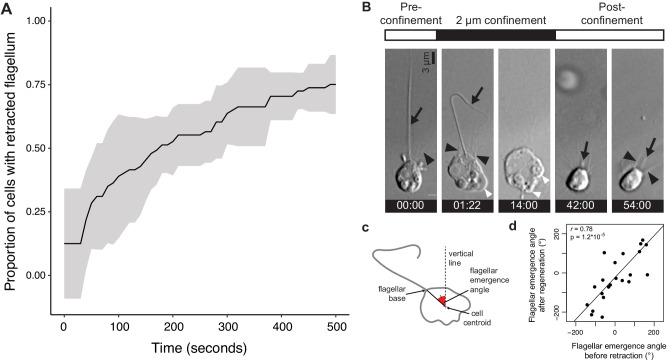
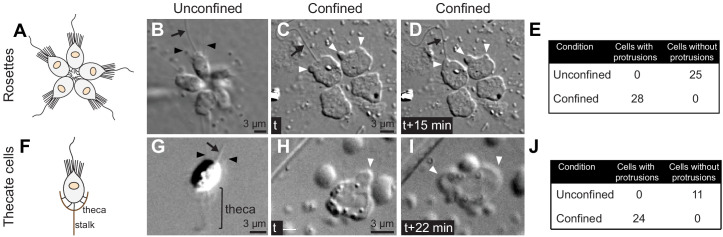
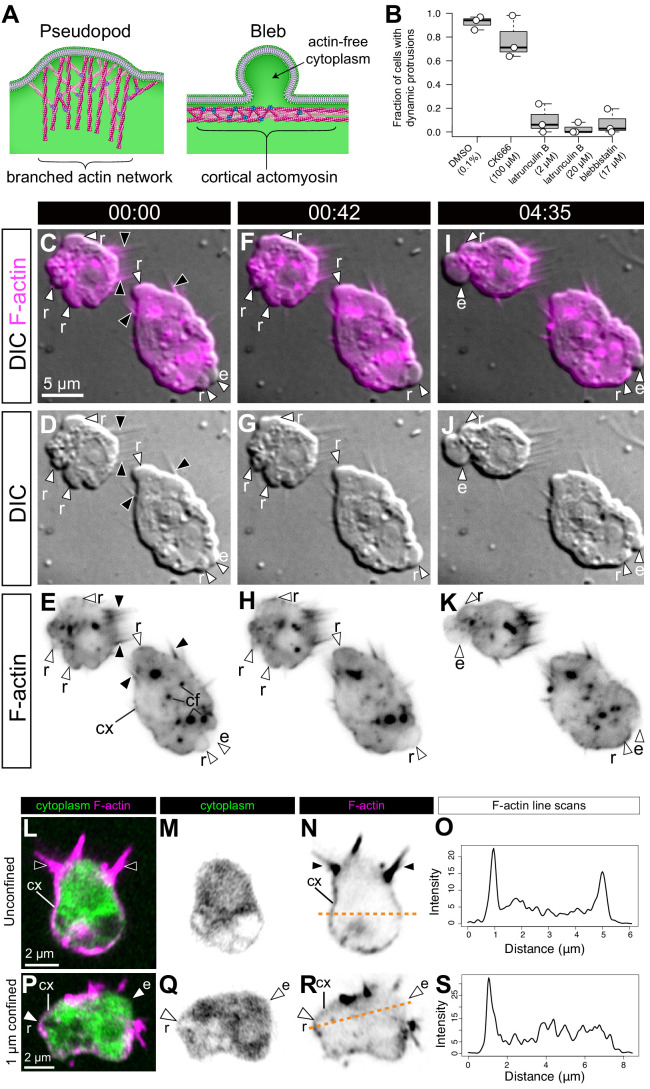
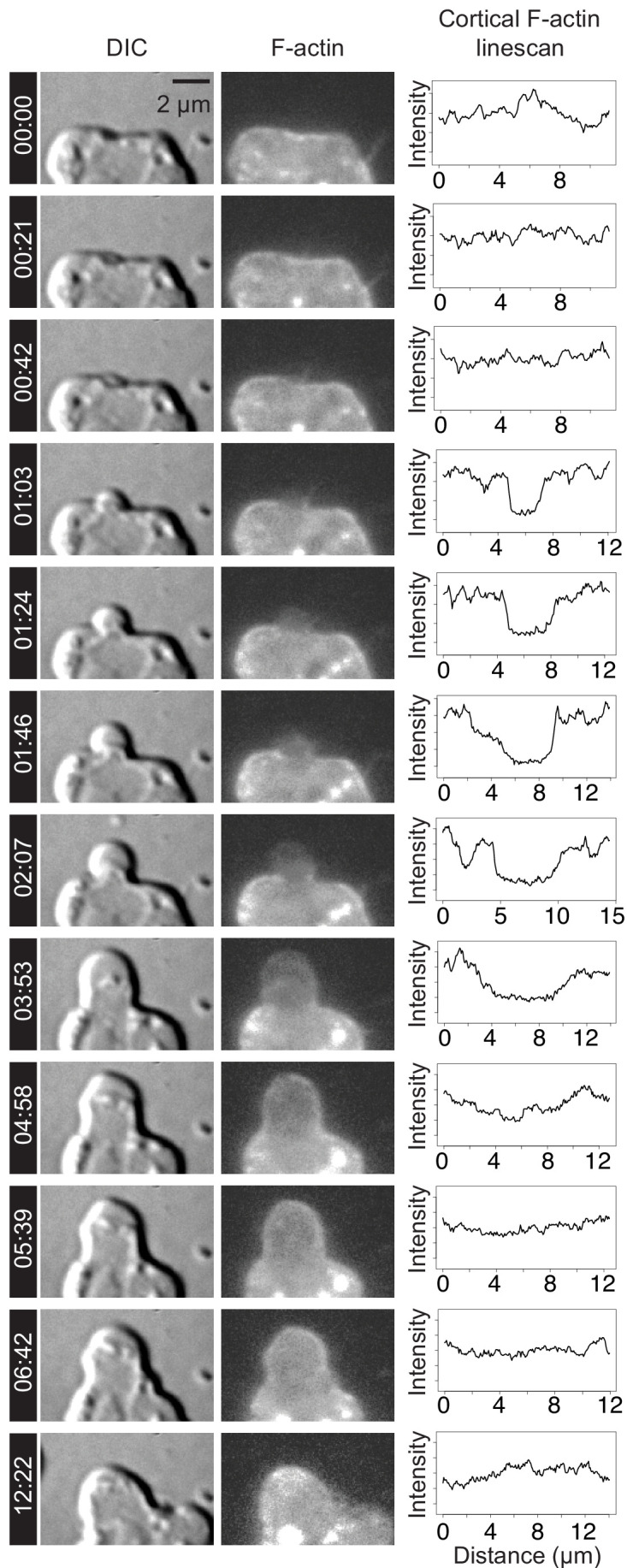
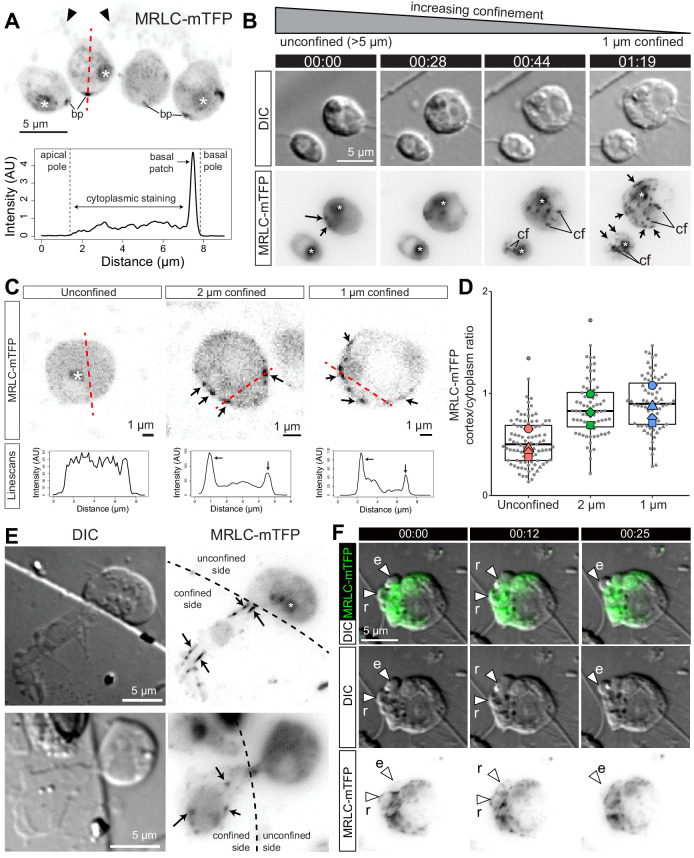
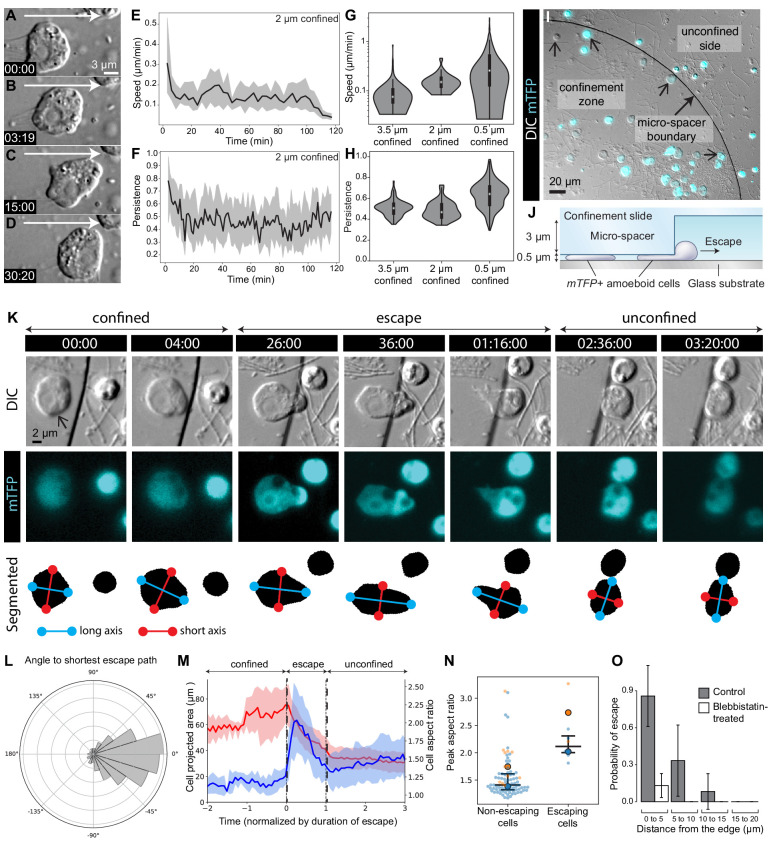
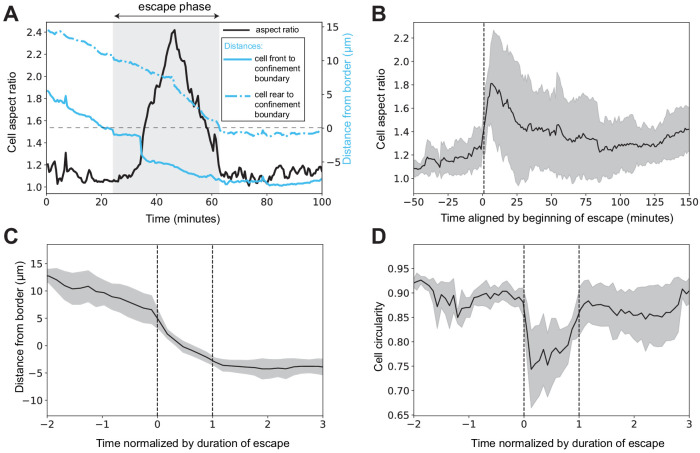
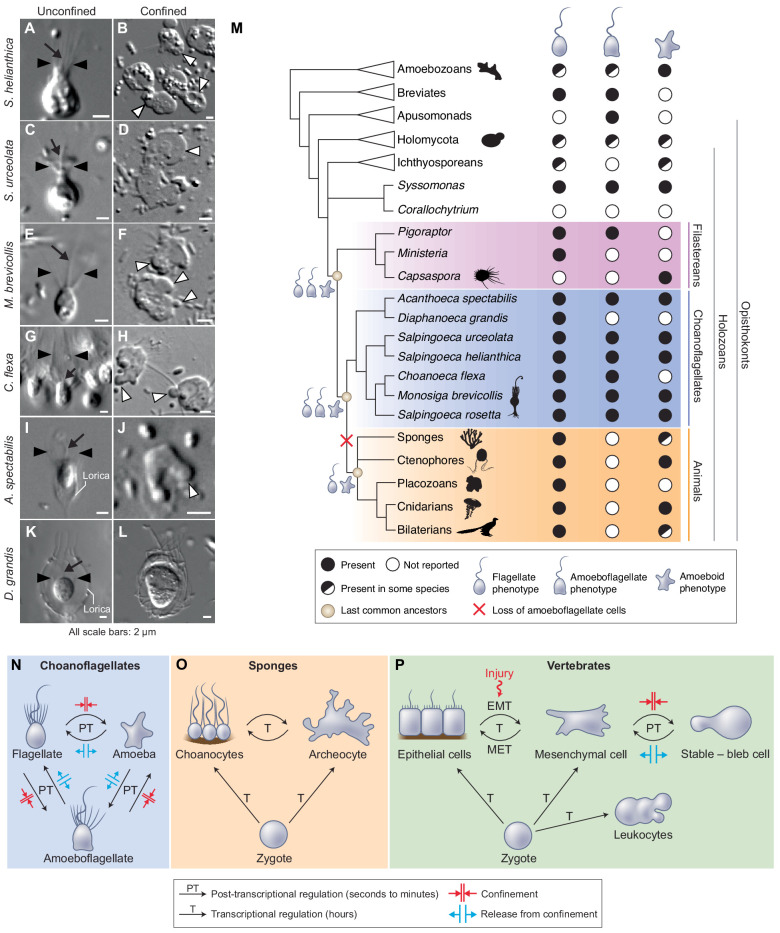
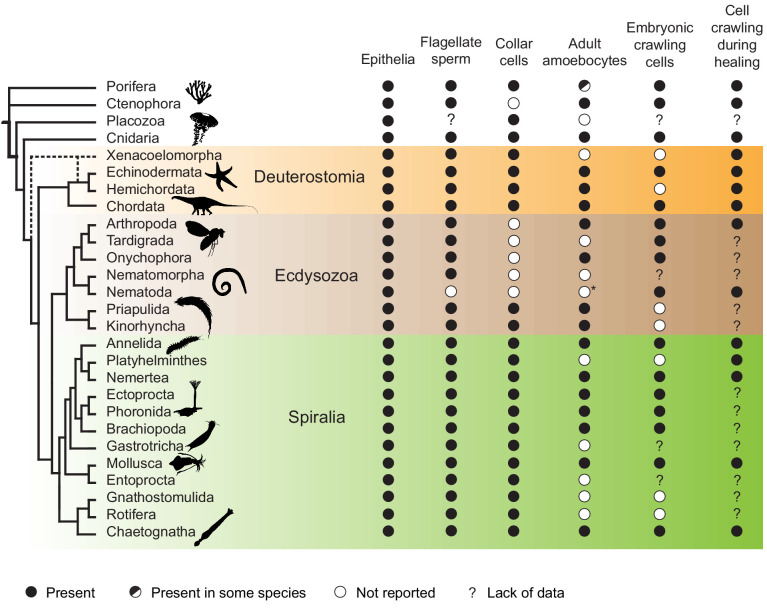
Amoeboid cell types are fundamental to animal biology and broadly distributed across animal diversity, but their evolutionary origin is unclear. The closest living relatives of animals, the choanoflagellates, display a polarized cell architecture (with an apical flagellum encircled by microvilli) that resembles that of epithelial cells and suggests homology, but this architecture differs strikingly from the deformable phenotype of animal amoeboid cells, which instead evoke more distantly related eukaryotes, such as diverse amoebae. Here, we show that choanoflagellates subjected to confinement become amoeboid by retracting their flagella and activating myosin-based motility. This switch allows escape from confinement and is conserved across choanoflagellate diversity. The conservation of the amoeboid cell phenotype across animals and choanoflagellates, together with the conserved role of myosin, is consistent with homology of amoeboid motility in both lineages. We hypothesize that the differentiation between animal epithelial and crawling cells might have evolved from a stress-induced switch between flagellate and amoeboid forms in their single-celled ancestors.
变形细胞类型是动物生物学的基础,广泛分布于动物多样性中,但它们的进化起源尚不清楚。动物最接近的现存亲属——领鞭毛目原生动物,表现出极化的细胞结构(顶端有被微绒毛环绕的鞭毛),类似于上皮细胞,并暗示存在同源性,但这种结构与变形虫样的动物阿米巴细胞的可变形表型截然不同,后者更类似于亲缘关系较远的真核生物,如各种变形虫。在这里,我们表明,当领鞭毛目原生动物受到限制时,它们会通过缩回鞭毛并激活肌球蛋白驱动的运动而变成阿米巴样。这种转变可以帮助它们逃脱限制,并且在领鞭毛目原生动物的多样性中是保守的。阿米巴样运动在动物和领鞭毛目原生动物中的表型保守性,以及肌球蛋白的保守作用,与这两个谱系中阿米巴样运动的同源性一致。我们假设,动物上皮细胞和爬行细胞的分化可能是从其单细胞祖先中,由鞭毛和阿米巴样形式之间的应激诱导开关进化而来的。