Zhang Zhicheng, Zheng Bo, Chen Wei, Xiong Hui, Jiang Caiming
Department of Radiology, The Ninth People's Hospital of Chongqing, Chongqing 400700, P.R. China.
Exp Ther Med. 2021 Feb;21(2):164. doi: 10.3892/etm.2020.9595. Epub 2020 Dec 21.
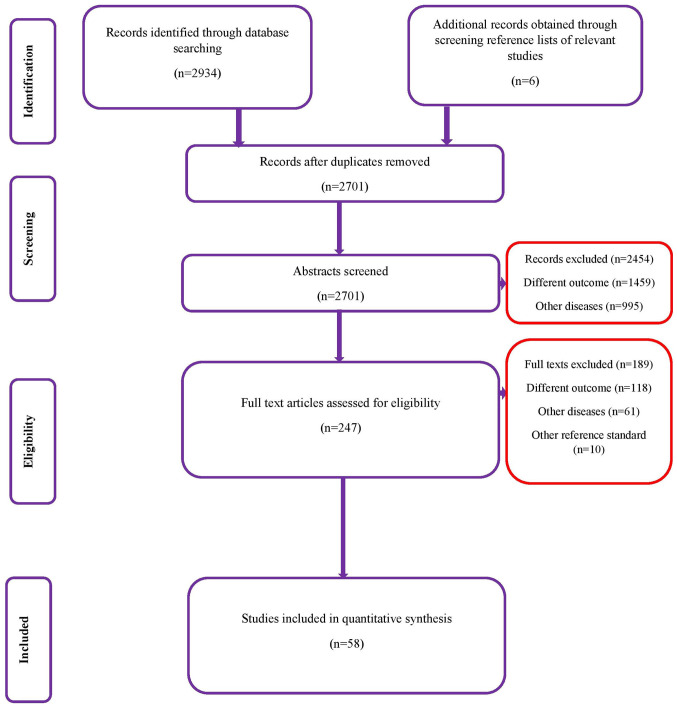
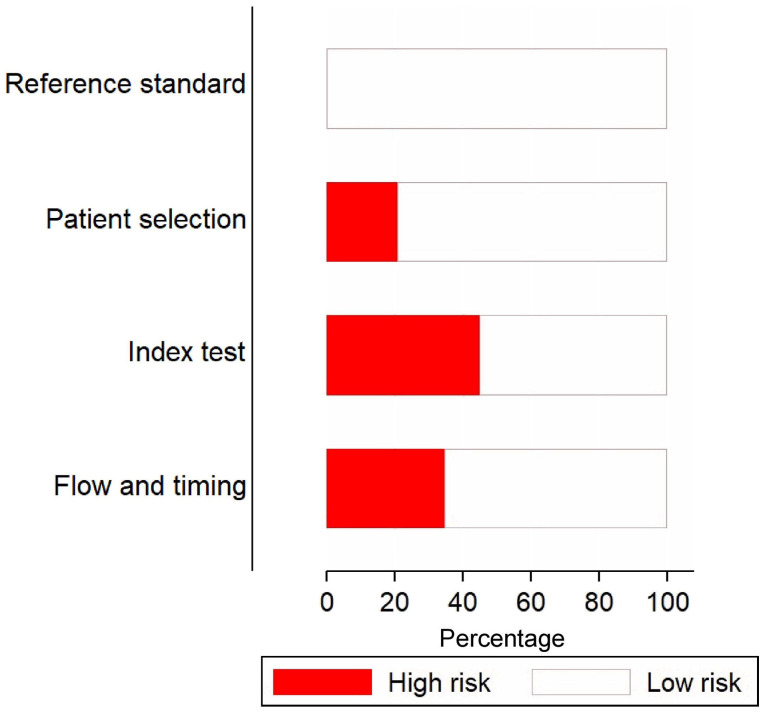
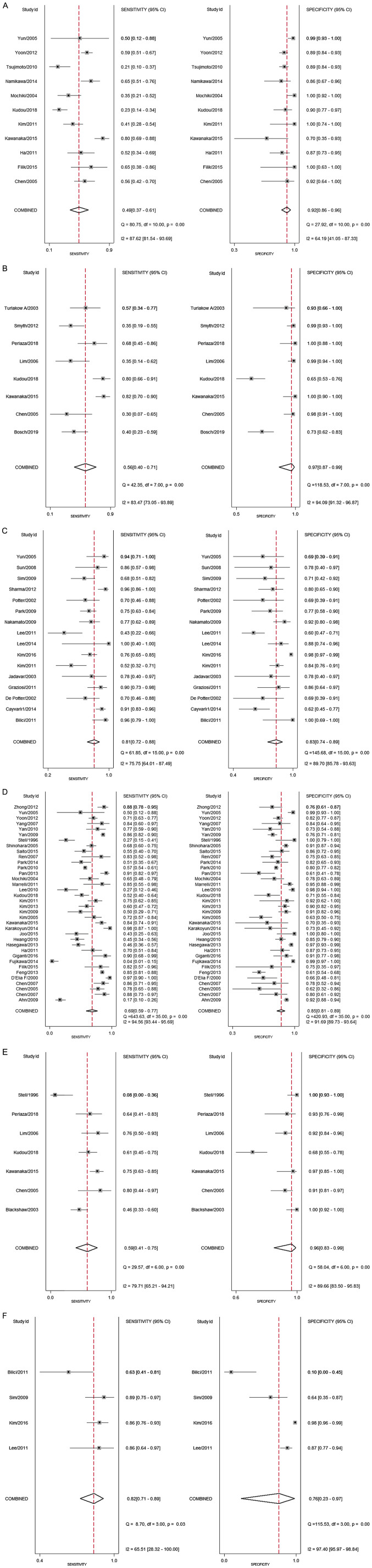
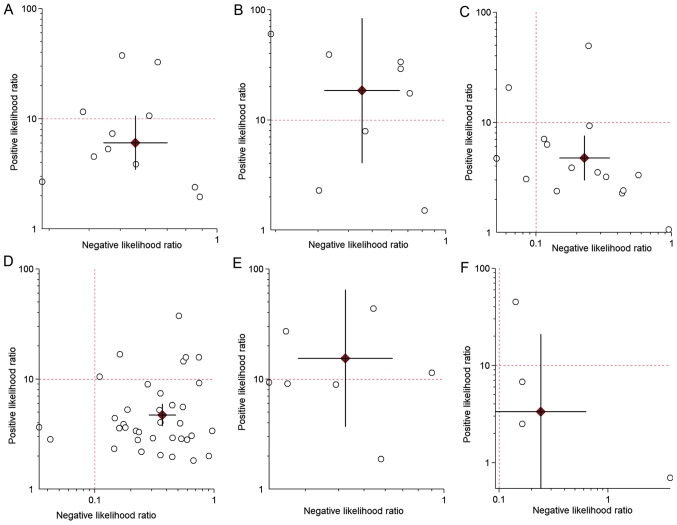
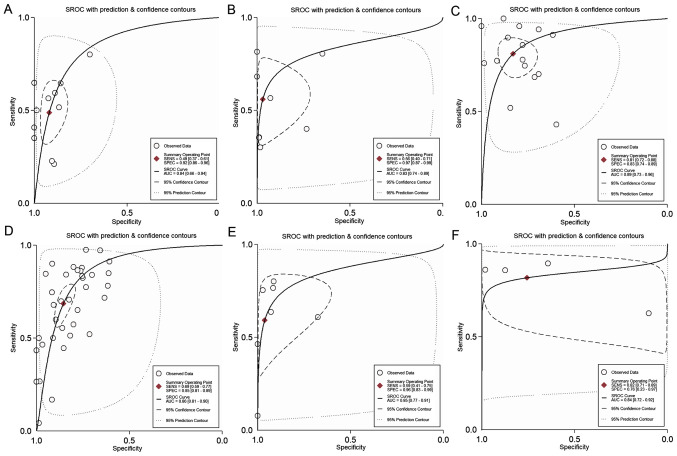
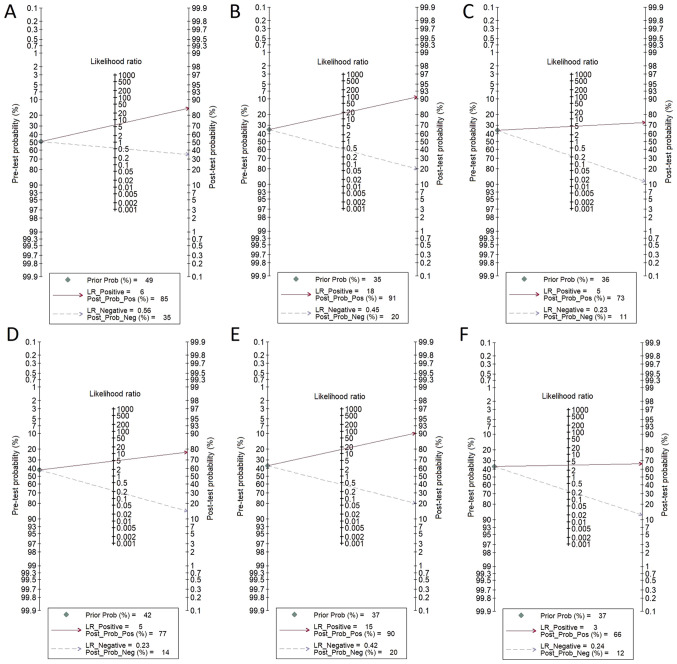
Contrast-enhanced computed tomography (CECT) is commonly used for staging and diagnosing recurrent gastric cancer. Recently, F-fluorodeoxyglucose positron emission tomography (F-FDG PET)/CT gained popularity as a diagnostic tool owing to advantages including dual functional and anatomical imaging, which may facilitate early diagnosis. The diagnostic performance of F-FDG PET/CT and CECT has been assessed in several studies but with variable results. Therefore, the present meta-analysis aimed to evaluate the accuracy of F-FDG PET/CT and CECT for primary TNM staging and the diagnosis of recurrent gastric cancers. A systematic search of the PubMed Central, Medline, Scopus, Cochrane and Embase databases from inception until January 2020 was performed. The Quality Assessment of Diagnostic Accuracy Study-2 tool was used to determine the quality of the selected studies. Pooled estimates of sensitivity and specificity were calculated. A total of 58 studies comprising 9,997 patients were included. Most studies had a low risk of bias. The sensitivity and specificity for nodal staging of gastric cancer were 49% (95% CI, 37-61%) and 92% (95% CI, 86-96%) for F-FDG PET/CT, respectively, and 67% (95% CI, 57-76%) and 86% (95% CI, 81-89%) for CECT, respectively. For metastasis staging, the sensitivity and specificity were 56% (95% CI, 40-71%) and 97% (95% CI, 87-99%) for F-FDG PET/CT, respectively, and 59% (95% CI, 41-75%) and 96% (95% CI, 83-99%) for CECT, respectively. For diagnosing cancer recurrence, the pooled sensitivity and specificity were 81% (95% CI, 72-88%) and 83% (95% CI, 74-89%) for F-FDG PET/CT, respectively, and 59% (95% CI, 41-75%) and 96% (95% CI, 83-99%) for CECT, respectively. Both F-FDG PET/CT and CECT were deemed highly useful for diagnosing recurrent gastric cancer due to their high sensitivities and specificities. However, these techniques cannot be used to exclude or confirm the presence of lymph node metastases or recurrent gastric cancer tumors, but can be used for the confirmation of distal metastasis.
对比增强计算机断层扫描(CECT)常用于复发性胃癌的分期和诊断。近年来,F-氟脱氧葡萄糖正电子发射断层扫描(F-FDG PET)/CT作为一种诊断工具越来越受欢迎,因为它具有双功能和解剖成像等优势,可能有助于早期诊断。多项研究评估了F-FDG PET/CT和CECT的诊断性能,但结果各异。因此,本荟萃分析旨在评估F-FDG PET/CT和CECT对原发性TNM分期及复发性胃癌诊断的准确性。对PubMed Central、Medline、Scopus、Cochrane和Embase数据库从创建至2020年1月进行了系统检索。使用诊断准确性研究质量评估-2工具来确定所选研究的质量。计算敏感性和特异性的合并估计值。共纳入58项研究,涉及9997例患者。大多数研究的偏倚风险较低。F-FDG PET/CT对胃癌淋巴结分期的敏感性和特异性分别为49%(95%CI,37-61%)和92%(95%CI,86-96%),CECT分别为67%(95%CI,57-76%)和86%(95%CI,81-89%)。对于转移灶分期,F-FDG PET/CT的敏感性和特异性分别为56%(95%CI,40-71%)和97%(95%CI,87-99%),CECT分别为59%(95%CI,41-75%)和96%(95%CI,83-99%)。对于诊断癌症复发,F-FDG PET/CT的合并敏感性和特异性分别为81%(95%CI,72-88%)和83%(95%CI,74-89%),CECT分别为59%(95%CI,41-75%)和96%(95%CI,83-99%)。由于F-FDG PET/CT和CECT具有较高敏感性和特异性,二者均被认为对诊断复发性胃癌非常有用。然而,这些技术不能用于排除或确认是否存在淋巴结转移或复发性胃癌肿瘤,但可用于确认远处转移。