Li Chan, Huang Bishan, Zhang Yuan-Wei
School of Life Sciences, Guangzhou University, Guangzhou 510006, China.
Department of Psychiatry, School of Medicine Yale University, New Haven, CT 06511, USA.
Pharmaceuticals (Basel). 2021 Jan 14;14(1):65. doi: 10.3390/ph14010065.
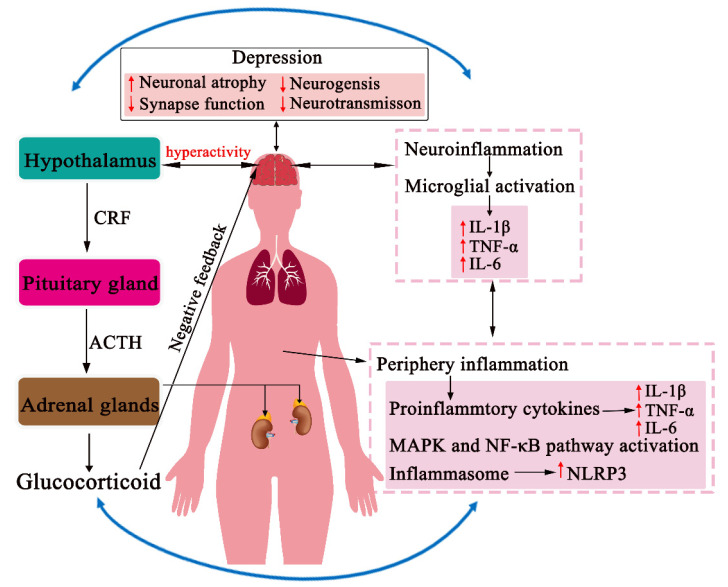
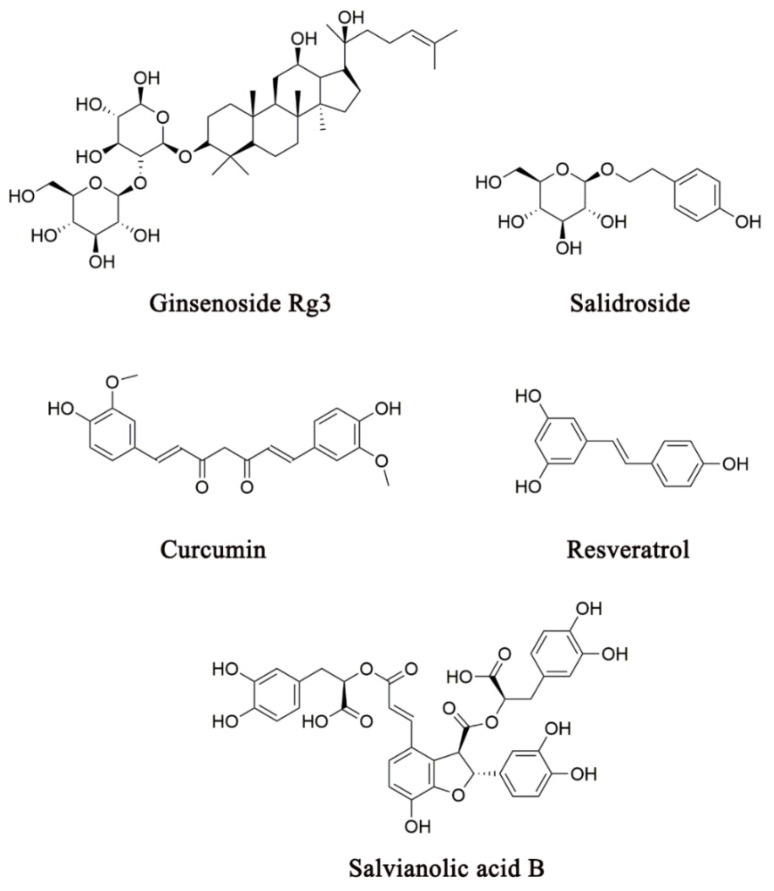
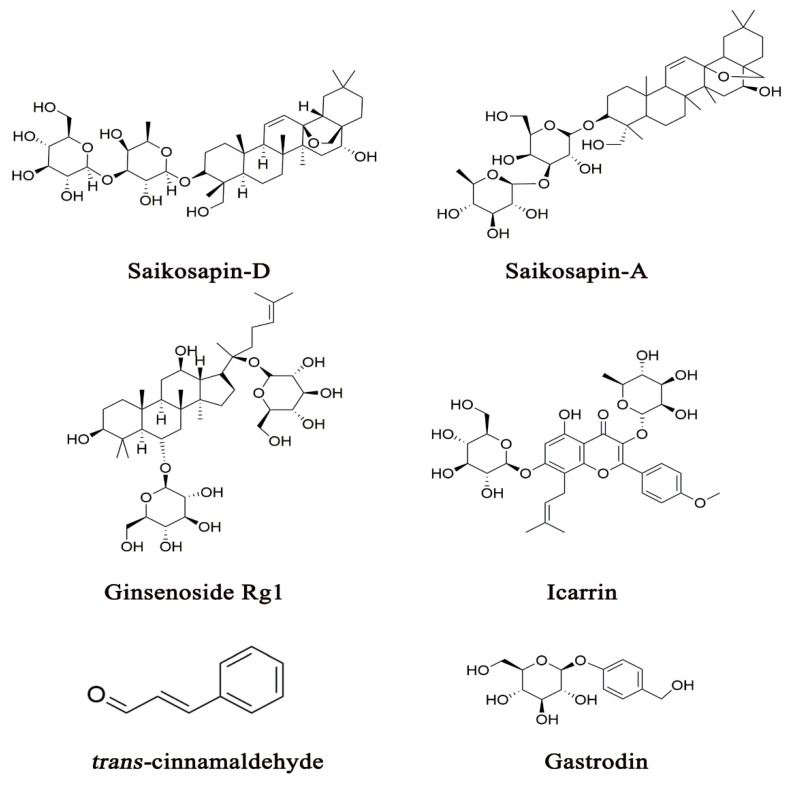
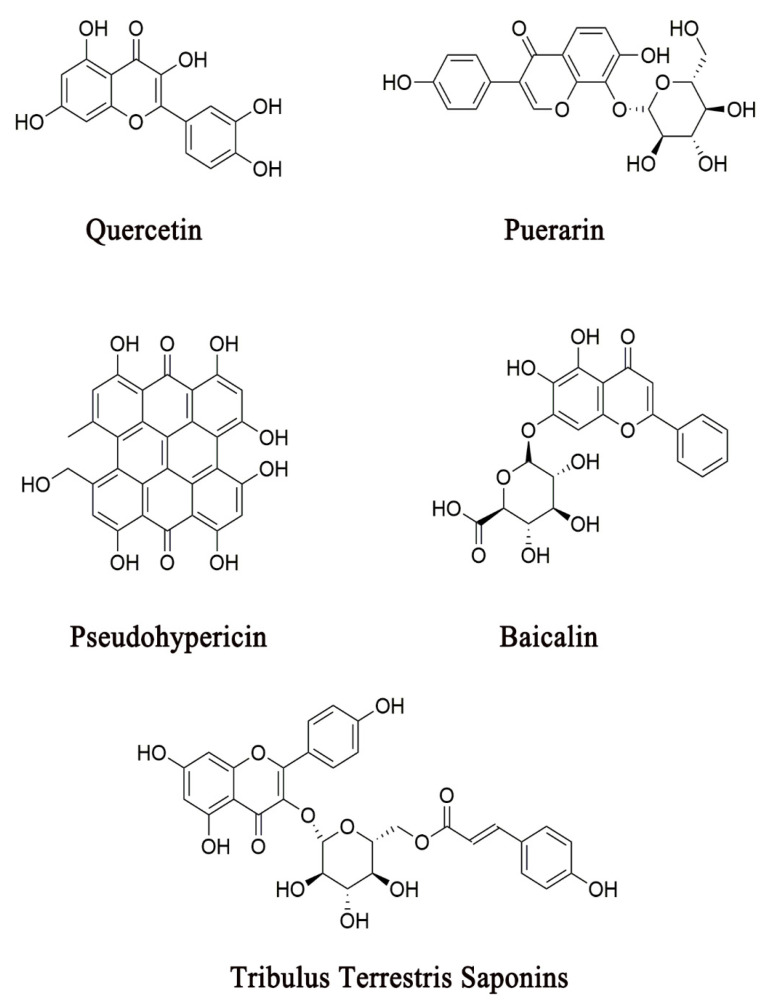
The neuroimmune and neuroendocrine systems are two critical biological systems in the pathogenesis of depression. Clinical and preclinical studies have demonstrated that the activation of the neuroinflammatory response of the immune system and hyperactivity of the hypothalamus-pituitary-adrenal (HPA) axis of the neuroendocrine system commonly coexist in patients with depression and that these two systems bidirectionally regulate one another through neural, immunological, and humoral intersystem interactions. The neuroendocrine-immune network poses difficulties associated with the development of antidepressant agents directed toward these biological systems for the effective treatment of depression. On the other hand, multidrug and multitarget Chinese Herbal Medicine (CHM) has great potential to assist in the development of novel medications for the systematic pharmacotherapy of depression. In this narrative essay, we conclusively analyze the mechanisms of action of CHM antidepressant constituents and formulas, specifically through the modulation of the neuroendocrine-immune network, by reviewing recent preclinical studies conducted using depressive animal models. Some CHM herbal constituents and formulas are highlighted as examples, and their mechanisms of action at both the molecular and systems levels are discussed. Furthermore, we discuss the crosstalk of these two biological systems and the systems pharmacology approach for understanding the system-wide mechanism of action of CHM on the neuroendocrine-immune network in depression treatment. The holistic, multidrug, and multitarget nature of CHM represents an excellent example of systems medicine in the effective treatment of depression.
神经免疫和神经内分泌系统是抑郁症发病机制中的两个关键生物系统。临床和临床前研究表明,免疫系统的神经炎症反应激活和神经内分泌系统的下丘脑-垂体-肾上腺(HPA)轴功能亢进在抑郁症患者中通常并存,并且这两个系统通过神经、免疫和体液的系统间相互作用相互双向调节。神经内分泌-免疫网络给针对这些生物系统开发有效治疗抑郁症的抗抑郁药带来了困难。另一方面,多药和多靶点的中药在协助开发用于抑郁症系统药物治疗的新型药物方面具有巨大潜力。在这篇叙述性文章中,我们通过回顾最近使用抑郁动物模型进行的临床前研究,最终分析了中药抗抑郁成分和方剂的作用机制,特别是通过调节神经内分泌-免疫网络。文中突出了一些中药成分和方剂作为例子,并讨论了它们在分子和系统水平的作用机制。此外,我们还讨论了这两个生物系统的相互作用以及用于理解中药在抑郁症治疗中对神经内分泌-免疫网络的全系统作用机制的系统药理学方法。中药的整体性、多药和多靶点性质是系统医学有效治疗抑郁症的一个典范。