Institute for Experimental Pathology at Keldur, University of Iceland, Keldnavegur 3, 112 Reykjavik, Iceland.
Electron Microscopy Suite, Faculty of Science, Technology, Engineering and Mathematics, Open University, Milton Keynes MK7 6AA, UK.
Int J Mol Sci. 2021 Jan 16;22(2):875. doi: 10.3390/ijms22020875.
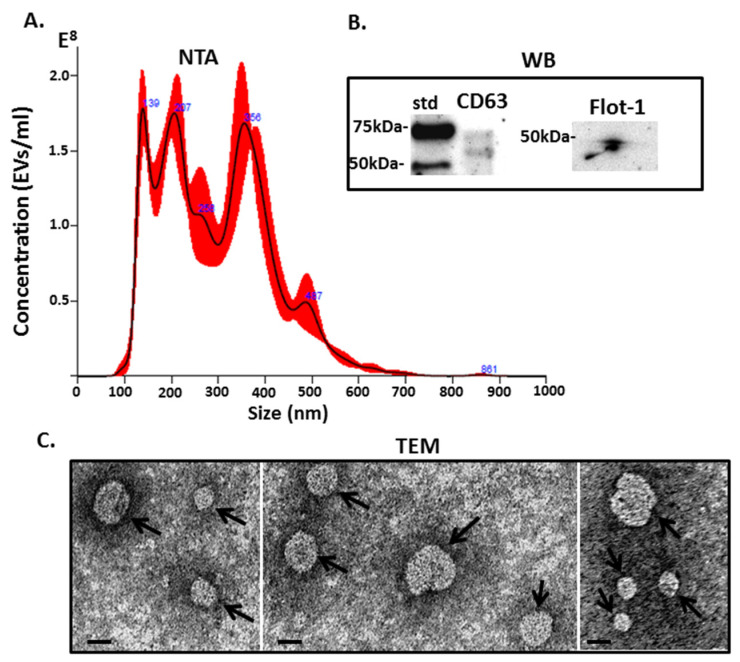
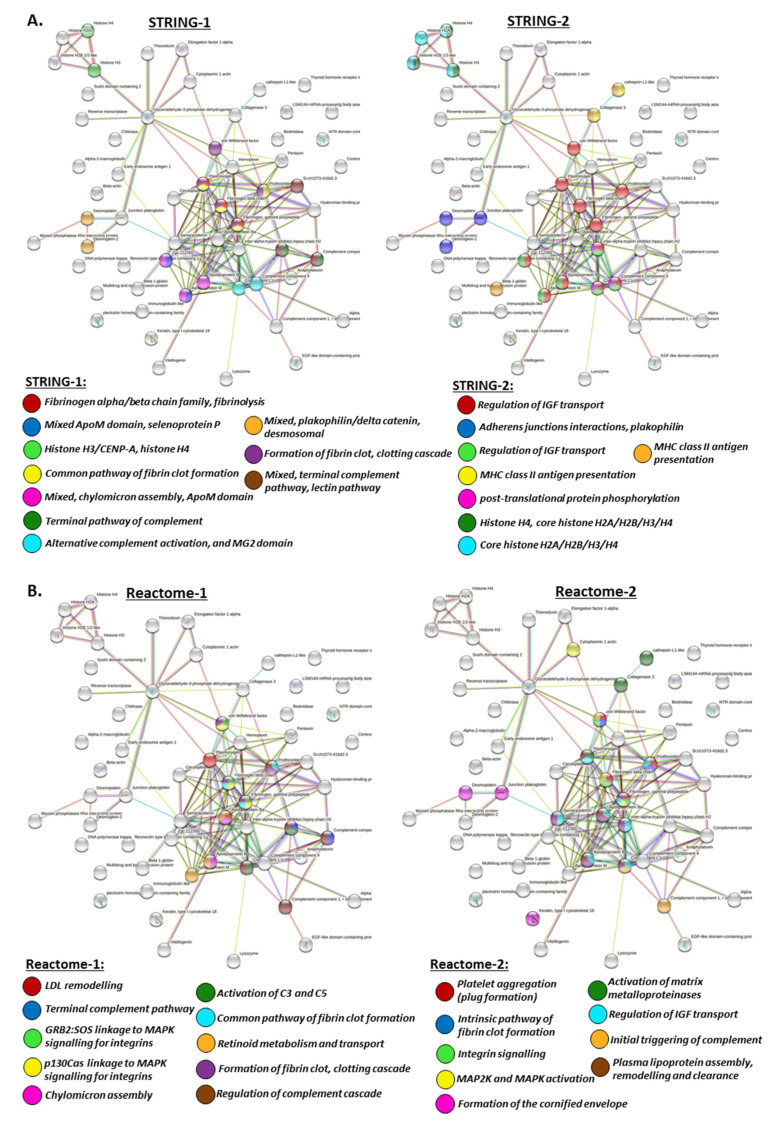
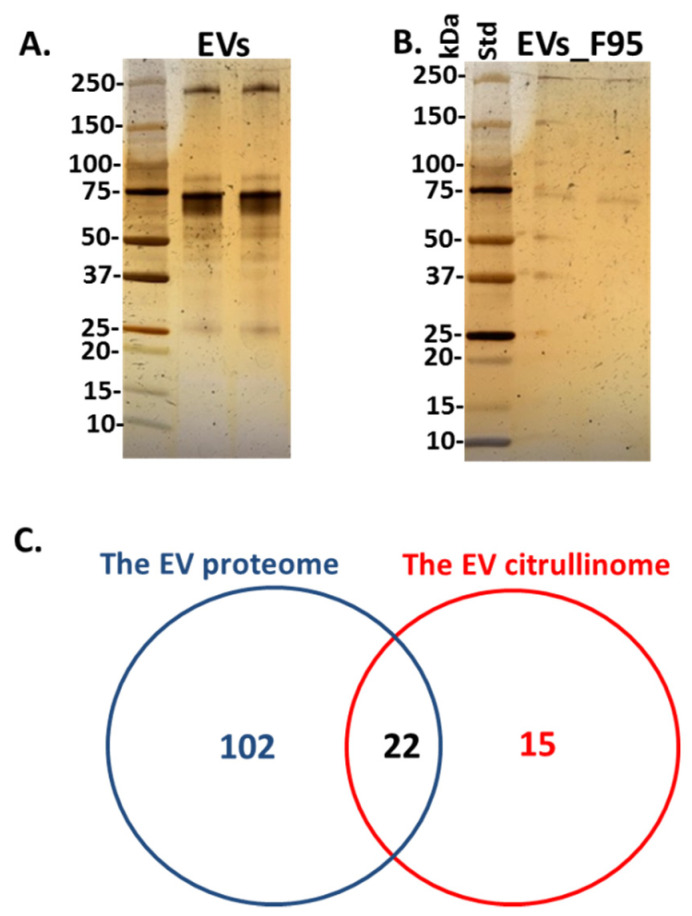
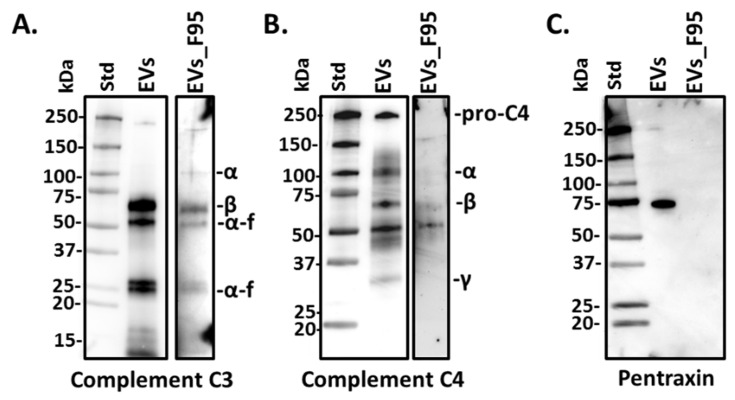
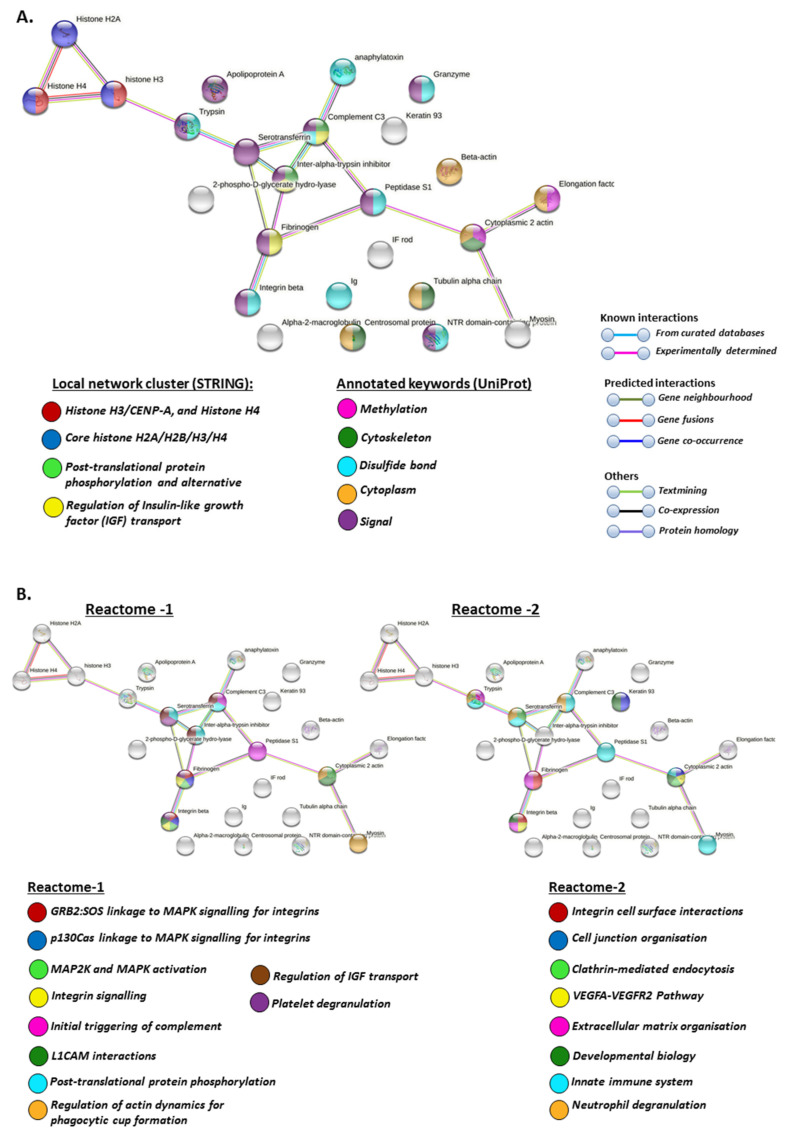
Extracellular vesicles (EVs) are lipid bilayer vesicles which are released from cells and play multifaceted roles in cellular communication in health and disease. EVs can be isolated from various body fluids, including serum and plasma, and are usable biomarkers as they can inform health status. Studies on EVs are an emerging research field in teleost fish, with accumulating evidence for important functions in immunity and homeostasis, but remain to be characterised in most fish species, including halibut. Protein deimination is a post-translational modification caused by a conserved family of enzymes, named peptidylarginine deiminases (PADs), and results in changes in protein folding and function via conversion of arginine to citrulline in target proteins. Protein deimination has been recently described in halibut ontogeny and halibut serum. Neither EV profiles, nor total protein or deiminated protein EV cargos have yet been assessed in halibut and are reported in the current study. Halibut serum EVs showed a poly-dispersed population in the size range of 50-600 nm, with modal size of EVs falling at 138 nm, and morphology was further confirmed by transmission electron microscopy. The assessment of EV total protein cargo revealed 124 protein hits and 37 deiminated protein hits, whereof 15 hits were particularly identified in deiminated form only. Protein interaction network analysis showed that deimination hits are involved in a range of gene regulatory, immune, metabolic and developmental processes. The same was found for total EV protein cargo, although a far wider range of pathways was found than for deimination hits only. The expression of complement component C3 and C4, as well as pentraxin-like protein, which were identified by proteomic analysis, was further verified in EVs by western blotting. This showed that C3 is exported in EVs at higher levels than C4 and deiminated C3 was furthermore confirmed to be at high levels in the deimination-enriched EV fractions, while, in comparison, C4 showed very low detection in deimination-enriched EV fractions. Pentraxin was exported in EVs, but not detected in the deimination-enriched fractions. Our findings provide novel insights into EV-mediated communication in halibut serum, via transport of protein cargo, including post-translationally deiminated proteins.
细胞外囊泡 (EVs) 是由细胞释放的双层脂质囊泡,在健康和疾病中的细胞通讯中发挥着多方面的作用。EVs 可以从各种体液中分离出来,包括血清和血浆,并且可以作为生物标志物使用,因为它们可以提供健康状况的信息。EVs 的研究是硬骨鱼类中的一个新兴研究领域,有越来越多的证据表明其在免疫和动态平衡中具有重要功能,但在包括大比目鱼在内的大多数鱼类物种中仍有待描述。蛋白脱亚胺化是由一组名为肽基精氨酸脱亚氨酶 (PADs) 的保守酶家族引起的一种翻译后修饰,通过将靶蛋白中的精氨酸转化为瓜氨酸,导致蛋白折叠和功能发生变化。大比目鱼个体发育过程中和血清中都有蛋白脱亚胺化的描述。目前的研究报告称,大比目鱼中尚未评估 EV 谱、总蛋白或脱亚胺化蛋白 EV cargos。大比目鱼血清 EVs 在 50-600nm 的大小范围内显示出多分散的群体,EV 的模态大小为 138nm,通过透射电子显微镜进一步证实了其形态。EV 总蛋白 cargos 的评估显示出 124 种蛋白质命中和 37 种脱亚胺化蛋白质命中,其中 15 种仅以脱亚胺化形式特别鉴定。蛋白质相互作用网络分析表明,脱亚胺化命中涉及一系列基因调控、免疫、代谢和发育过程。总 EV 蛋白 cargos 也是如此,尽管只有脱亚胺化命中的范围要窄得多。通过蛋白质组分析鉴定的补体成分 C3 和 C4 以及 pentraxin-like 蛋白,通过 Western blot 进一步在 EVs 中得到验证。这表明 C3 在 EVs 中的表达水平高于 C4,并且进一步证实脱亚胺化 C3 在脱亚胺化富集 EV 部分中处于高水平,而相比之下,C4 在脱亚胺化富集 EV 部分中检测到的水平非常低。Pentraxin 在 EVs 中被输出,但在脱亚胺化富集部分中未检测到。我们的发现为大比目鱼血清中通过蛋白 cargo(包括翻译后脱亚胺化蛋白)的运输提供了有关 EV 介导的通讯的新见解。