Elias Elilta, Tsegaye Workneh, Stoecker Barbara J, Gebreegziabher Tafere
School of Nutrition, Food Science and Technology, Hawassa University, P.O. Box 5, SNNPR, Hawassa, Ethiopia.
Department of Nutritional Sciences, Oklahoma State University, 421 Human Sciences, Stillwater, OK, 74078, USA.
BMC Public Health. 2021 Jan 19;21(1):165. doi: 10.1186/s12889-021-10215-y.
Iodine is a trace element required for the synthesis of thyroid hormones. The multiple effects of iodine deficiency on human health are called iodine deficiency disorders (IDDs). IDDs have been common nutritional problems in Ethiopia. In 2012, Ethiopia launched a national salt iodization program to address IDDs. The objective of this study was to assess the effects of this program after 5 years by measuring urinary iodine concentration (UIC) and prevalence of goiter in school age children as well as household salt iodine concentration (SIC).
A school-based cross-sectional design was employed. After ethical approval, 408 children from eight randomly selected primary schools provided urine samples. UIC was analyzed by inductively coupled plasma mass spectrophotometry (ICP-MS). A 10 g salt sample was collected from each household of a sampled child. SIC was analyzed with a digital electronic iodine checker (WYD, UNICEF) and goiter was assessed by palpation.
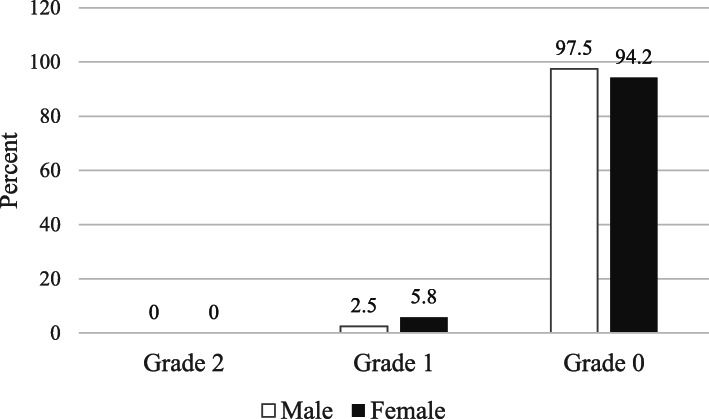
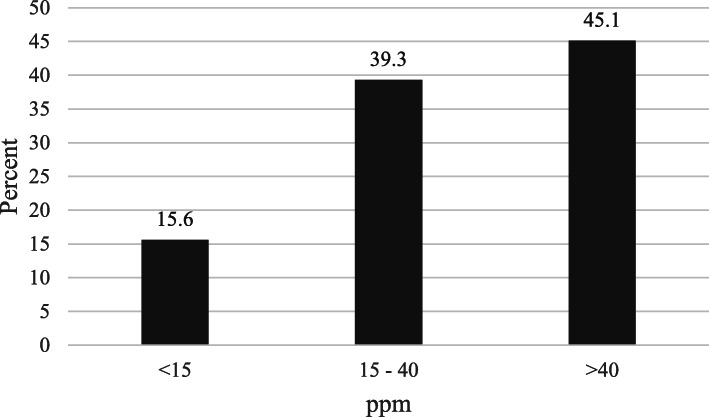
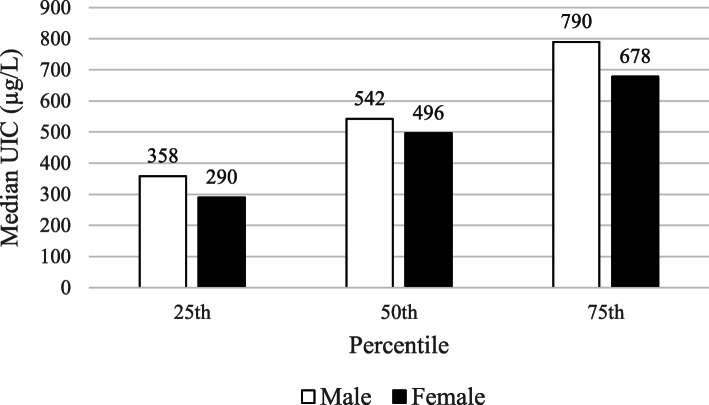
The mean (±SD) age of the children was 9 ± 2 years. The prevalence of goiter was 4.2% and no child had grade 2 goiter. The median (IQR) UIC was 518 (327, 704) μg/L and UIC ranged from 3.1 to 2530 μg/L. Of the salt samples, 15.6% were not adequately iodized (< 15 ppm), 39.3% were adequately iodized (≥15 to ≤40 ppm), and 45.1% were > 40 ppm. SIC ranged from 4.2 to 195 ppm. Of the mothers, 92% said iodized salt prevents goiter and 8% mentioned prevents mental retardation.
In 2017 iodine deficiency was no longer a public health problem in the study area. However, the high variability in UIC and SIC and excessive iodine intake are of great concern. It is vital to ensure that salt is homogenously iodized at the production site before being distributed to consumers.
碘是合成甲状腺激素所需的微量元素。碘缺乏对人类健康的多种影响被称为碘缺乏病(IDD)。碘缺乏病一直是埃塞俄比亚常见的营养问题。2012年,埃塞俄比亚启动了一项全国食盐碘化计划以应对碘缺乏病。本研究的目的是通过测量学龄儿童的尿碘浓度(UIC)、甲状腺肿患病率以及家庭食盐碘浓度(SIC),评估该计划实施5年后的效果。
采用基于学校的横断面设计。经伦理批准后,从八所随机选取的小学中抽取408名儿童提供尿液样本。尿碘浓度通过电感耦合等离子体质谱法(ICP-MS)进行分析。从每个抽样儿童的家庭中采集10克盐样本。家庭食盐碘浓度用数字电子碘含量检测仪(WYD,联合国儿童基金会)进行分析,甲状腺肿通过触诊进行评估。
儿童的平均(±标准差)年龄为9±2岁。甲状腺肿患病率为4.2%,无儿童患有二级甲状腺肿。尿碘浓度的中位数(四分位间距)为518(327,704)μg/L,尿碘浓度范围为3.1至2530μg/L。在盐样本中,15.6%的碘含量不足(<15ppm),39.3%的碘含量充足(≥15至≤40ppm),45.1%的碘含量>40ppm。家庭食盐碘浓度范围为4.2至195ppm。在母亲中,92%表示加碘盐可预防甲状腺肿,8%提到可预防智力迟钝。
2017年,碘缺乏在研究地区已不再是公共卫生问题。然而,尿碘浓度和家庭食盐碘浓度的高度变异性以及碘摄入过量令人高度担忧。在食盐分发给消费者之前,确保在生产现场均匀碘化至关重要。