Department of Environmental and Occupational Health Sciences, School of Public Health, University of Washington, Seattle, WA, United States of America.
Department of Industrial and Systems Engineering, University of Washington, Seattle, WA, United States of America.
PLoS One. 2021 Jan 20;16(1):e0245514. doi: 10.1371/journal.pone.0245514. eCollection 2021.
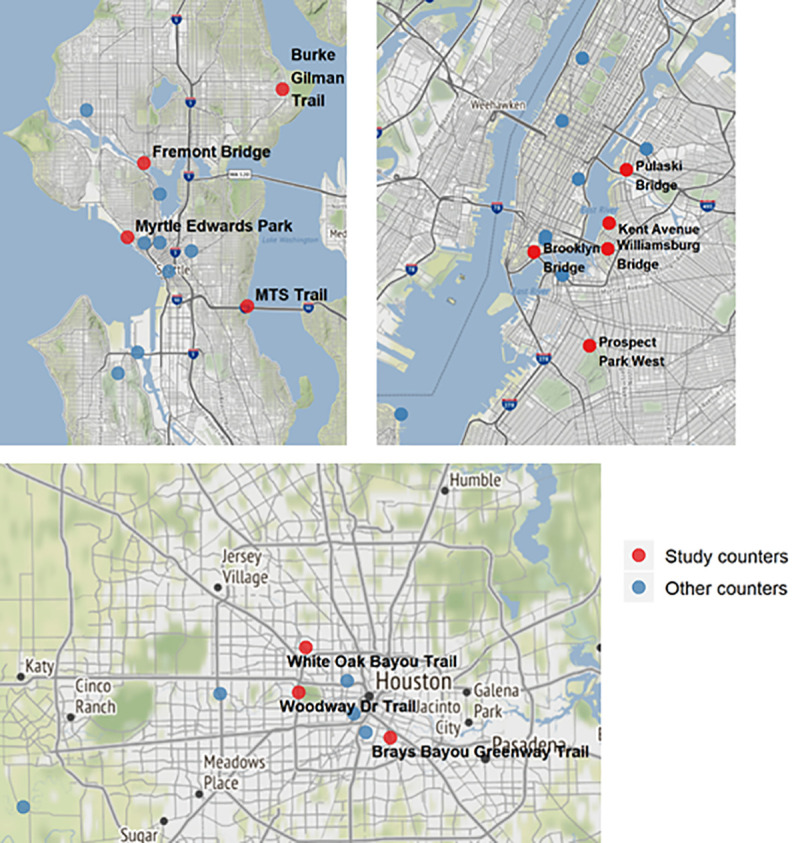
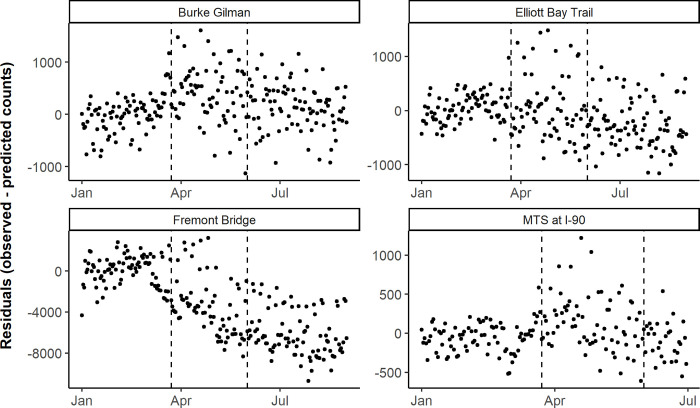
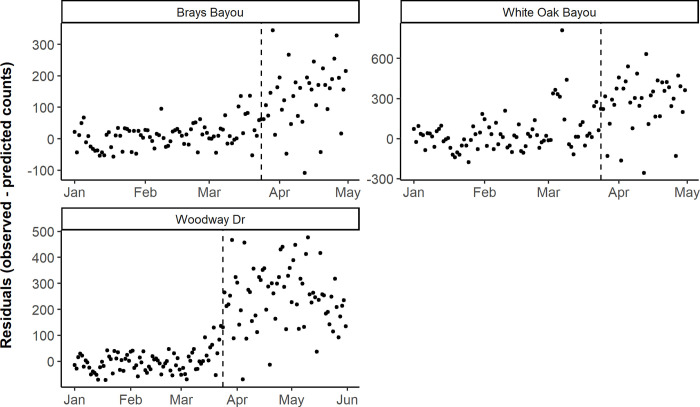
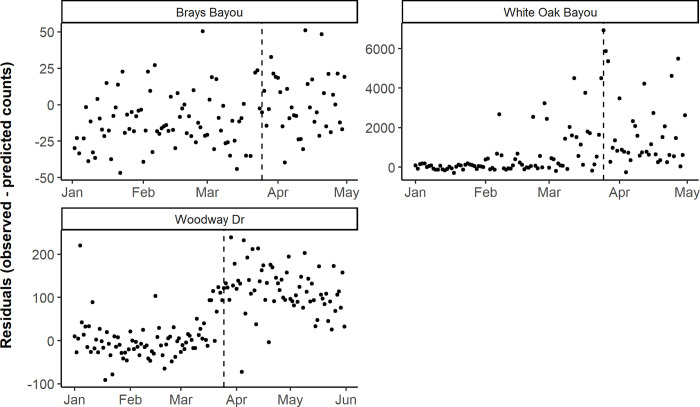
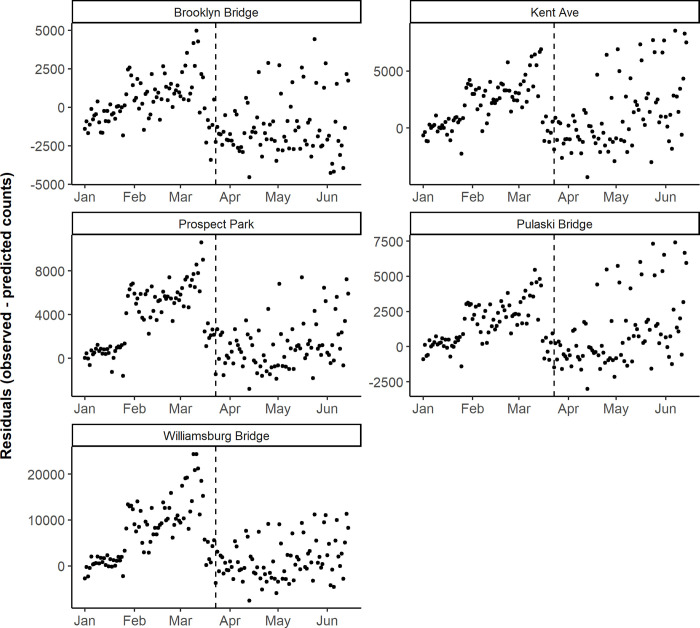
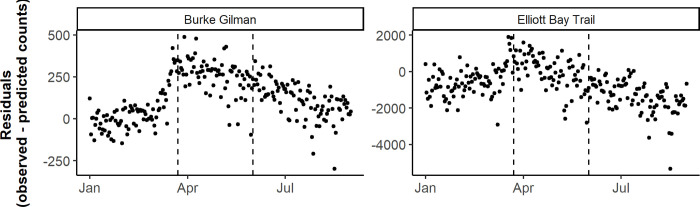
A growing body of literature suggests that restrictive public health measures implemented to control COVID-19 have had negative impacts on physical activity. We examined how Stay Home orders in Houston, New York City, and Seattle impacted outdoor physical activity patterns, measured by daily bicycle and pedestrian count data. We assessed changes in activity levels between the period before and during Stay Home orders. Across all three cities, we found significant changes in bicycle and pedestrian counts from the period before to the period during Stay Home orders. The direction of change varied by location, likely due to differing local contexts and outbreak progression. These results can inform policy around the use of outdoor public infrastructure as the COVID-19 pandemic continues.
越来越多的文献表明,为控制 COVID-19 而实施的严格公共卫生措施对身体活动产生了负面影响。我们研究了休斯顿、纽约市和西雅图的“就地避难”命令如何影响户外身体活动模式,这些模式通过每日自行车和行人计数数据来衡量。我们评估了“就地避难”命令前后活动水平的变化。在所有三个城市中,我们发现自行车和行人计数在“就地避难”命令前后期间都发生了显著变化。变化的方向因地点而异,这可能是由于当地情况和疫情发展的不同。这些结果可以为 COVID-19 大流行期间继续使用户外公共基础设施提供政策参考。