Xanthis Vasileios, Fitsiou Eleni, Voulgaridou Georgia-Persephoni, Bogadakis Athanasios, Chlichlia Katerina, Galanis Alex, Pappa Aglaia
Department of Molecular Biology & Genetics, Democritus University of Thrace, 68100 Alexandroupolis, Greece.
Antioxidants (Basel). 2021 Jan 18;10(1):127. doi: 10.3390/antiox10010127.
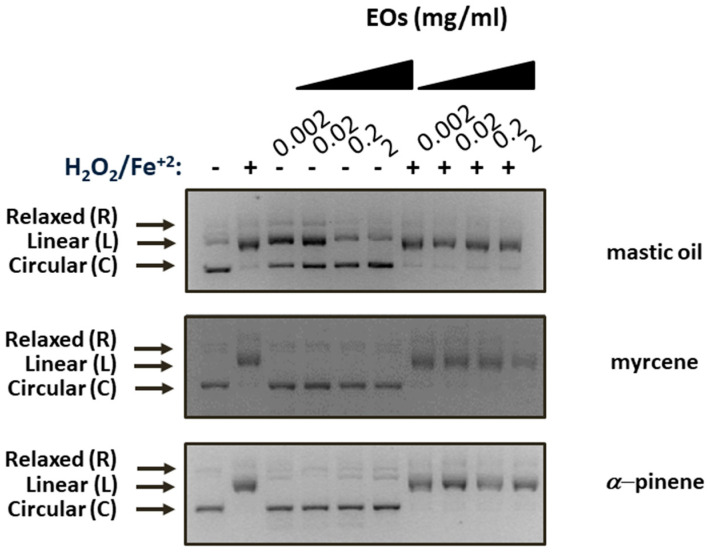
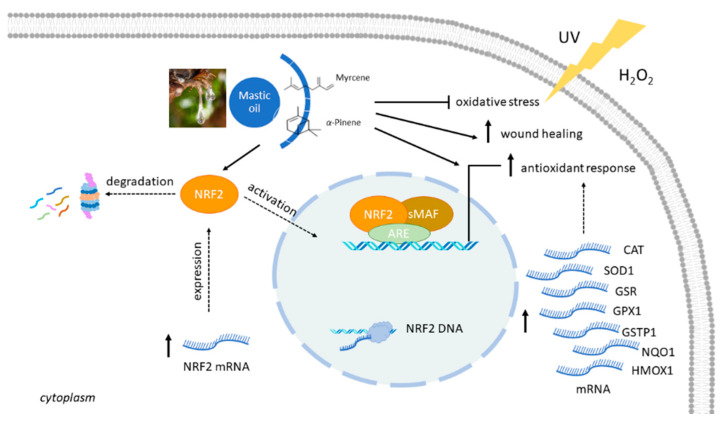
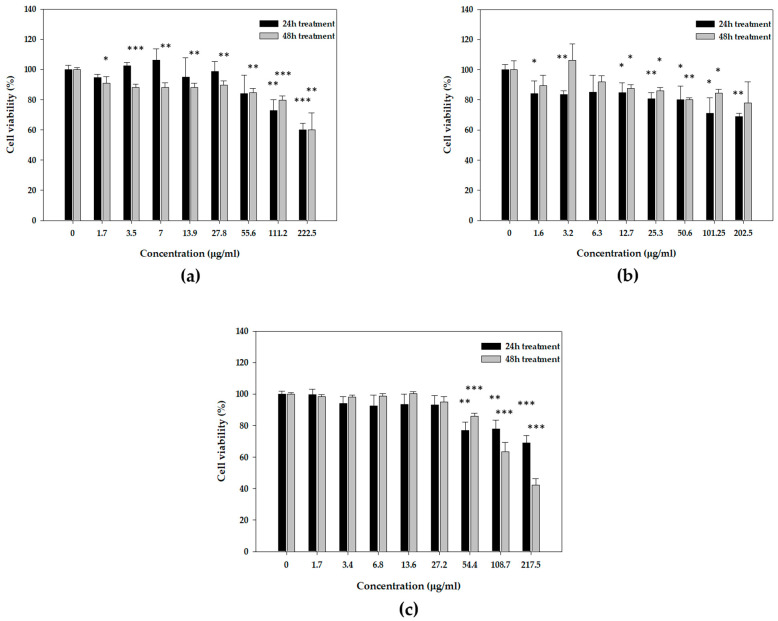
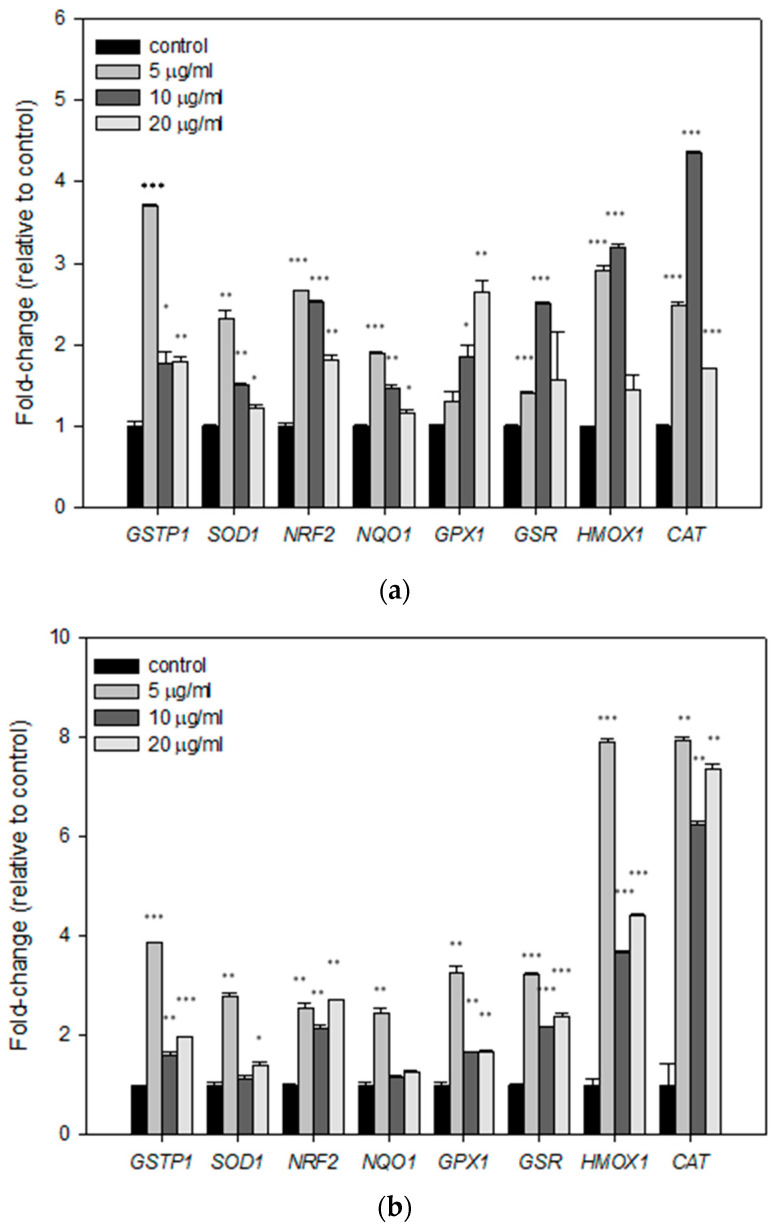
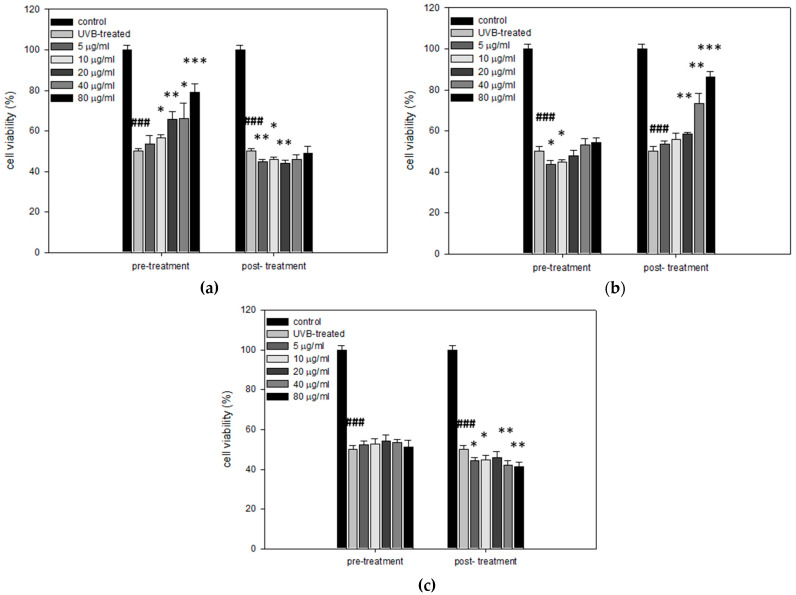
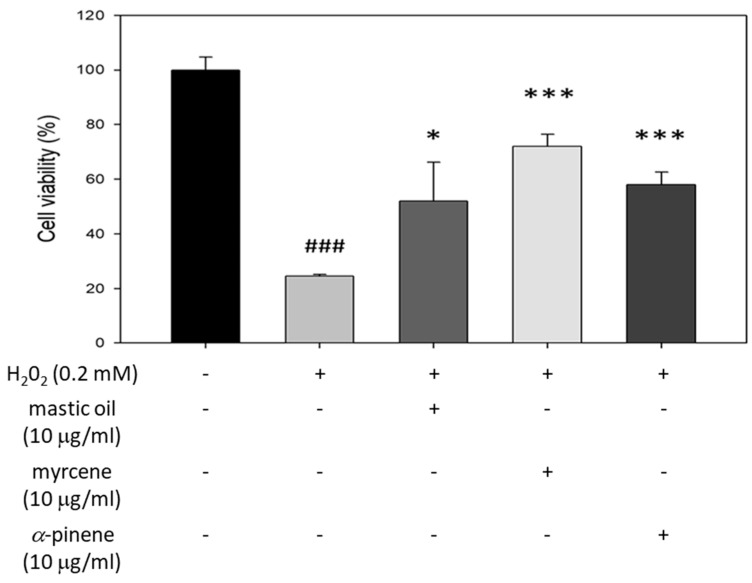
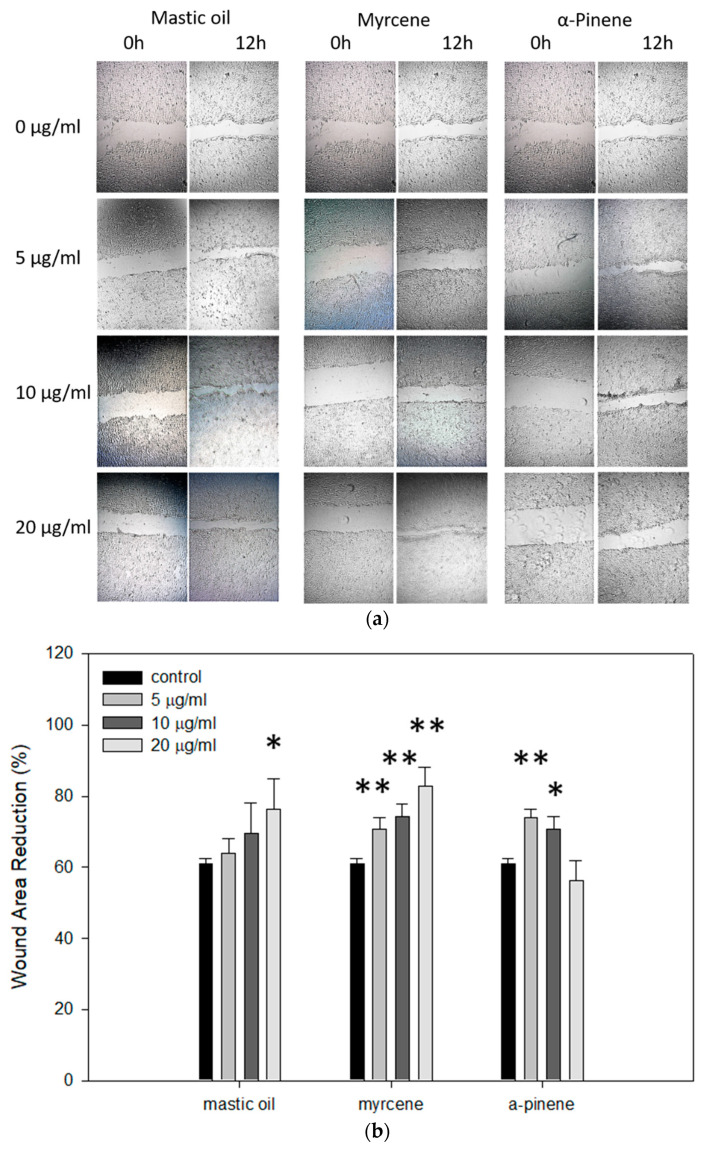
The antioxidant, cytoprotective, and wound-healing potential of the essential oil from the resin of var. (mastic oil) was evaluated, along with that of its major components, myrcene and -pinene. Antioxidant potential was monitored as: (i) direct antioxidant activity as assessed by 2,2-di-phenyl-1-picrylhydrazyl (DPPH), 2,2-azino-bis(3-ethylbenzothiazoline-6-sulfonic acid), and ABTS assays; (ii) DNA damage protection activity; and (iii) cytoprotective activity as assessed via induction of transcription of genes related to the antioxidant response in human keratinocyte cells (HaCaT). The cytoprotective potential of the test substances was further evaluated against ultraviolet radiation B (UVB)- or HO-induced oxidative damage, whereas their regenerative capability was accessed by monitoring the wound closure rate in HaCaT. Μastic oil and major components did not show significant direct antioxidant activity, however they increased the mRNA levels of antioxidant response genes, suggesting indirect antioxidant activity. Treatment of HaCaT with the test substances before and after UVB irradiation resulted in increased cell viability in the cases of pre-treatment with mastic oil or post-treatment with myrcene. Increased cytoprotection was also observed in the case of cell treatment with mastic oil or its major components prior to HO exposure. Finally, mastic oil and myrcene demonstrated a favorable dose-dependent effect for cell migration and wound closure. Collectively, mastic essential oil may exert its promising cytoprotective properties through indirect antioxidant mechanisms.
评估了乳香变种树脂精油(乳香油)及其主要成分月桂烯和α-蒎烯的抗氧化、细胞保护和伤口愈合潜力。抗氧化潜力通过以下方式监测:(i)通过2,2-二苯基-1-苦基肼(DPPH)、2,2'-联氮-双-(3-乙基苯并噻唑啉-6-磺酸)(ABTS)测定评估的直接抗氧化活性;(ii)DNA损伤保护活性;以及(iii)通过诱导人角质形成细胞(HaCaT)中与抗氧化反应相关基因的转录来评估的细胞保护活性。进一步评估了受试物质对紫外线B(UVB)或过氧化氢(HO)诱导的氧化损伤的细胞保护潜力,而通过监测HaCaT中的伤口闭合率来评估它们的再生能力。乳香油及其主要成分未显示出显著的直接抗氧化活性,然而它们增加了抗氧化反应基因的mRNA水平,表明具有间接抗氧化活性。在UVB照射之前和之后用受试物质处理HaCaT,结果显示在乳香油预处理或月桂烯后处理的情况下细胞活力增加。在用乳香油或其主要成分在HO暴露之前处理细胞的情况下也观察到细胞保护作用增强。最后,乳香油和月桂烯对细胞迁移和伤口闭合表现出良好的剂量依赖性作用。总体而言,乳香精油可能通过间接抗氧化机制发挥其有前景的细胞保护特性。