College of Dentistry, University of Illinois at Chicago, 801 S. Paulina, Chicago, IL 60612, USA.
Department of Pathology, The Ohio State University, 129 Hamilton Hall, 1645 Neil Ave, Columbus, OH 43210, USA.
Int J Mol Sci. 2021 Jan 19;22(2):950. doi: 10.3390/ijms22020950.
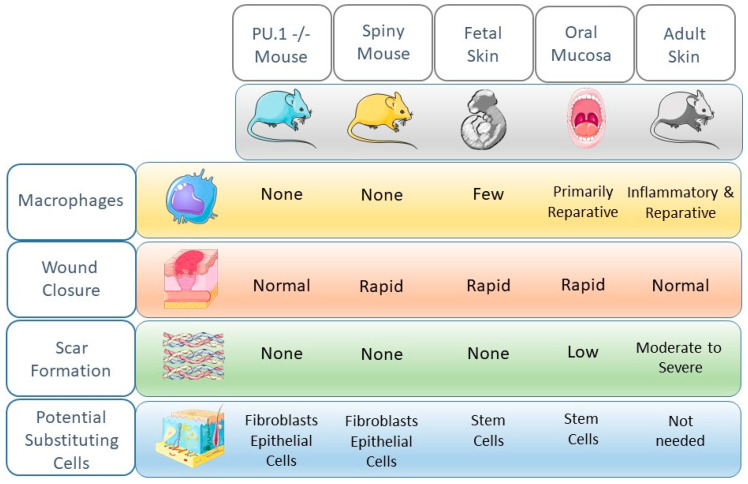
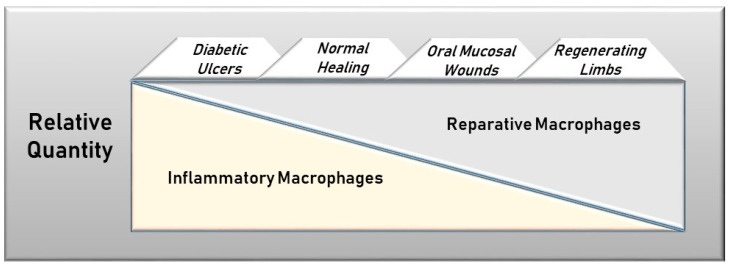
Macrophages are prominent cells in normally healing adult skin wounds, yet their exact functions and functional significance to healing outcomes remain enigmatic. Many functional attributes are ascribed to wound macrophages, including host defense and support of the proliferation of new tissue to replace that lost by injury. Indeed, the depletion of macrophages is unmistakably detrimental to normal skin healing in adult mammals. Yet in certain systems, dermal wounds seem to heal well with limited or even no functional macrophages, creating an apparent paradox regarding the function of this cell in wounds. Recent advances in our understanding of wound macrophage phenotypes, along with new information about cellular plasticity in wounds, may provide some explanation for the apparently contradictory findings and suggest new paradigms regarding macrophage function in wounds. Continued study of this remarkable cell is needed to develop effective therapeutic options to improve healing outcomes.
巨噬细胞是正常愈合的成人皮肤伤口中的突出细胞,但它们的确切功能及其对愈合结果的功能意义仍然是个谜。许多功能属性归因于伤口巨噬细胞,包括宿主防御和支持新组织的增殖以替代因损伤而丢失的组织。事实上,巨噬细胞的耗竭对成年哺乳动物的正常皮肤愈合无疑是有害的。然而,在某些系统中,真皮伤口似乎可以很好地愈合,只有有限的甚至没有功能的巨噬细胞,这在这种细胞在伤口中的功能方面造成了明显的悖论。我们对伤口巨噬细胞表型的理解的最新进展,以及关于伤口中细胞可塑性的新信息,可能为明显矛盾的发现提供一些解释,并为伤口中巨噬细胞的功能提出新的范例。为了开发改善愈合结果的有效治疗选择,需要继续研究这种卓越的细胞。