Chen Zhiqiang, Lin Tong, Liao Xiaozhong, Li Zeyun, Lin Ruiting, Qi Xiangjun, Chen Guoming, Sun Lingling, Lin Lizhu
The First School of Clinical Medical Sciences, Guangzhou University of Chinese Medicine, 510405, Guangzhou, China.
Department of Oncology, The First Affiliated Hospital of Guangzhou University of Chinese Medicine, No. 16, Jichang Road, Baiyun District, 510405, Guangzhou, China.
Chin Med. 2021 Jan 21;16(1):13. doi: 10.1186/s13020-021-00423-4.
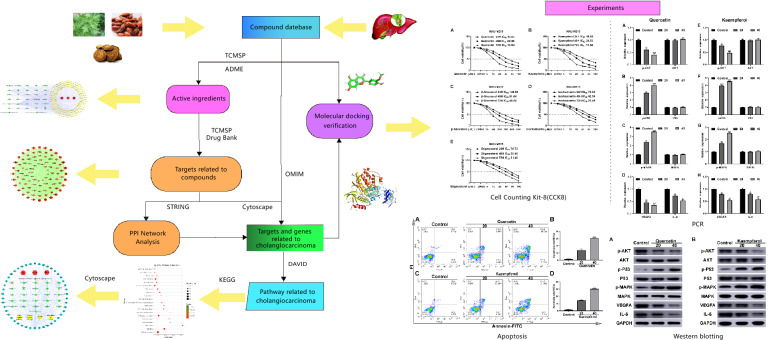
Cholangiocarcinoma refers to an epithelial cell malignancy with poor prognosis. Yinchenhao decoction (YCHD) showed positive effects on cancers, and associations between YCHD and cholangiocarcinoma remain unclear. This study aimed to screen out the effective active components of Yinchenhao decoction (YCHD) using network pharmacology, estimate their potential targets, screen out the pathways, as well as delve into the potential mechanisms on treating cholangiocarcinoma.
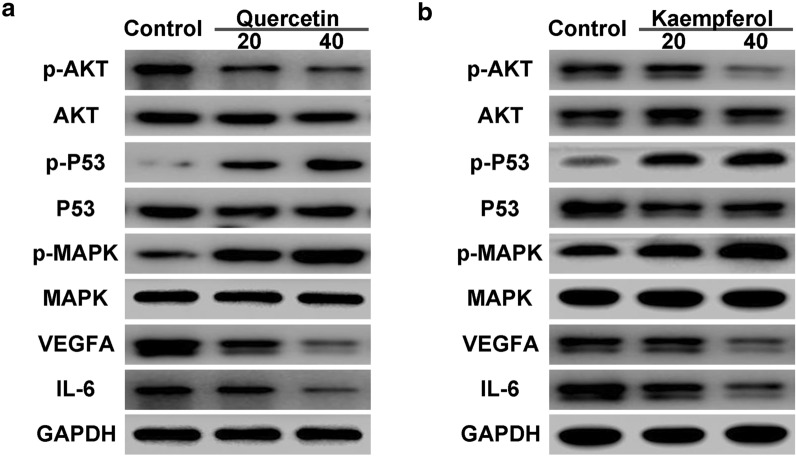
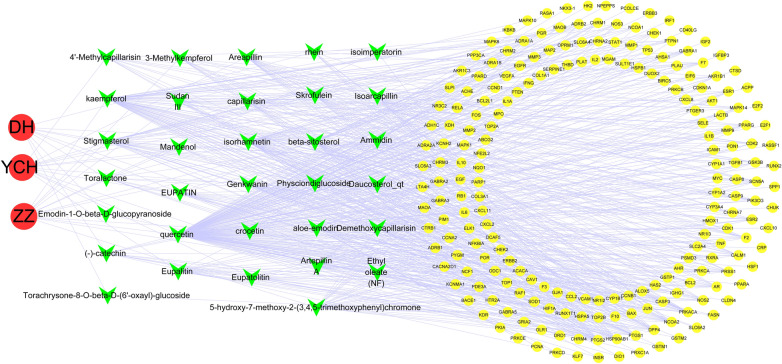
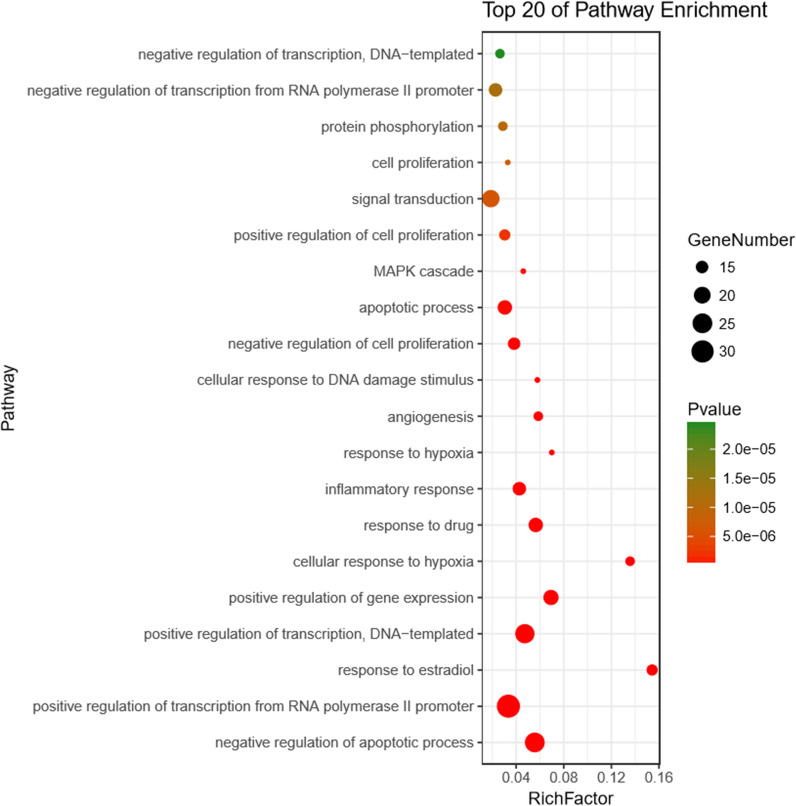
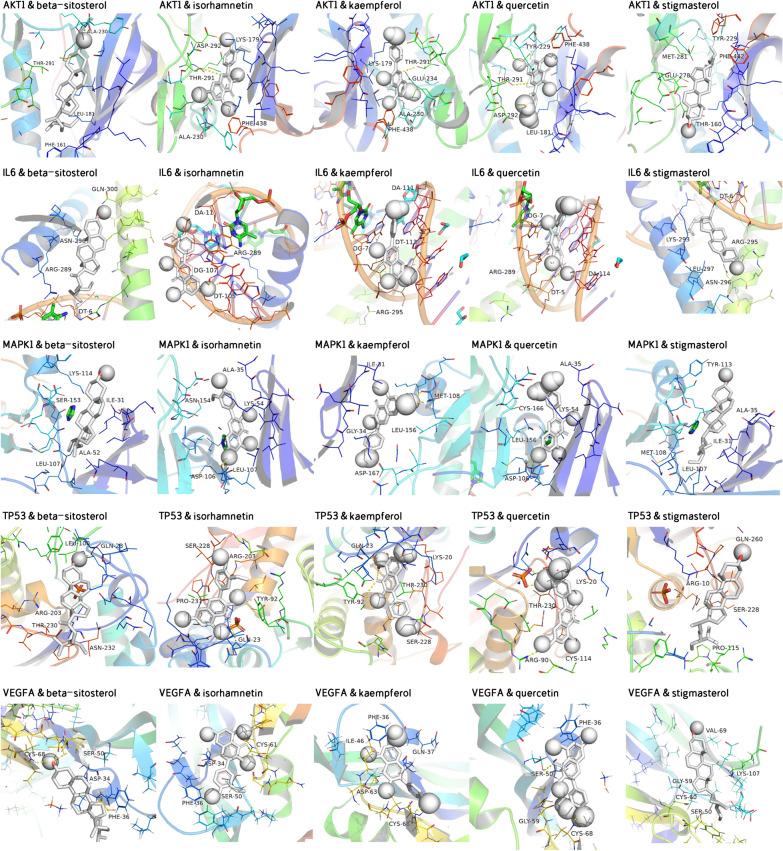
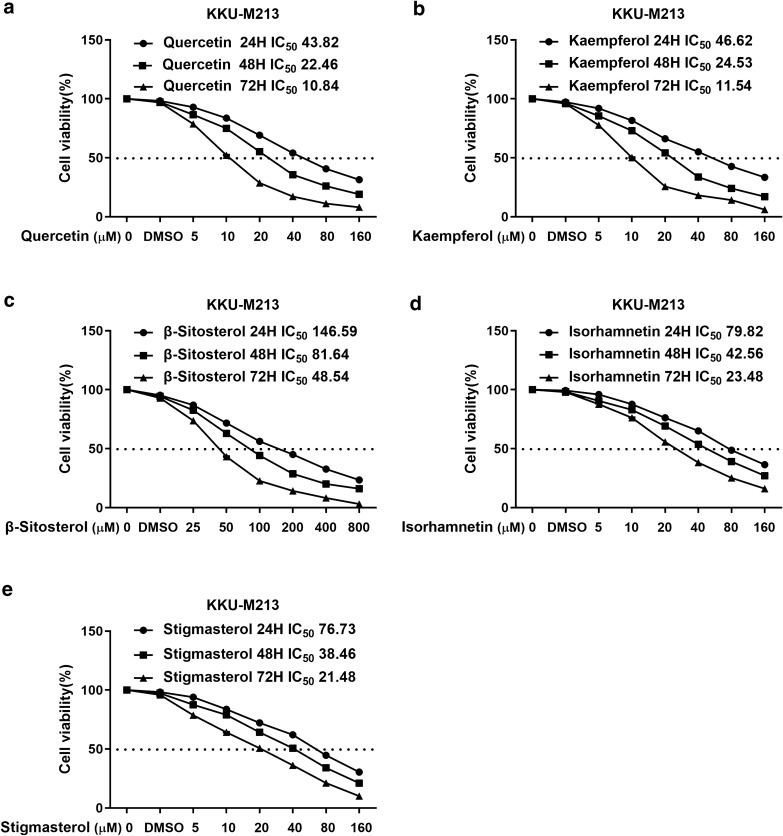
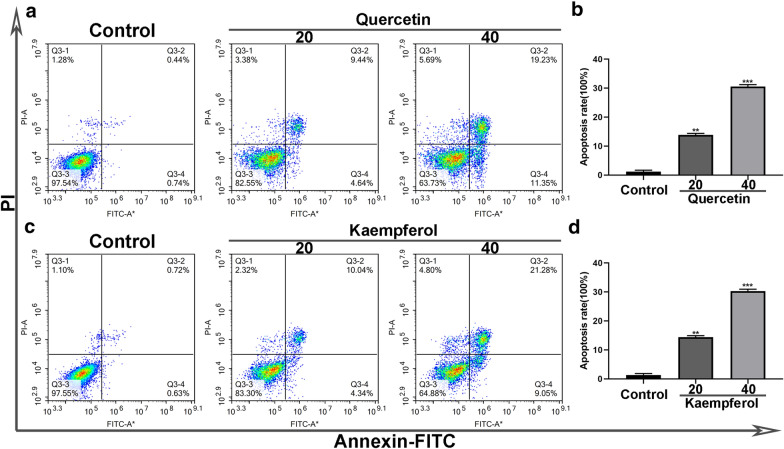
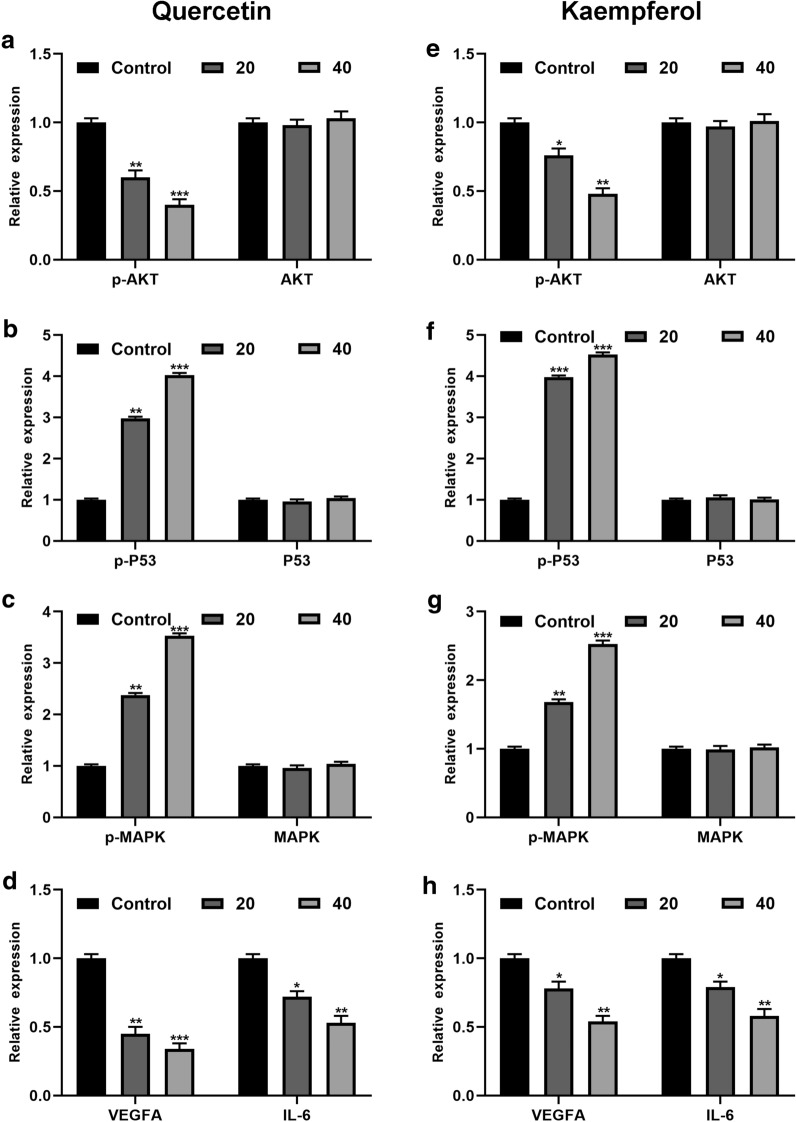
By the traditional Chinese medicine system pharmacology database and analysis platform (TCMSP) as well as literature review, the major active components and their corresponding targets were estimated and screened out. Using the software Cytoscape 3.6.0, a visual network was established using the active components of YCHD and the targets of cholangiocarcinoma. Based on STRING online database, the protein interaction network of vital targets was built and analyzed. With the Database for Annotation, Visualization, and Integrated Discovery (DAVID) server, the gene ontology (GO) biological processes and the Kyoto encyclopedia of genes and genomes (KEGG) signaling pathways of the targets enrichment were performed. The AutoDock Vina was used to perform molecular docking and calculate the binding affinity. The PyMOL software was utilized to visualize the docking results of active compounds and protein targets. In vivo experiment, the IC values and apoptosis rate in PI-A cells were detected using CCK-8 kit and Cell Cycle Detection Kit. The predicted targets were verified by the real-time PCR and western blot methods.
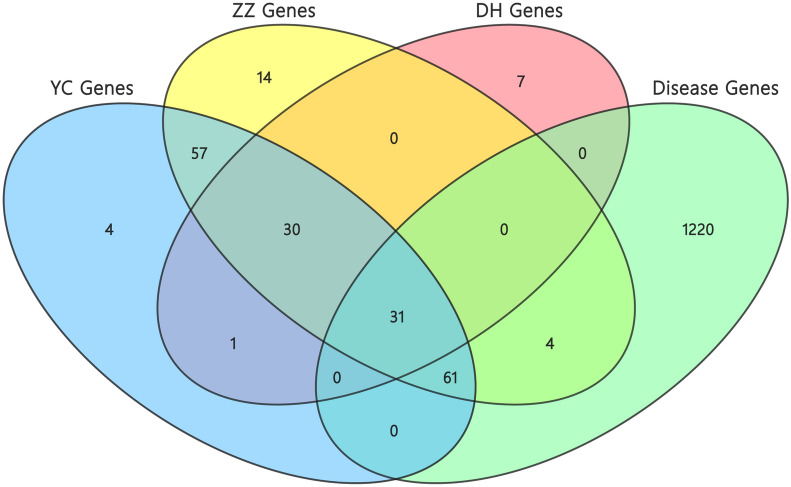
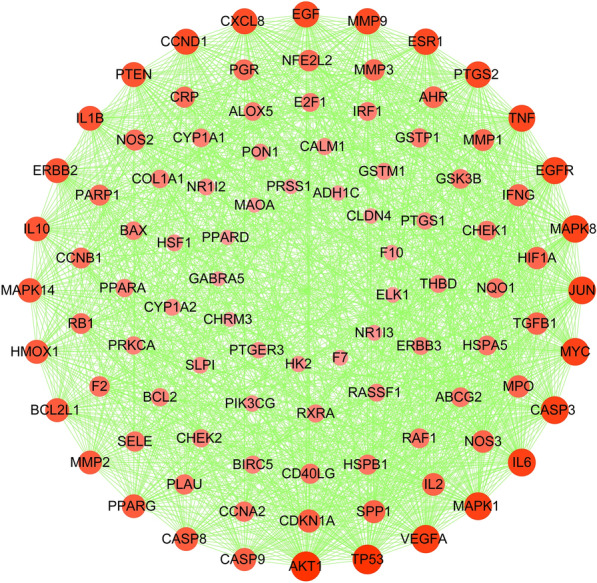
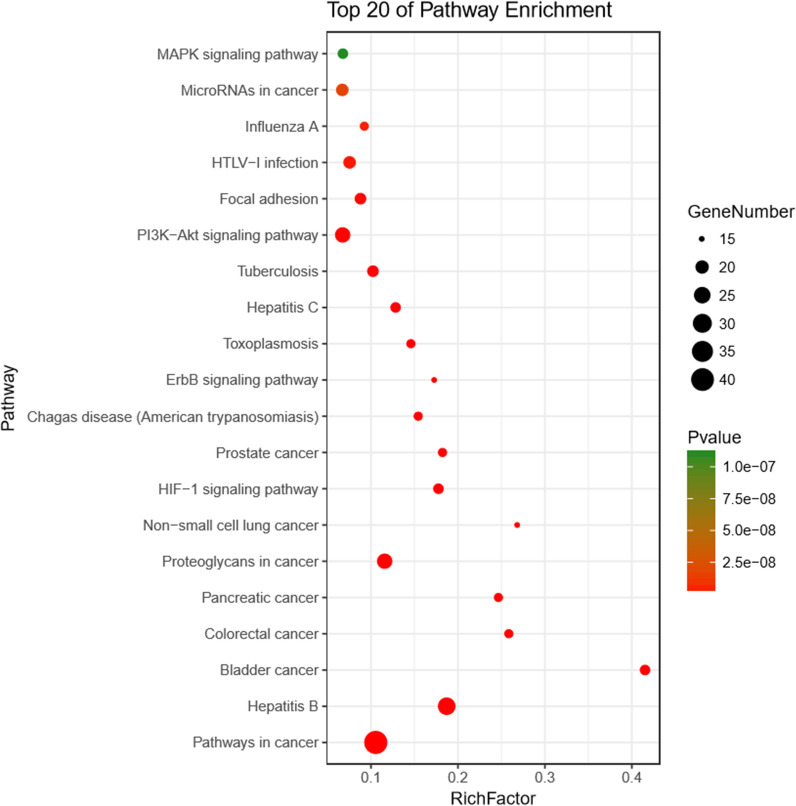
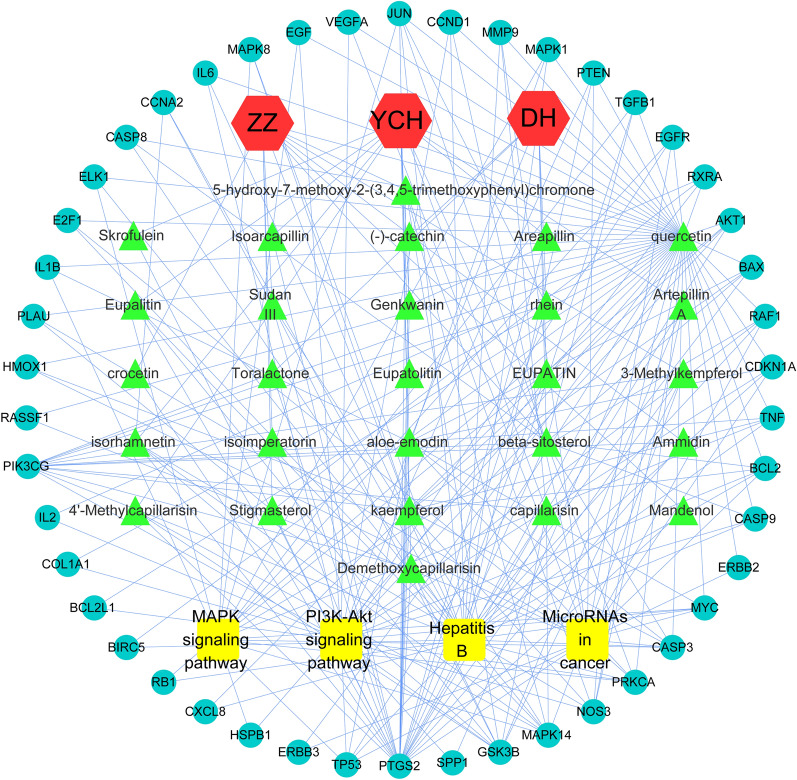
32 effective active components with anti-tumor effects of YCHD were sifted in total, covering 209 targets, 96 of which were associated with cancer. Quercetin, kaempferol, beta-sitosterol, isorhamnetin, and stigmasterol were identified as the vital active compounds, and AKT1, IL6, MAPK1, TP53 as well as VEGFA were considered as the major targets. The molecular docking revealed that these active compounds and targets showed good binding interactions. These 96 putative targets exerted therapeutic effects on cancer by regulating signaling pathways (e.g., hepatitis B, the MAPK signaling pathway, the PI3K-Akt signaling pathway, and MicroRNAs in cancer). Our in vivo experimental results confirmed that YCHD showed therapeutic effects on cholangiocarcinoma by decreasing IC values, down-regulating apoptosis rate of cholangiocarcinoma cells, and lowering protein expressions.
As predicted by network pharmacology strategy and validated by the experimental results, YCHD exerts anti-tumor effectsthrough multiple components, targets, and pathways, thereby providing novel ideas and clues for the development of preparations and the treatment of cholangiocarcinoma.
胆管癌是一种预后较差的上皮细胞恶性肿瘤。茵陈蒿汤(YCHD)对癌症显示出积极作用,但其与胆管癌之间的关联尚不清楚。本研究旨在利用网络药理学筛选出茵陈蒿汤(YCHD)的有效活性成分,评估其潜在靶点,筛选出相关通路,并深入探究其治疗胆管癌的潜在机制。
通过中药系统药理学数据库及分析平台(TCMSP)以及文献综述,评估并筛选出主要活性成分及其相应靶点。使用Cytoscape 3.6.0软件,利用茵陈蒿汤的活性成分和胆管癌的靶点建立可视化网络。基于STRING在线数据库,构建并分析关键靶点的蛋白质相互作用网络。利用注释、可视化和综合发现数据库(DAVID)服务器,对靶点富集的基因本体(GO)生物学过程和京都基因与基因组百科全书(KEGG)信号通路进行分析。使用AutoDock Vina进行分子对接并计算结合亲和力。利用PyMOL软件可视化活性化合物与蛋白质靶点的对接结果。在体内实验中,使用CCK-8试剂盒和细胞周期检测试剂盒检测PI-A细胞中的IC值和凋亡率。通过实时PCR和蛋白质印迹法验证预测的靶点。
共筛选出32种具有抗肿瘤作用的茵陈蒿汤有效活性成分,涵盖209个靶点,其中96个与癌症相关。槲皮素、山奈酚、β-谷甾醇、异鼠李素和豆甾醇被确定为关键活性化合物,AKT1、IL6、MAPK1、TP53以及VEGFA被视为主要靶点。分子对接显示这些活性化合物与靶点表现出良好的结合相互作用。这96个假定靶点通过调节信号通路(如乙型肝炎、MAPK信号通路、PI3K-Akt信号通路和癌症中的MicroRNAs)对癌症发挥治疗作用。我们的体内实验结果证实,茵陈蒿汤通过降低IC值、下调胆管癌细胞的凋亡率和降低蛋白质表达对胆管癌具有治疗作用。
正如网络药理学策略所预测并经实验结果验证的那样,茵陈蒿汤通过多种成分、靶点和通路发挥抗肿瘤作用,从而为制剂开发和胆管癌治疗提供了新的思路和线索。