Li Huifang, Huang Haoyan, Chen Xiaoniao, Chen Shang, Yu Lu, Wang Chen, Liu Yue, Zhang Kaiyue, Wu Lingling, Han Zhong-Chao, Liu Na, Wu Jie, Li Zongjin
Nankai University School of Medicine, Tianjin, China.
The Key Laboratory of Bioactive Materials, Ministry of Education, Nankai University, the College of Life Sciences, Tianjin, China.
Stem Cell Res Ther. 2021 Jan 22;12(1):77. doi: 10.1186/s13287-021-02156-5.
Chemotherapy is an effective anti-tumor treatment. Mesenchymal stem cells (MSCs), exerting therapy effect on injured tissues during chemotherapy, may be damaged in the process. The possibility of self-healing through long-range paracrine and the mechanisms are unclear.
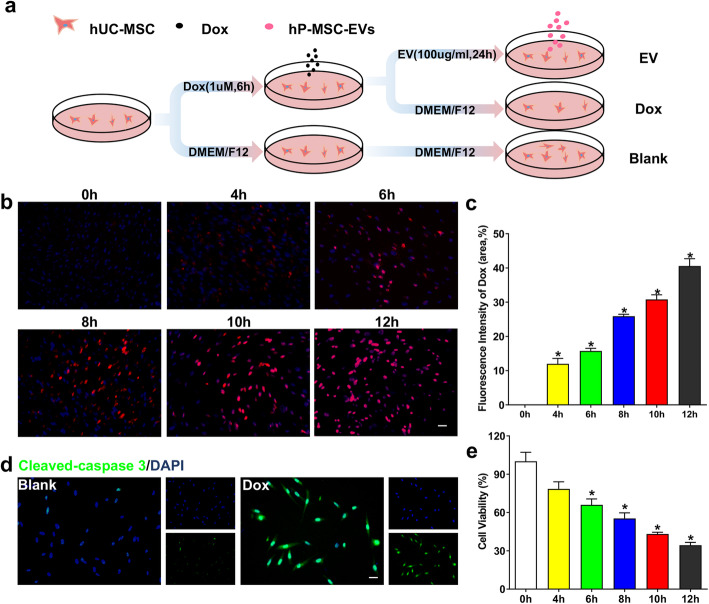
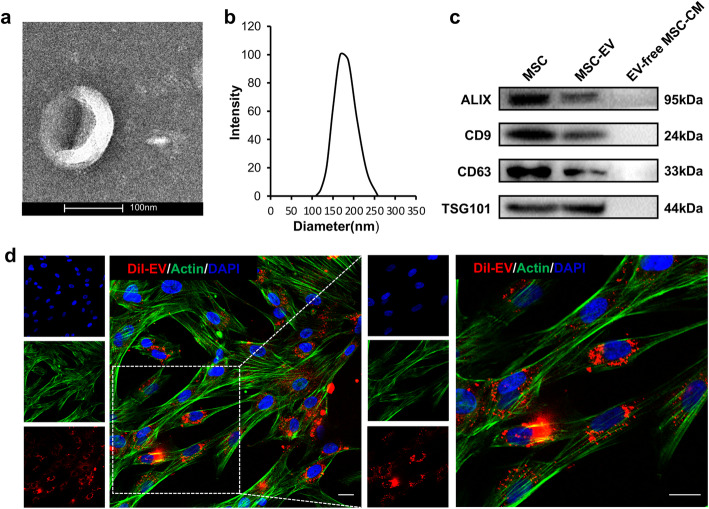
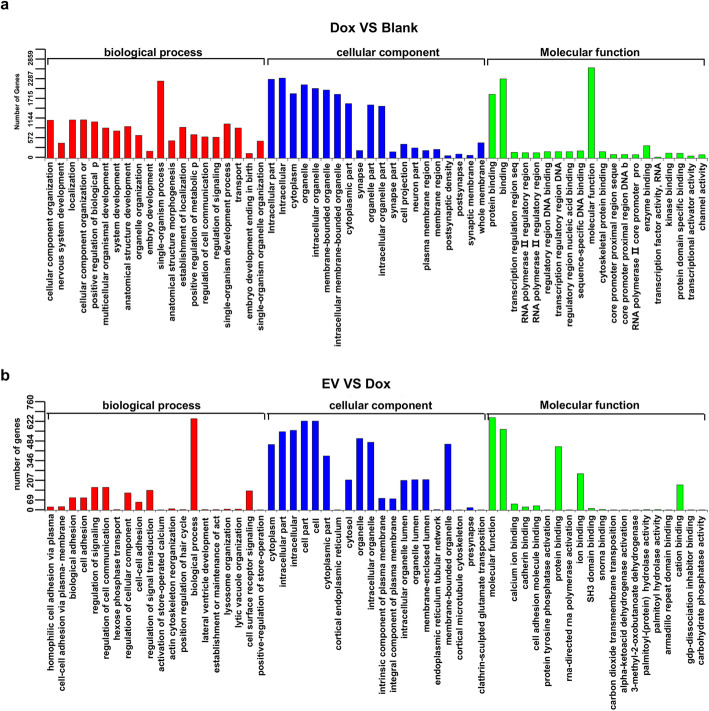
Doxorubicin, a commonly used chemotherapy drug, was to treat human umbilical cord-derived mesenchymal stem cells (hUC-MSCs) for 6 h as an in vitro cell model of chemotherapy-induced damage. Then we use extracellular vesicles derived from placental mesenchymal stem cells (hP-MSCs) to investigate the therapeutic potential of MSCs-EVs for chemotherapy injury. The mechanism was explored using microRNA sequencing.
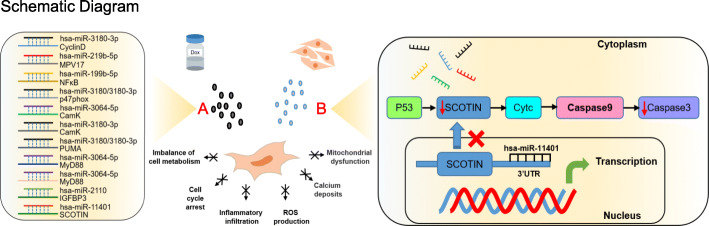
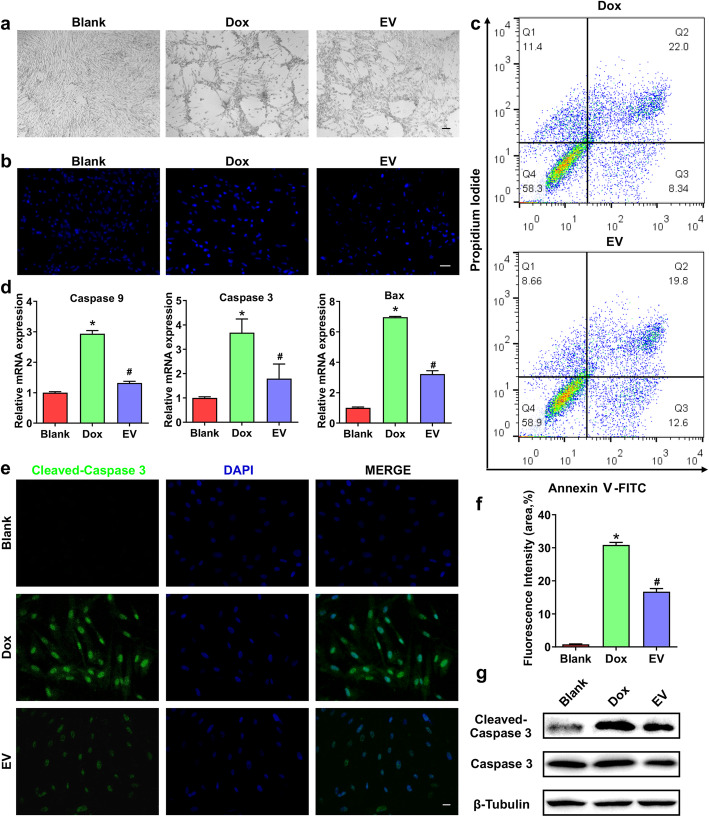
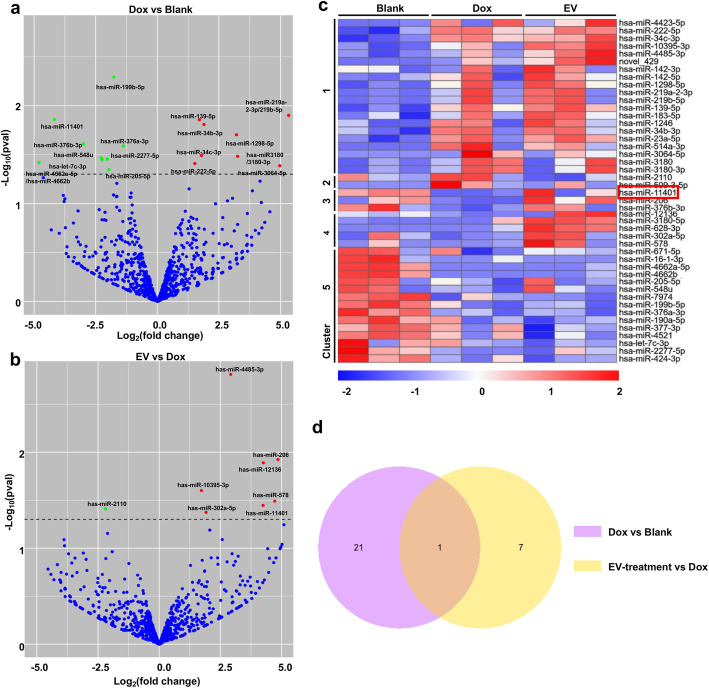
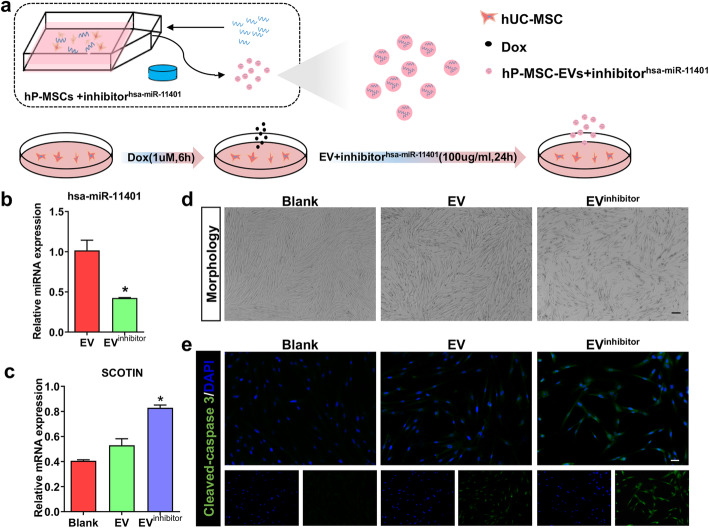
MSC-derived extracellular vesicles significantly alleviated the chemotherapy-induced apoptosis. Using microRNA sequencing, we identified hsa-miR-11401, which was downregulated in the Dox group but upregulated in the EV group. The upregulation of hsa-miR-11401 reduced the expression of SCOTIN, thereby inhibiting p53-dependent cell apoptosis.
Hsa-miR-11401 expressed by MSCs can be transported to chemotherapy-damaged cells by EVs, reducing the high expression of SCOTIN in damaged cells, thereby inhibiting SCOTIN-mediated apoptosis.
化疗是一种有效的抗肿瘤治疗方法。间充质干细胞(MSCs)在化疗期间对受损组织发挥治疗作用,但在此过程中可能会受到损伤。其通过远程旁分泌实现自我修复的可能性及机制尚不清楚。
使用常用化疗药物阿霉素处理人脐带间充质干细胞(hUC-MSCs)6小时,作为化疗诱导损伤的体外细胞模型。然后我们使用胎盘间充质干细胞(hP-MSCs)来源的细胞外囊泡来研究MSCs-EVs对化疗损伤的治疗潜力。通过微小RNA测序探索其机制。
MSC来源的细胞外囊泡显著减轻了化疗诱导的细胞凋亡。通过微小RNA测序,我们鉴定出hsa-miR-11401,其在阿霉素组中下调,但在EV组中上调。hsa-miR-11401的上调降低了SCOTIN的表达,从而抑制了p53依赖性细胞凋亡。
MSCs表达的hsa-miR-11401可通过EVs转运至化疗损伤细胞,降低受损细胞中SCOTIN的高表达,从而抑制SCOTIN介导的细胞凋亡。