Department of Chemistry, National University of Singapore, 3 Science Drive 3, Singapore, 117543, Singapore.
Sci Rep. 2021 Jan 22;11(1):2089. doi: 10.1038/s41598-020-80708-0.
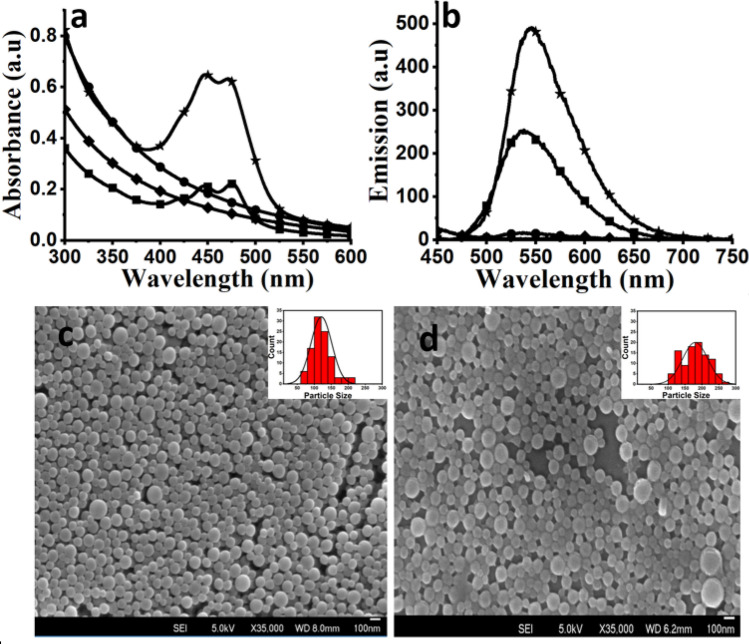
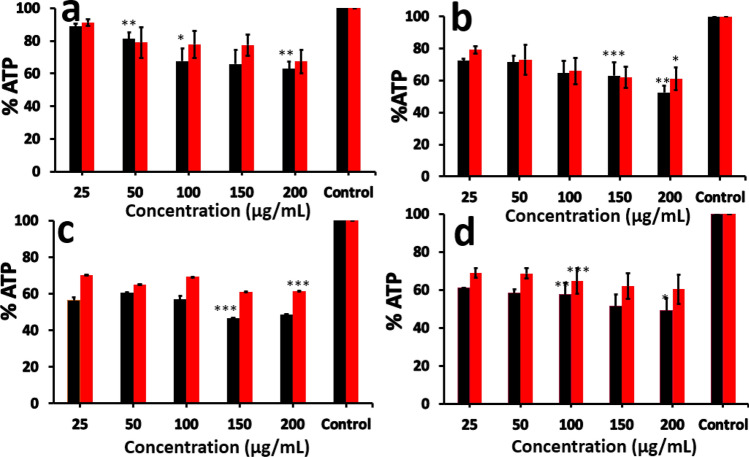
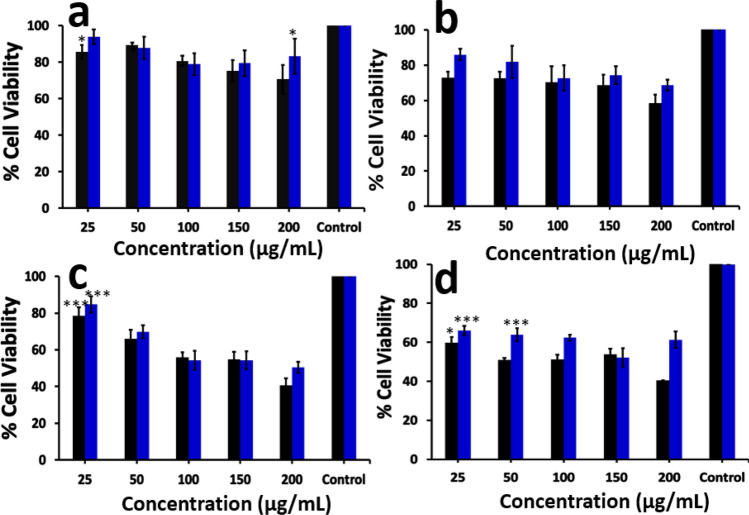
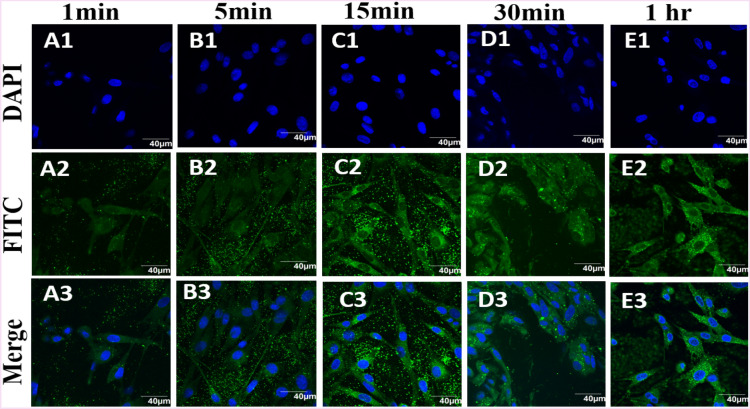
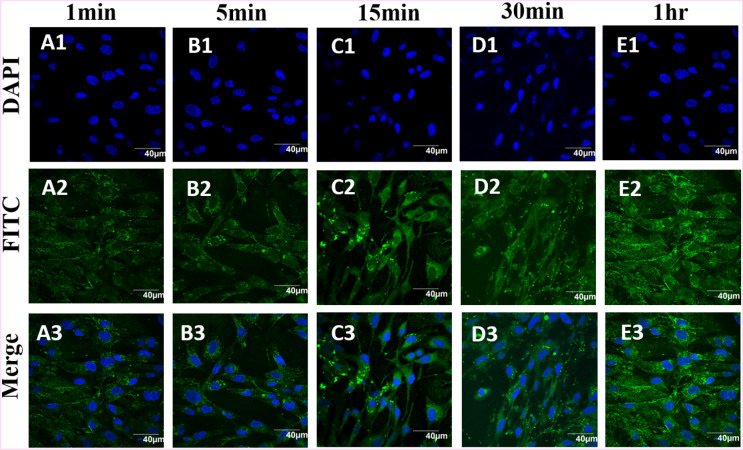
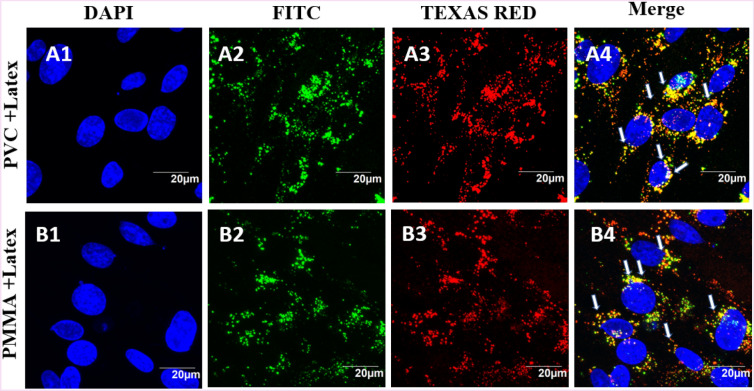
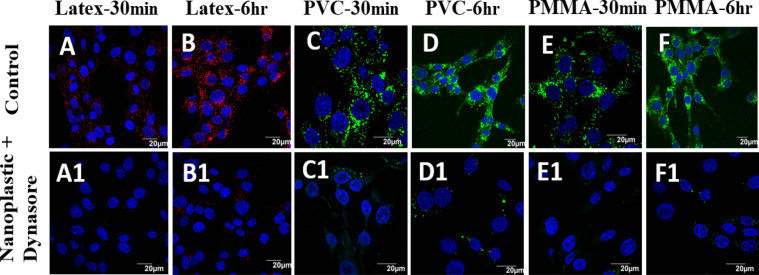
Microplastic and nanoplastic particles are prevalent in the environment and are beginning to enter the living system through multiple channels. Currently, little is known about the impact of plastic nanoparticles in living organisms. In order to investigate the health impact of micro- and nanoparticles of common polymers in a systematic way, luminescent plastic nanoparticles from two common polymers, polyvinyl chloride (PVC) and poly (methyl methacrylate) (PMMA) with relatively narrow size distribution are prepared using a nanoprecipitation method. As a model system, BHK-21 cells were exposed to polymer nanoparticles to understand the mode of uptake, internalization and biochemical changes inside the cells. The cellular effects of the nanoparticles were evaluated by monitoring the changes in cell viability, cell morphology, concentrations of reactive oxygen species (ROS), adenine triphosphate (ATP) and lactate dehydrogenase at different concentrations of the nanoparticles and time of exposure. PVC and PMMA nanoparticles induced a reduction in the cell viability along with a reduction of ATP and increase of ROS concentrations in a dose- and time-dependent manner. The plastic nanoparticles are internalized into the cell via endocytosis, as confirmed by Dynasore inhibition assay and colocalization with latex beads. Our findings suggest that plastic nanoparticle internalization could perturb cellular physiology and affect cell survival under laboratory conditions.
微塑料和纳米塑料颗粒广泛存在于环境中,并开始通过多种途径进入生命系统。目前,人们对塑料纳米颗粒对生物体的影响知之甚少。为了系统地研究常见聚合物的微纳米颗粒对健康的影响,我们采用纳米沉淀法制备了两种常见聚合物聚氯乙烯(PVC)和聚甲基丙烯酸甲酯(PMMA)的具有较窄粒径分布的荧光塑料纳米颗粒。作为模型系统,我们将 BHK-21 细胞暴露于聚合物纳米颗粒中,以了解细胞摄取、内化和细胞内生化变化的模式。通过监测细胞活力、细胞形态、活性氧(ROS)浓度、三磷酸腺苷(ATP)和乳酸脱氢酶浓度的变化,评估纳米颗粒对细胞的影响,以及不同浓度纳米颗粒和暴露时间对细胞的影响。结果表明,PVC 和 PMMA 纳米颗粒以剂量和时间依赖的方式降低细胞活力,降低 ATP 浓度,增加 ROS 浓度。通过 Dynasore 抑制实验和与乳胶珠的共定位实验证实,塑料纳米颗粒通过内吞作用被内化到细胞内。我们的研究结果表明,在实验室条件下,塑料纳米颗粒的内化可能会扰乱细胞生理机能并影响细胞存活。