Department of Archaeology, Classics and Egyptology, University of Liverpool, Liverpool, L69 7WZ, UK.
Staatliche Naturwissenschaftliche Sammlungen Bayerns, Staatssammlung für Anthropologie und Paläoanatomie München, Karolinenplatz 2a, 80333, Munich, Germany.
Sci Rep. 2021 Jan 22;11(1):2112. doi: 10.1038/s41598-021-81757-9.
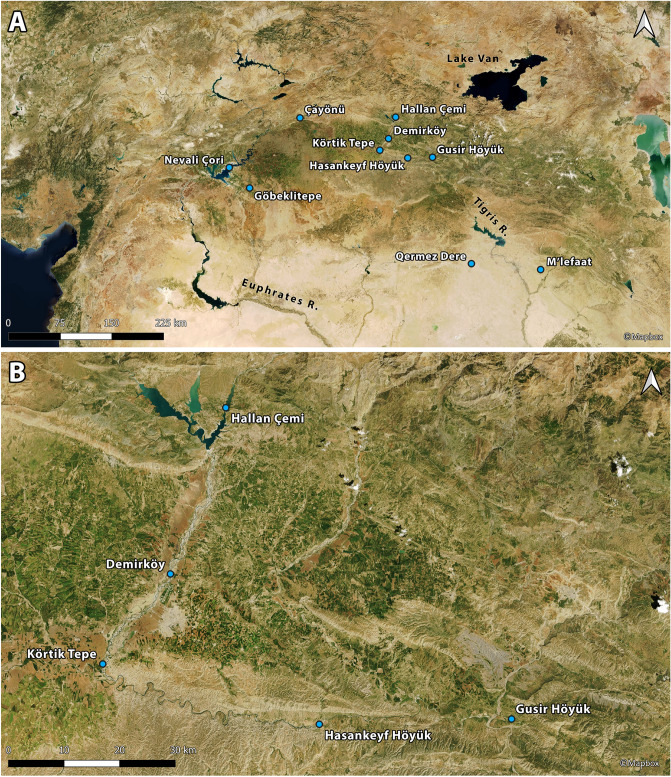
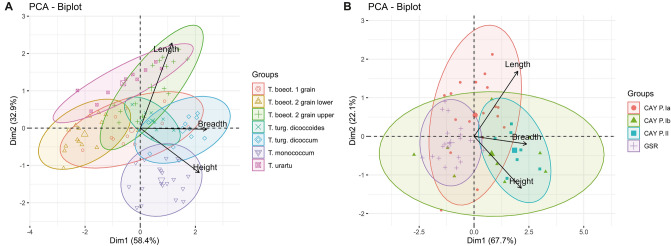
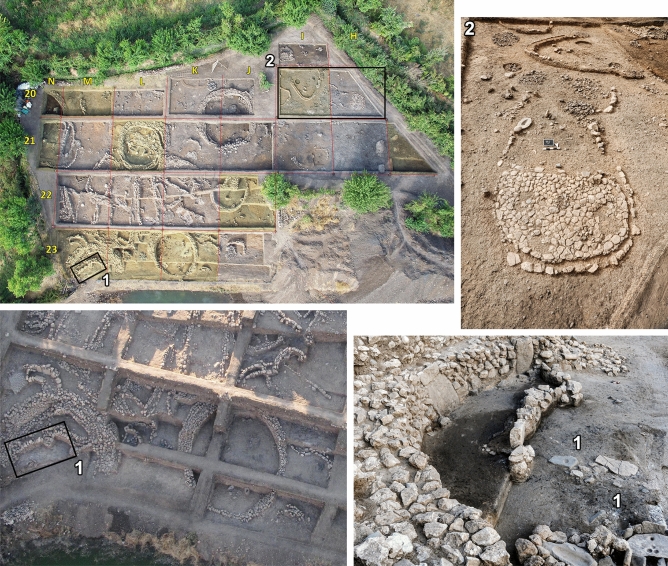
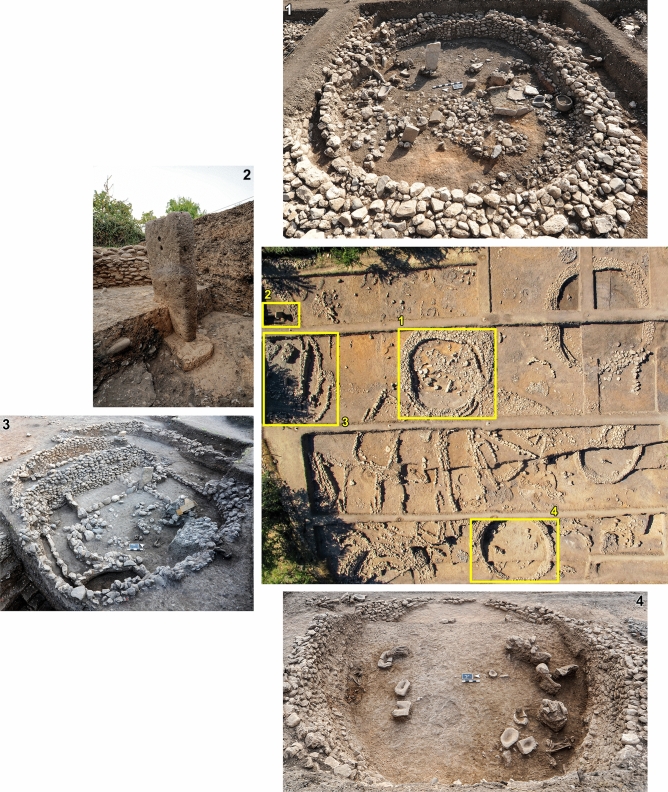
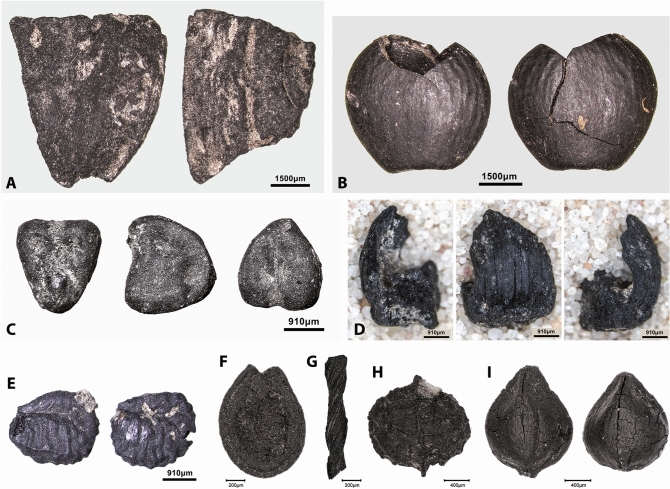
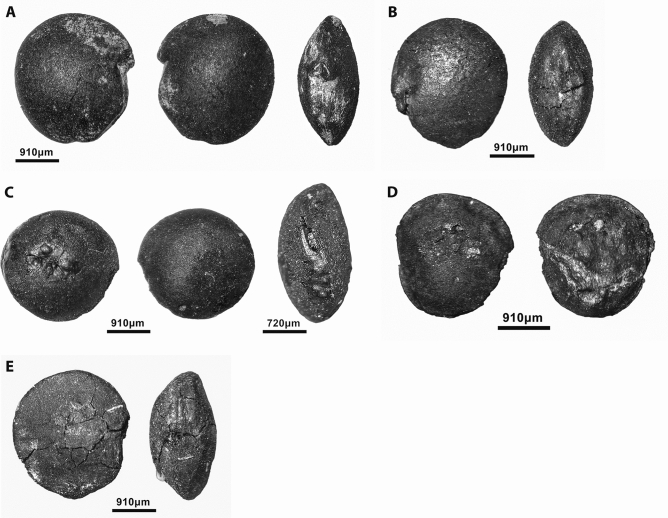
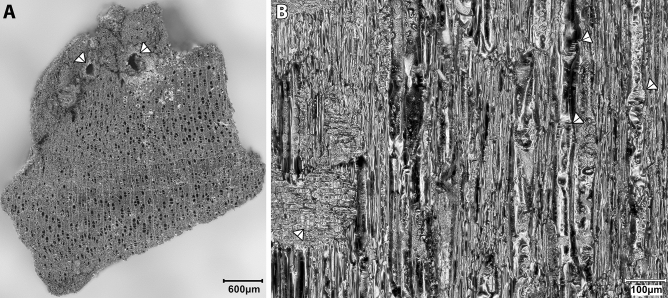
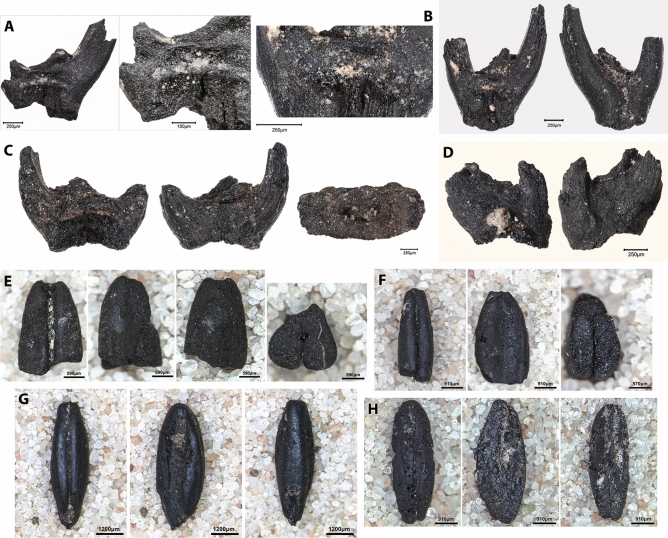
Southeast Anatolia is home to some of the earliest and most spectacular Neolithic sites associated with the beginning of cultivation and herding in the Old World. In this article we present new archaeobotanical and zooarchaeological data from Gusir Höyük, an aceramic Neolithic habitation dating to the 12th-late 11th millennia cal BP. Our results show selective use of legume crop progenitors and nuts during the earlier part of this period, followed by the management of cereal and legume crop progenitors from the mid-11th millennium cal BP. This contrasts with data available from other Anatolian habitations indicating broad spectrum plant use with low crop progenitor inputs. Early aceramic Neolithic Anatolian plant and animal exploitation strategies were site-specific, reflecting distinctive identities and culinary choices rather than environmental constraints. A multivariate evaluation of wheat grain metrics alongside botanical and radiometric data indicate that early wheat domestication in southeast Anatolia occurred at a faster pace than predicted by current hypotheses for a protracted transition to farming in Southwest Asia. We argue that this phenomenon is best explained as a corollary of the increasing importance of cereals in feasting at southeast Anatolian sites characterised by increasing architectural complexity and elaboration during the 11th millennium cal BP.
东安纳托利亚是一些与旧世界农业和畜牧业起源最早、最壮观的新石器时代遗址的所在地。在本文中,我们展示了来自古斯尔胡尤克(Gusir Höyük)的新考古植物学和动物考古学数据,这是一个无陶器新石器时代的居住地,年代可追溯到公元前 12000 年至 11000 年末。我们的结果表明,在这一时期的早期,豆类作物的祖先和坚果被选择性地利用,而从中石器时代到 11000 年前,谷物和豆类作物的祖先得到了管理。这与来自其他安纳托利亚居住地的数据形成对比,这些数据表明广泛的植物利用,而作物祖先的投入较低。早期无陶器新石器时代安纳托利亚的植物和动物开发策略是特定于地点的,反映了独特的身份和烹饪选择,而不是环境限制。对小麦粒度量的多元评估,以及植物学和放射性数据表明,东南安纳托利亚的早期小麦驯化比当前关于西南亚向农业过渡的漫长假设所预测的要快。我们认为,这种现象最好解释为在公元前 11000 年,东南安纳托利亚的遗址中,随着建筑复杂性和精细化程度的增加,谷物在宴会上的重要性不断增加,这是一个必然结果。