CAS Key Laboratory of Marine Ecology and Environmental Sciences, Institute of Oceanology, Chinese Academy of Sciences, Qingdao, 266071, China.
Laboratory for Marine Ecology and Environmental Science, Qingdao National Laboratory for Marine Science and Technology, Qingdao, 266237, China.
BMC Biol. 2021 Jan 25;19(1):15. doi: 10.1186/s12915-020-00943-9.
Inhibitors of apoptosis (IAPs) are critical regulators of programmed cell death that are essential for development, oncogenesis, and immune and stress responses. However, available knowledge regarding IAP is largely biased toward humans and model species, while the distribution, function, and evolutionary novelties of this gene family remain poorly understood in many taxa, including Mollusca, the second most speciose phylum of Metazoa.
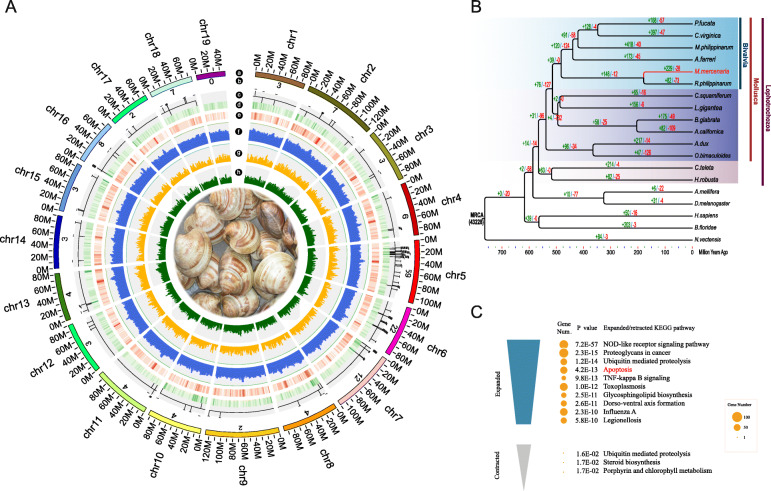
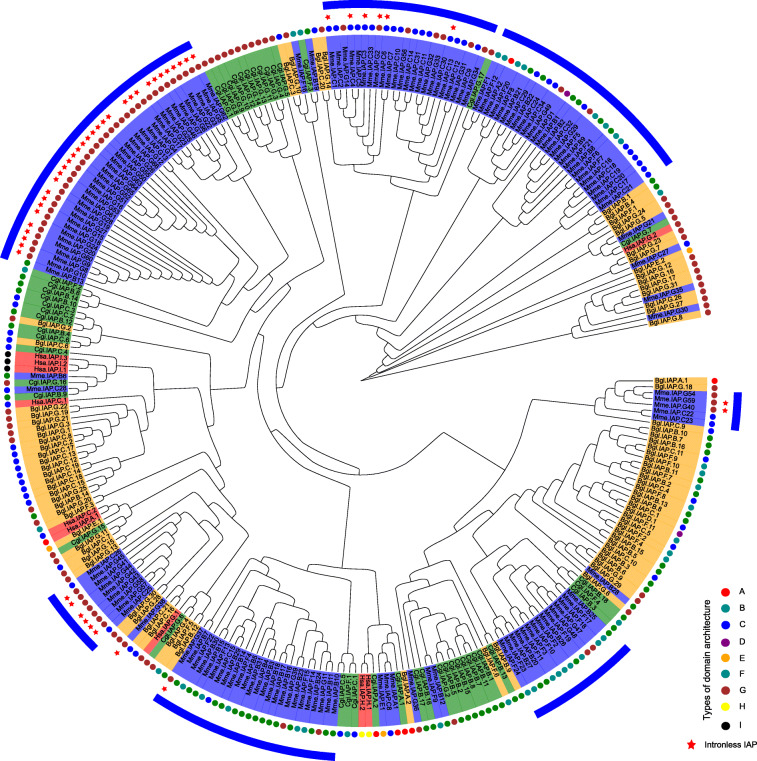
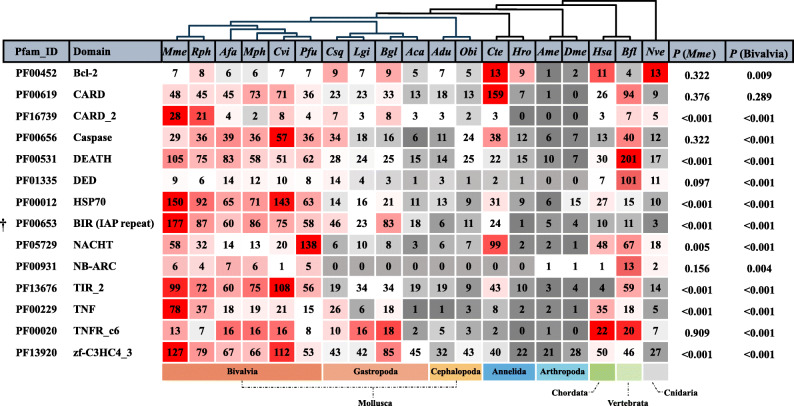
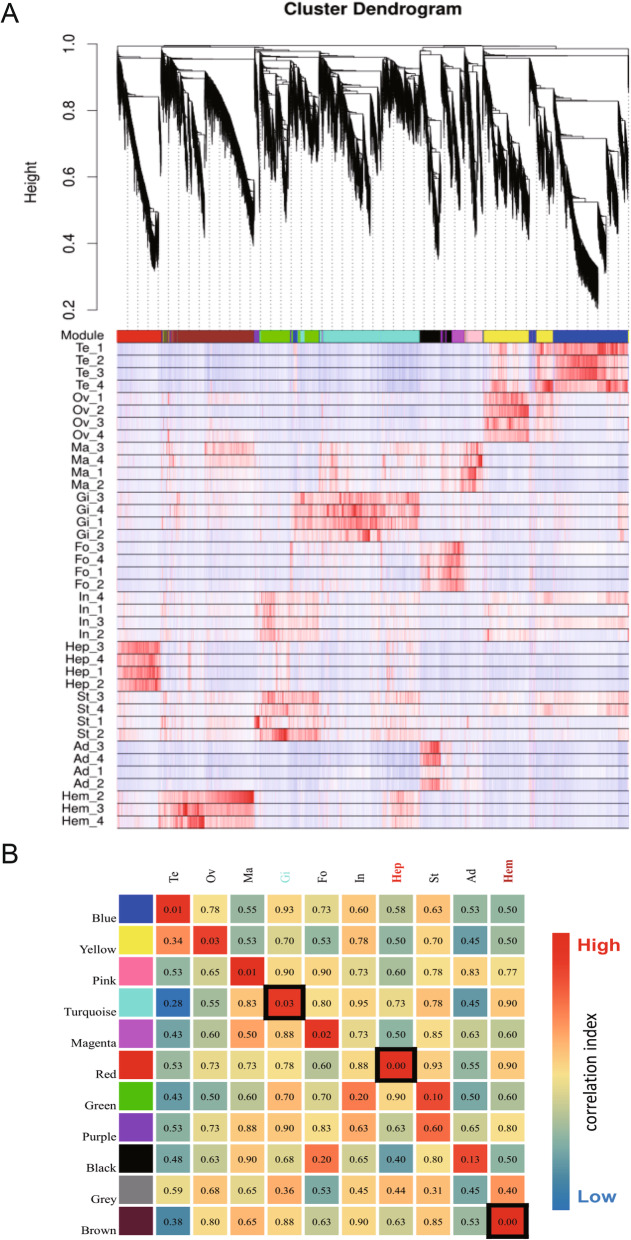
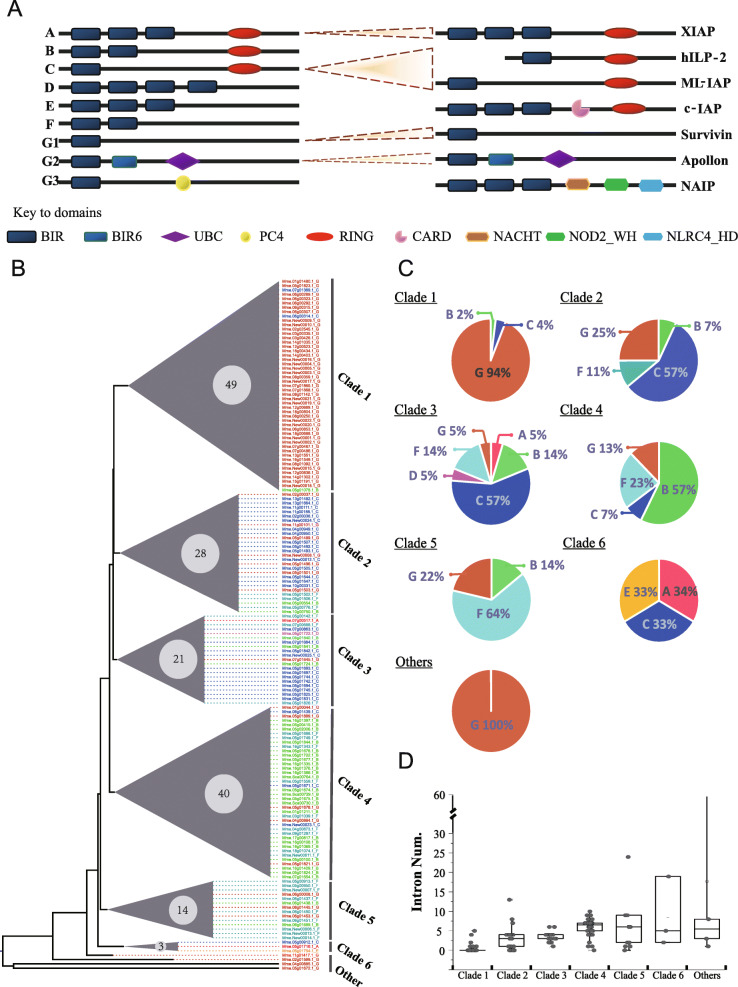
Here, we present a chromosome-level genome assembly of an economically significant bivalve, the hard clam Mercenaria mercenaria, which reveals an unexpected and dramatic expansion of the IAP gene family to 159 members, the largest IAP gene repertoire observed in any metazoan. Comparative genome analysis reveals that this massive expansion is characteristic of bivalves more generally. Reconstruction of the evolutionary history of molluscan IAP genes indicates that most originated in early metazoans and greatly expanded in Bivalvia through both lineage-specific tandem duplication and retroposition, with 37.1% of hard clam IAPs located on a single chromosome. The expanded IAPs have been subjected to frequent domain shuffling, which has in turn shaped their architectural diversity. Further, we observed that extant IAPs exhibit dynamic and orchestrated expression patterns among tissues and in response to different environmental stressors.
Our results suggest that sophisticated regulation of apoptosis enabled by the massive expansion and diversification of IAPs has been crucial for the evolutionary success of hard clam and other molluscan lineages, allowing them to cope with local environmental stresses. This study broadens our understanding of IAP proteins and expression diversity and provides novel resources for studying molluscan biology and IAP function and evolution.
凋亡抑制因子(IAPs)是程序性细胞死亡的关键调节因子,对于发育、肿瘤发生、免疫和应激反应至关重要。然而,目前关于 IAP 的知识在很大程度上偏向于人类和模式生物,而包括软体动物门在内的许多分类群中,IAP 基因家族的分布、功能和进化新颖性仍知之甚少,软体动物门是后生动物中第二大物种丰富的门。
本研究提供了一个具有经济重要性的双壳贝类——硬壳蛤 Mercenaria mercenaria 的染色体水平基因组组装,该组装揭示了 IAP 基因家族的意外和显著扩张,达到了 159 个成员,这是后生动物中观察到的最大的 IAP 基因库。比较基因组分析表明,这种大规模扩张是双壳类动物的特征。软体动物 IAP 基因的进化历史重建表明,大多数基因起源于早期后生动物,并通过谱系特异性串联重复和反转录在双壳类动物中大大扩张,37.1%的硬壳蛤 IAP 位于单个染色体上。扩张的 IAP 经历了频繁的结构域重排,从而塑造了它们的结构多样性。此外,我们观察到现存的 IAP 在组织间以及对不同环境胁迫的反应中表现出动态和协调的表达模式。
我们的研究结果表明,IAP 的大规模扩张和多样化所实现的凋亡的精细调控,对于硬壳蛤和其他软体动物谱系的进化成功至关重要,使它们能够应对局部环境压力。这项研究拓宽了我们对 IAP 蛋白和表达多样性的理解,并为研究软体动物生物学以及 IAP 的功能和进化提供了新的资源。