Alvites Rui D, Branquinho Mariana V, Sousa Ana C, Amorim Irina, Magalhães Rui, João Filipa, Almeida Diogo, Amado Sandra, Prada Justina, Pires Isabel, Zen Federica, Raimondo Stefania, Luís Ana L, Geuna Stefano, Varejão Artur S P, Maurício Ana C
Departamento de Clínicas Veterinárias, Instituto de Ciências Biomédicas de Abel Salazar (ICBAS), Universidade do Porto (UP), Rua de Jorge Viterbo Ferreira, No. 228, 4050-313 Porto, Portugal.
Centro de Estudos de Ciência Animal (CECA), Instituto de Ciências, Tecnologias e Agroambiente da Universidade do Porto (ICETA), Rua D. Manuel II, Apartado 55142, 4051-401 Porto, Portugal.
Stem Cells Int. 2021 Jan 2;2021:6613029. doi: 10.1155/2021/6613029. eCollection 2021.
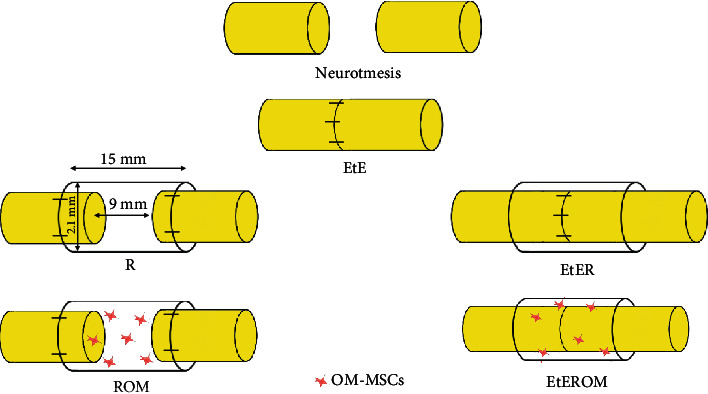
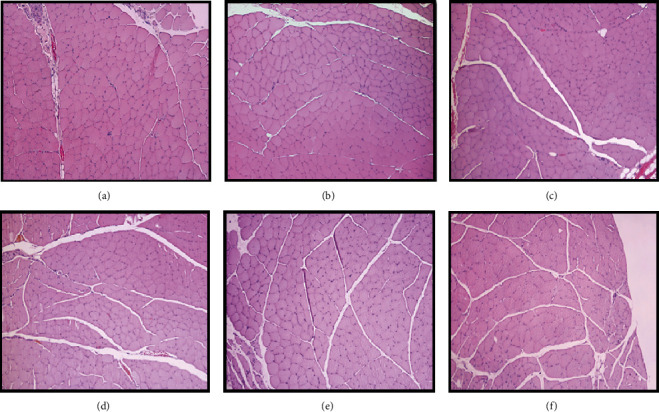
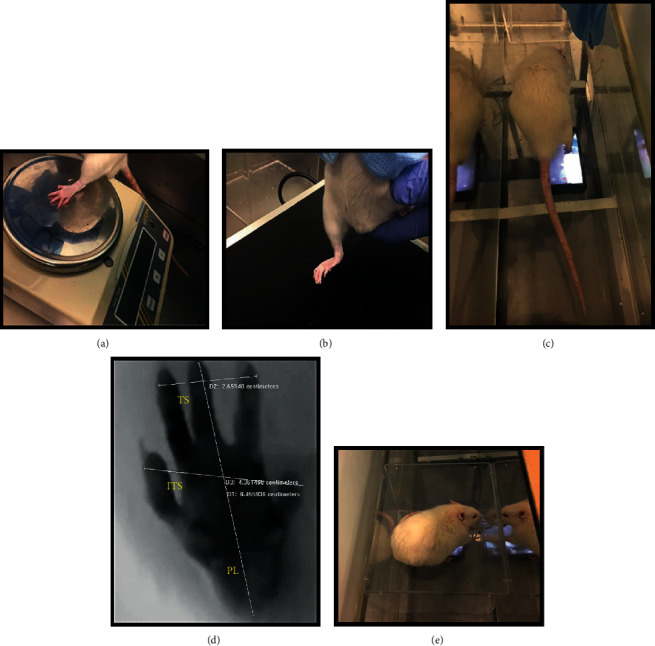
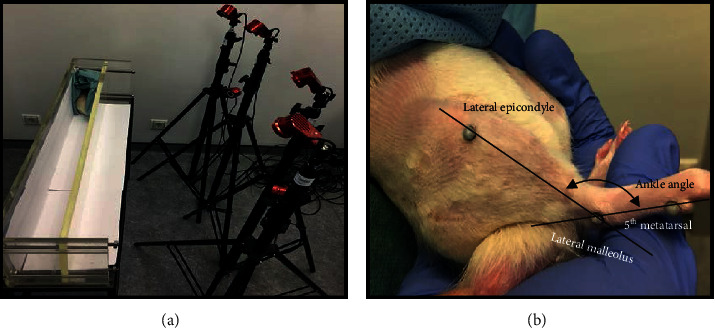
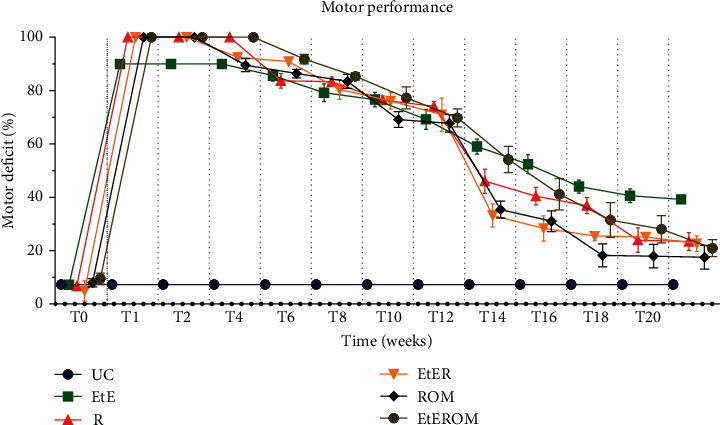
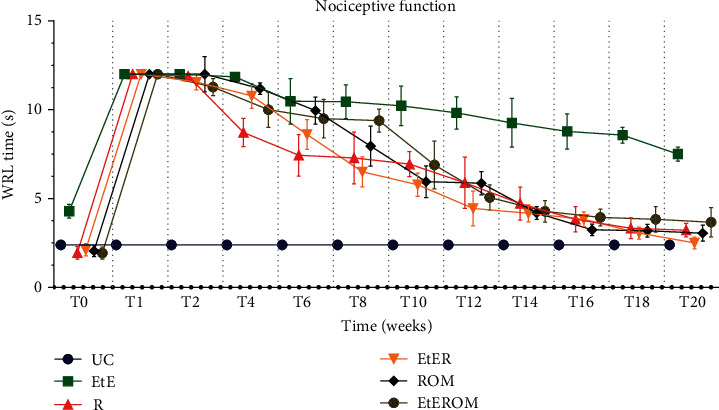
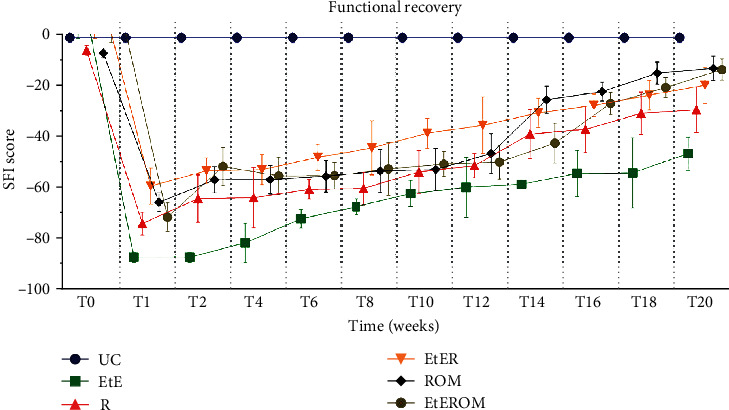
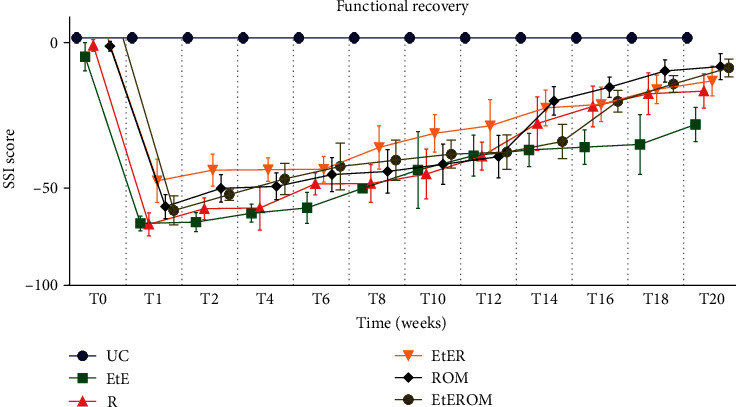
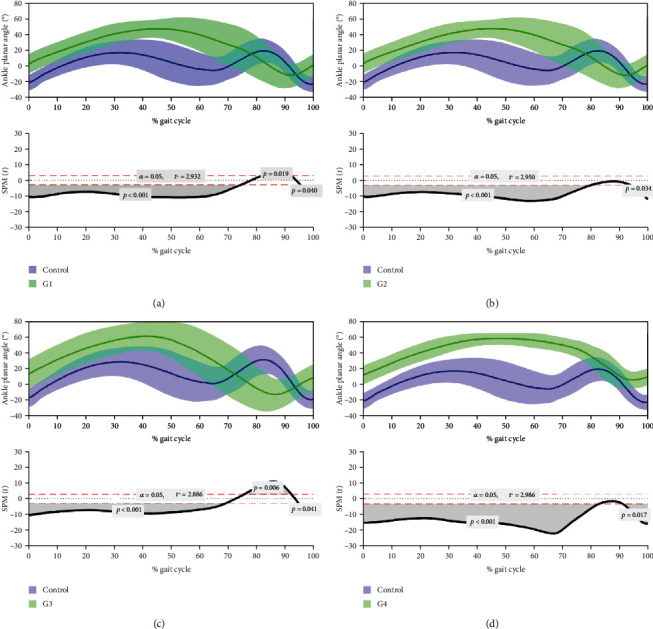
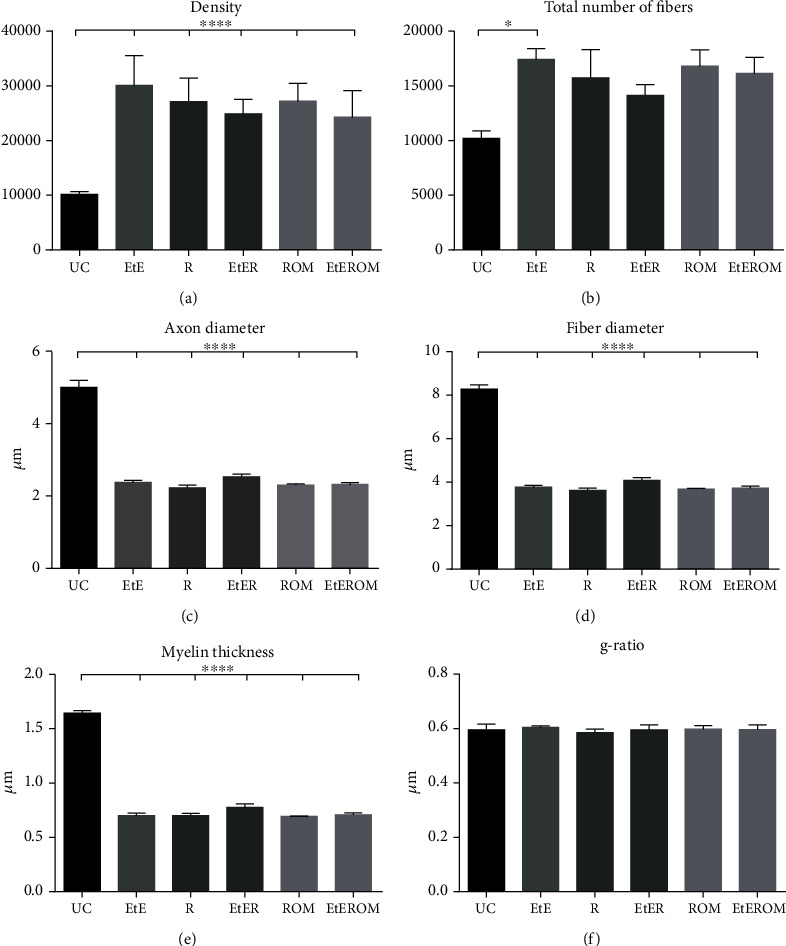
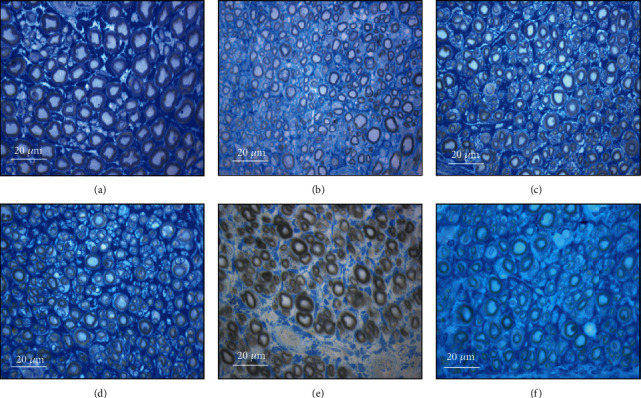
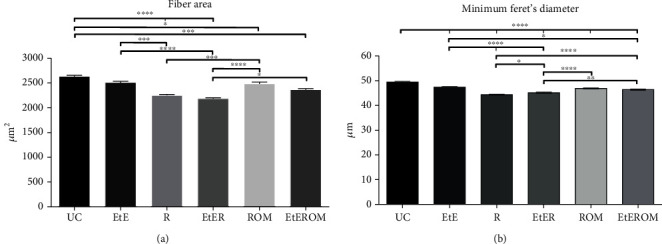
Peripheral nerve injury remains a clinical challenge with severe physiological and functional consequences. Despite the existence of multiple possible therapeutic approaches, until now, there is no consensus regarding the advantages of each option or the best methodology in promoting nerve regeneration. Regenerative medicine is a promise to overcome this medical limitation, and in this work, chitosan nerve guide conduits and olfactory mucosa mesenchymal stem/stromal cells were applied in different therapeutic combinations to promote regeneration in sciatic nerves after neurotmesis injury. Over 20 weeks, the intervened animals were subjected to a regular functional assessment (determination of motor performance, nociception, and sciatic indexes), and after this period, they were evaluated kinematically and the sciatic nerves and cranial tibial muscles were evaluated stereologically and histomorphometrically, respectively. The results obtained allowed confirming the beneficial effects of using these therapeutic approaches. The use of chitosan NGCs and cells resulted in better motor performance, better sciatic indexes, and lower gait dysfunction after 20 weeks. The use of only NGGs demonstrated better nociceptive recoveries. The stereological evaluation of the sciatic nerve revealed identical values in the different parameters for all therapeutic groups. In the muscle histomorphometric evaluation, the groups treated with NGCs and cells showed results close to those of the group that received traditional sutures, the one with the best final values. The therapeutic combinations studied show promising outcomes and should be the target of new future works to overcome some irregularities found in the results and establish the combination of nerve guidance conduits and olfactory mucosa mesenchymal stem/stromal cells as viable options in the treatment of peripheral nerves after injury.
周围神经损伤仍然是一个临床挑战,会带来严重的生理和功能后果。尽管存在多种可能的治疗方法,但到目前为止,对于每种选择的优势或促进神经再生的最佳方法尚未达成共识。再生医学有望克服这一医学局限,在本研究中,壳聚糖神经导管和嗅黏膜间充质干/基质细胞被应用于不同的治疗组合,以促进坐骨神经切断伤后的再生。在20周的时间里,对干预后的动物进行定期功能评估(测定运动性能、痛觉感受和坐骨神经指数),在此期间过后,对它们进行运动学评估,并分别对坐骨神经和胫前肌进行体视学和组织形态计量学评估。所获得的结果证实了使用这些治疗方法的有益效果。使用壳聚糖神经导管和细胞在20周后带来了更好的运动性能、更好的坐骨神经指数和更低的步态功能障碍。仅使用神经导管显示出更好的痛觉恢复。坐骨神经的体视学评估显示,所有治疗组在不同参数上的值相同。在肌肉组织形态计量学评估中,用神经导管和细胞治疗的组显示出的结果与接受传统缝合的组相近,而传统缝合组的最终值最佳。所研究的治疗组合显示出有前景的结果,应该成为未来新研究的目标,以克服结果中发现的一些不规则之处,并将神经引导导管和嗅黏膜间充质干/基质细胞的组合确立为损伤后周围神经治疗的可行选择。