Arias Sara, Leon Marta, Jaimes Diego, Bustos Rosa-Helena
Evidence-Based Therapeutics Group, Clinical Pharmacology, Universidad de La Sabana, Chía 140013, Colombia.
Pain and Palliative Group, Universidad de La Sabana, Chía 140013, Colombia.
Pharmaceuticals (Basel). 2021 Jan 21;14(2):78. doi: 10.3390/ph14020078.
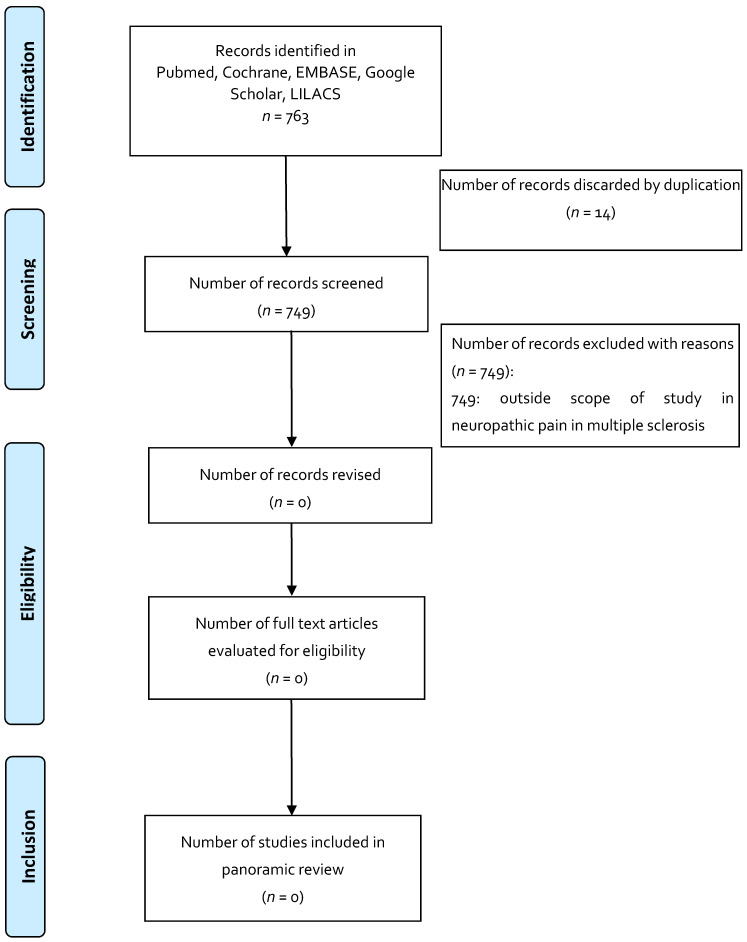
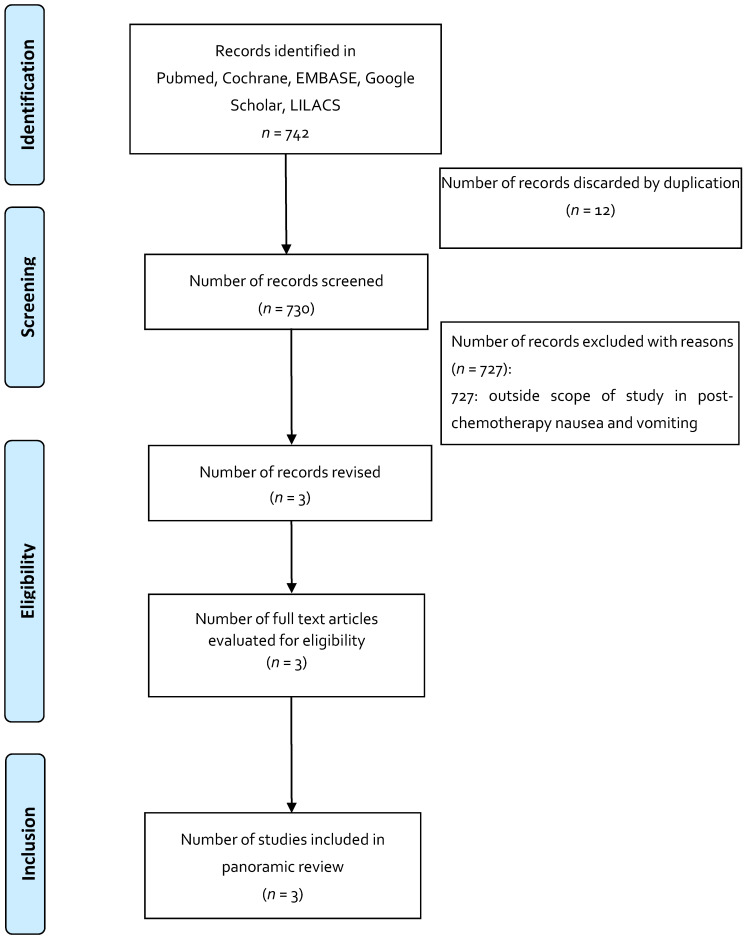
Cannabis has been widely used as a medicinal plant for millennia; however, studies related to its main components were first conducted in 1960. Subsequently, laboratories have produced new components and structures related to its active biological properties. Countries that have approved the medicinal use of cannabis impose regulations that govern its clinical and scientific use. One means of administering medicinal cannabis is via a magistral preparation that must have a medical prescription and be prepared in an establishment that meets quality standards to ensure the quantities of its main components, such as tetrahydrocannabinol (THC) and cannabidiol (CBD). Furthermore, suppliers must have a clear indication of its use in the patient before prescription. This review shows the published evidence regarding the clinical use of medicinal cannabis magistral preparations in the management of post-chemotherapy nausea and vomiting, neuropathic pain in multiple sclerosis, and anorexia and cachexia in patients with HIV.
几千年来,大麻一直被广泛用作药用植物;然而,有关其主要成分的研究直到1960年才首次开展。随后,实验室研发出了与它的活性生物学特性相关的新成分和结构。已批准大麻用于医疗用途的国家制定了规范其临床和科学使用的法规。一种给药方式是通过一种必须有医疗处方且在符合质量标准的机构制备的特殊调配制剂,以确保其主要成分如四氢大麻酚(THC)和大麻二酚(CBD)的含量。此外,供应商在开处方前必须明确说明其在患者身上的用途。本综述展示了已发表的关于药用大麻特殊调配制剂在化疗后恶心呕吐、多发性硬化症的神经性疼痛以及HIV患者的厌食和恶病质管理中的临床应用的证据。