Grisé Kenneth N, Bautista Nelson X, Jacques Krystal, Coles Brenda L K, van der Kooy Derek
Department of Molecular Genetics, University of Toronto, Toronto, ON, M5S 1A8, Canada.
Donnelly Centre for Cellular and Biomolecular Research, University of Toronto, Toronto, ON, M5S 3E1, Canada.
Stem Cell Res Ther. 2021 Jan 25;12(1):83. doi: 10.1186/s13287-021-02136-9.
Adult mammalian retinal stem cells (RSCs) readily proliferate, self-renew, and generate progeny that differentiate into all retinal cell types in vitro. RSC-derived progeny can be induced to differentiate into photoreceptors, making them a potential source for retinal cell transplant therapies. Despite their proliferative propensity in vitro, RSCs in the adult mammalian eye do not proliferate and do not have a regenerative response to injury. Thus, identifying and modulating the mechanisms that regulate RSC proliferation may enhance the capacity to produce RSC-derived progeny in vitro and enable RSC activation in vivo.
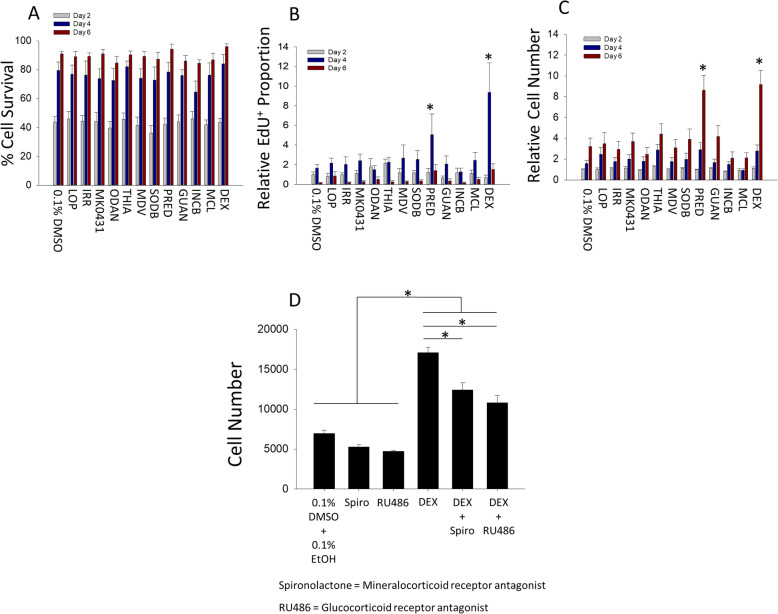
Here, we used medium-throughput screening to identify small molecules that can expand the number of RSCs and their progeny in culture. In vitro differentiation assays were used to assess the effects of synthetic glucocorticoid agonist dexamethasone on RSC-derived progenitor cell fate. Intravitreal injections of dexamethasone into adult mouse eyes were used to investigate the effects on endogenous RSCs.
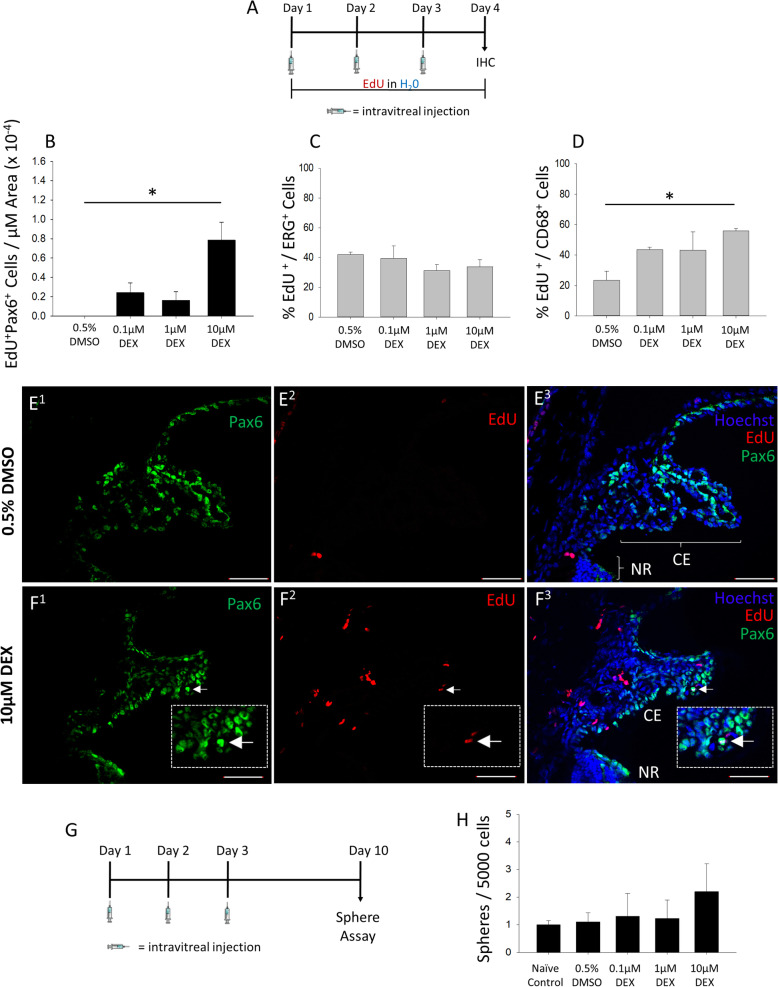
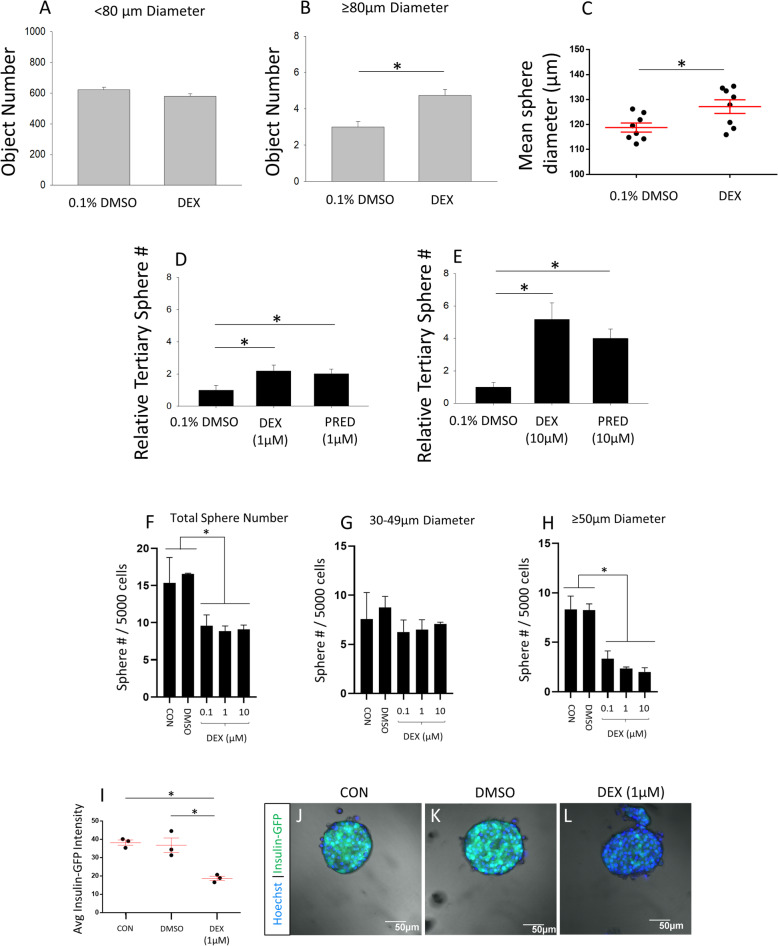
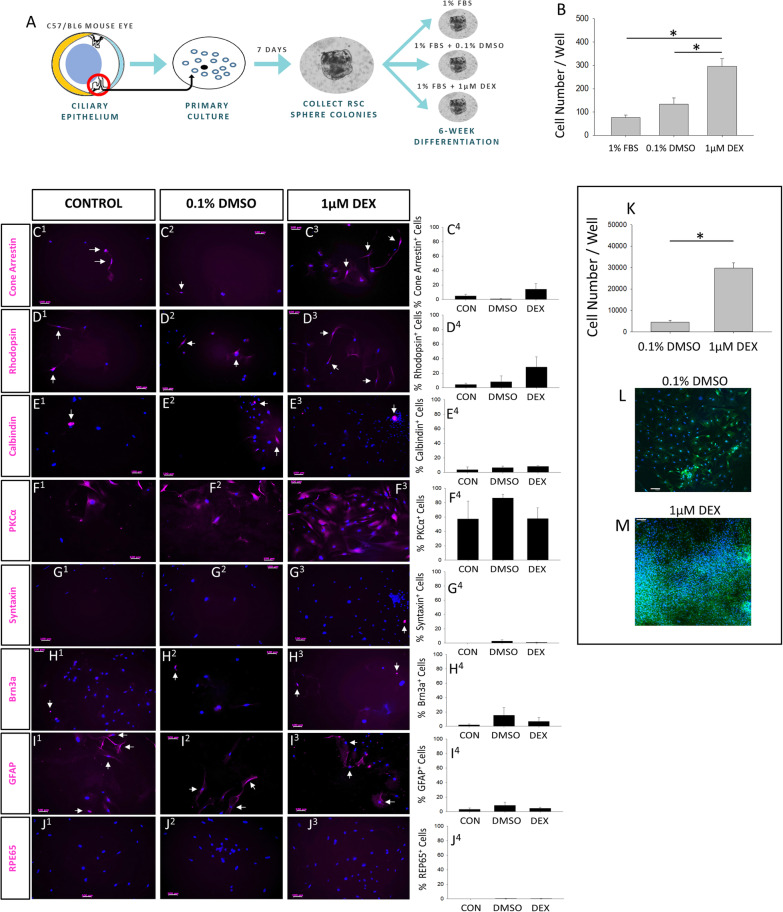
We discovered that high-affinity synthetic glucocorticoid agonists increase RSC self-renewal and increase retinal progenitor proliferation up to 6-fold without influencing their differentiation in vitro. Intravitreal injection of synthetic glucocorticoid agonist dexamethasone induced in vivo proliferation in the ciliary epithelium-the niche in which adult RSCs reside.
Together, our results identify glucocorticoids as novel regulators of retinal stem and progenitor cell proliferation in culture and provide evidence that GCs may activate endogenous RSCs.
成年哺乳动物视网膜干细胞(RSCs)易于增殖、自我更新,并产生可在体外分化为所有视网膜细胞类型的子代细胞。RSC来源的子代细胞可被诱导分化为光感受器,使其成为视网膜细胞移植治疗的潜在来源。尽管成年哺乳动物眼中的RSCs在体外具有增殖倾向,但它们在成年哺乳动物眼中并不增殖,对损伤也没有再生反应。因此,识别和调节调控RSC增殖的机制可能会增强体外产生RSC来源子代细胞的能力,并使体内的RSCs被激活。
在此,我们使用中通量筛选来识别可在培养中增加RSCs及其子代细胞数量的小分子。体外分化试验用于评估合成糖皮质激素激动剂地塞米松对RSC来源祖细胞命运的影响。将地塞米松玻璃体内注射到成年小鼠眼中,以研究其对内源性RSCs的影响。
我们发现高亲和力的合成糖皮质激素激动剂可增加RSC的自我更新,并使视网膜祖细胞增殖增加高达6倍,而不影响其体外分化。玻璃体内注射合成糖皮质激素激动剂地塞米松可诱导成年RSCs所在的睫状体上皮细胞进行体内增殖。
总之,我们的结果确定糖皮质激素是培养中视网膜干细胞和祖细胞增殖的新型调节因子,并提供了糖皮质激素可能激活内源性RSCs的证据。